

Wavy Hairstyles: The Best Cuts and Styling Tips for Every Wave Type
Wavy hair is the sweet spot of texture. It has more body and movement than straight hair without the maintenance demands of tight curls, and it looks effortlessly good in a way that both straight and curly-haired people envy. Whether your waves are barely-there bends or full S-shaped curves, the right cut and styling approach can turn your natural texture into your best feature.

What Counts as Wavy Hair?
Wavy hair sits between straight (type 1) and curly (type 3) on the hair texture spectrum and is classified as type 2. Within that category, 2A waves are loose and fine with just a gentle bend, 2B waves form more defined S-shapes with medium thickness, and 2C waves are the thickest and most defined, bordering on curly. Knowing your wave type matters because it determines which cuts, products, and techniques work best for you. Most people with wavy hair have a mix of patterns across their head, with tighter waves underneath and looser ones on top, which is perfectly normal and actually creates beautiful dimension.


Who Do Wavy Hairstyles Suit?
Practically everyone. Wavy texture is forgiving because it adds volume where you need it and breaks up harsh lines. Round faces benefit from waves that add height and frame the sides, creating a lengthening effect. Long and rectangular faces look balanced with waves that add width at the cheeks and jaw. Angular, square faces are softened by the organic curves of wavy hair. The only face shape that requires a bit of thought is a very narrow, diamond-shaped face, where keeping waves below the cheekbones prevents adding too much width at the widest point. Beyond face shape, waves work at nearly every length, from short textured crops to waist-length flowing hair.
Best Wavy Hairstyles for Women
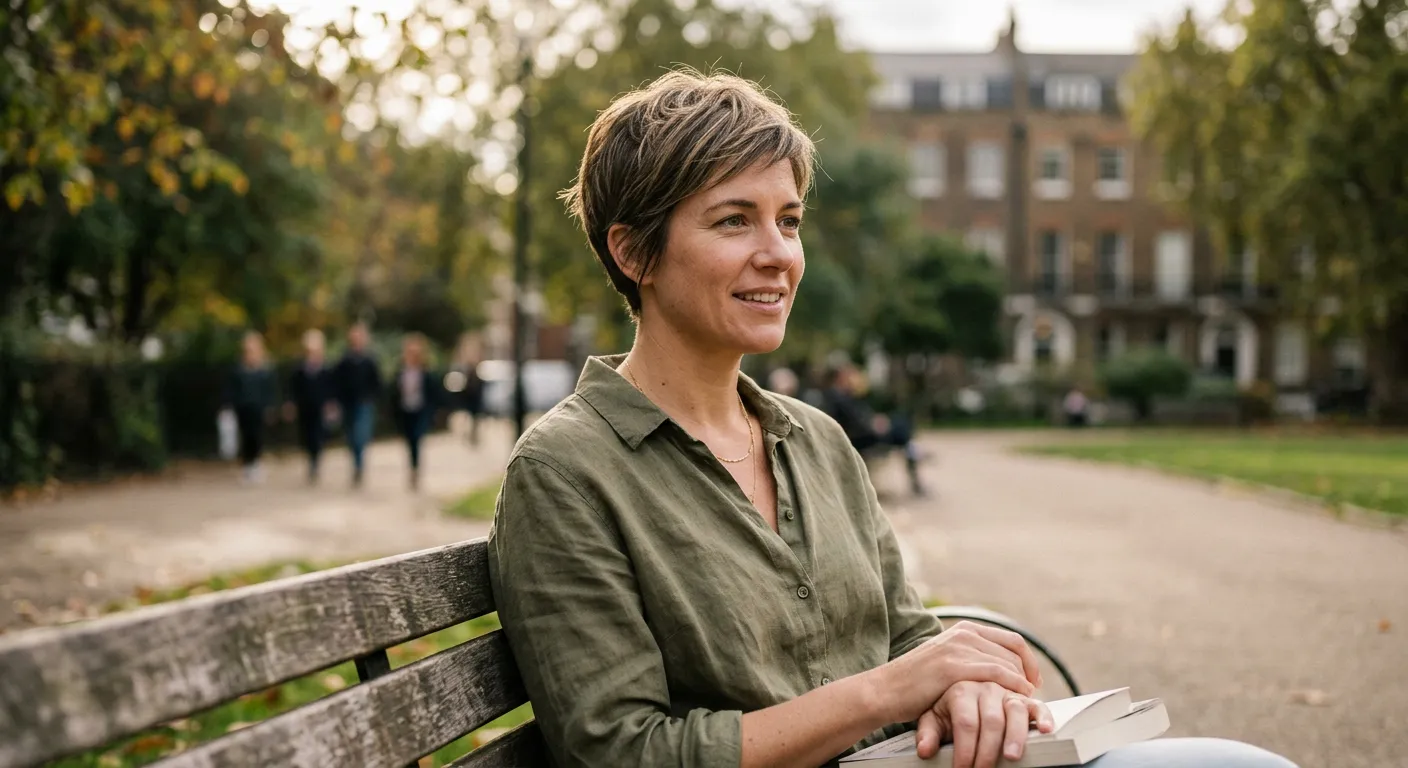
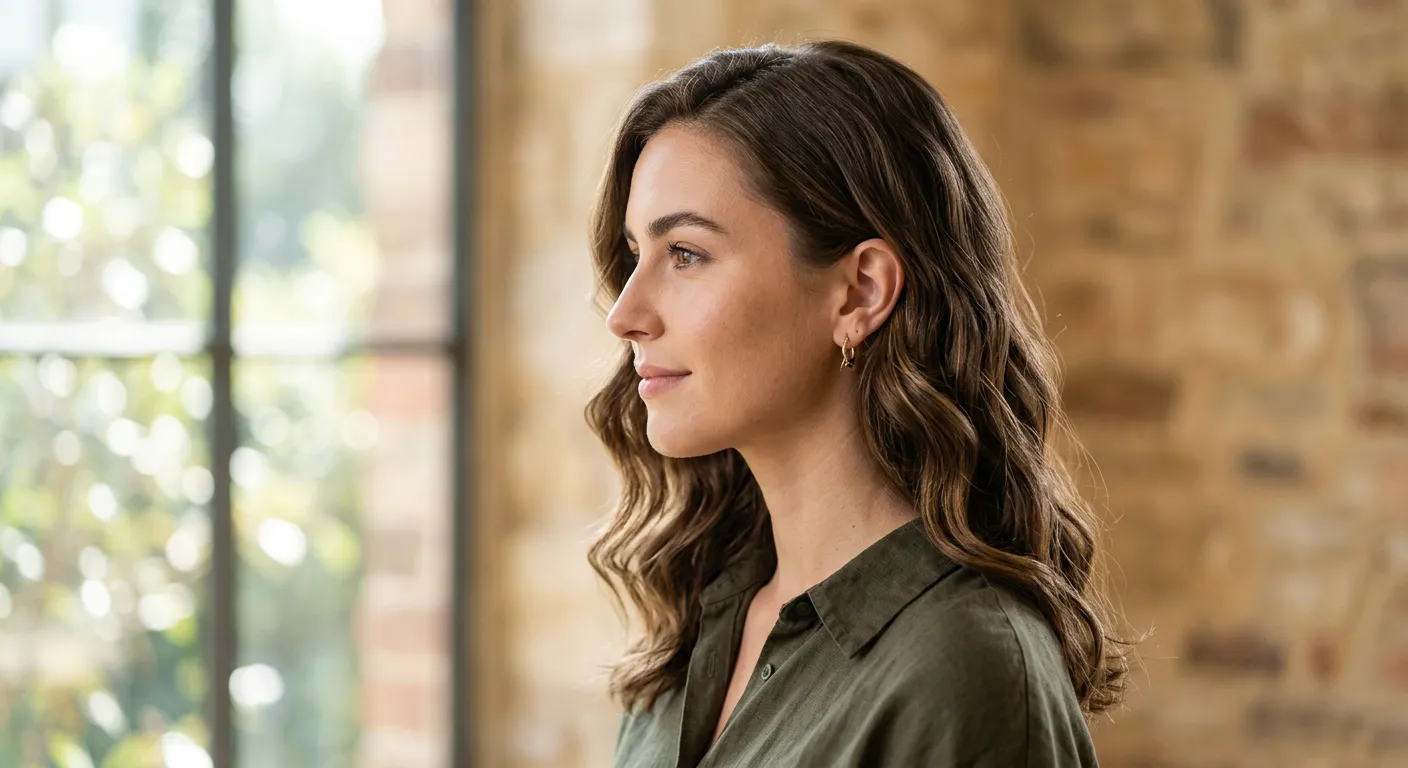
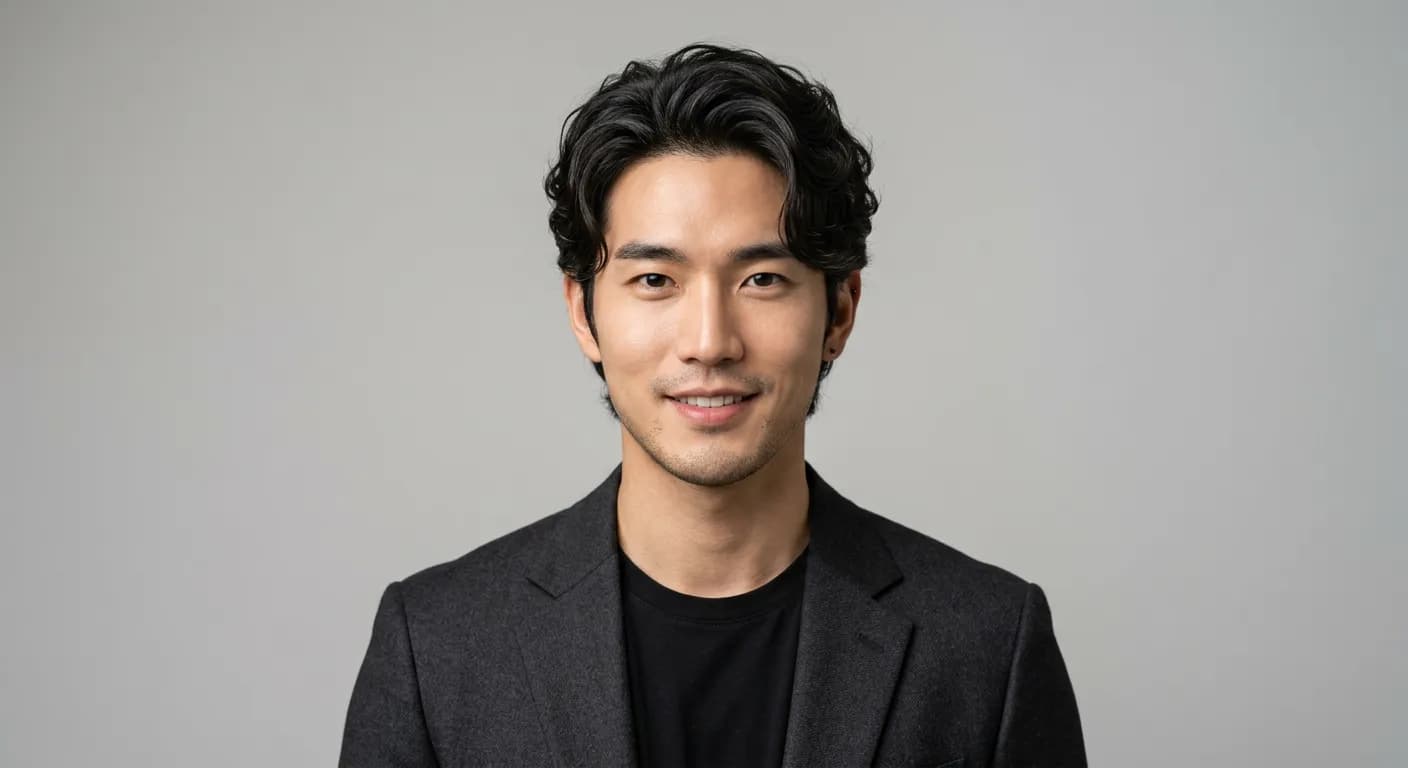
A long bob hitting the collarbone is arguably the single best cut for wavy hair. It is short enough to maintain easily but long enough for the waves to develop their full shape. Long layers starting below the chin keep weight distributed and prevent the dreaded triangle effect where wavy hair puffs out at the bottom. A shag with curtain bangs leans into the messy, textured quality of waves and requires almost no styling. For longer hair, face-framing layers with subtle internal layering keep the length while letting each wave pattern express itself. If you want something shorter, a textured bob or even a wavy pixie works beautifully, though shorter cuts require more frequent trims to maintain their shape.

Best Wavy Hairstyles for Men
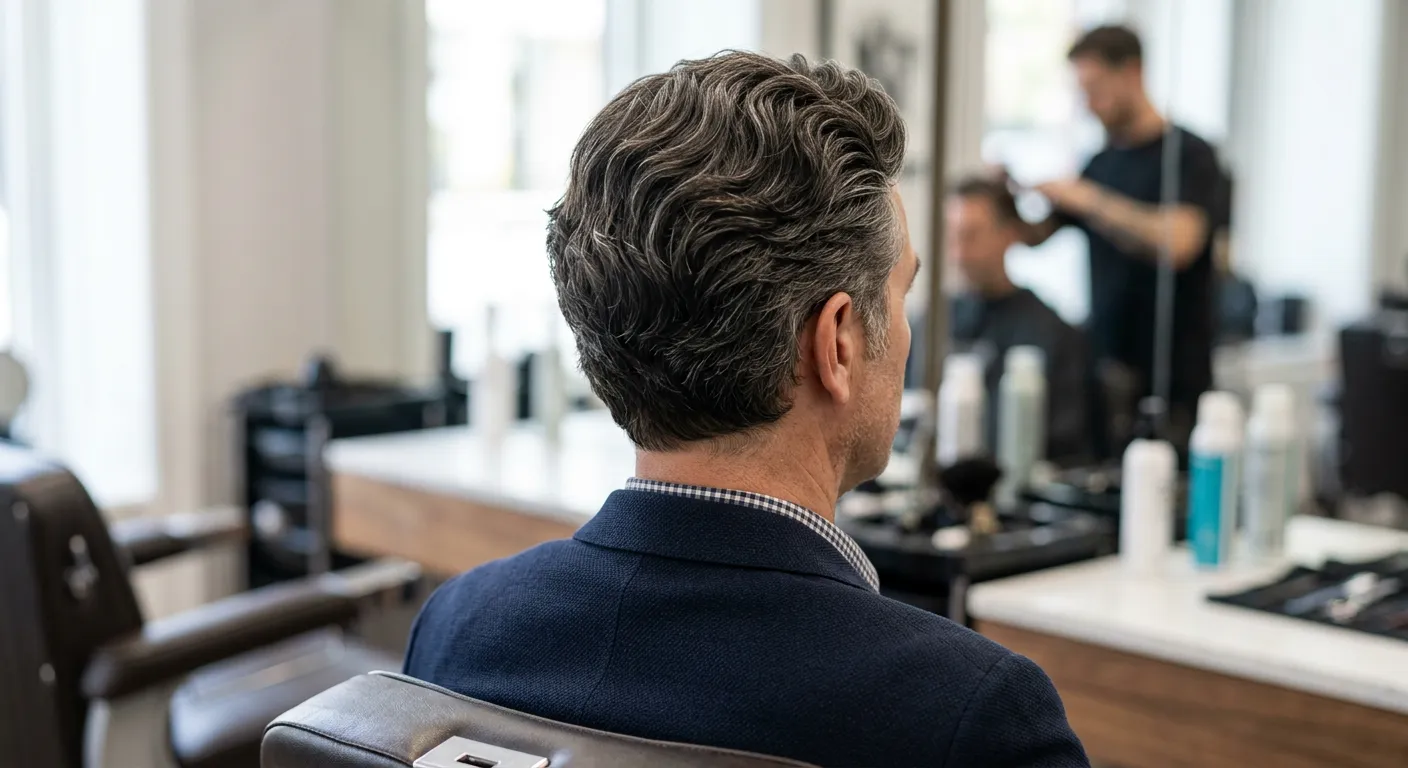
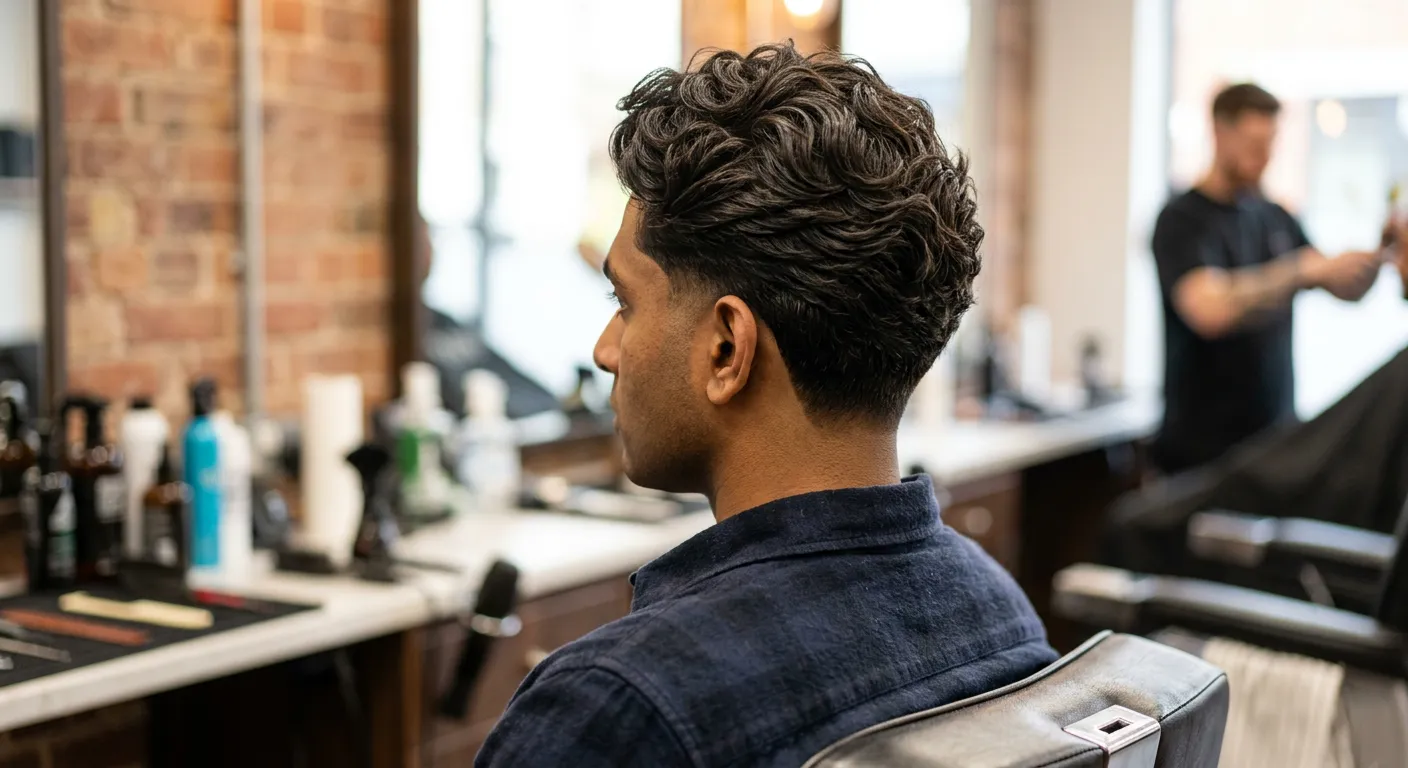
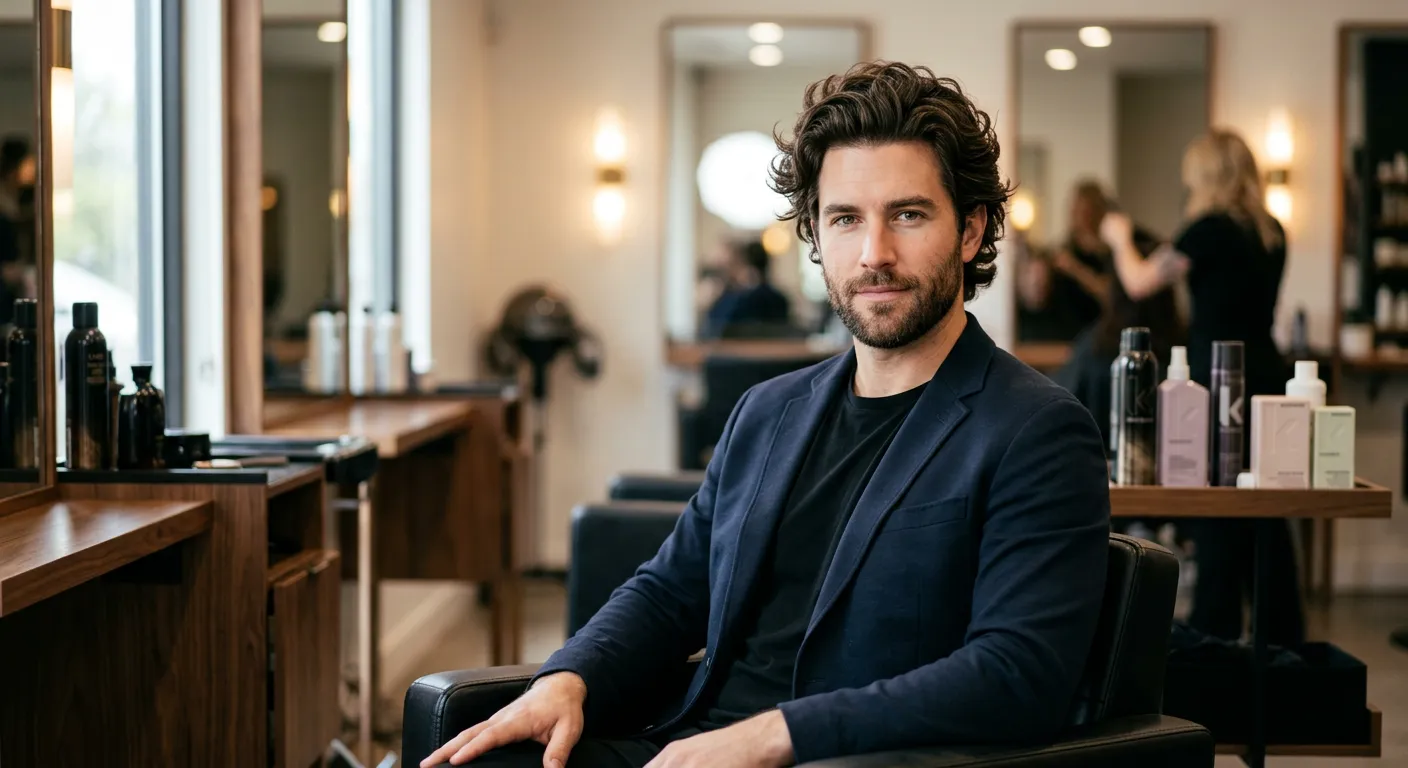
Men with wavy hair have a natural advantage when it comes to texture. A medium-length textured crop is one of the easiest styles to maintain because the waves do most of the styling work for you. A wavy quiff or pompadour uses the natural bend to create volume and height on top without heavy product. Longer wavy styles, think shoulder-length flow hair, look great with a middle part and minimal layering. For shorter options, a wavy crew cut or a French crop with a fade lets the texture show on top while keeping the sides clean. The key with all men's wavy styles is avoiding cuts that are too short on top, because waves need at least two inches of length to actually form.



How to Ask Your Stylist
The most important thing to communicate is that you want a cut designed to work with your natural texture, not against it. Ask your stylist to cut your hair while it is dry, or at least to check the shape on dry hair before finalizing. Wet cutting can be misleading with wavy hair because waves shrink and shift as they dry. Request layers that remove bulk without sacrificing the wave pattern. Avoid heavy thinning shears on the ends, which can create frizz. Instead, ask for point cutting or slide cutting to texturize. If you are unsure about length, go longer than you think. You can always go shorter at a follow-up, but you cannot add length back.
Styling Techniques That Actually Work
The best technique for most wavy hair is to stop fighting it. Apply a lightweight mousse or wave cream to damp hair, scrunch upward to encourage the wave pattern, and either air dry or diffuse on low heat. Do not touch your hair while it dries because that is what causes frizz. Once fully dry, you can break up any crunchy spots by scrunching again with dry hands or a tiny drop of oil. For a more polished wave, wrap sections around a large-barrel curling iron, alternating directions, then brush through lightly for a uniform, beachy look. Overnight braids on damp hair create consistent waves without any heat damage.

Products and Care for Wavy Hair
Wavy hair tends toward dryness because the bends in the shaft make it harder for natural oils to travel down the strand. Use a sulfate-free shampoo and a moisturizing conditioner, and wash every two to three days rather than daily. A leave-in conditioner or wave cream applied to damp hair is the foundation product for most wavy styles. Sea salt spray adds grip and beachy texture but can be drying if overused, so alternate it with a hydrating styler. Avoid heavy oils and silicone-based serums that weigh waves down and turn them limp. For hold, a lightweight mousse outperforms gel for wavy hair because it supports the pattern without creating a stiff, crunchy cast.

Common Wavy Hair Mistakes to Avoid
Brushing wavy hair when dry breaks up the wave pattern and creates a frizzy, shapeless mess. If you need to detangle, do it in the shower with conditioner and a wide-tooth comb. Over-washing strips the natural oils that keep waves defined and hydrated. Skipping regular trims lets the ends get scraggly, which makes the whole style look unkempt rather than effortlessly textured. Using products designed for straight hair, especially anything with heavy silicones or alcohol-based sprays, works against your natural texture instead of enhancing it. Finally, applying heat every day defeats the purpose of having natural waves. Embrace the texture and save the flat iron for special occasions.