


Haircuts for Straight Hair: The Most Flattering Styles and How to Choose
Straight hair is a beautiful blank canvas, but it also comes with a unique challenge: the wrong cut can leave it looking flat, limp, or shapeless. The right cut, though, makes straight hair look intentional and polished in a way that other textures have to work much harder to achieve. It all comes down to choosing a style that adds structure, movement, or both.

What Makes Straight Hair Different
Straight hair lies flat against the head because the follicles grow in a round shape, producing strands with no curl or wave pattern. This means it reflects light evenly, giving it that signature sleek shine — but it also means there's no natural texture to create volume or movement. Every bit of body has to come from the cut itself or from styling. Oil from the scalp also travels down straight strands faster than curly ones, which is why straight hair can look greasy sooner. Understanding these traits is the key to picking a haircut that actually works with your hair rather than against it. The best cuts for straight hair either add visual texture through layering and angles, or embrace the sleekness with strong, clean lines.

Who Should Consider These Styles
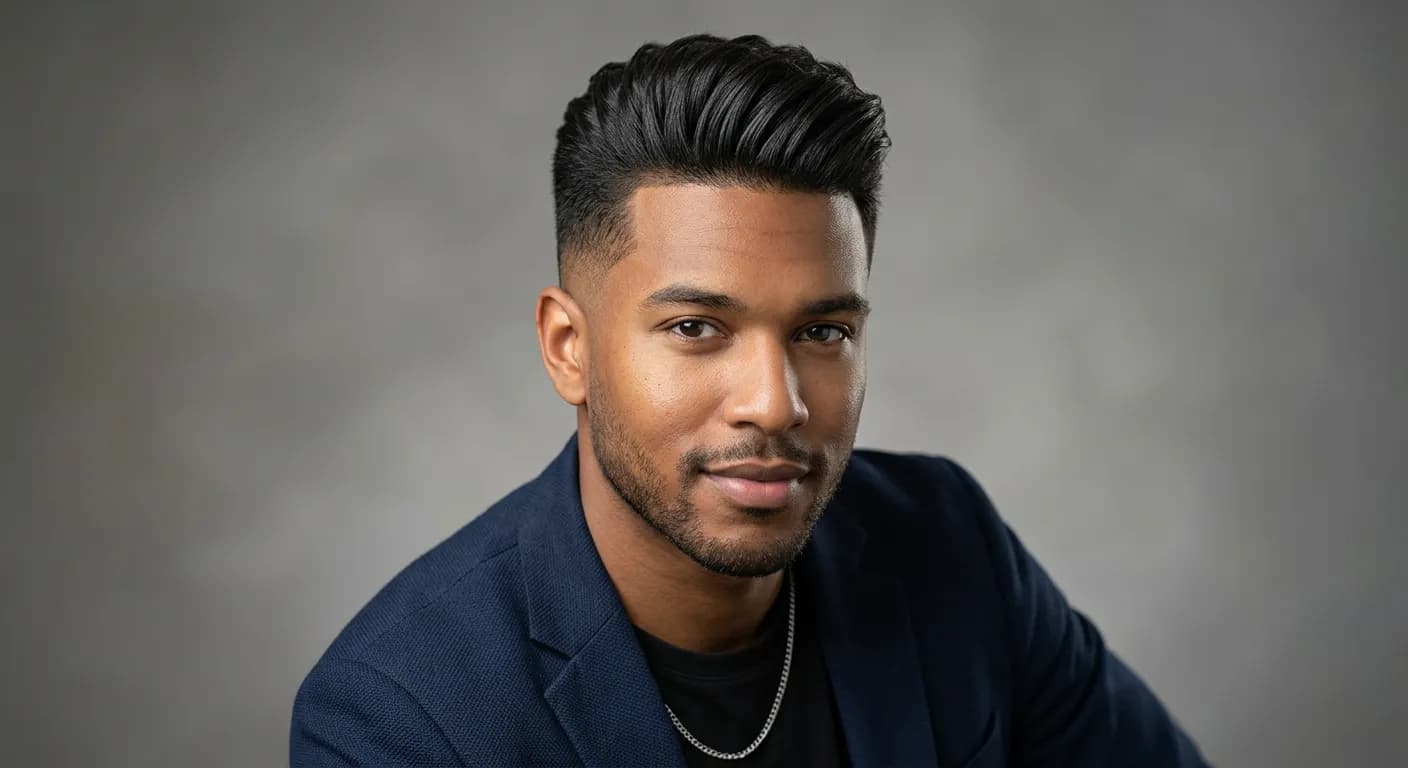
If your hair air-dries without any bend, wave, or curl — perfectly pin-straight — this guide is for you. But it's also relevant if you have hair that's mostly straight with just the slightest hint of movement, since these cuts will enhance that subtle texture. Pay attention to your hair's density and thickness too. Fine straight hair benefits from cuts that create the illusion of fullness (blunt edges, strategic layering). Thick straight hair benefits from cuts that remove weight and add movement (long layers, texturized ends). Your face shape matters as well — we'll get into specific pairings below — but the overarching principle is that straight hair needs a cut with clear intention, because it shows exactly what the stylist did.

Variations and Ideas
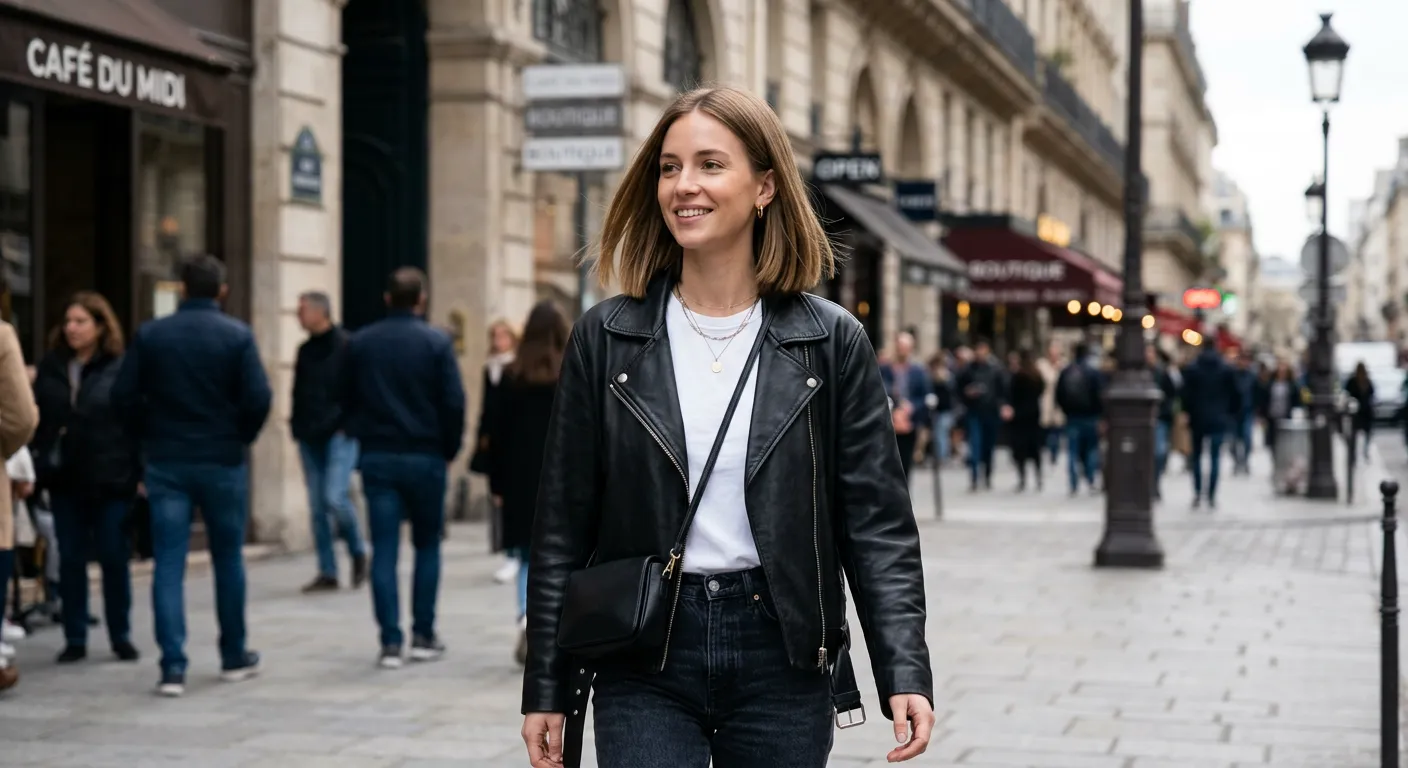
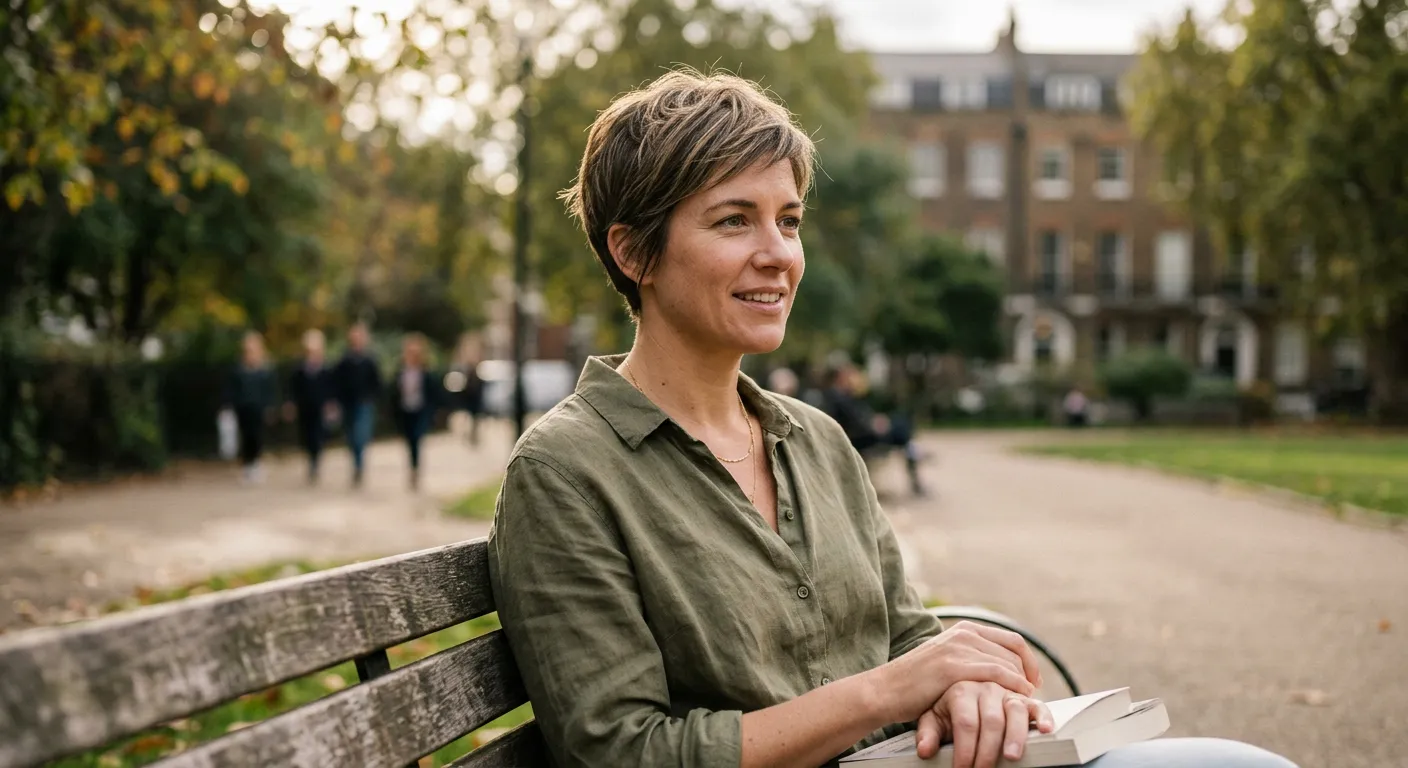
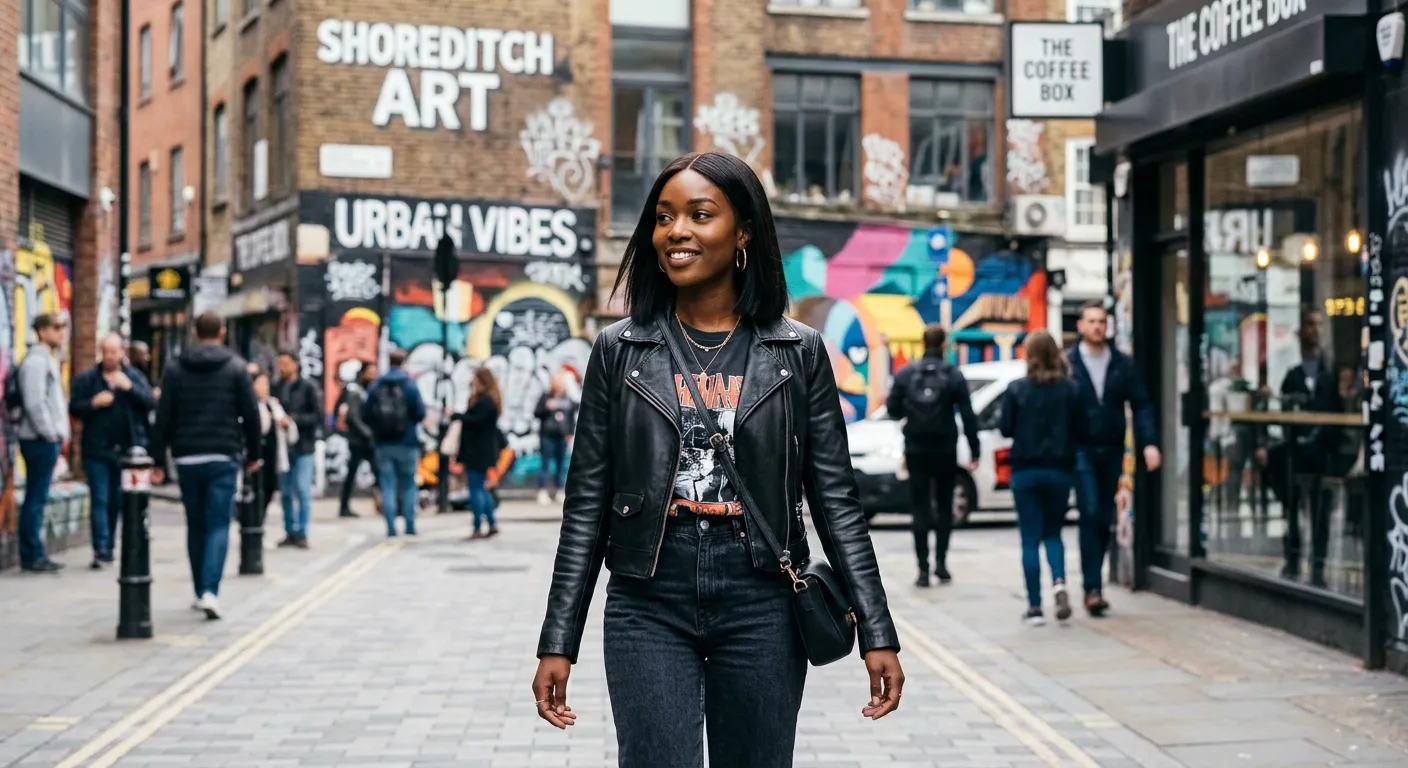
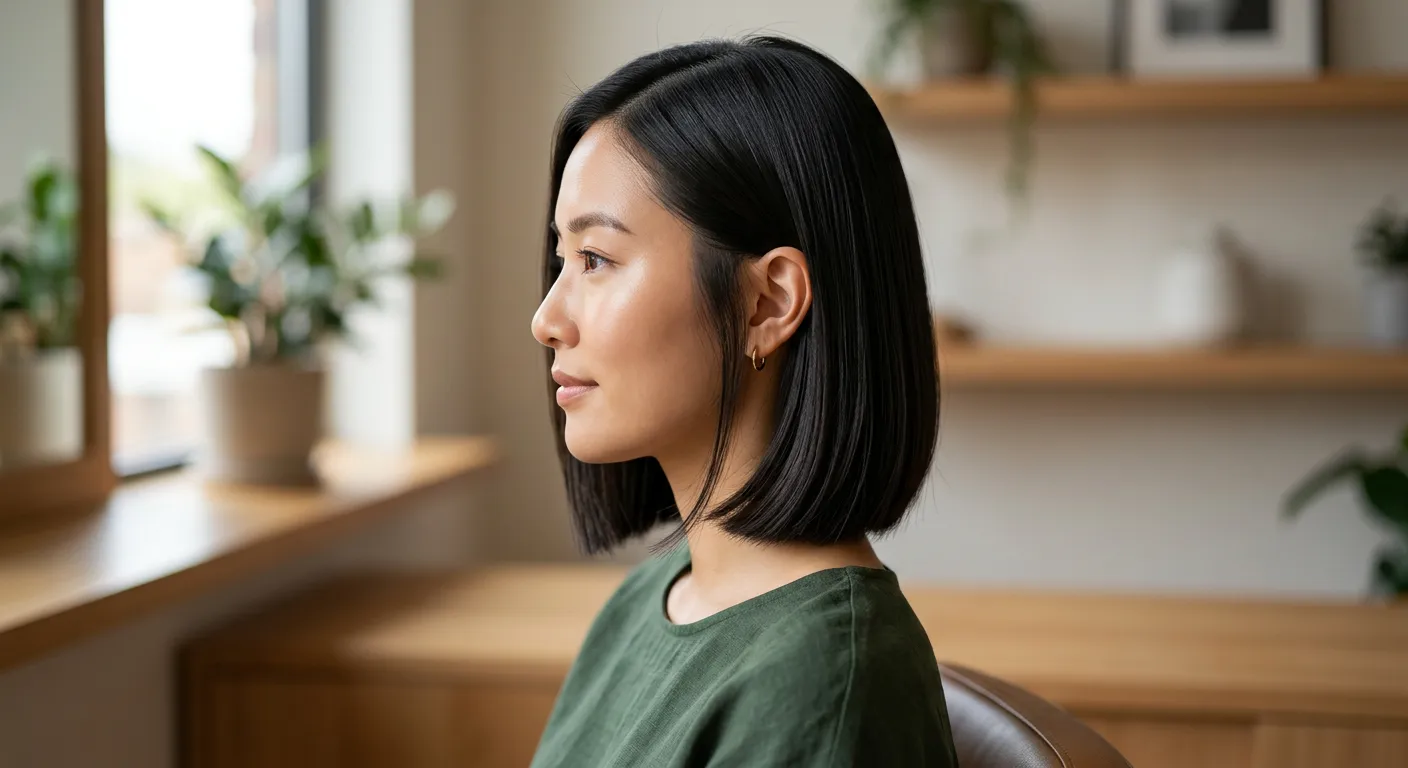
The blunt bob is a powerhouse on straight hair — the clean, sharp edge looks crispest on hair that lies flat naturally. Long layers add movement to mid-length and long straight hair without sacrificing fullness. A lob with face-framing layers is the versatile middle ground: structured enough to have shape, soft enough to feel effortless. The curtain-bangs-plus-layers combination brings dimension to the front, breaking up a one-length look. For shorter styles, a sleek pixie cut showcases straight hair's natural shine and requires minimal styling. A blunt cut at any length plays to straight hair's strengths — the cleaner the edge, the thicker and more intentional it looks. Textured crops and shags can work beautifully too, though they typically require styling products to maintain that piece-y, undone texture since straight hair will naturally want to lie flat.
How to Ask Your Stylist
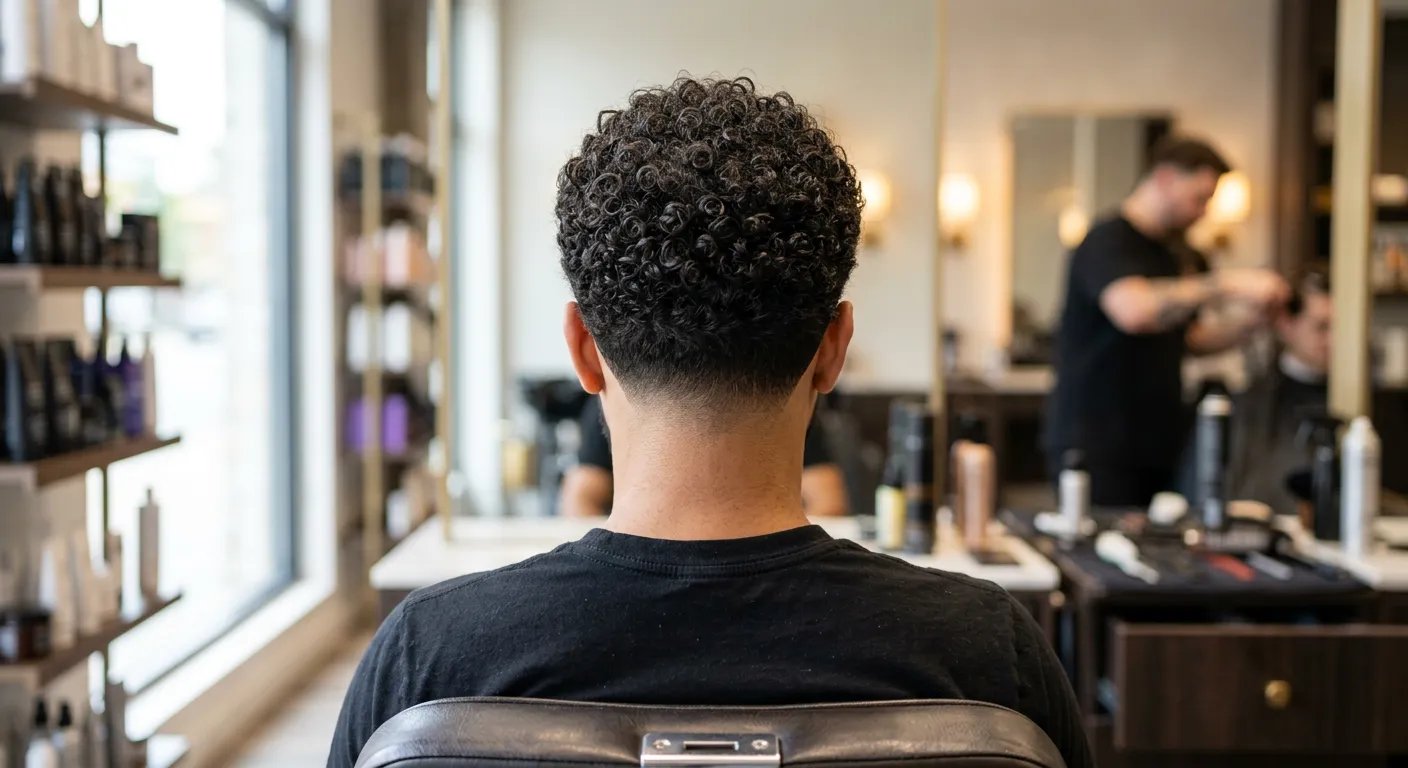
The most important thing to communicate is your daily styling effort level. If you blow-dry and use tools every morning, your stylist can cut for a styled finish. If you air-dry and go, they need to cut for that specifically — the shape has to hold on its own. Be direct about what bothers you: "My hair looks flat at the crown," or "The ends are always wispy." These details guide the cut more than a vague "I want layers." Ask your stylist about internal layering versus external layering — internal layers remove bulk without changing the outline, while external layers create visible movement. For straight hair, a combination of both usually gives the best result. Always bring photos, and don't be shy about pointing out what you don't want as well.


Styling and Maintenance
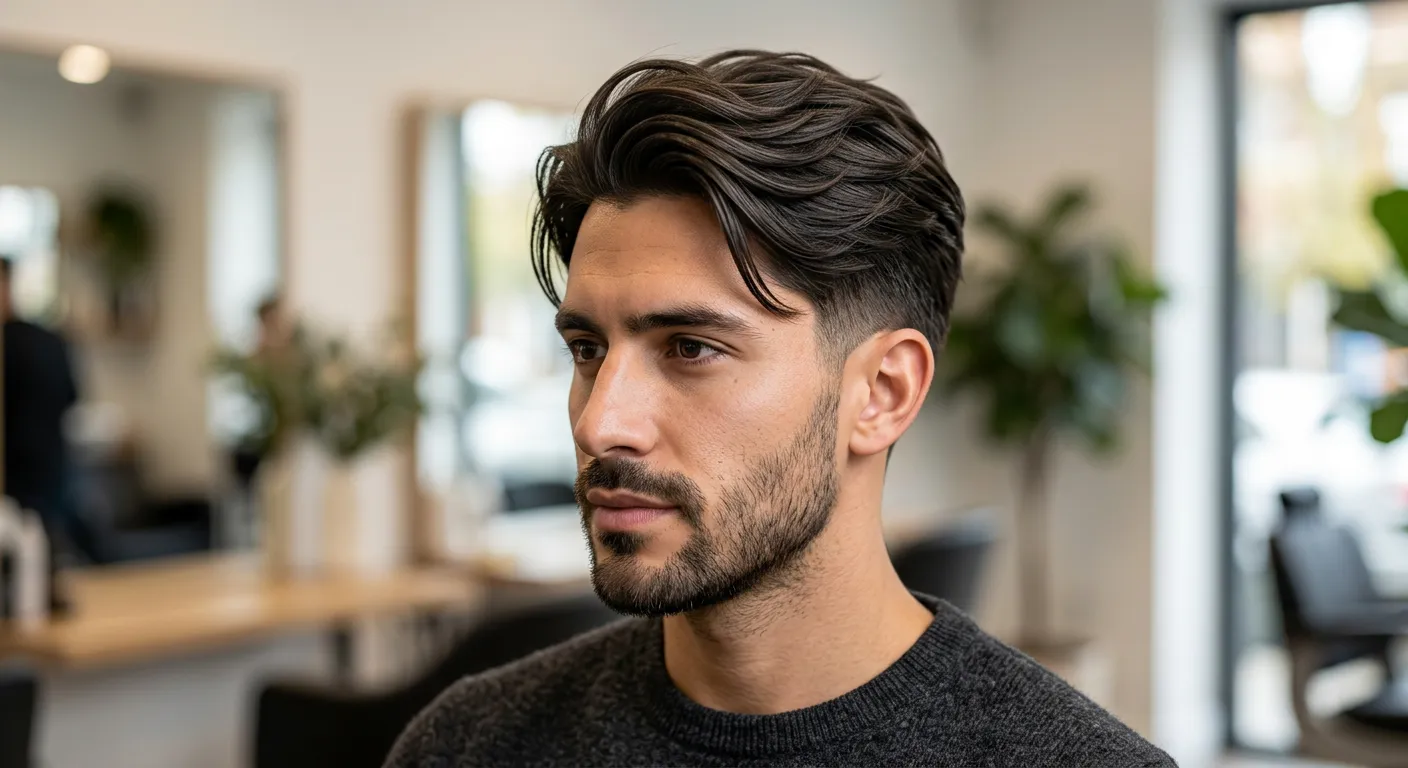
Straight hair has a major advantage: it holds a cut's shape cleanly and doesn't hide imprecise cutting. That same trait means you need to keep the cut maintained, though. Blunt cuts need trims every 6 to 8 weeks or the edge starts looking uneven. Layered cuts can stretch to 8 to 10 weeks. For daily styling, a volumizing spray or mousse at the roots before blow-drying adds body that straight hair lacks naturally. A texturizing spray or dry shampoo can break up that just-washed sleekness on days you want more grit. One underrated tip: try a velcro roller at the crown while you do your makeup — five minutes of set time adds volume that lasts all day. Avoid heavy oils and creams that weigh straight hair down and make it greasy faster. Lightweight serums and mist-style products are your best friends.
Straight Hair Mistakes to Avoid
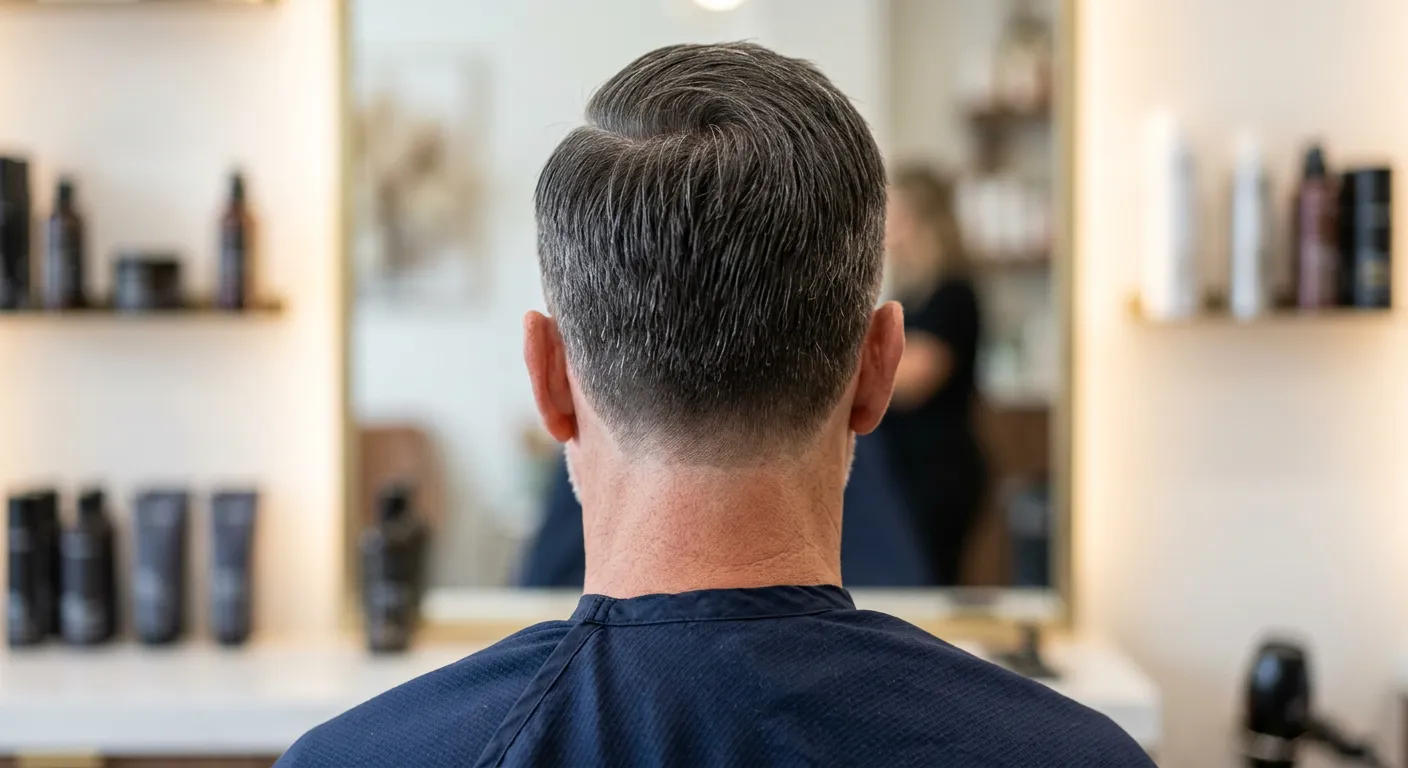
Over-layering fine straight hair thins it out and creates stringy, see-through ends — if your hair is fine, keep layers minimal and opt for blunt edges. Skipping heat protectant before flat-ironing leads to damage that's especially visible on straight hair, since every split end and rough patch catches light differently. Using too much product creates a limp, greasy appearance fast. Washing every single day strips natural oils and triggers overproduction, making the grease cycle worse. And one of the most common mistakes: ignoring the back of the head. Straight hair hangs flat against the back, so your stylist needs to build shape there too — ask about slight graduation or internal layers at the occipital bone to prevent that flat, curtain-like look from behind.