

The Best Haircuts for Thinning Hair: Real Solutions
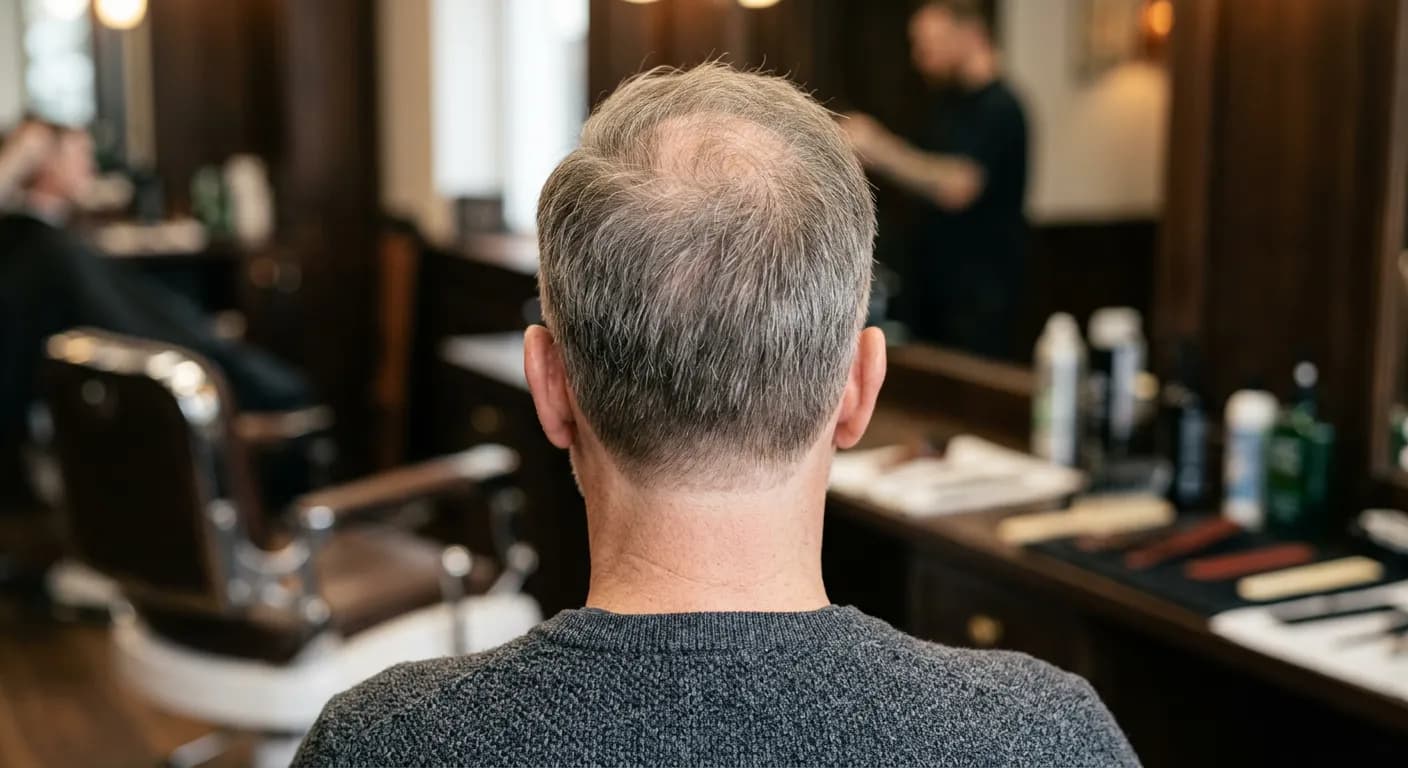
Thinning hair is incredibly common and nothing to be embarrassed about, but finding the right cut can genuinely transform how your hair looks and how you feel about it. The trick is not to disguise thinning but to create the illusion of density through smart cutting techniques and strategic styling. A great stylist who understands thin hair is worth their weight in gold, and the right haircut can make a 30 percent difference in how thick your hair appears.
What Works for Thinning Hair and Why
Hair looks thickest when individual strands sit close together and the scalp is not visible. Two approaches achieve this: cutting hair shorter so strands stand up with more body, or using blunt cuts that keep all the weight at the ends rather than thinning it out. What you want to avoid is excessive layering, razor cutting, or thinning shears, all of which remove bulk that you cannot afford to lose. The goal is to keep every strand you have and arrange it in a way that maximizes coverage and volume.


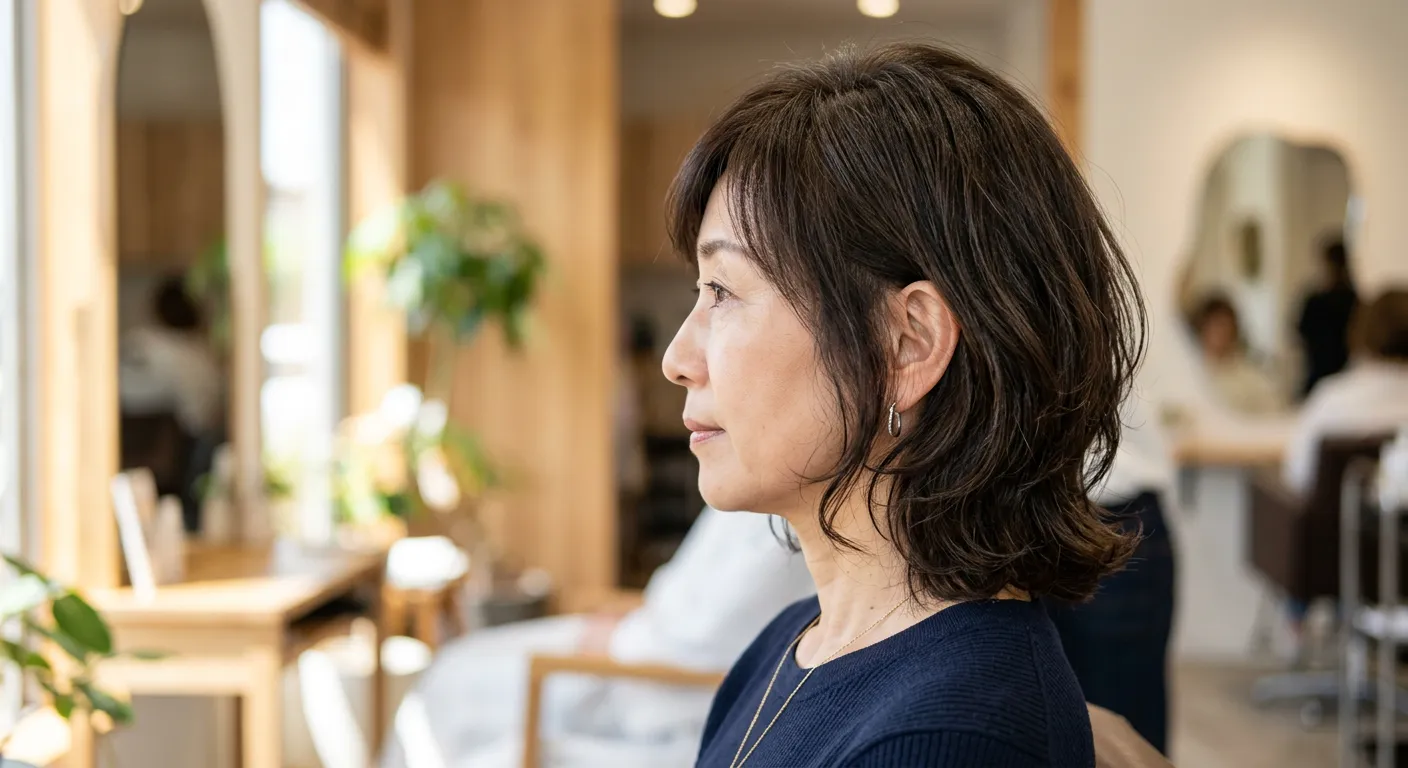
The Blunt Bob
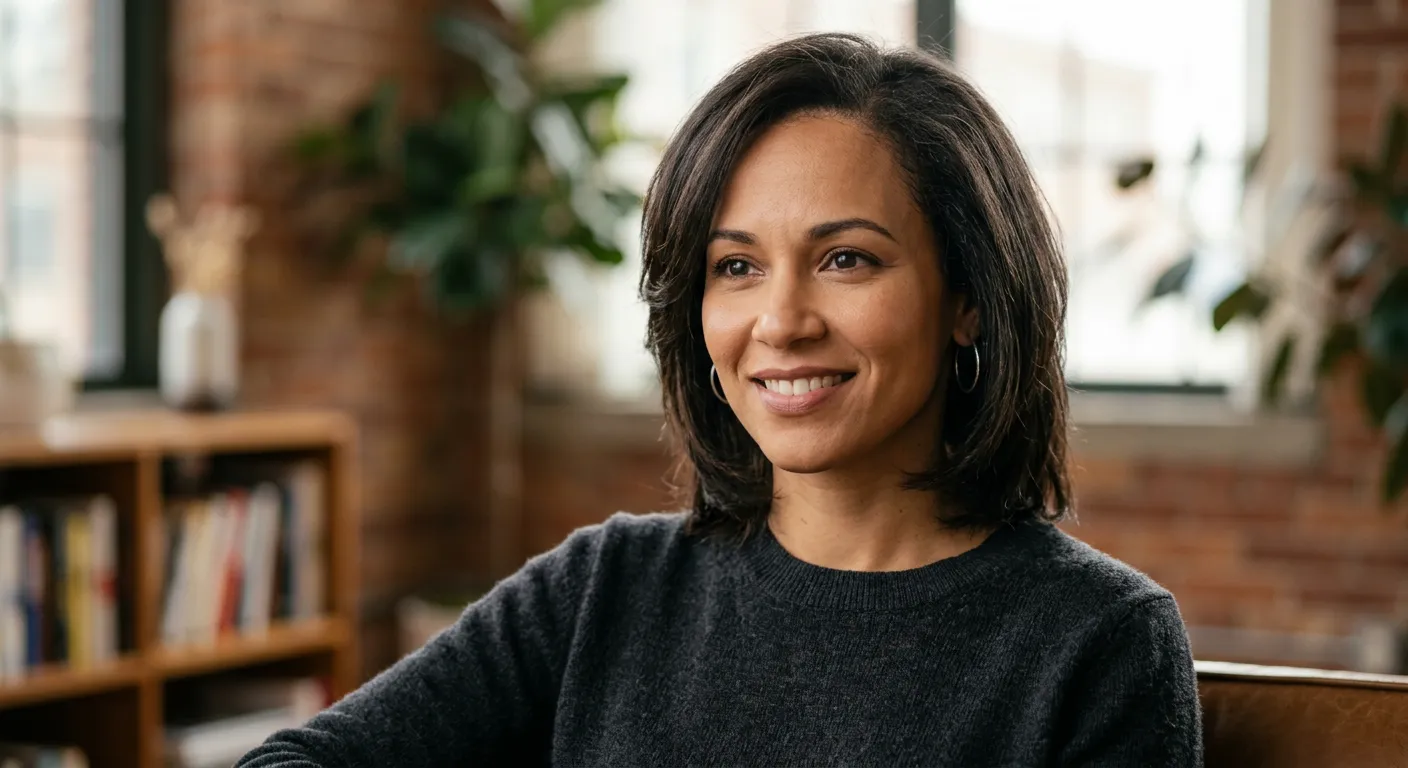
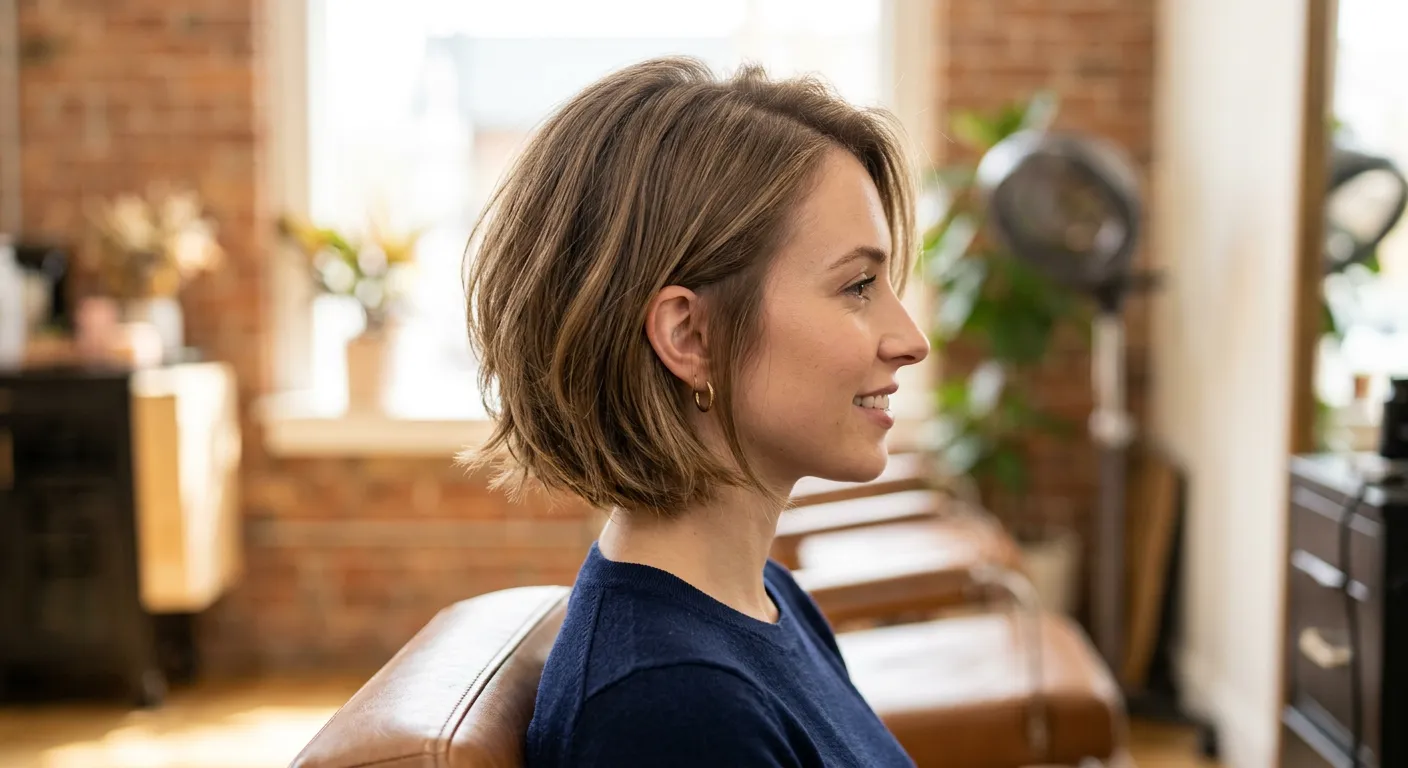
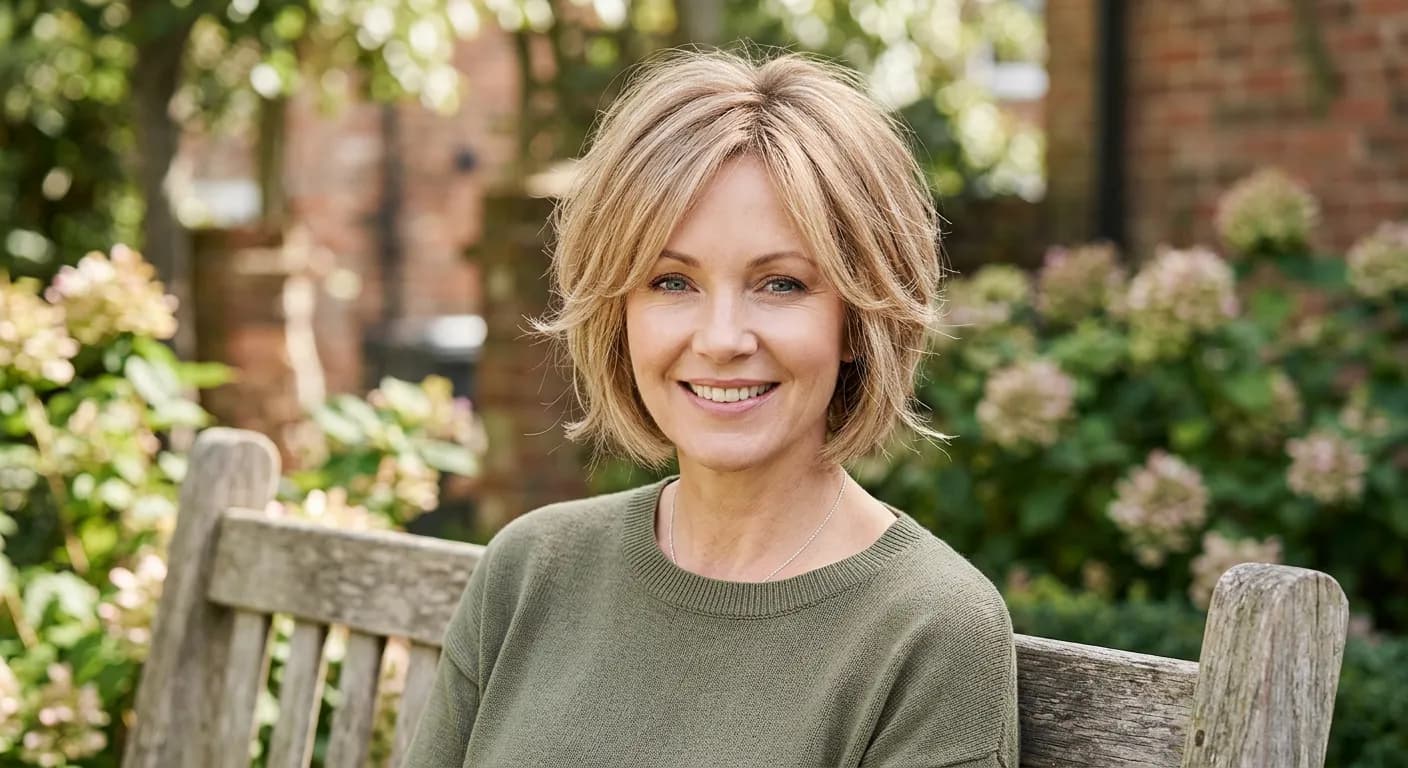
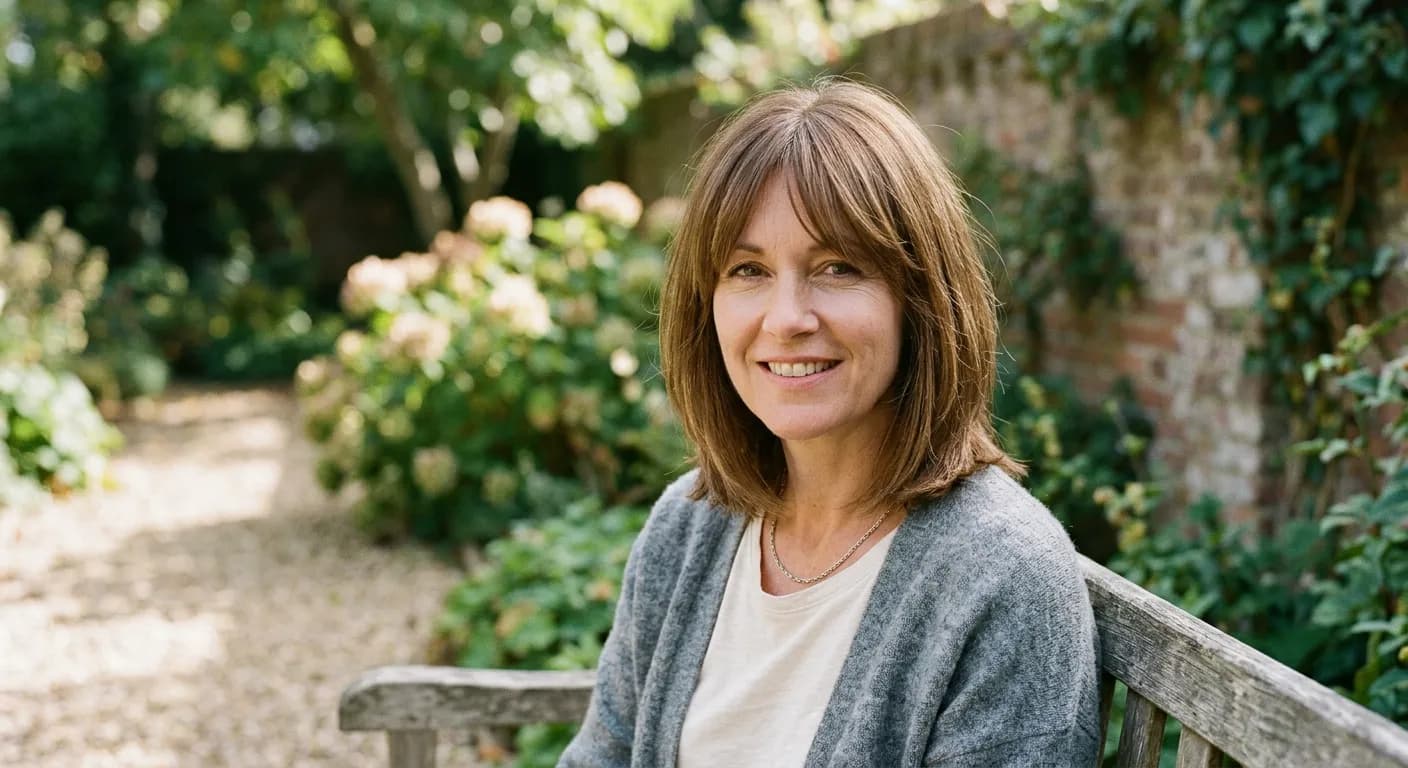
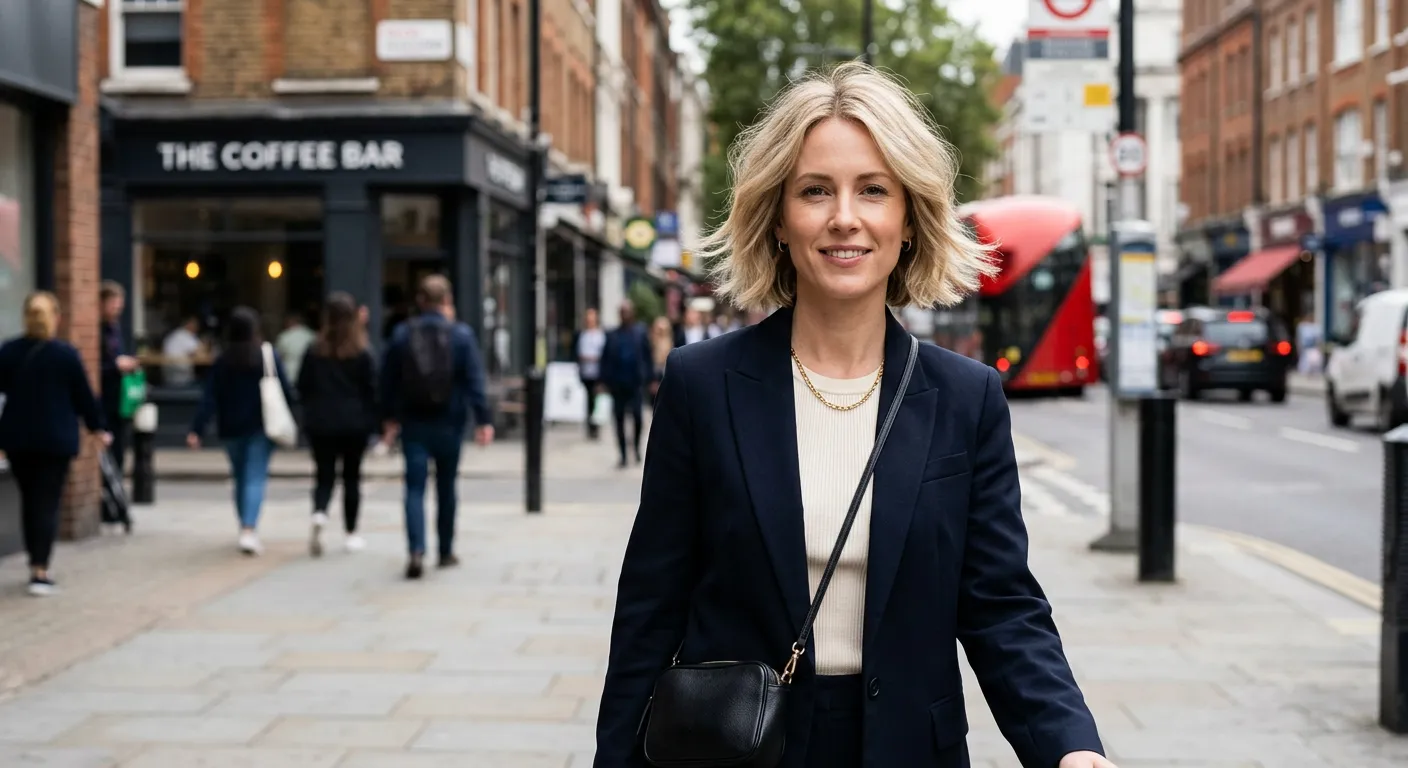
For women with thinning hair, the blunt bob is arguably the single most effective cut. A one-length bob at jaw or collarbone level creates a strong, dense line at the bottom that makes hair look significantly thicker than it is. The absence of layers means no wispy, see-through ends. Ask your stylist for a clean, blunt perimeter with zero internal layers. If you want some movement, subtle face-framing pieces are fine, but keep the overall shape solid. This cut works beautifully on straight and wavy hair and suits oval, square, and heart-shaped faces.
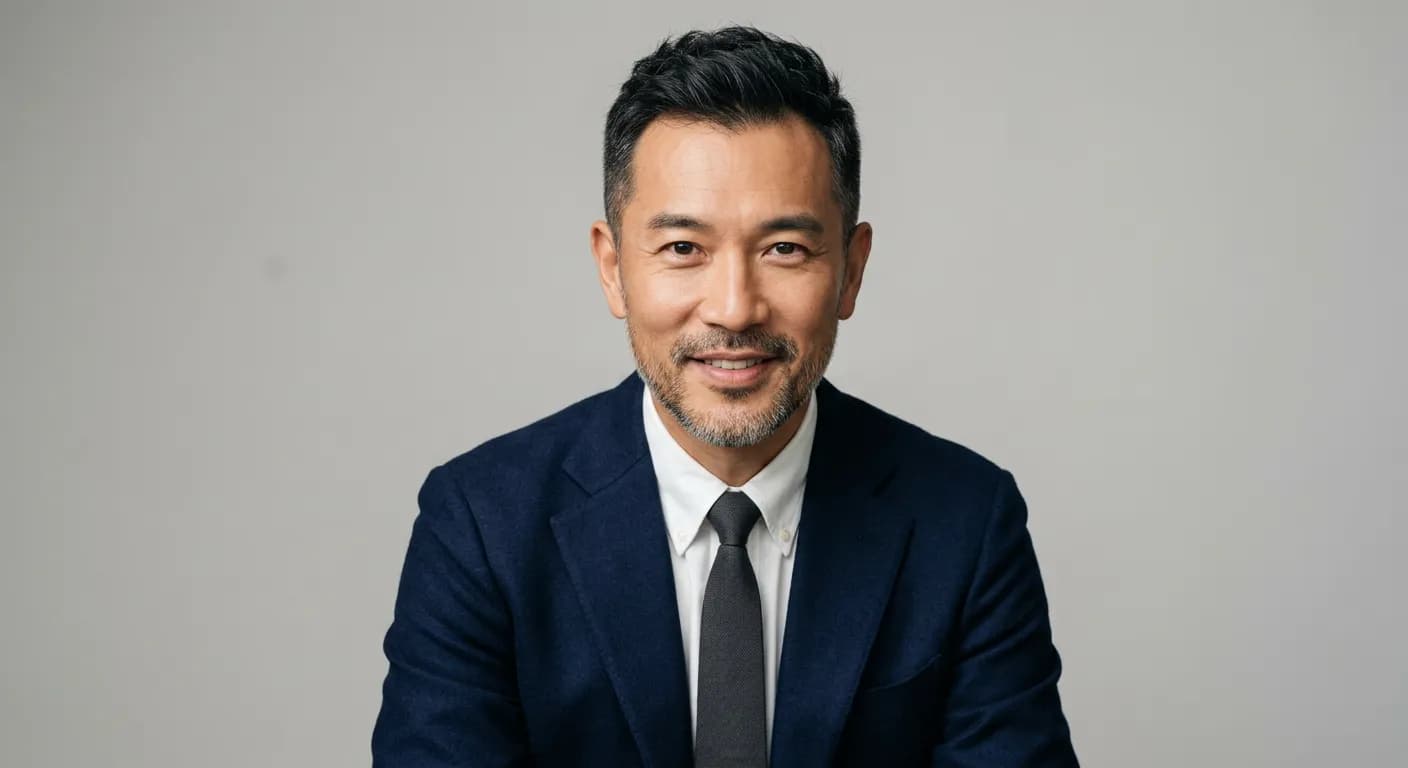
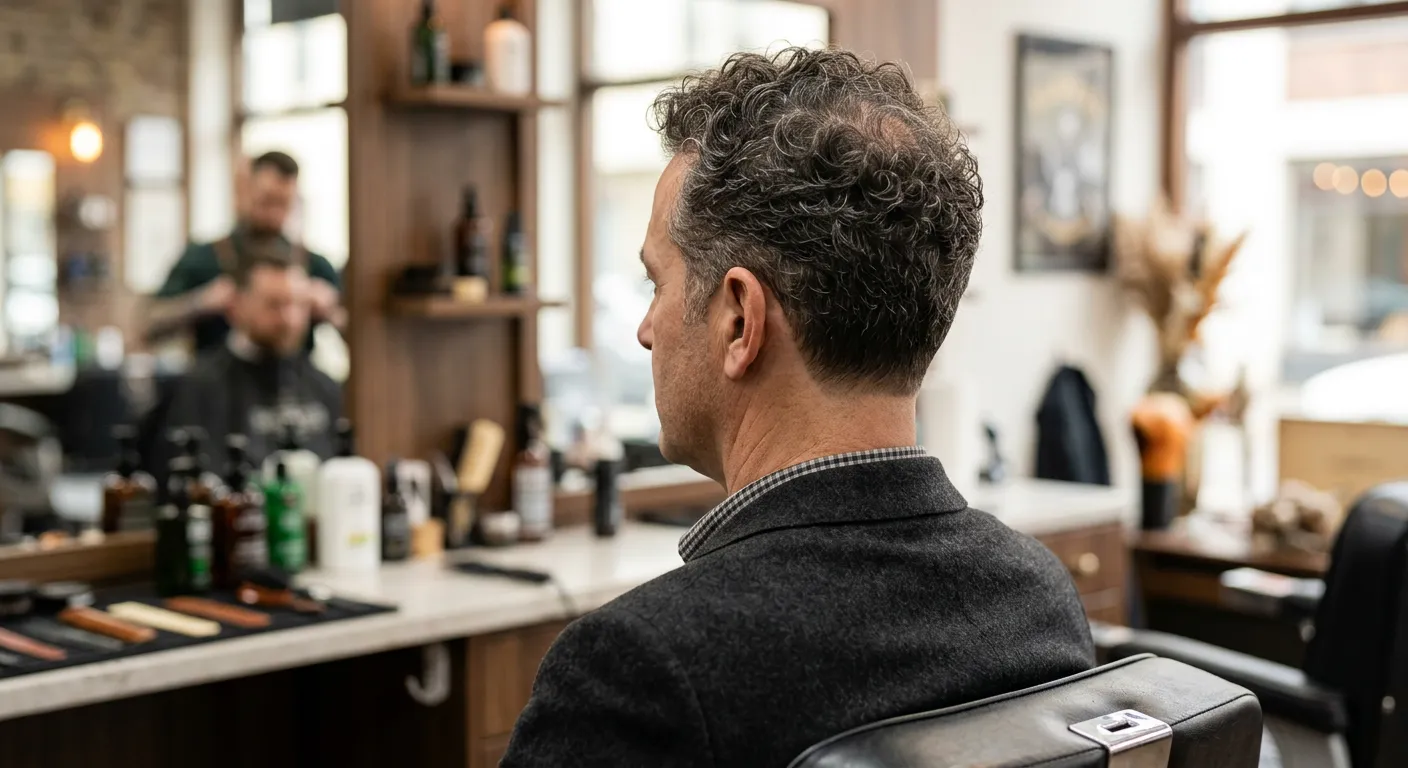
The Textured Crop for Men
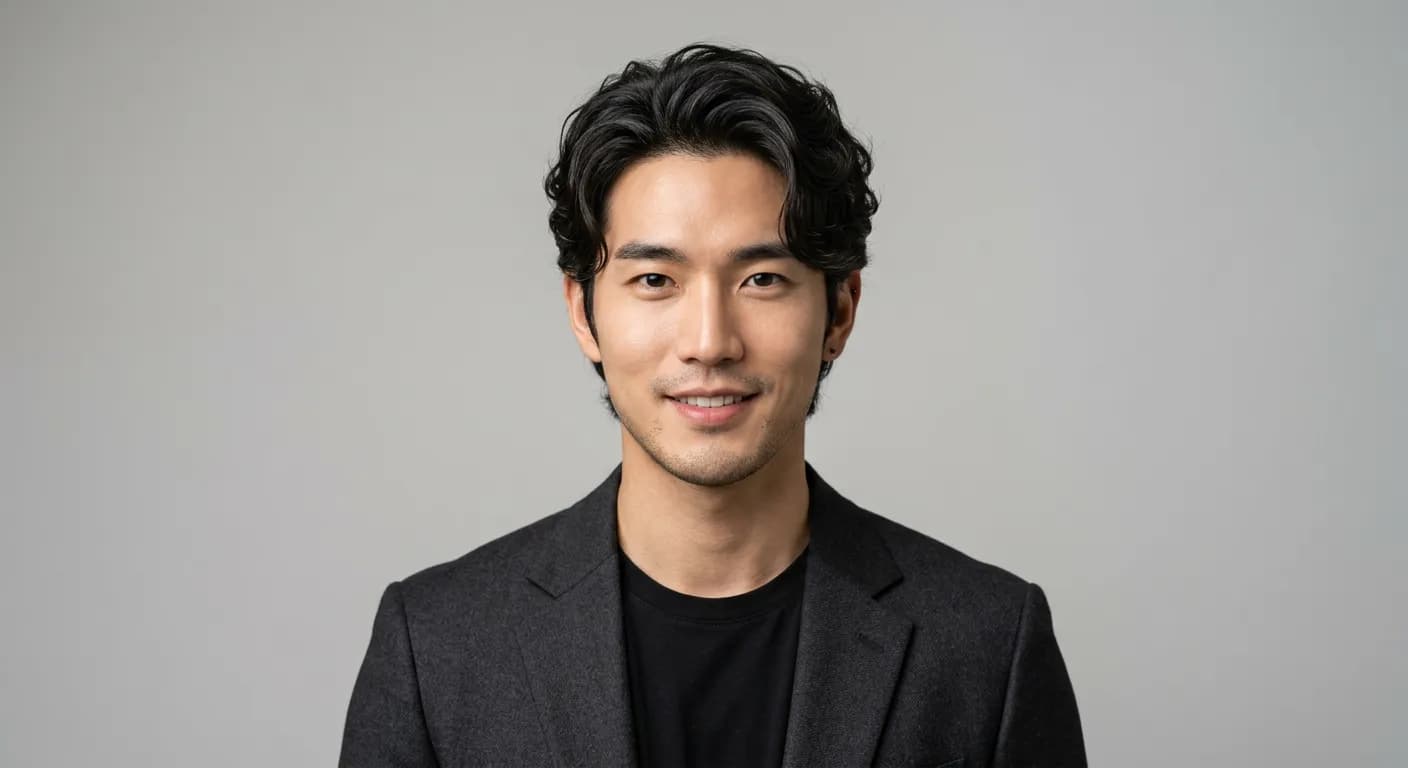
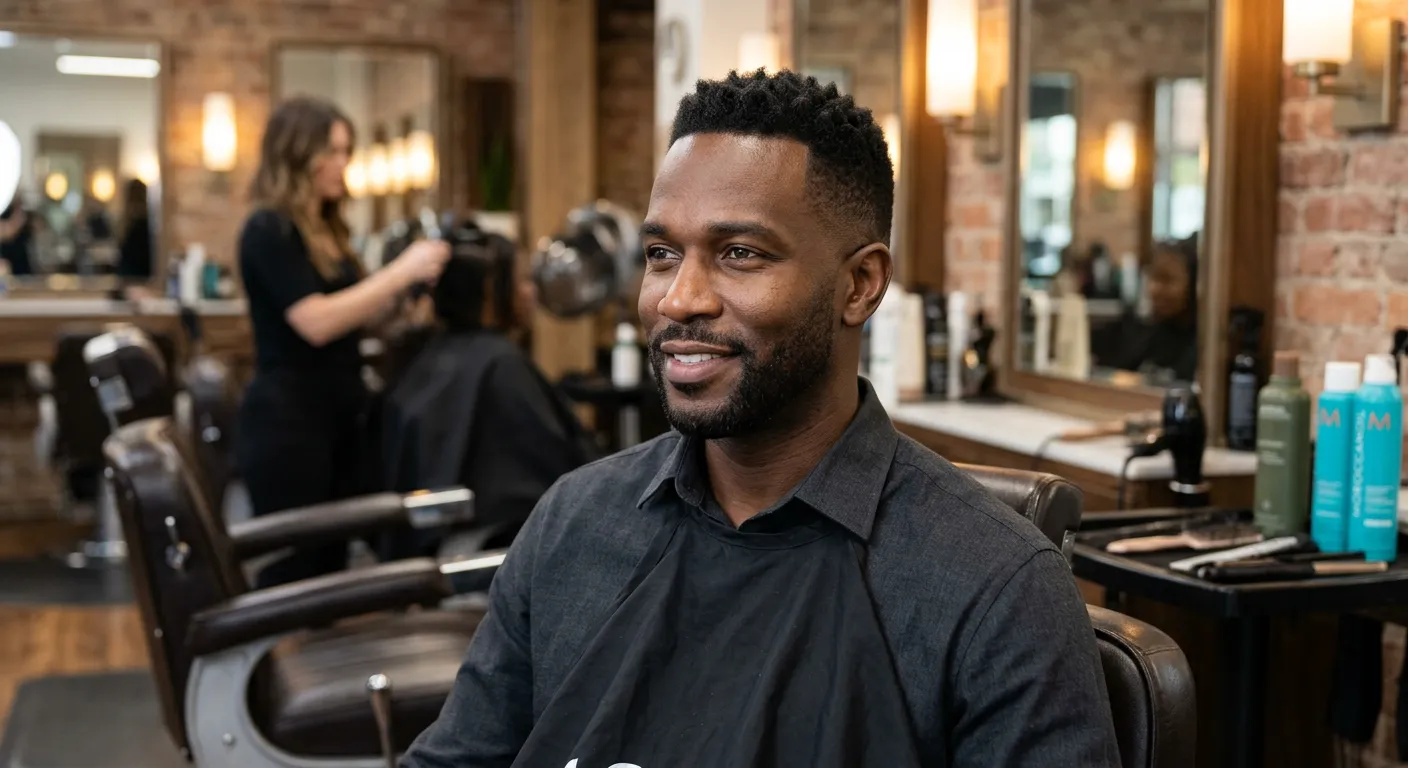
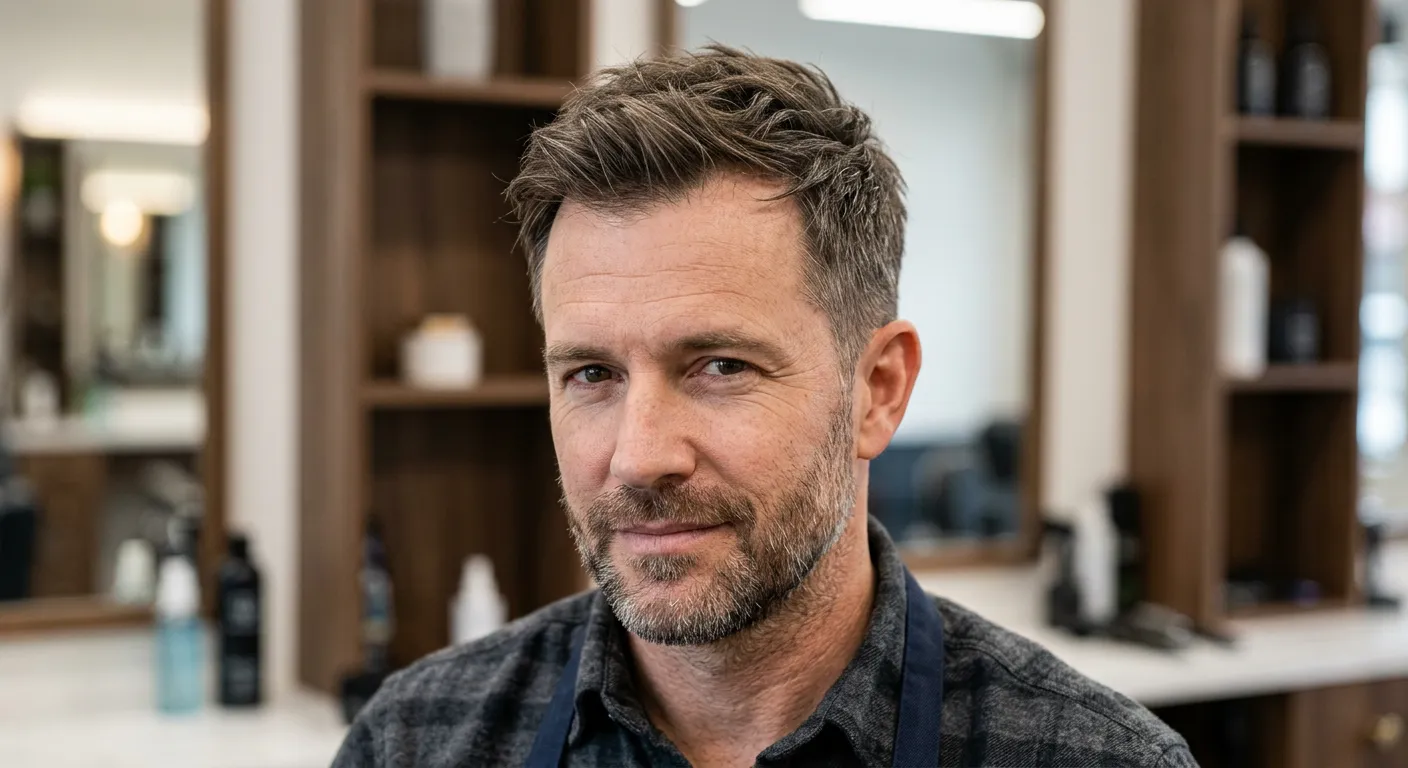
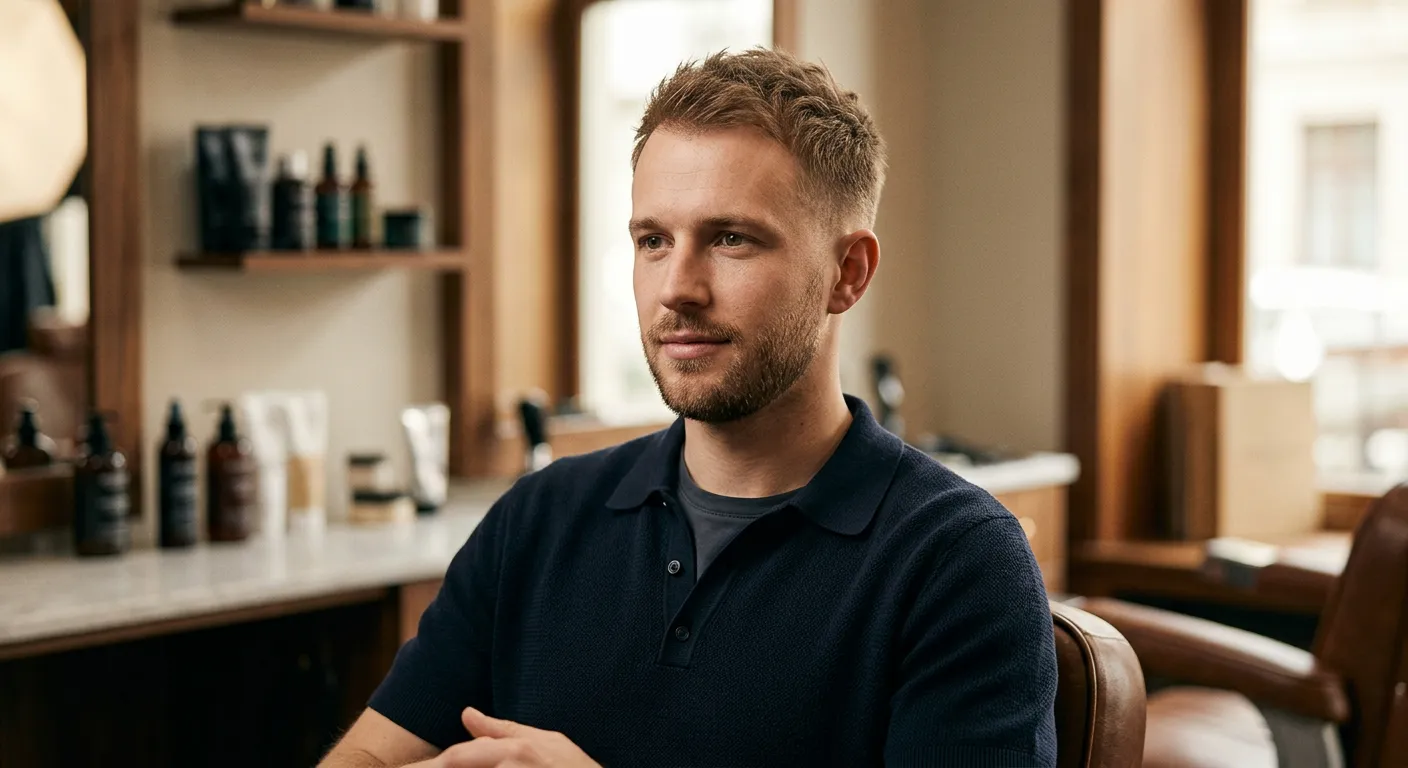
Men dealing with thinning on top benefit enormously from a textured crop. The short, choppy pieces on top create visual density because the eye reads irregular texture as fullness. Pair it with a fade on the sides so the shorter perimeter does not compete with the top. Ask for point-cutting rather than blunt scissor cuts to create that broken-up texture. Keep the top around 1 to 2 inches long. Any longer and gravity starts pulling thin hair flat against the scalp, revealing what you are trying to play down. A matte clay or texture powder activates the layers and adds grip.
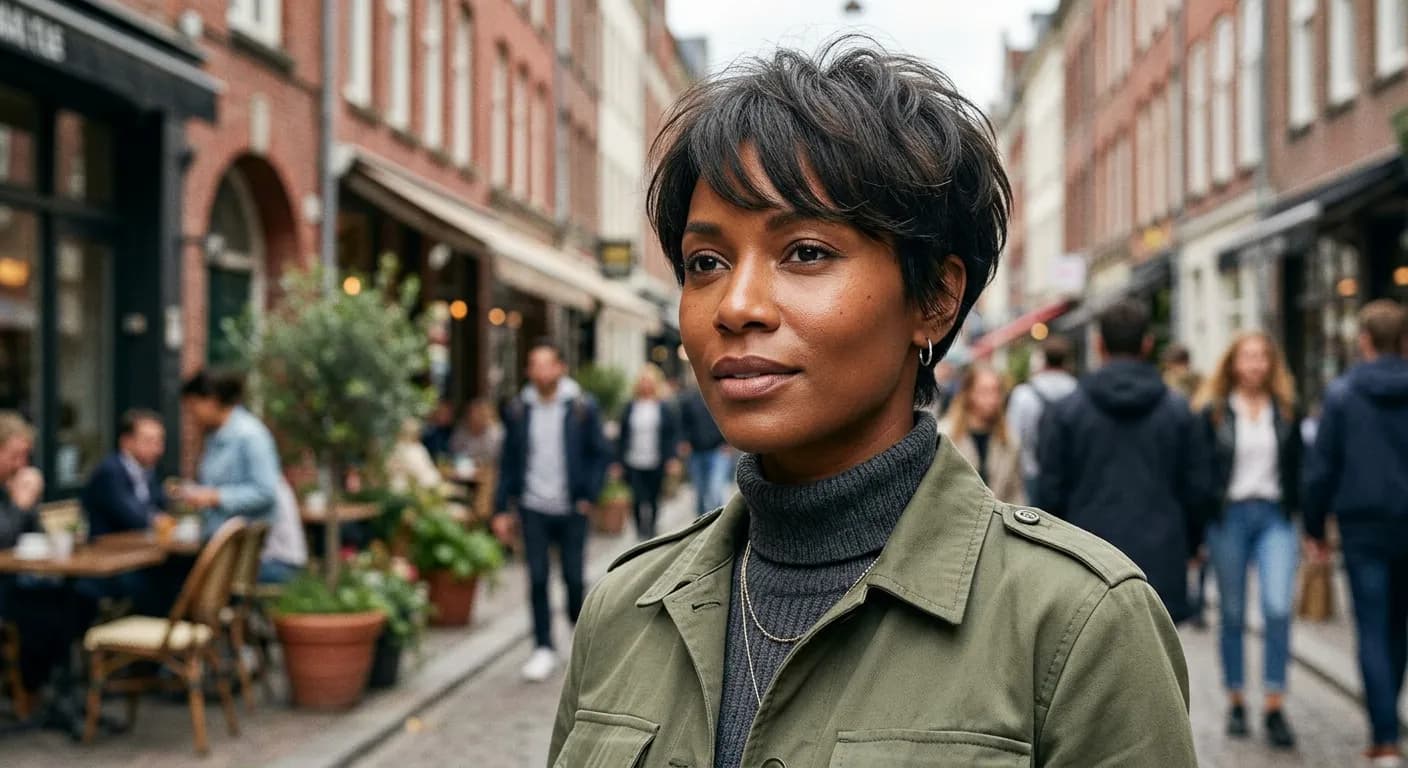
The Pixie Cut
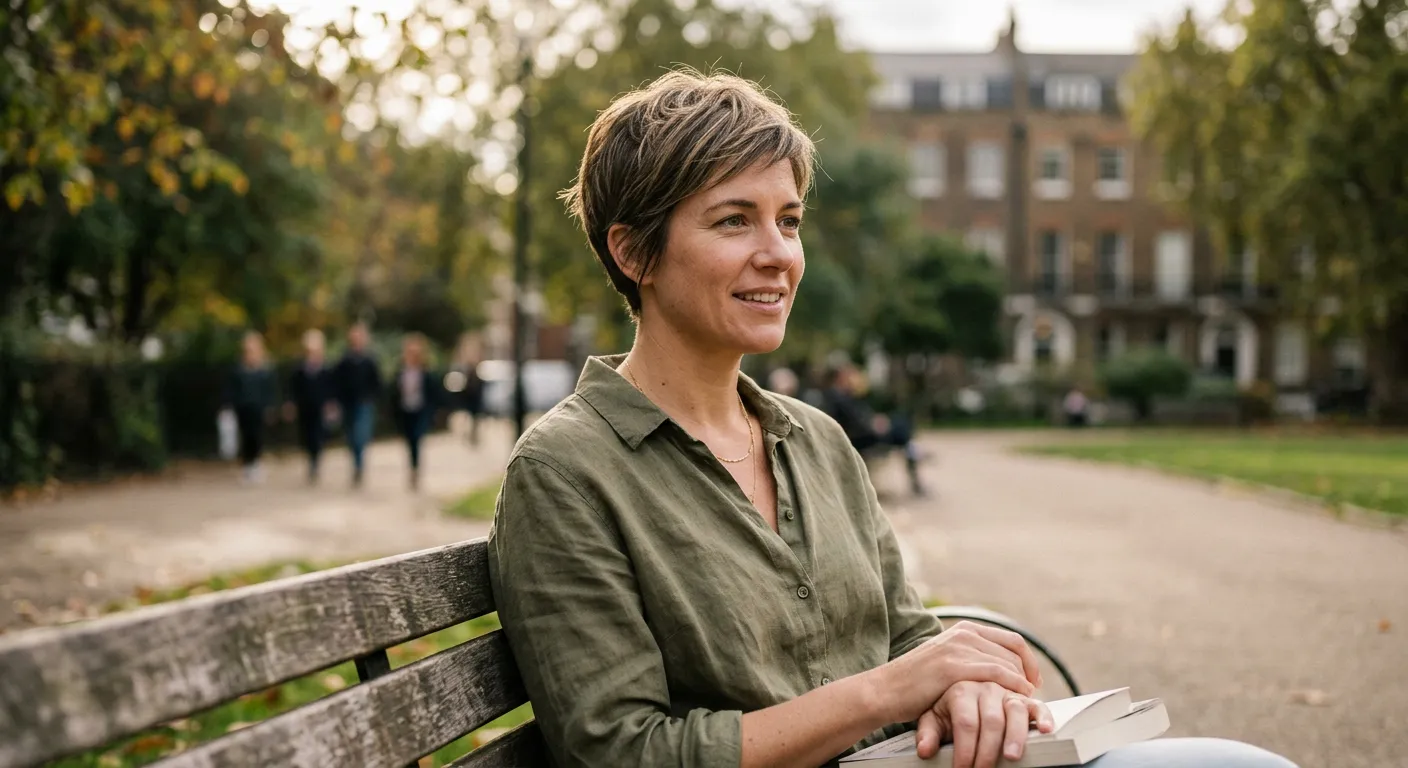
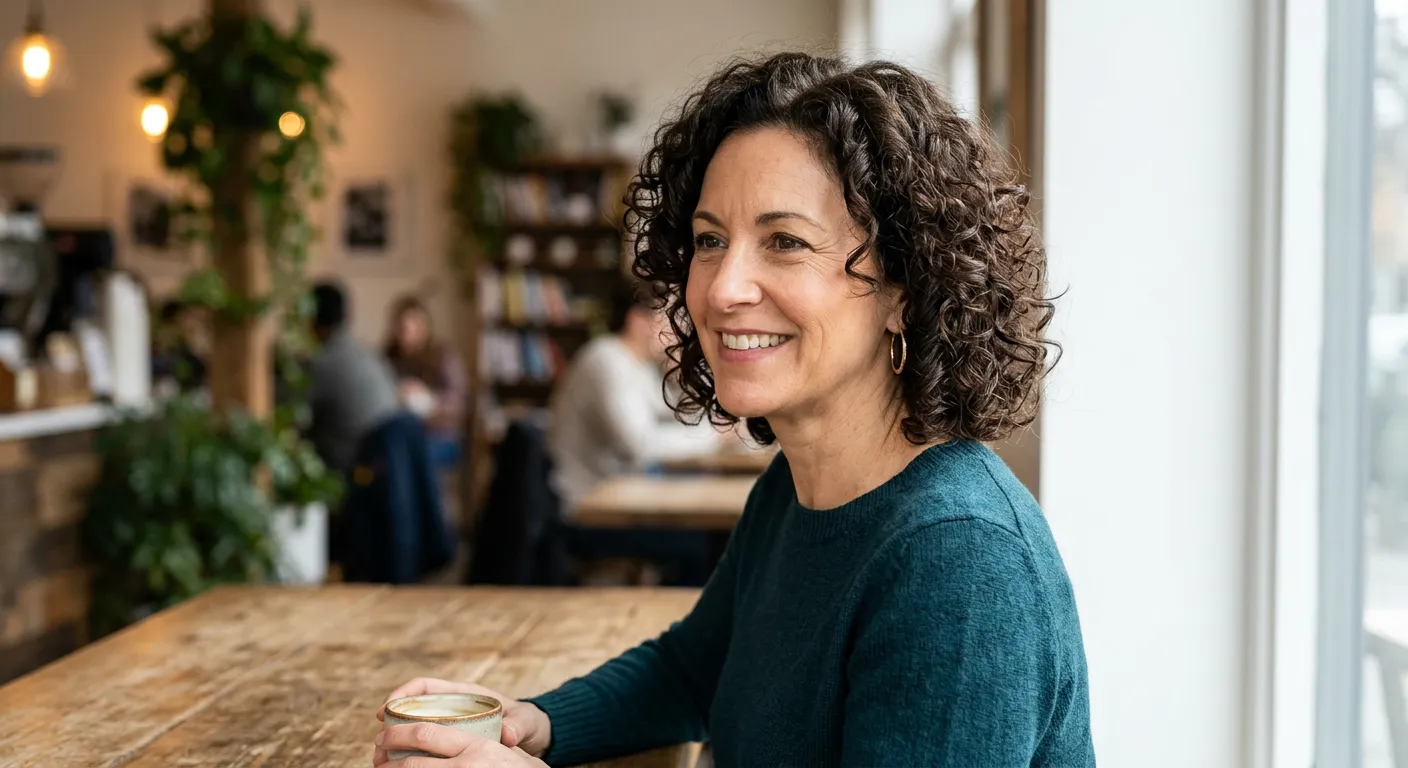
A well-cut pixie can be a game-changer for women with thinning hair. Shorter hair has more natural body and lift because there is less weight pulling it down. The key is to build fullness through the crown with slightly longer, textured layers on top while keeping the sides and back tapered. Avoid over-texturing or heavy thinning. A pixie with a side-swept fringe adds visual interest and draws attention to your face rather than your hairline. This cut is particularly flattering on oval, heart-shaped, and angular faces.
Strategic Layers for Longer Hair
If you prefer to keep length, you can still make thinning hair work with carefully placed layers. The key word is strategic. You want long layers that start below the chin, not short choppy layers throughout that reduce density. These longer layers add movement and the appearance of volume without sacrificing the thickness at the ends. Face-framing pieces that start at cheekbone level draw attention to your features and give the impression of fuller hair around the face. Avoid any layers shorter than 3 inches from the longest length to maintain that solid, thick-looking perimeter.
How to Ask Your Stylist
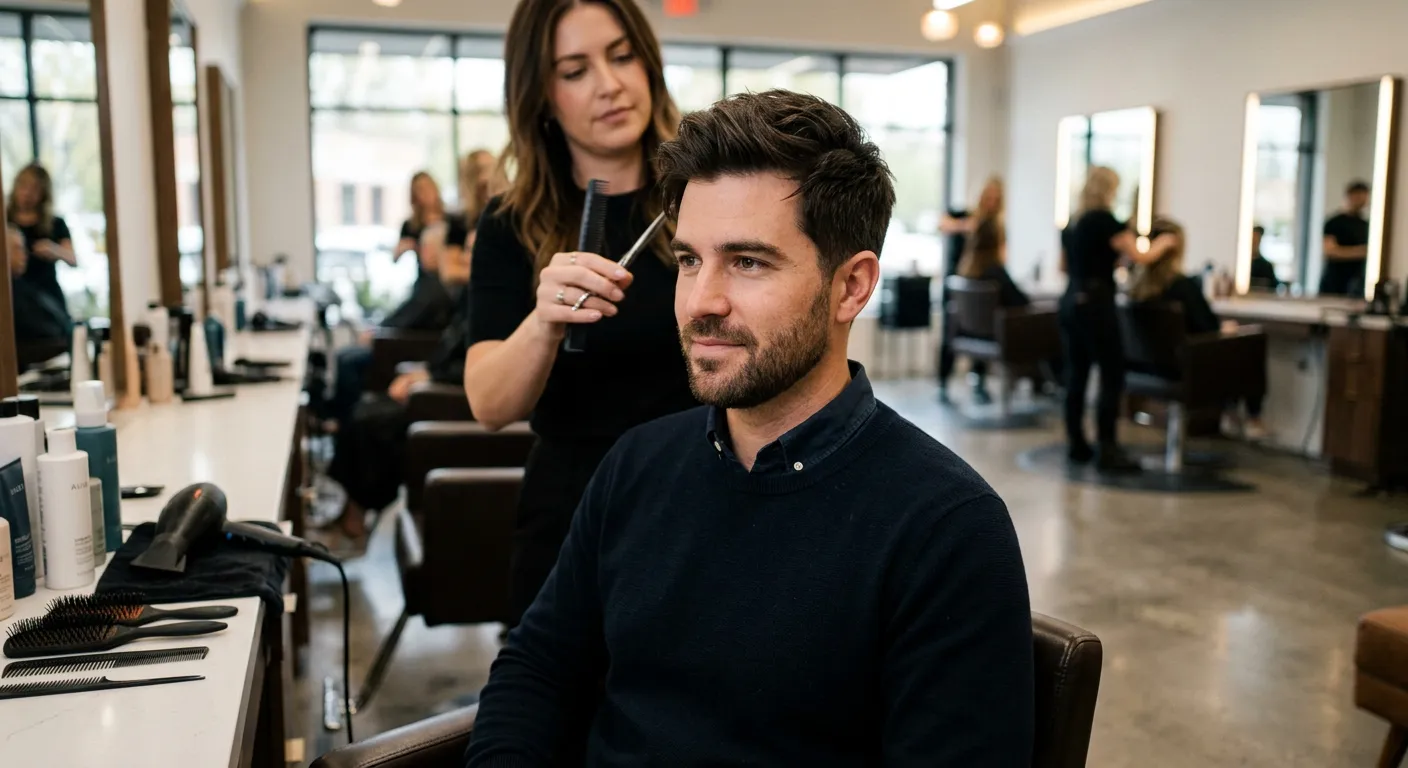
Tell your stylist directly that your hair is thinning and you want a cut that maximizes the appearance of thickness. Specifically request no thinning shears and minimal razor work. Mention that you prefer blunt ends over feathered or wispy ones. If they suggest heavy layering, push back gently. Many stylists default to layers for "movement," but on thin hair, layers often backfire. Ask about their experience with fine or thinning hair specifically. A stylist who specializes in this will approach the cut completely differently than one who primarily works with thick hair.

Styling Techniques That Create Volume
The right styling routine can double the visual impact of a good cut. Apply a volumizing mousse or root-lifting spray to damp hair before blow-drying. Flip your head upside down while drying to build lift at the roots. Use a round brush to create body through the mid-lengths. Once dry, a texture spray or dry shampoo at the roots adds grip and prevents hair from going flat throughout the day. Avoid heavy serums, oils, or creams that weigh thin hair down and make it look stringy. Finish with a light-hold hairspray rather than a stiff, heavy one.
Color Tricks That Add Dimension
The right color can make thinning hair appear noticeably fuller. Subtle highlights or lowlights create the illusion of depth and dimension, tricking the eye into seeing more strands than are actually there. Ask your colorist for fine, closely spaced highlights in shades close to your base color rather than chunky, dramatic contrast. Balayage can also work well because the hand-painted variation in tone adds visual texture. Avoid single-process dark colors on thin hair, as they can make the scalp more visible underneath. A shade or two lighter than your natural color tends to be more forgiving.