
The Edgar Haircut: Every Variation and How to Wear Them
The Edgar haircut has taken over social media and barbershops alike, becoming one of the most recognizable styles of the past few years. Defined by its bold, straight-across fringe and clean, faded sides, the Edgar is a statement cut that says you know exactly what you want — and you're not afraid to own it.
What Is the Edgar Haircut
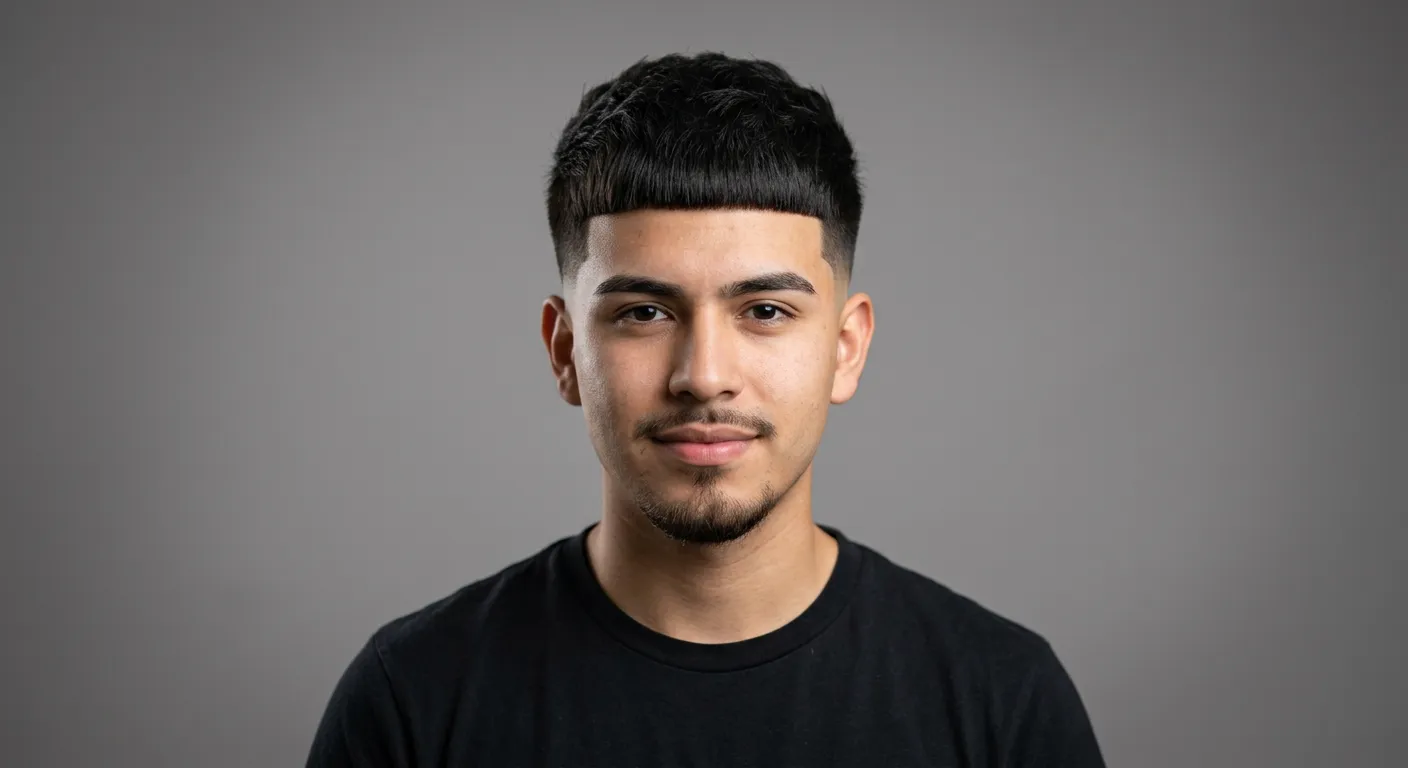
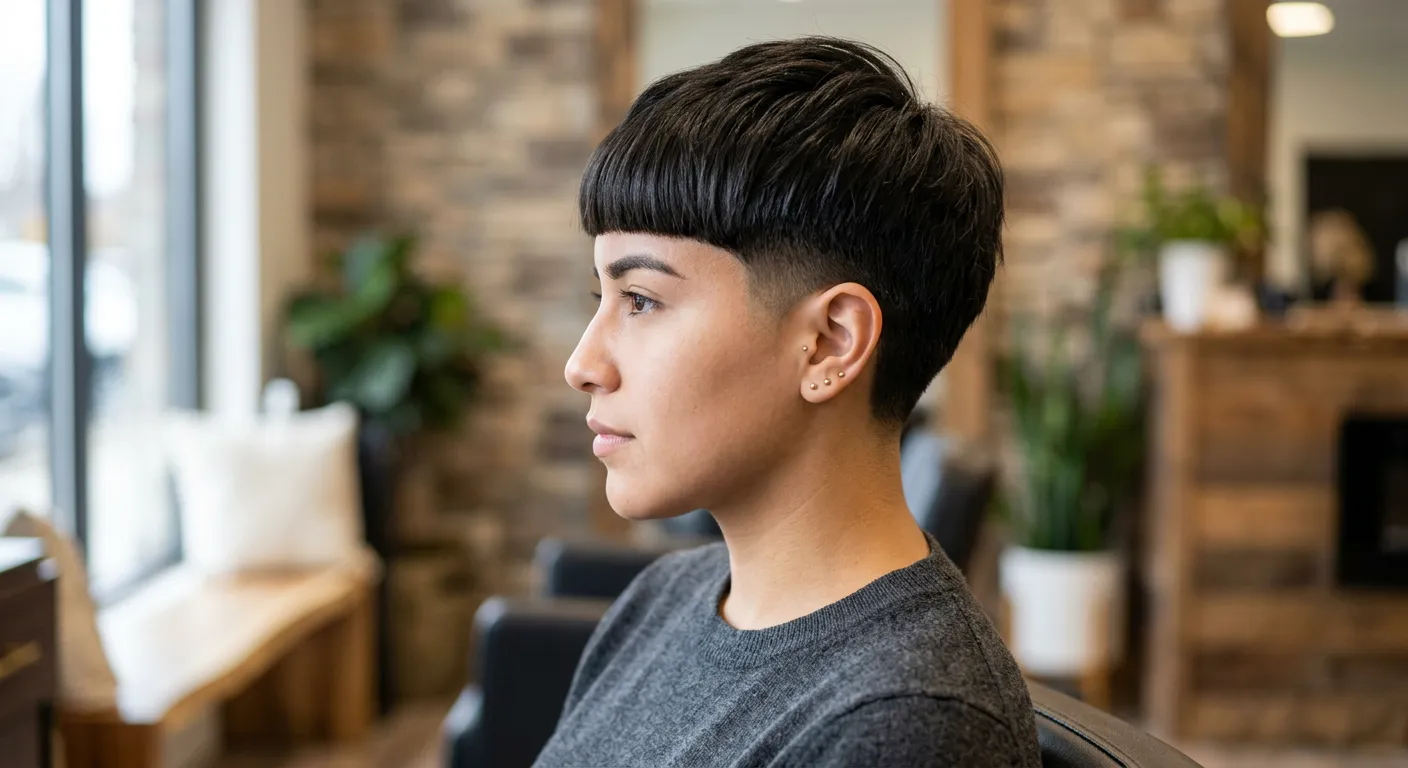
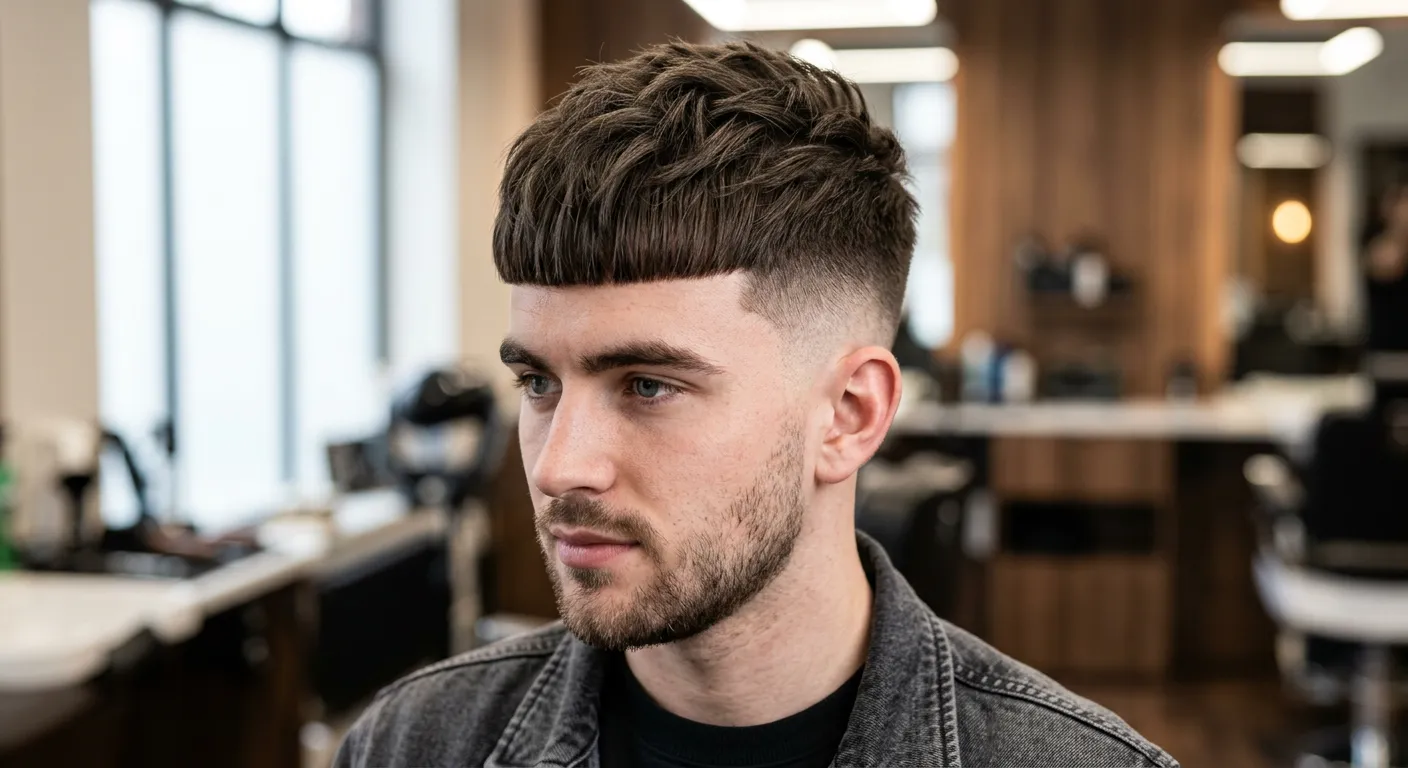
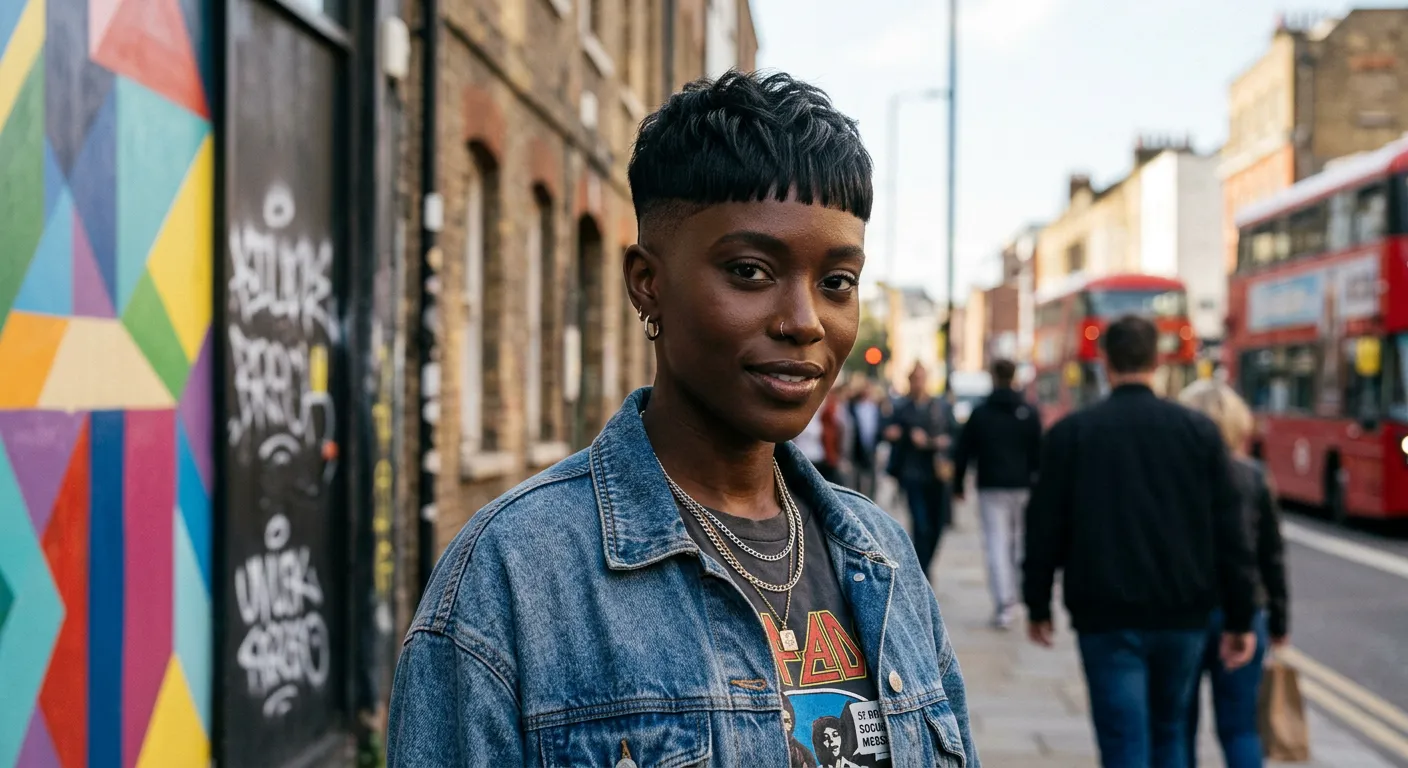
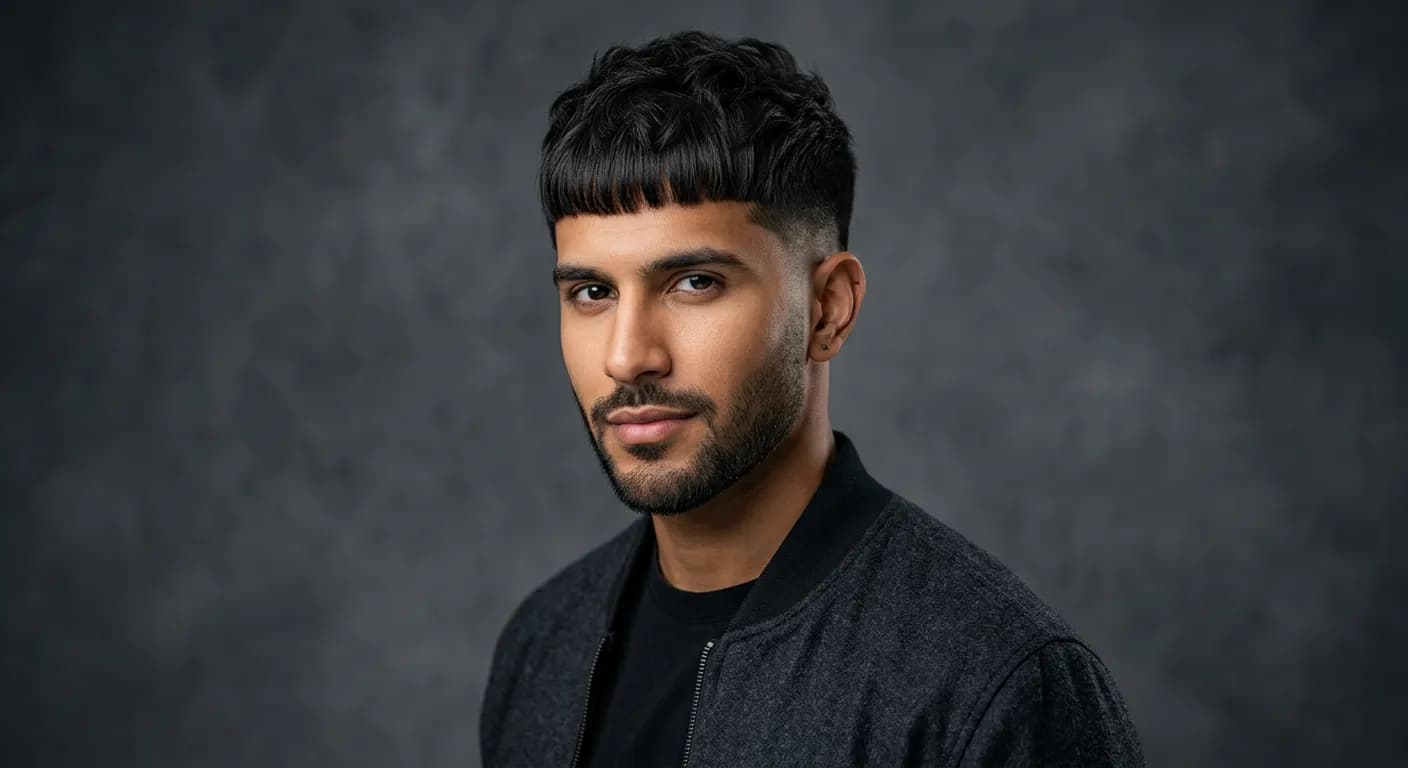
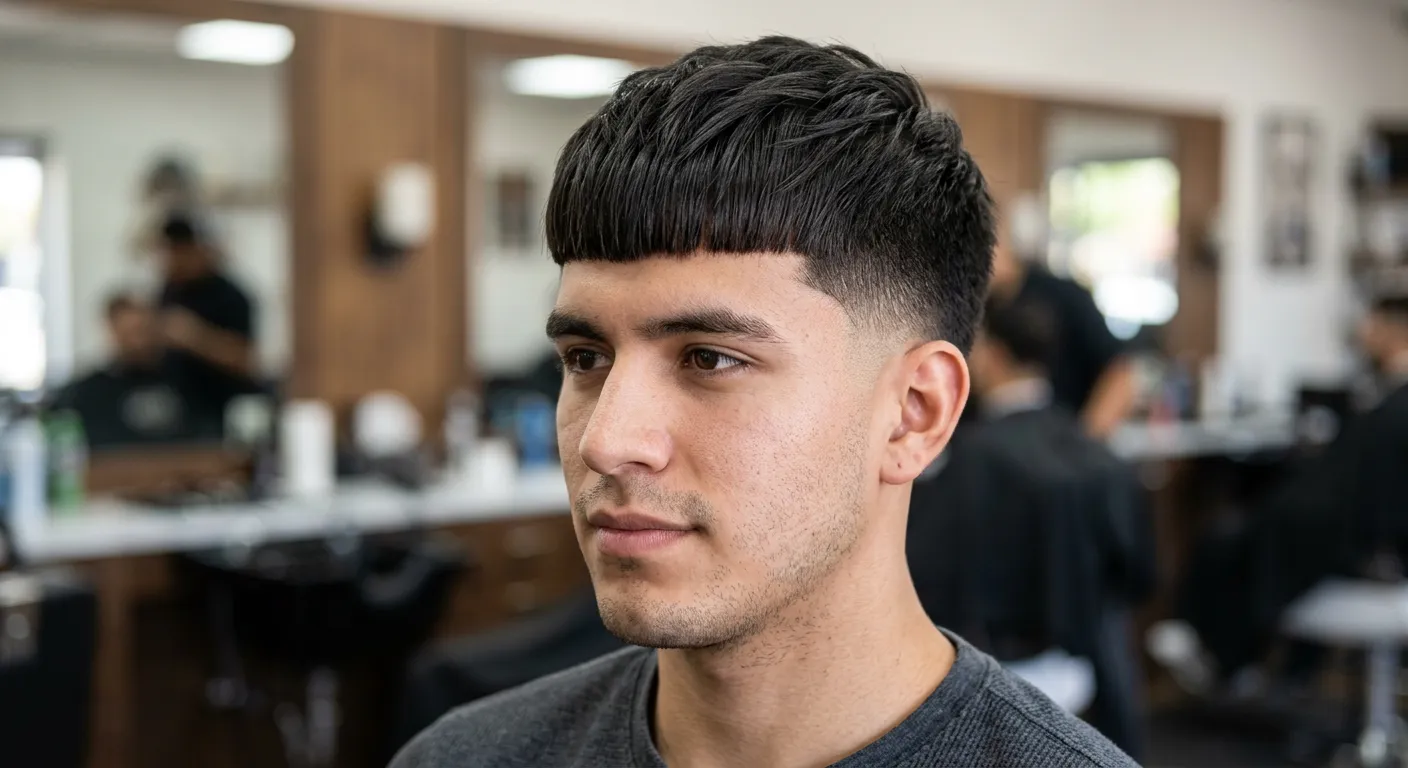
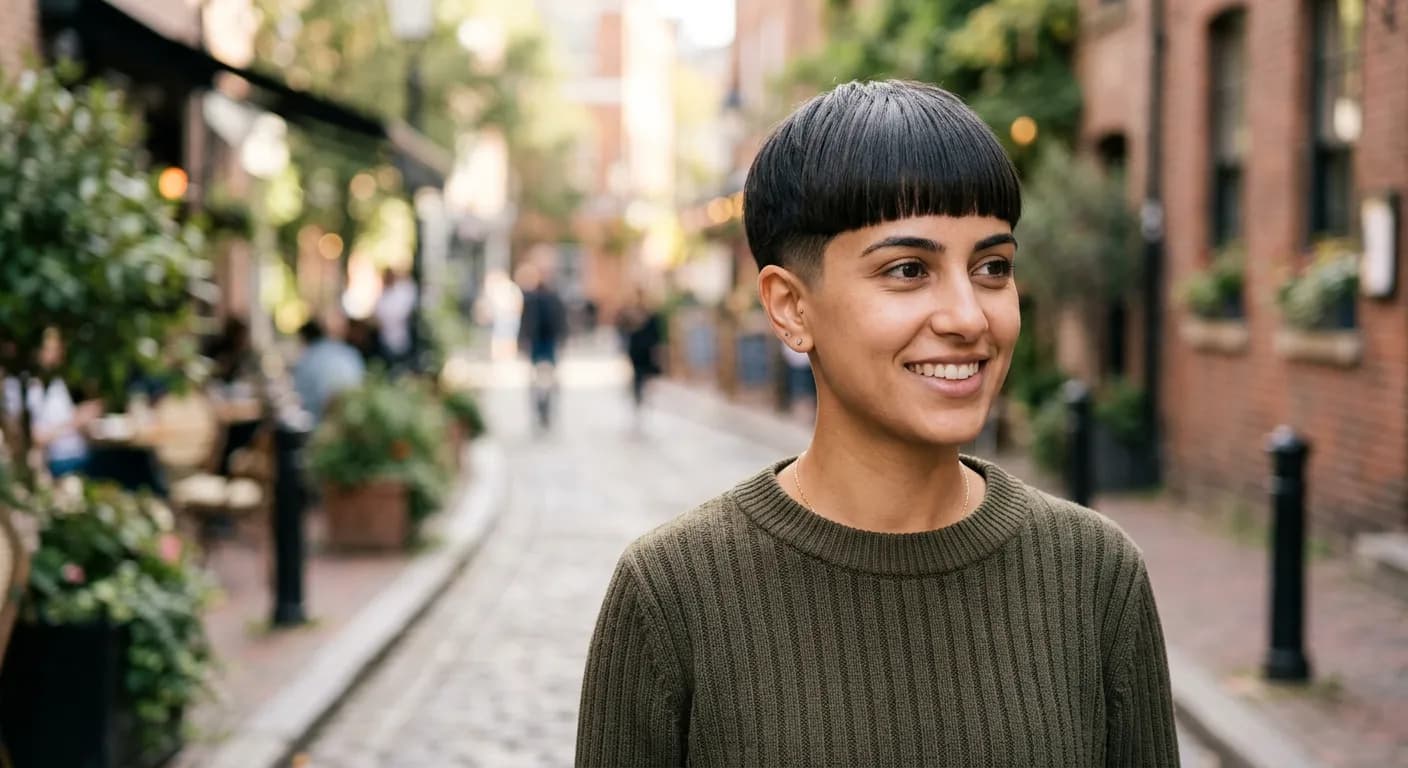
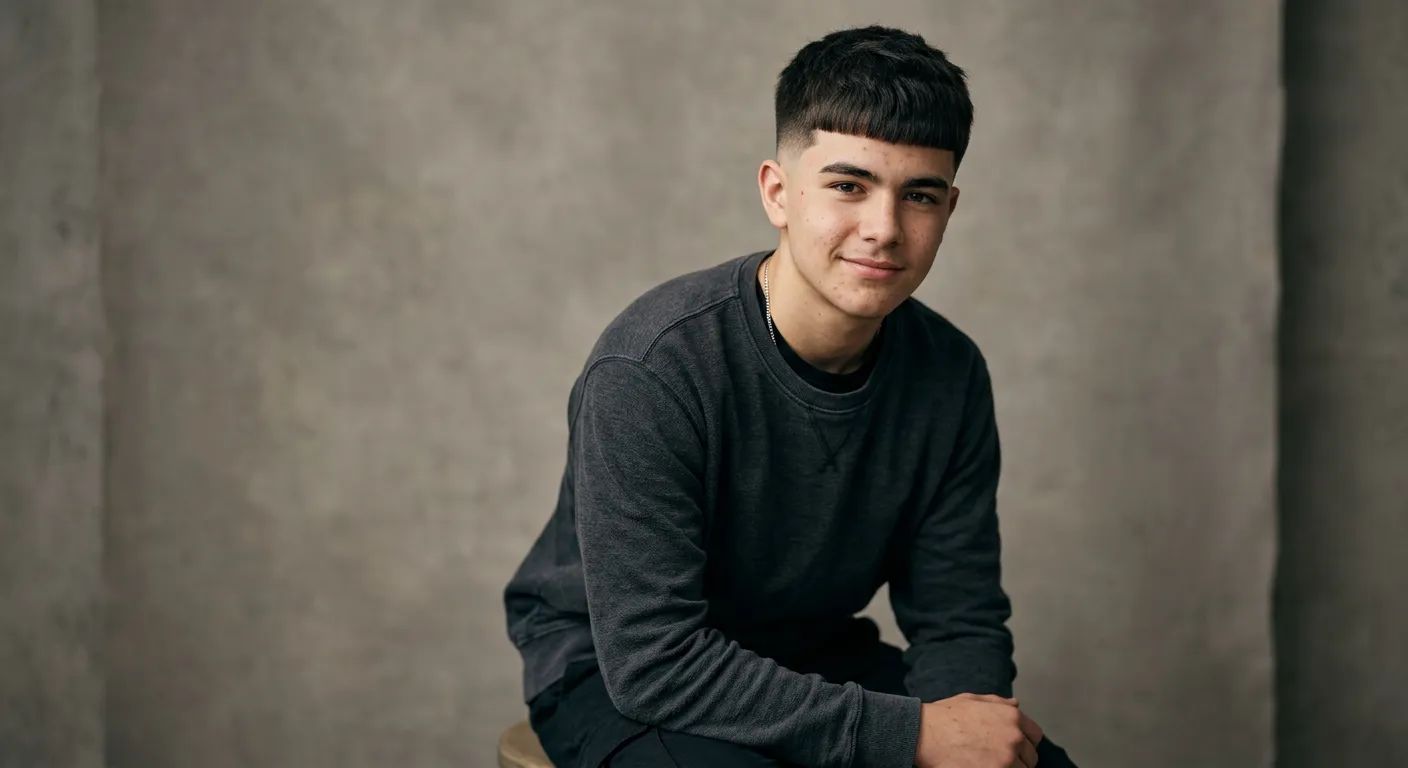
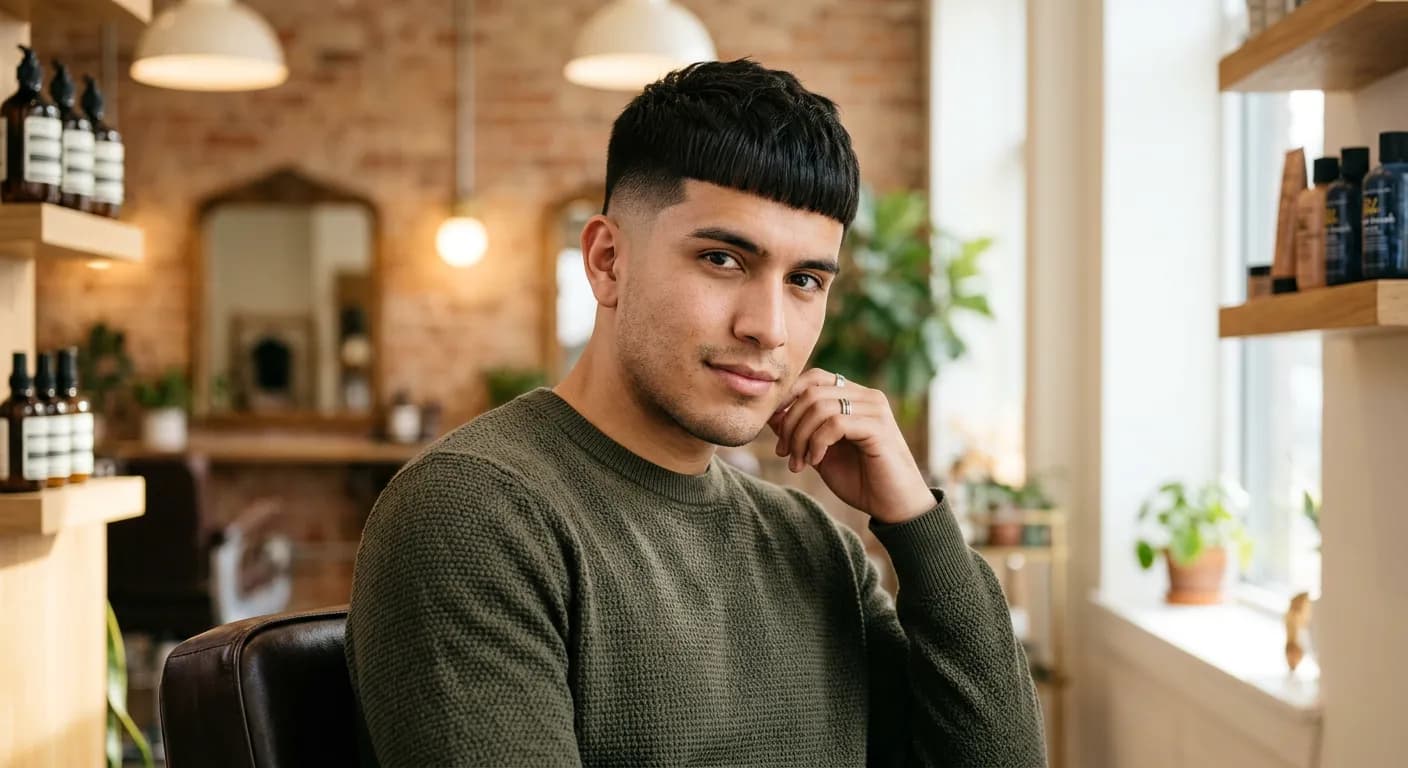
The Edgar features a blunt, straight fringe that extends across the forehead from temple to temple, combined with faded or tapered sides and back. Think of it as a modernized Caesar cut with sharper geometry and more attitude. The fringe is the signature element — it's cut in a clean, horizontal line rather than textured or feathered. The top is kept relatively flat, usually the same length as the fringe or slightly longer, and the sides are faded tight. The overall effect is angular and deliberate, like every line was drawn with a ruler. It's a precision cut that demands a skilled barber.

Who Does It Suit
The Edgar looks best on oval and oblong face shapes, where the horizontal fringe creates a pleasing proportion. Square faces can pull it off too — the straight-line fringe echoes the strong jawline. Round faces should proceed with caution, since the horizontal emphasis can make a wide face look wider, though adding texture on top can counteract this. Hair-wise, straight to slightly wavy hair is ideal because it maintains that crisp fringe line. The Edgar is primarily a men's and boys' cut, and it trends younger, though plenty of guys in their 20s and 30s wear it confidently. If you have a strong forehead you want to downplay, the Edgar handles that beautifully.
Taper Edgar Haircut
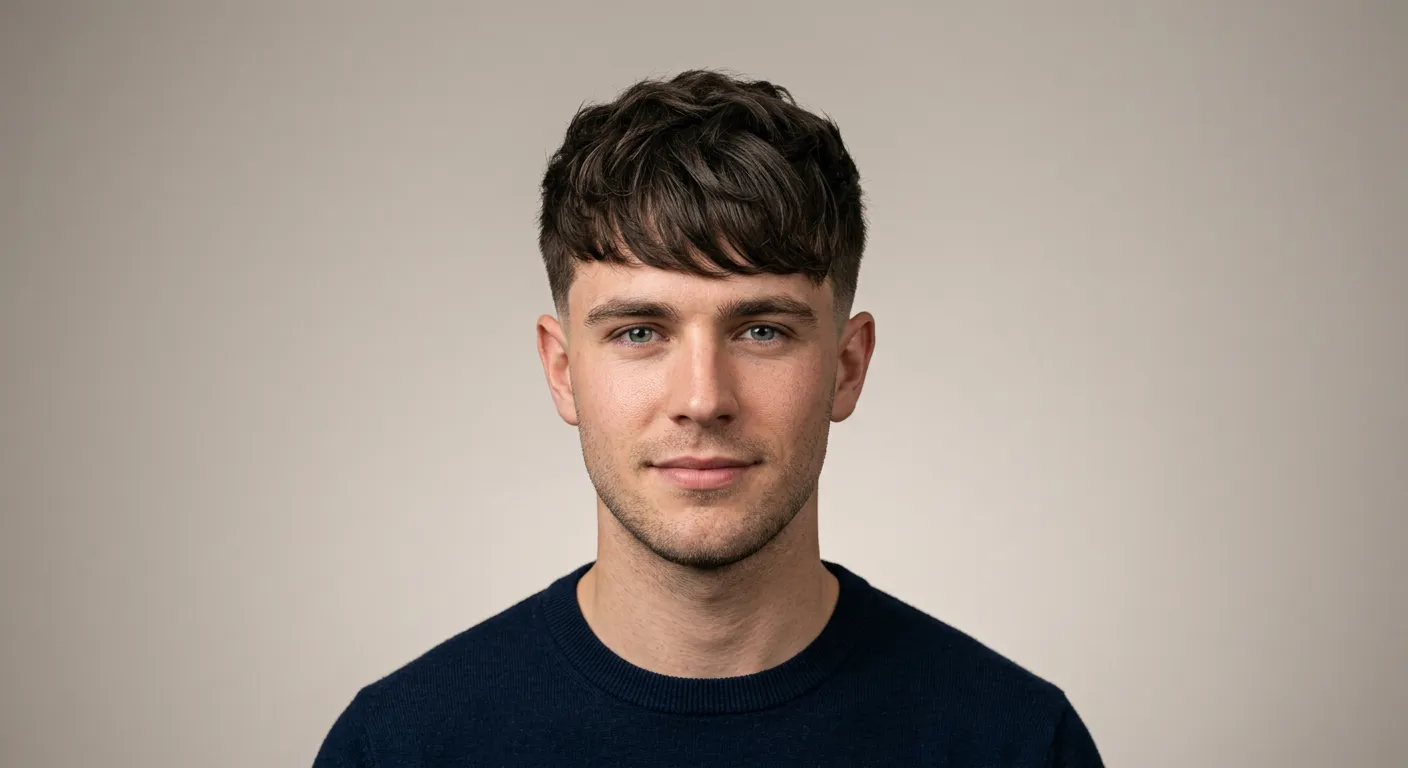
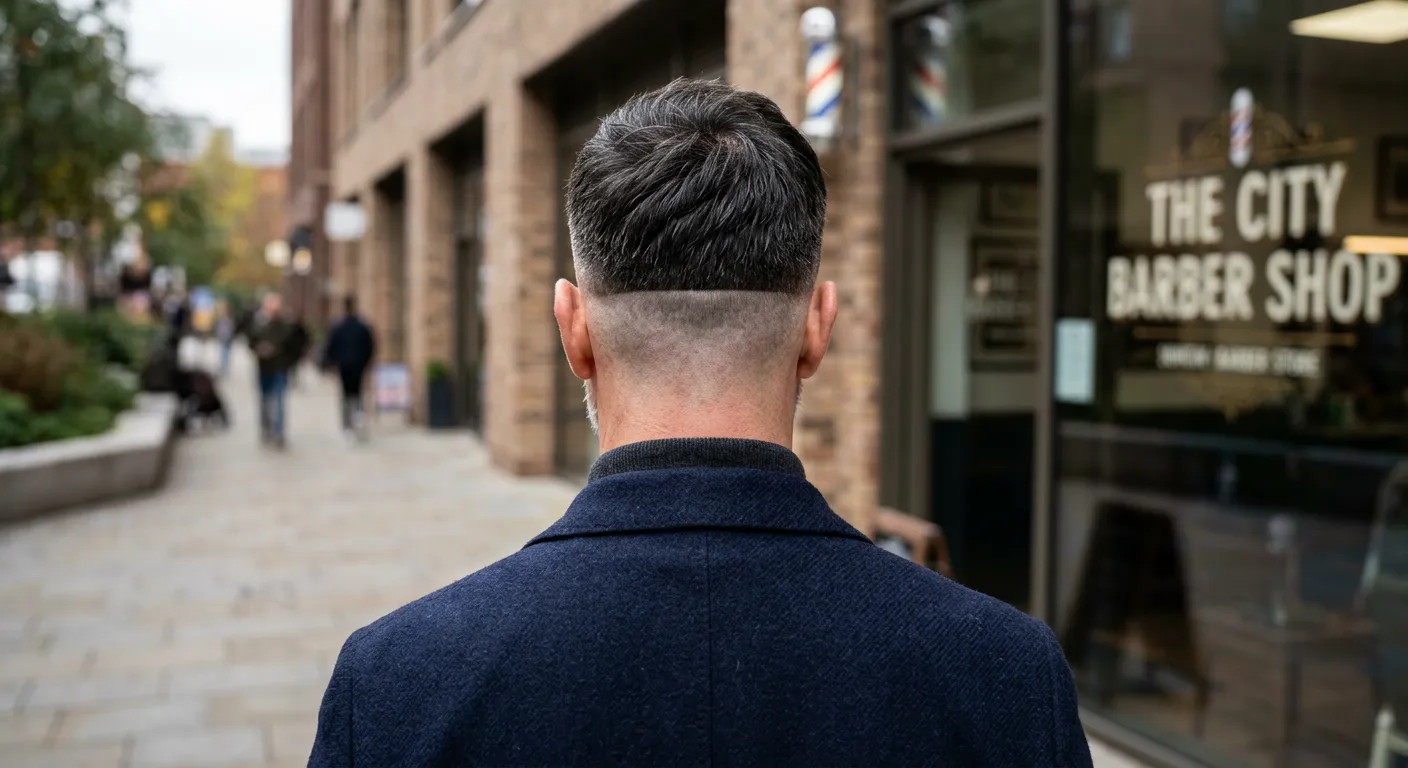
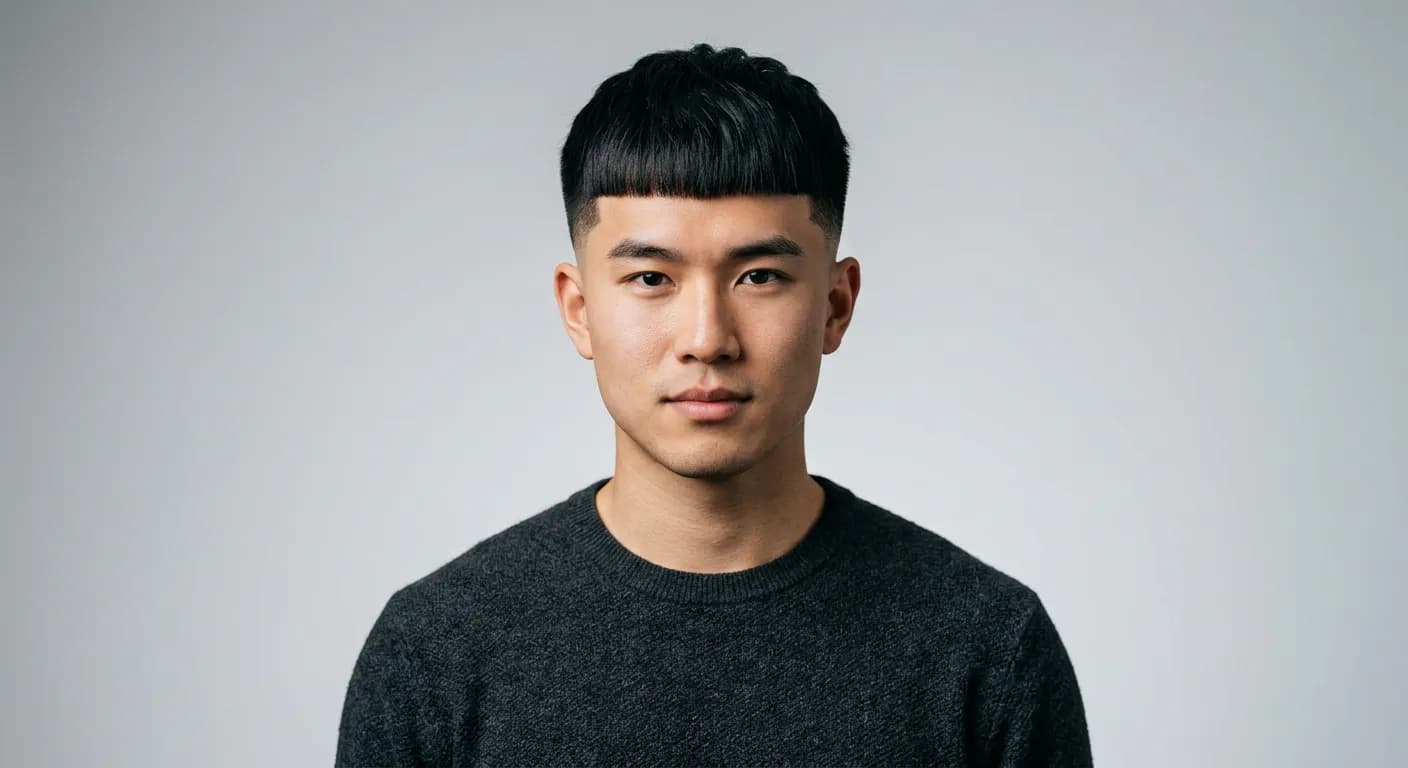
The taper Edgar swaps the hard fade for a gradual taper on the sides and back, creating a softer transition that feels less aggressive. Instead of going to skin, the sides blend gently from the top length down to the natural hairline. This is the version for guys who want the Edgar's signature fringe without the in-your-face contrast of a skin fade. It reads a bit more mature and versatile — equally at home in a classroom or an office. The taper also means slightly longer growing-out time between haircuts, since the gradient doesn't lose its shape as quickly as a tight fade does.

Fluffy Edgar Haircut
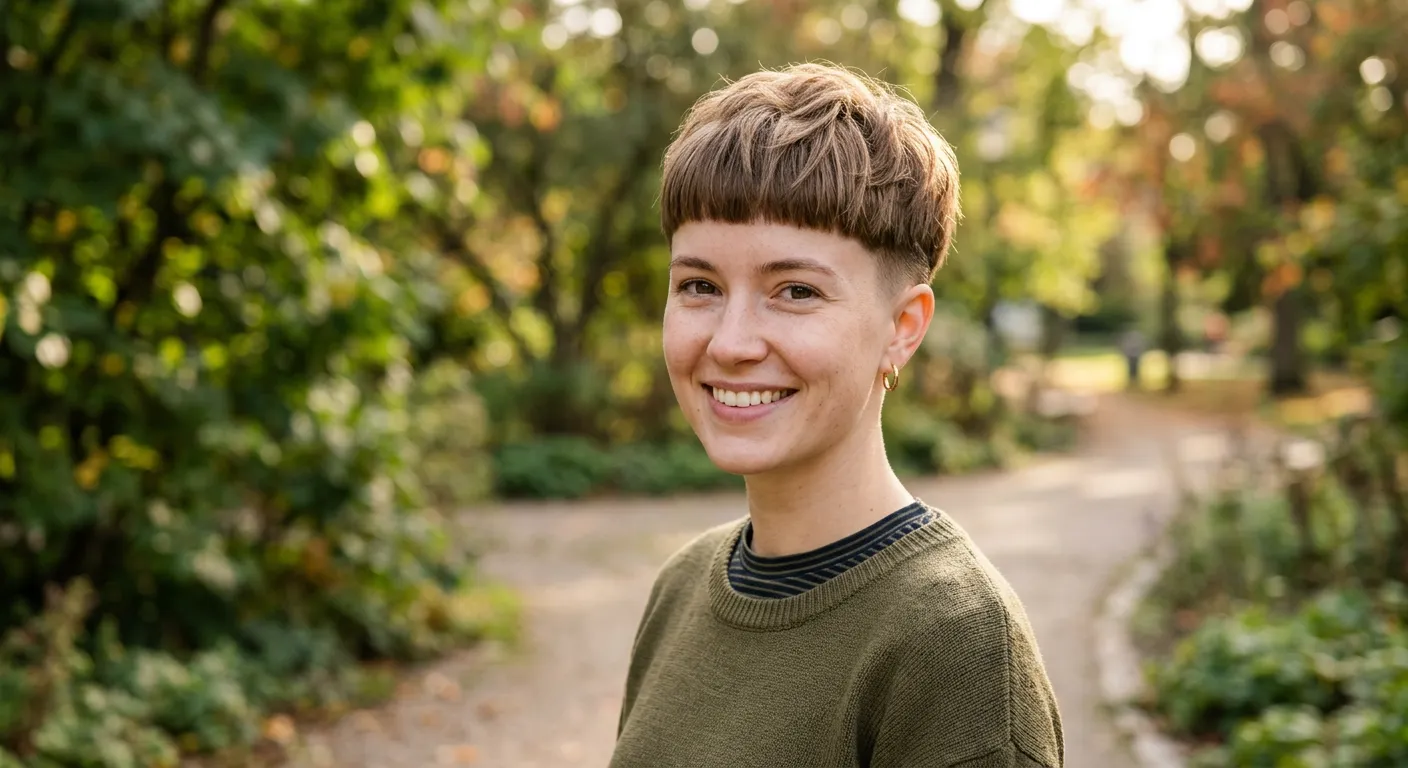
The fluffy Edgar takes the standard Edgar silhouette and adds serious volume on top. Instead of lying flat, the hair is blow-dried upward and forward to create a puffy, cloud-like texture above the fringe line. It softens the whole look considerably — where a standard Edgar is sharp and angular, the fluffy version is more relaxed and youthful. To pull this off, you need hair that's at least 2 to 3 inches long on top, plus a good volumizing product. A mousse or lightweight clay worked into damp hair before blow-drying does the trick. This version works especially well on thicker hair that has natural body to it.

Edgar Haircut Mexican
The Edgar has strong cultural roots in Mexican and Mexican-American communities, where it evolved from the takuache subculture. The Mexican Edgar often features an especially crisp line-up at the fringe, ultra-clean skin fades on the sides, and sometimes decorative line designs carved into the fade. It's frequently paired with a mid to high fade and a very precise fringe line that sits low on the forehead. While the technical elements are the same as any Edgar, the cultural context adds meaning — it's a style that signals community, identity, and pride. Barbers in Mexican-American neighborhoods have elevated the Edgar to an art form, often spending extra time perfecting the details.
Curly Edgar Haircut
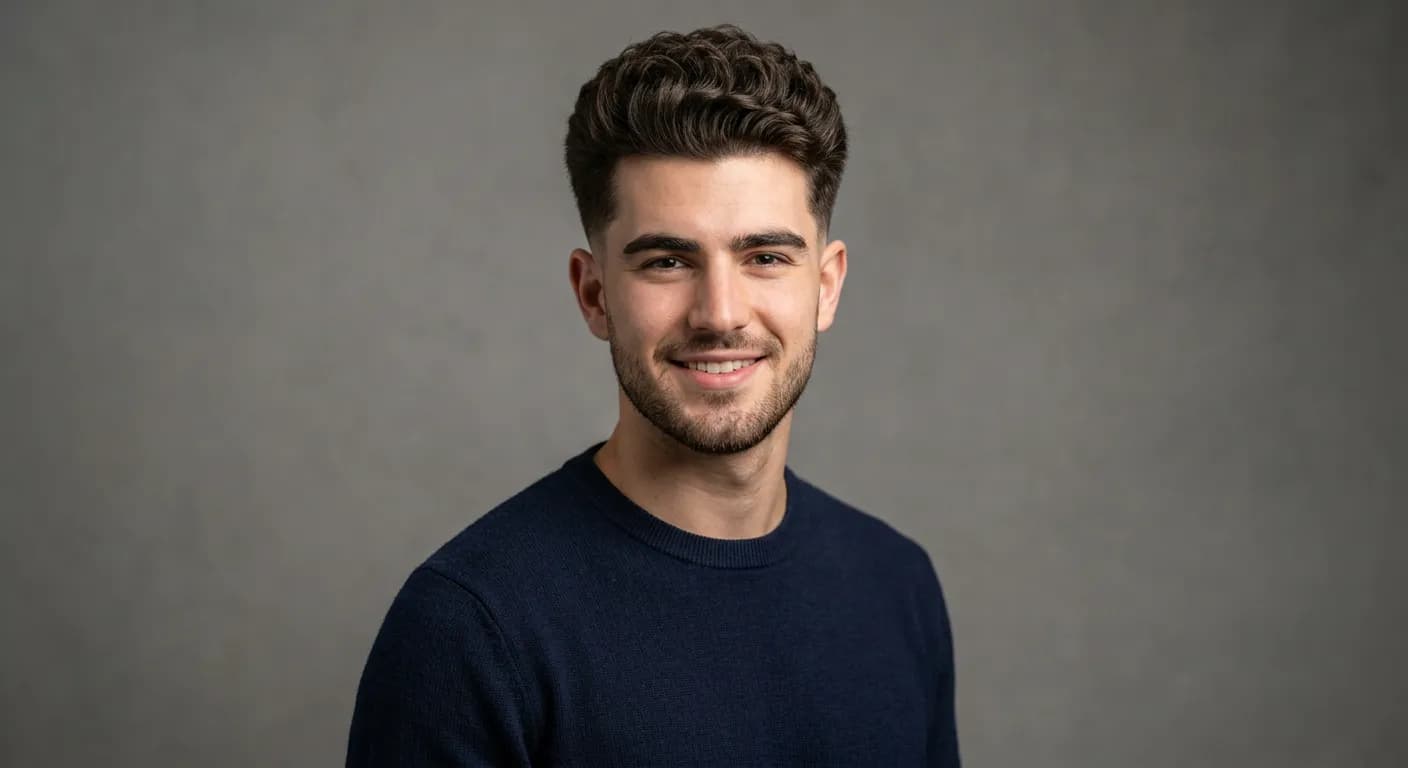
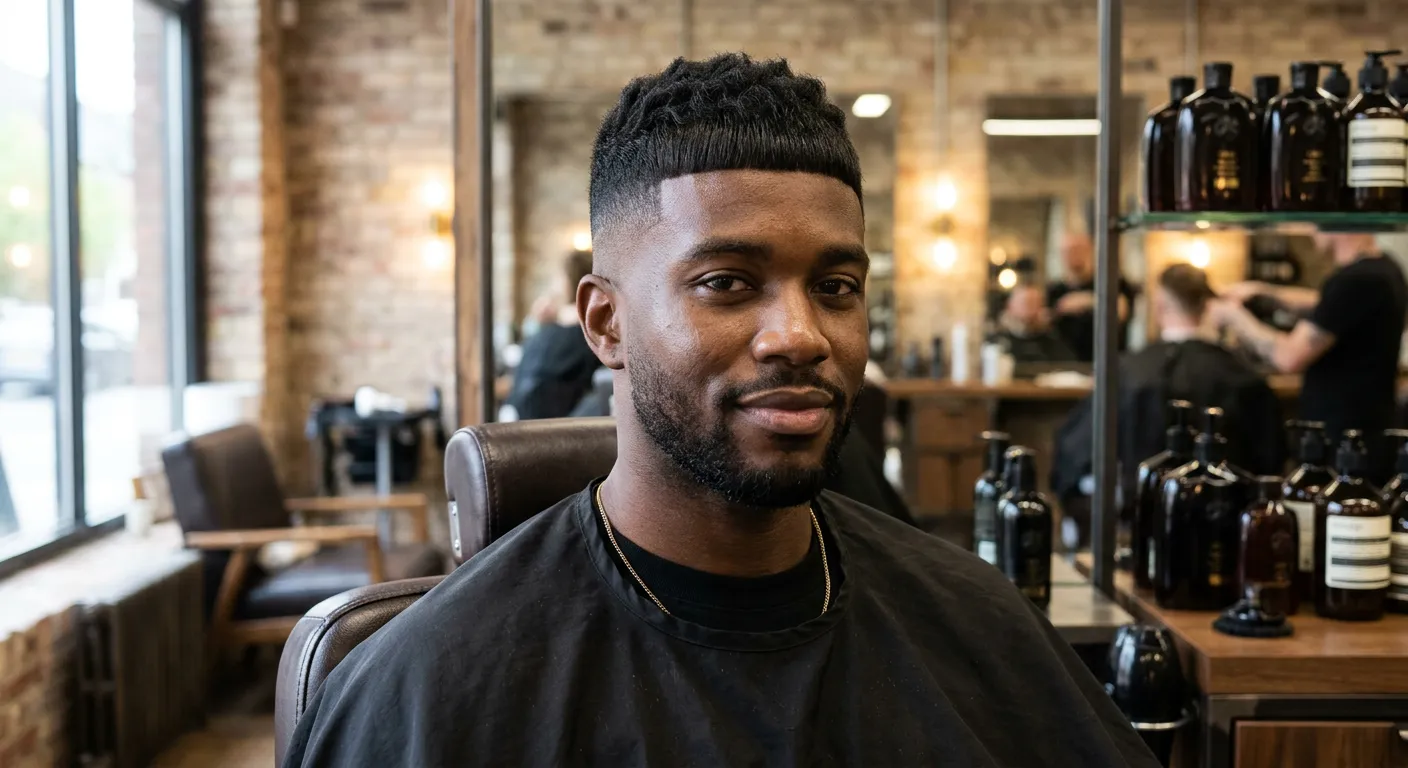
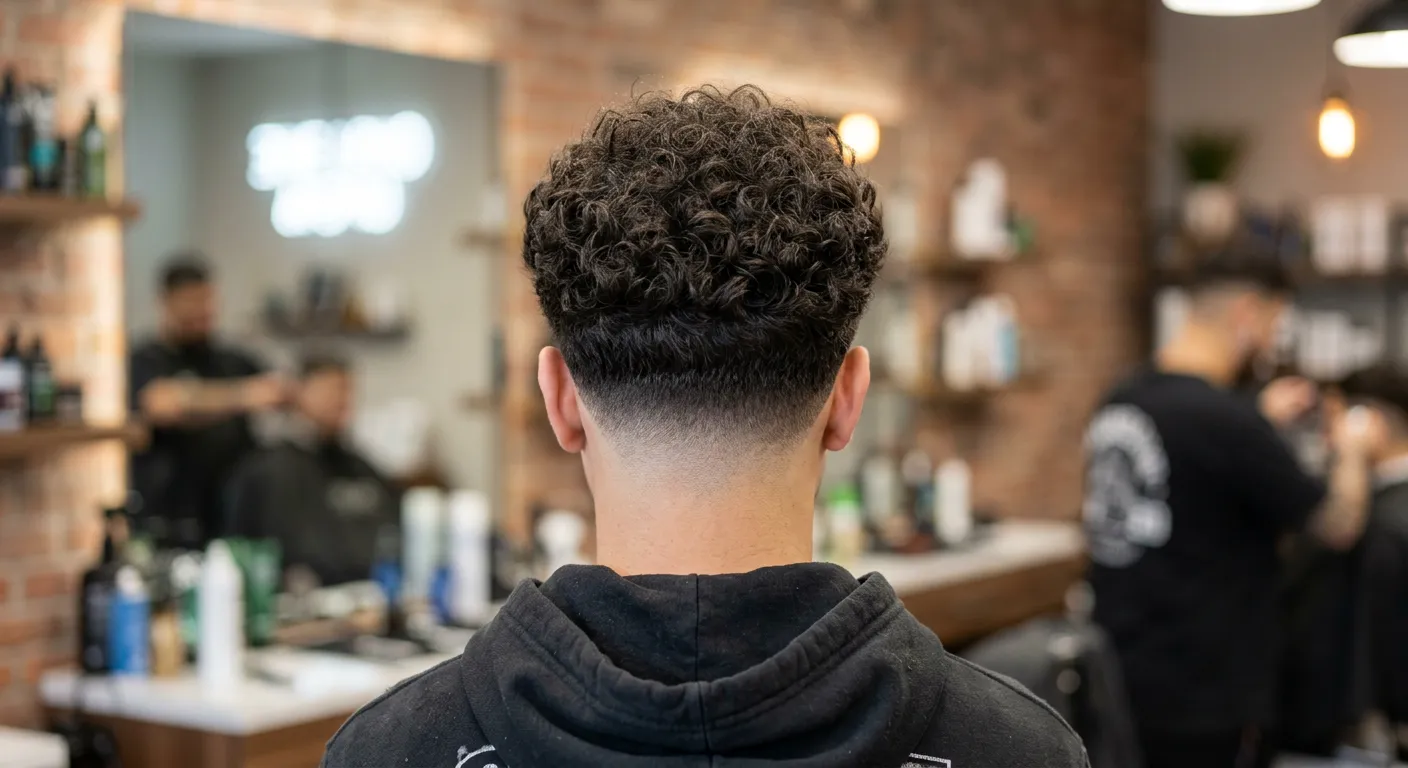
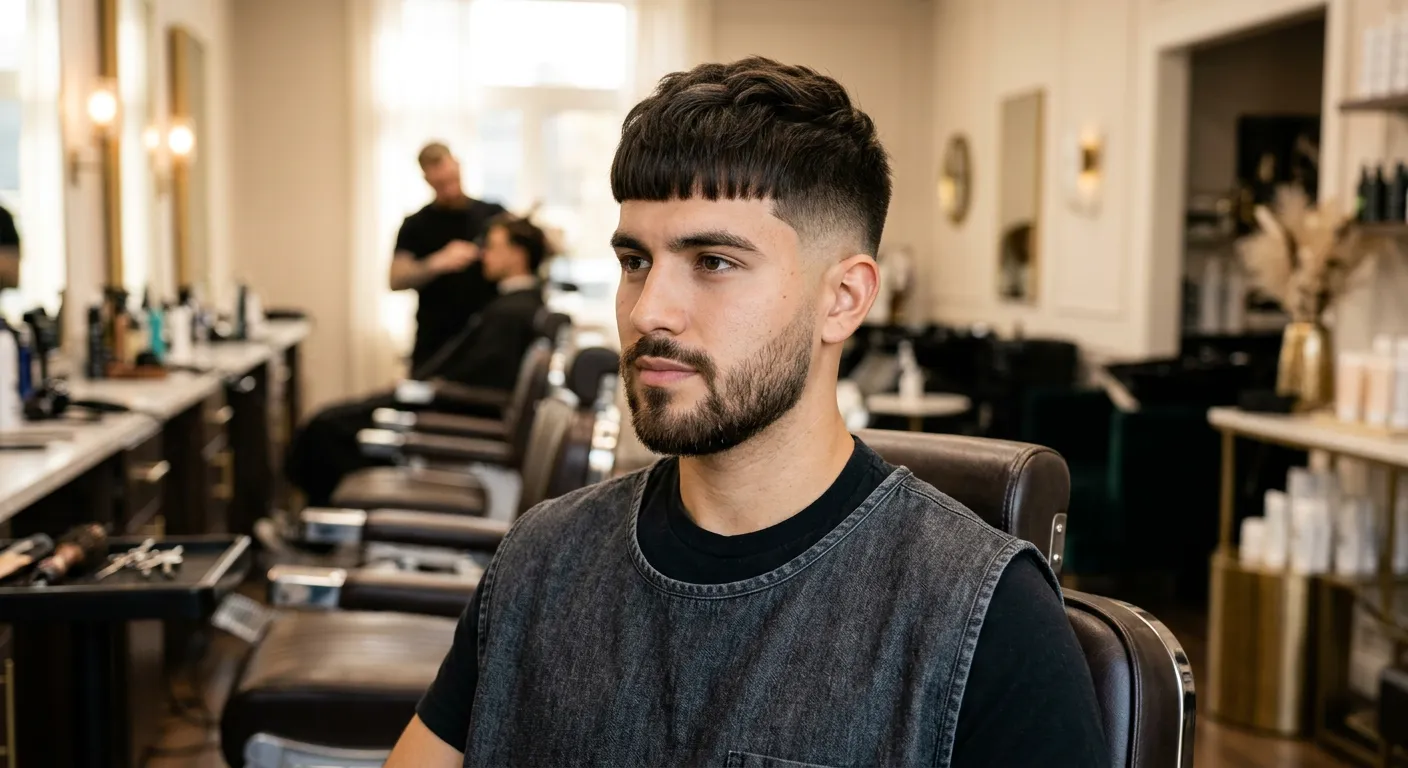
The curly Edgar proves this style isn't just for straight hair. With curly or wavy hair, the fringe takes on a completely different character — instead of a laser-straight line, you get a textured, organic edge that moves and bounces. The key is finding a barber who understands curly hair, because cutting the fringe to the right length is trickier when curls shrink as they dry. The sides are typically faded as usual, and the curly top provides natural volume that straight-haired Edgar wearers have to work for. Use a curl-defining cream to keep the fringe shaped, and avoid brushing it out — you want defined curls, not frizz. This variation has a softer, more approachable energy than the classic straight-hair Edgar.
How to Ask Your Barber
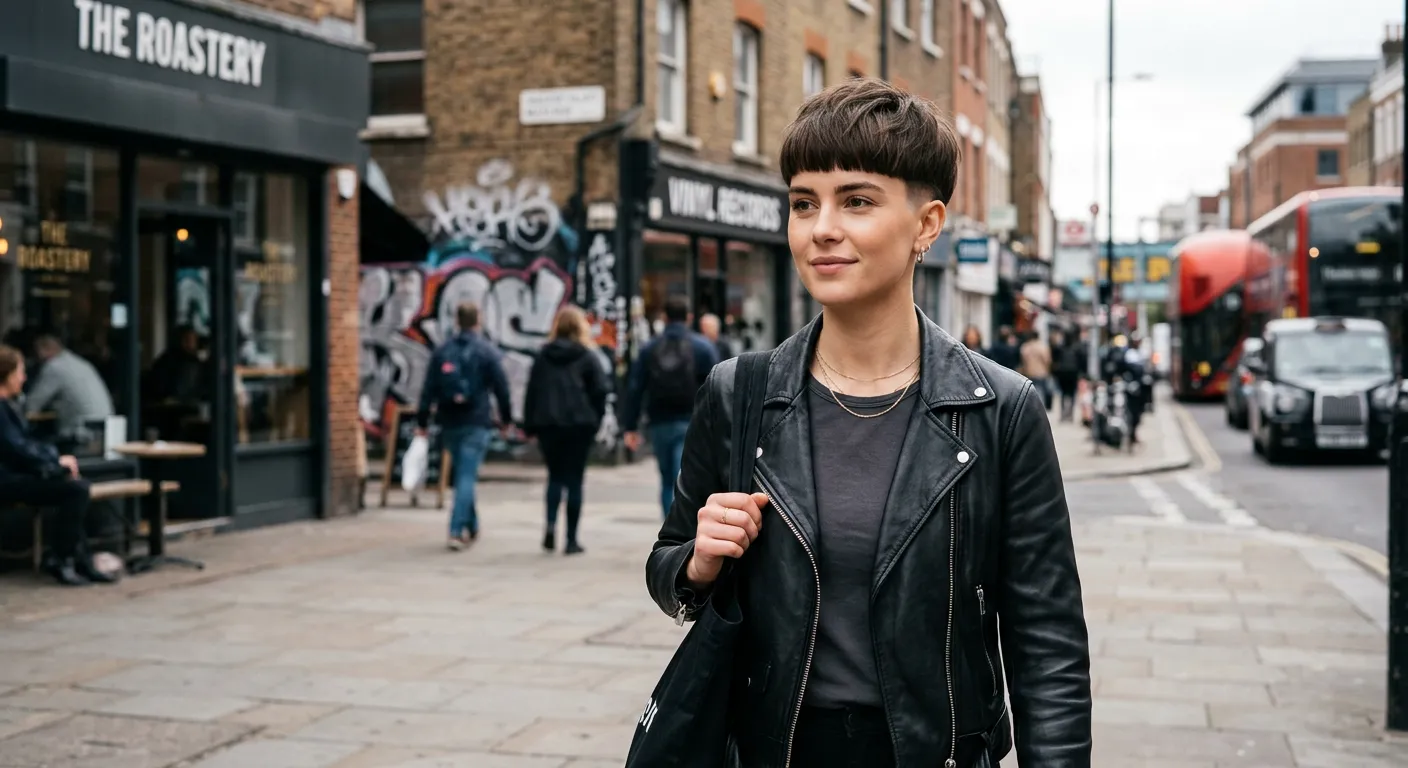
Start by saying you want an Edgar, then specify the variation. Tell your barber the exact fringe length — most Edgars sit somewhere between half an inch and one inch. Specify the fade type: skin, shadow, or taper, and whether you want it low, mid, or high. If you want the fluffy version, mention that you want extra length on top for volume. Photos are absolutely essential for this cut — the difference between a great Edgar and a bad one comes down to millimeters, so show your barber exactly what you're going for. If you want any design work in the fade, discuss that before the cut begins.
Styling and Maintenance
The Edgar is relatively low-effort to style daily but high-maintenance in terms of barbershop visits. That crisp fringe line starts losing its edge within two weeks, so plan on visits every 2 to 3 weeks to stay sharp. For daily styling, most Edgars only need a small amount of matte clay or paste worked through the top to keep it in place. If you're going fluffy, blow-dry the top forward and up before applying product. Avoid heavy gels — they'll flatten the top and make the fringe look crusty. A light hold spray can lock everything in without sacrificing that natural texture. Wash your hair every other day to keep the fringe looking clean without over-drying.