
The Taper Haircut: Clean Lines Without the Commitment of a Fade
If you have ever walked into a barbershop unsure what to ask for, there is a good chance the taper is exactly what you need. It is the backbone of modern barbering: a gradual reduction in length from the top of the head down to the ears and neckline, with no skin showing. Unlike a fade, the taper keeps things conservative and refined. You still see hair at the shortest points, which gives you a polished look that works just as well in a boardroom as it does at a weekend cookout. It is the kind of cut that makes people say you always look put-together, even when you rolled out of bed ten minutes ago.

What Is a Taper Haircut?
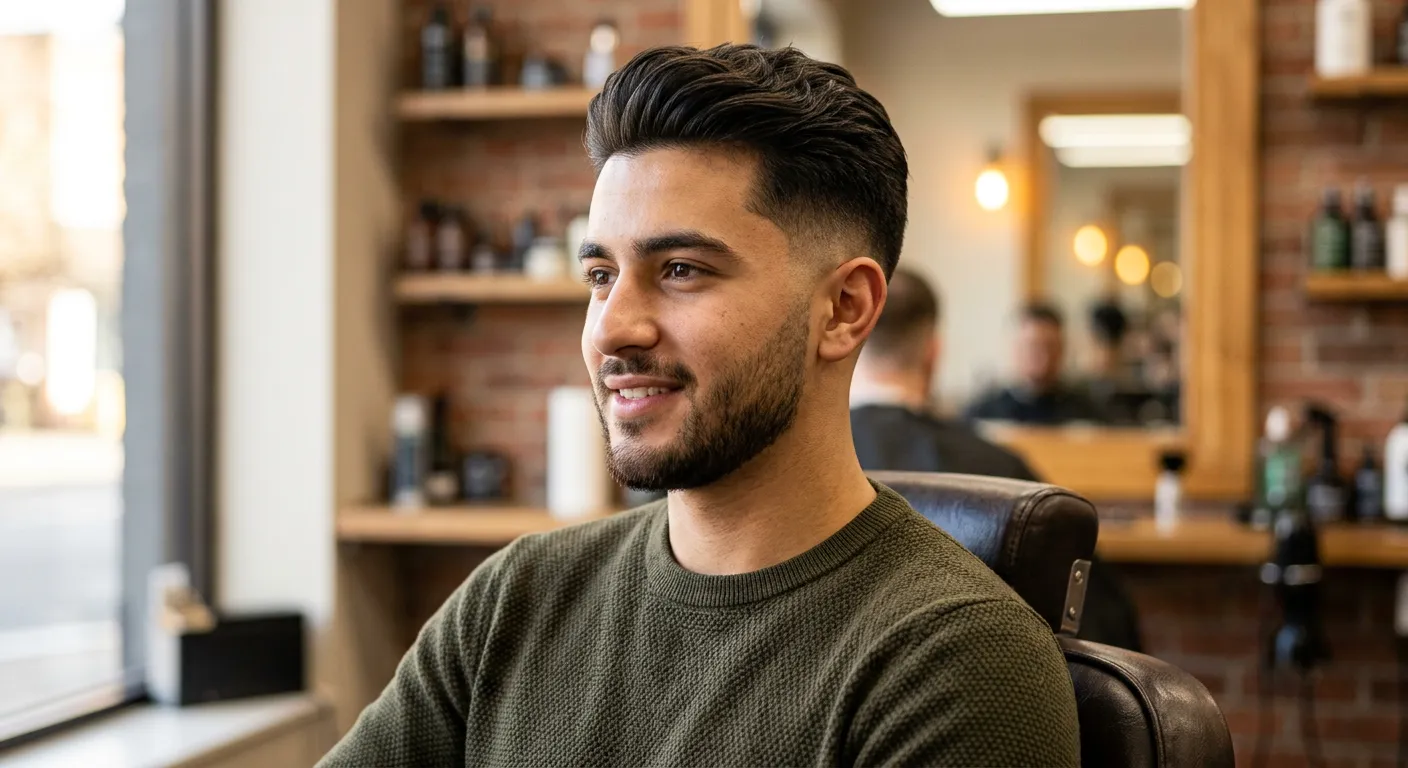
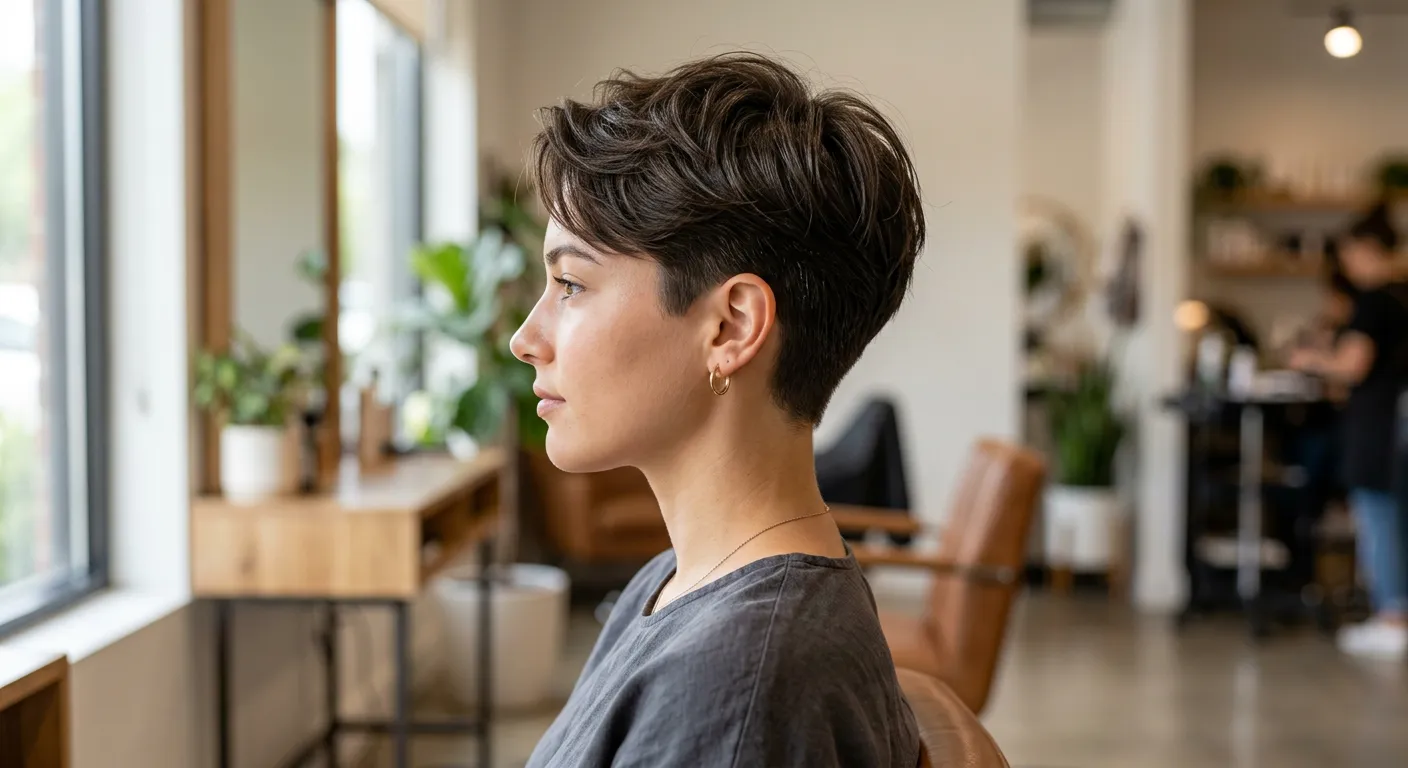
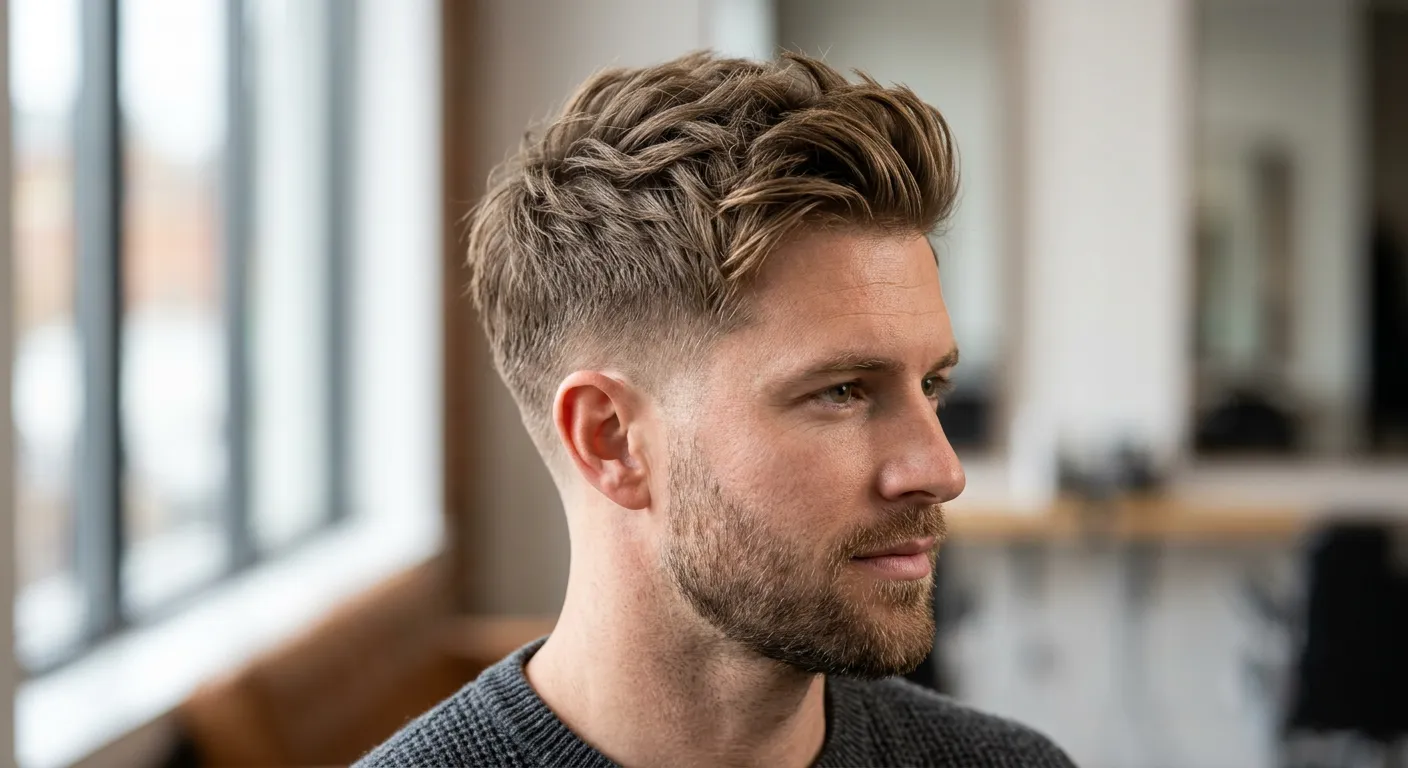
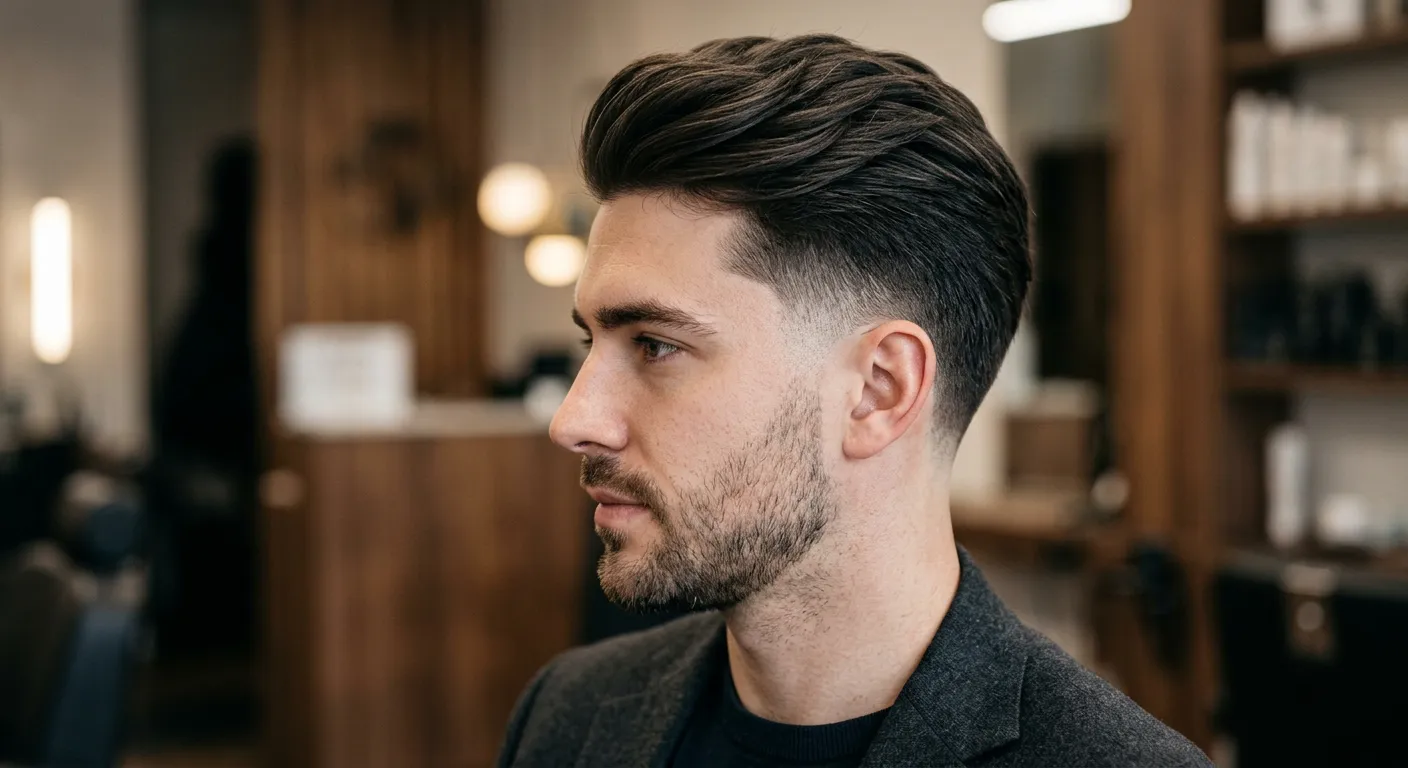
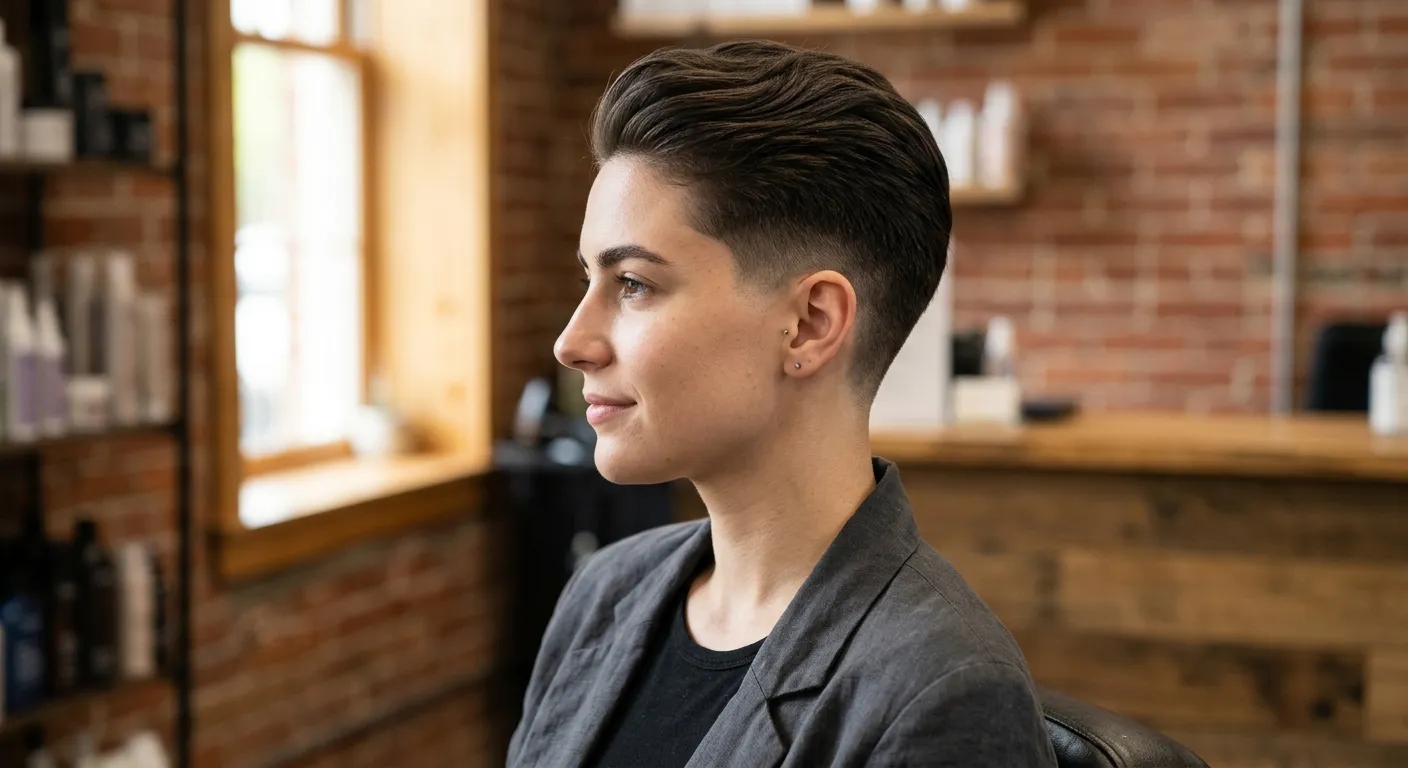
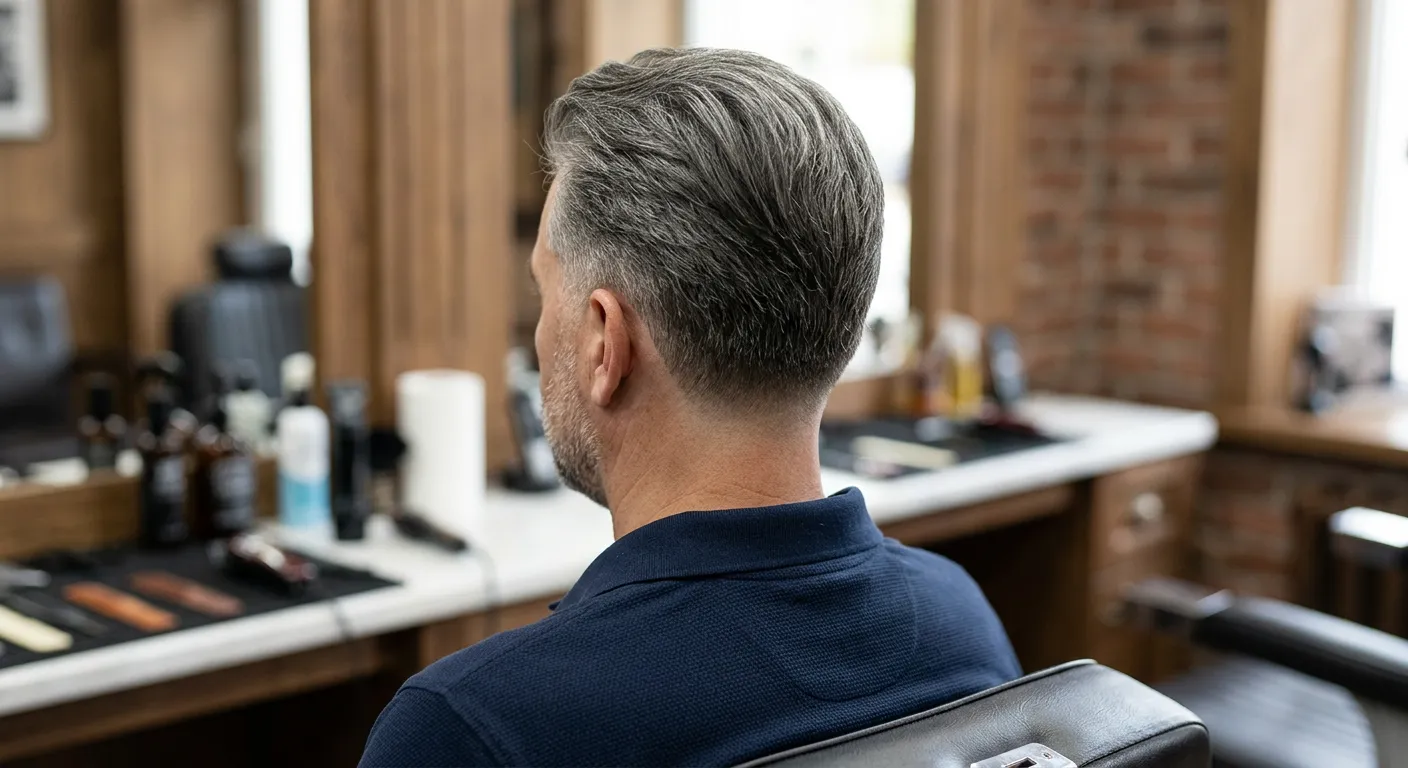
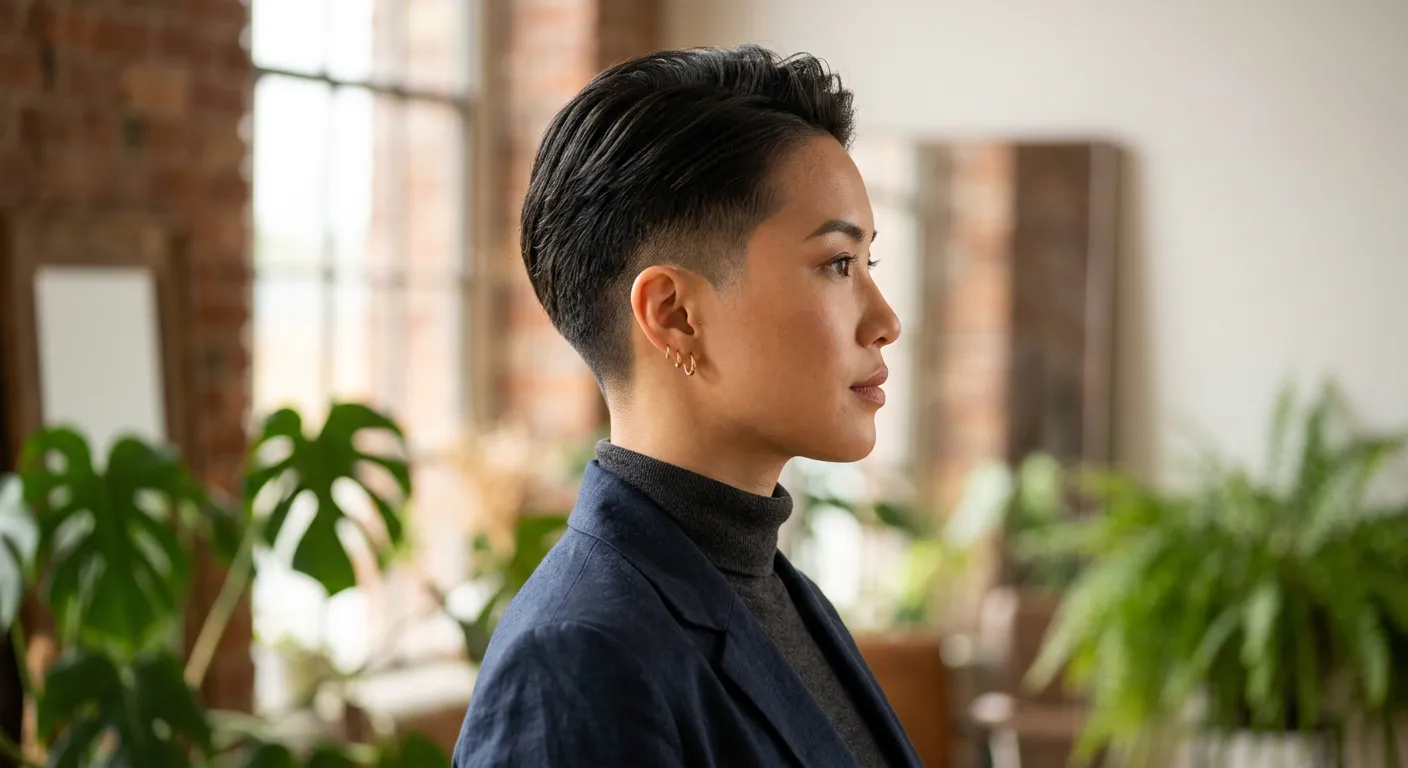
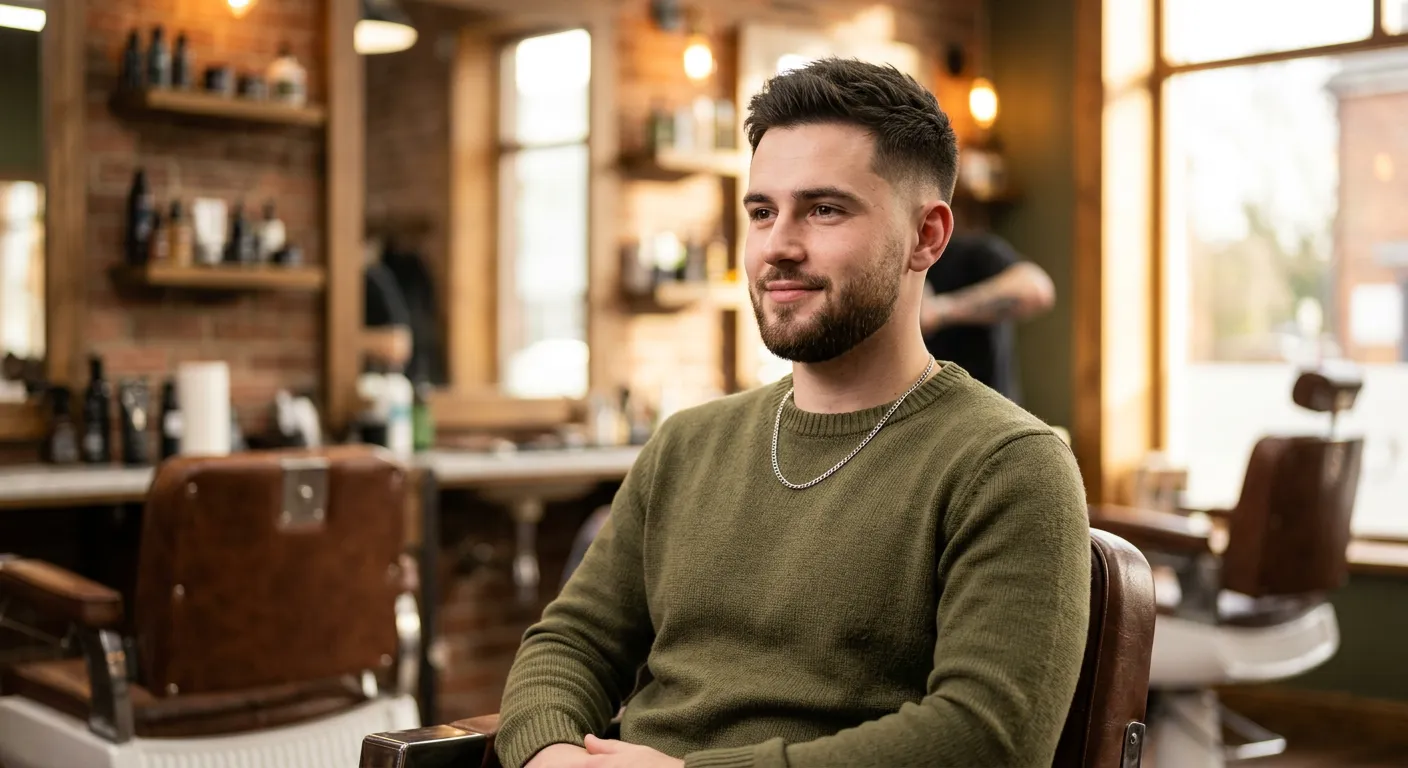
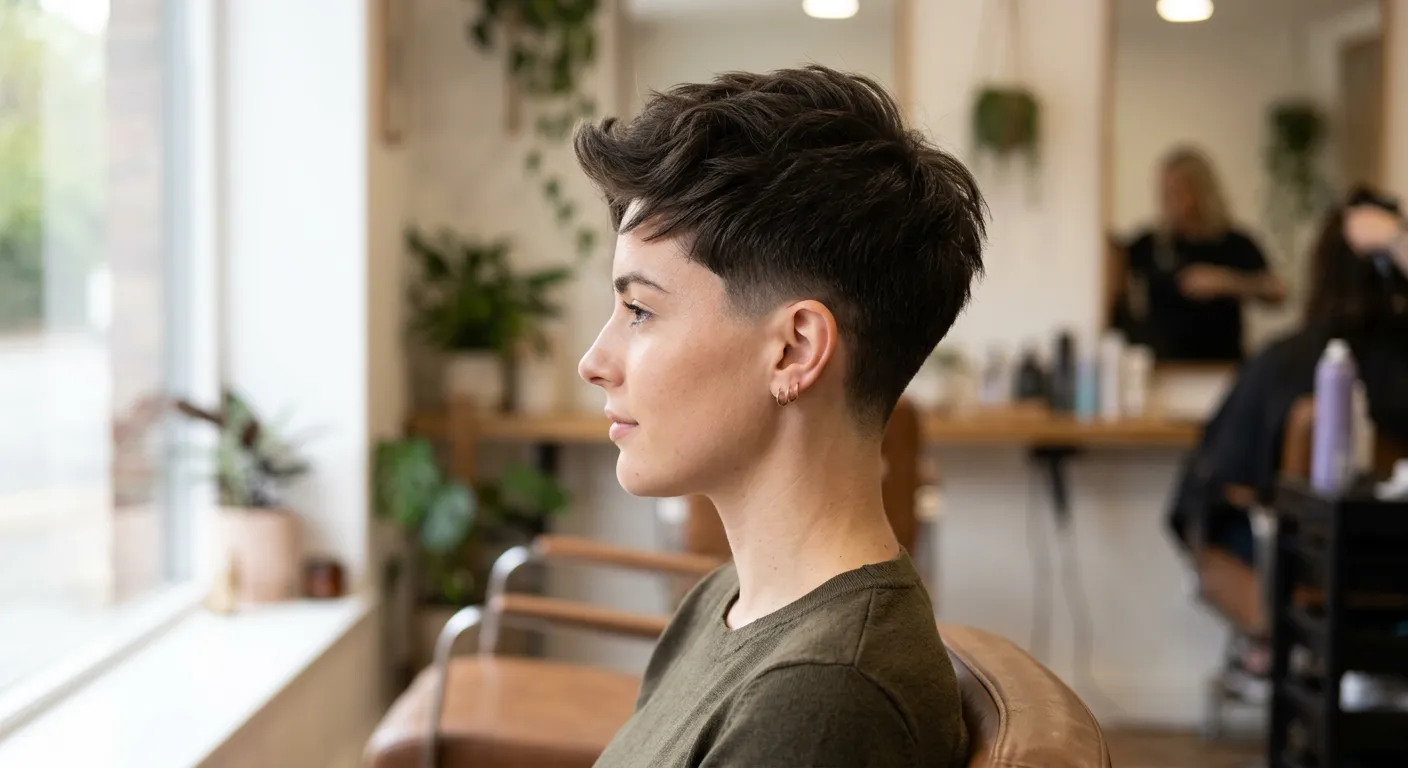
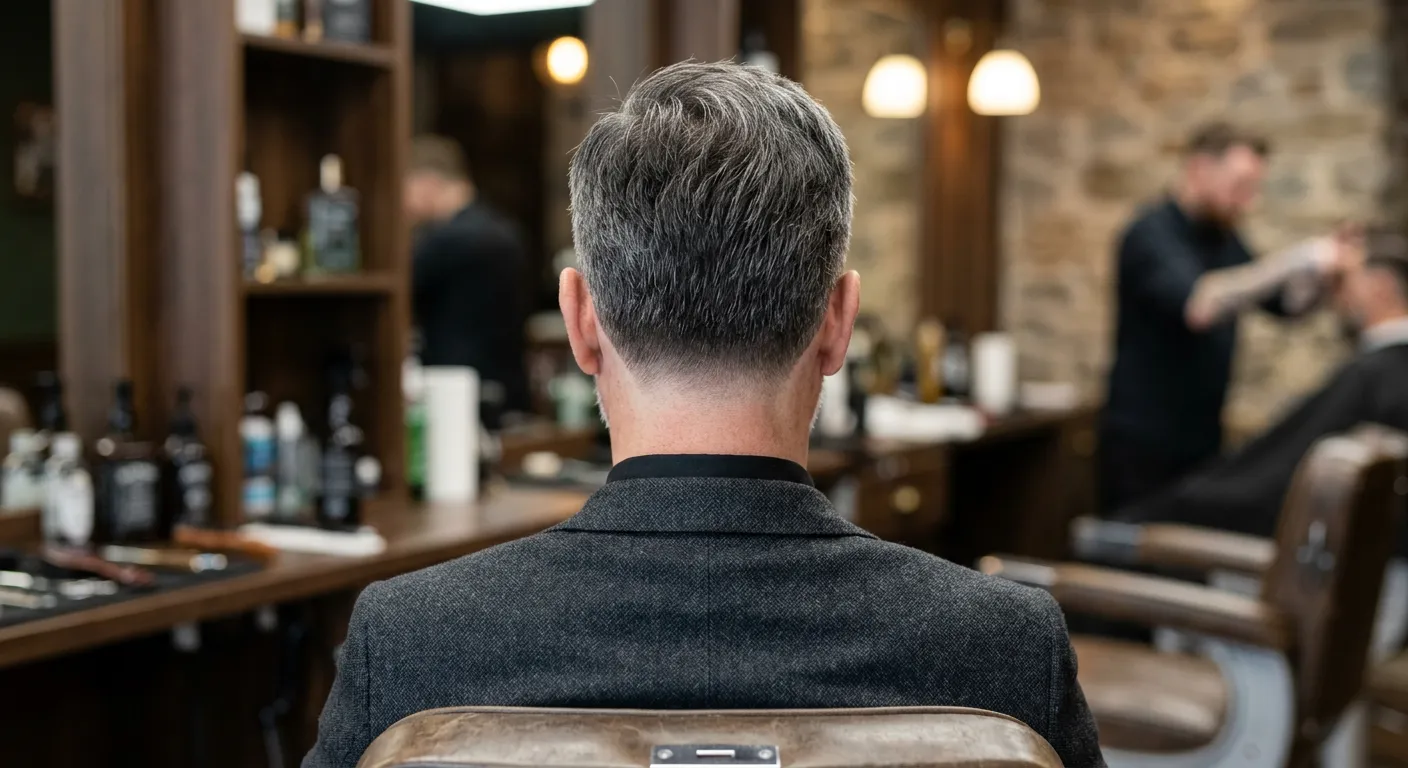
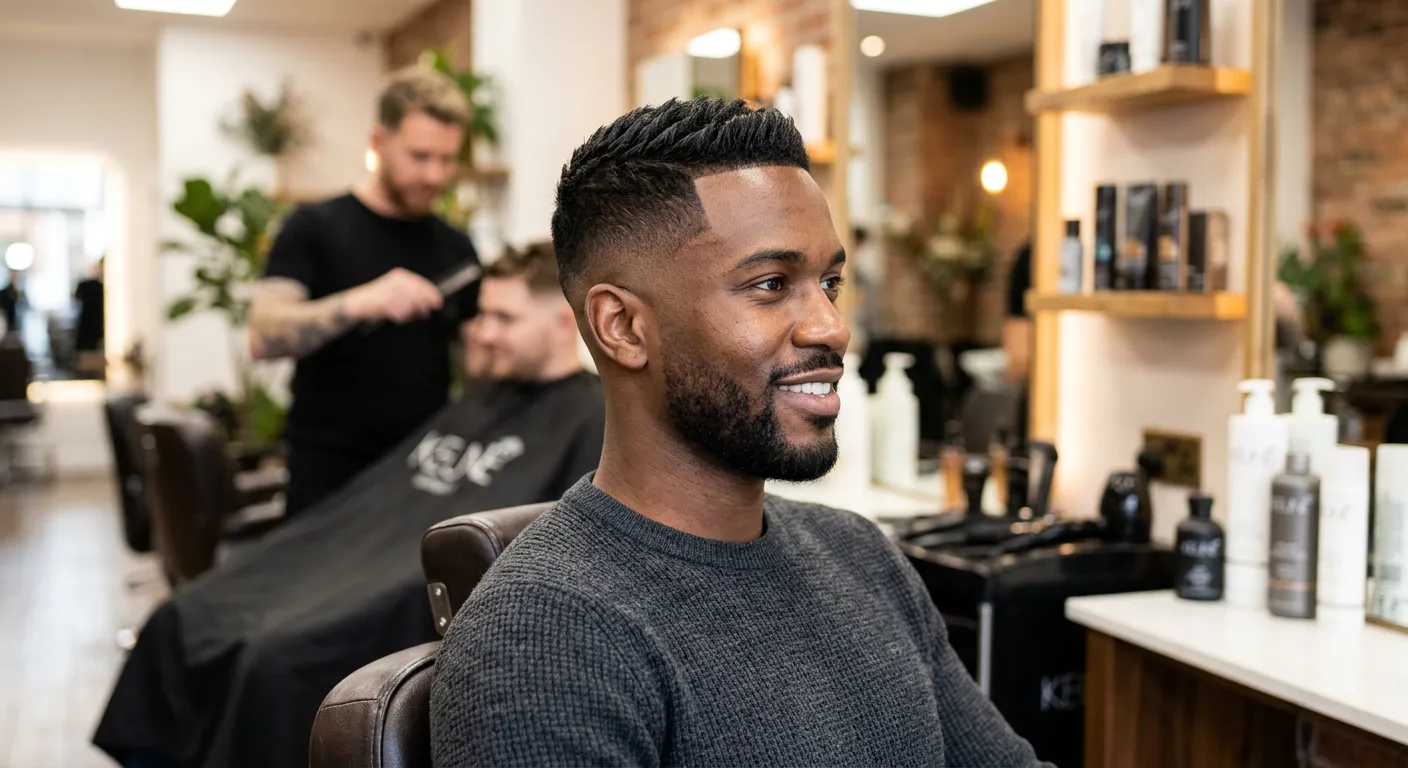
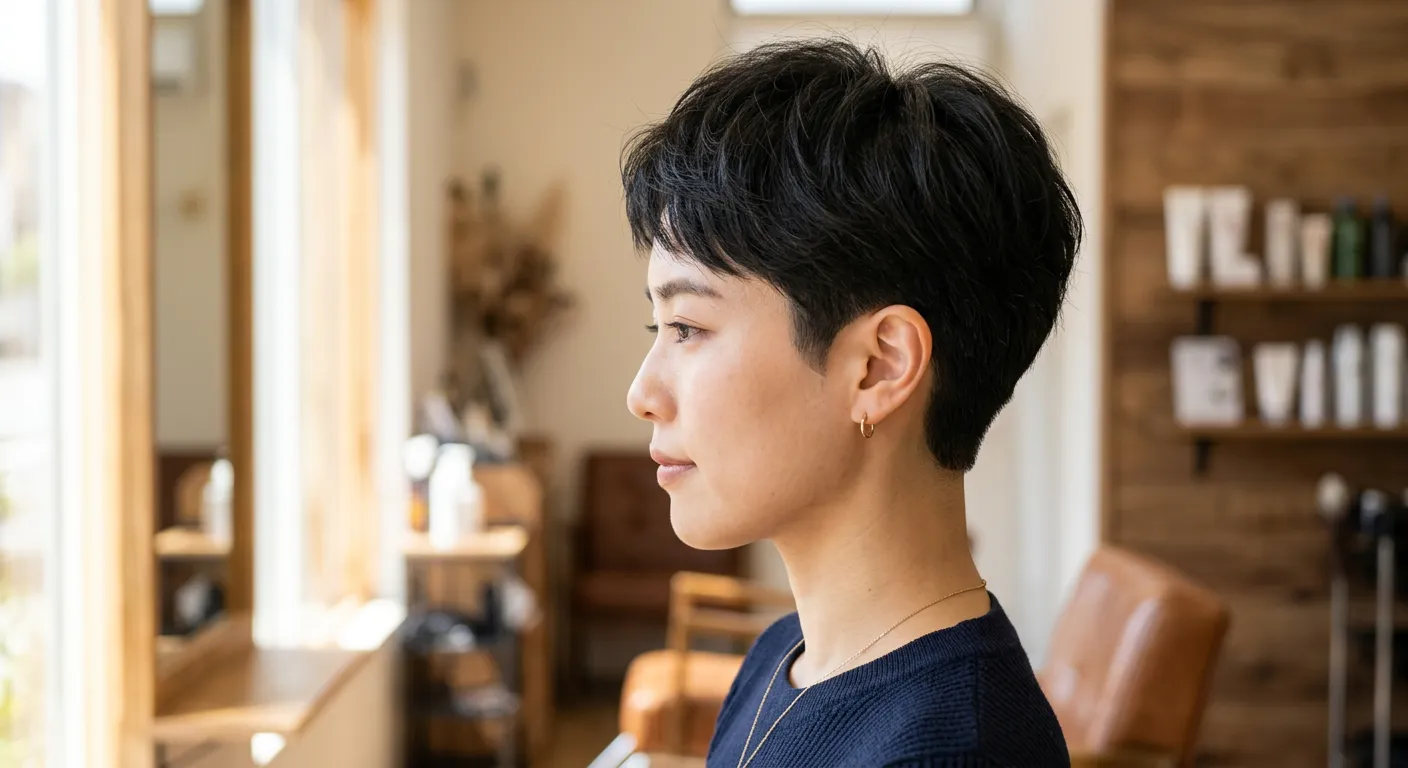
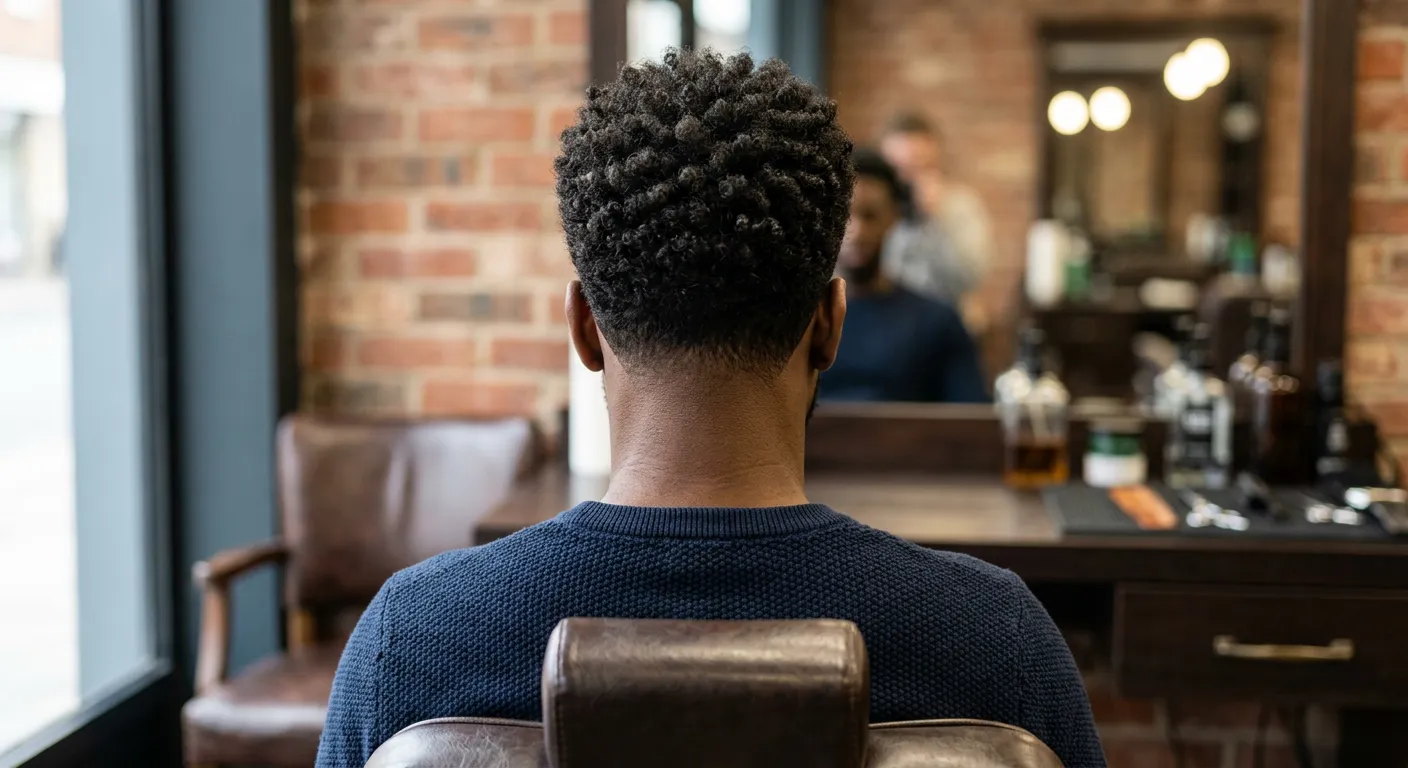
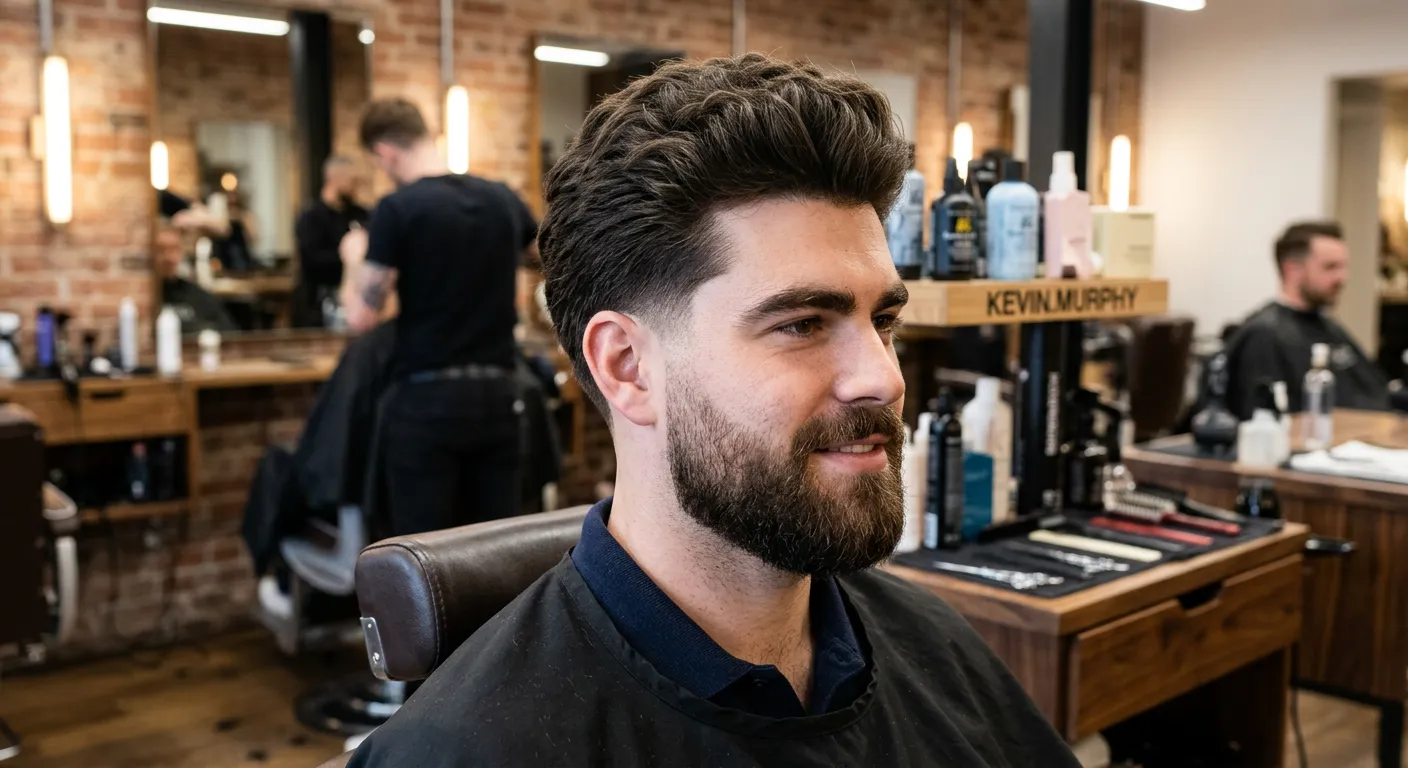
A taper gradually shortens the hair on the sides and back while leaving more length on top. The key difference between a taper and a fade is that a taper never goes down to the skin. The shortest point still has visible hair, usually around a number two or three guard. This gives you a clean, professional finish without the high-contrast drama of a skin fade. Tapers can start at different heights — low, mid, or high — and each version changes the overall vibe of the cut. A low taper is barely noticeable and extremely conservative. A high taper is bolder and removes more bulk. Most guys land somewhere in the middle.


Who Does It Suit?
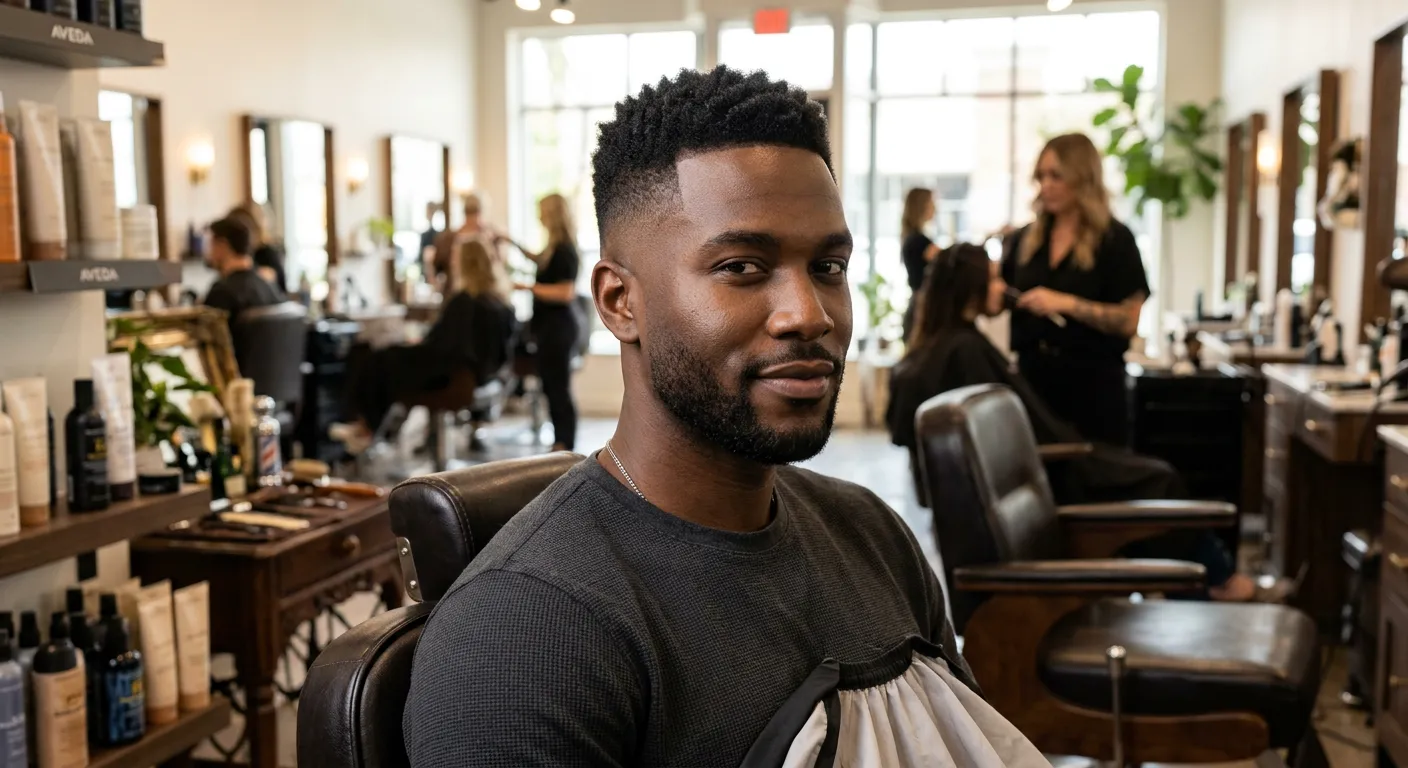
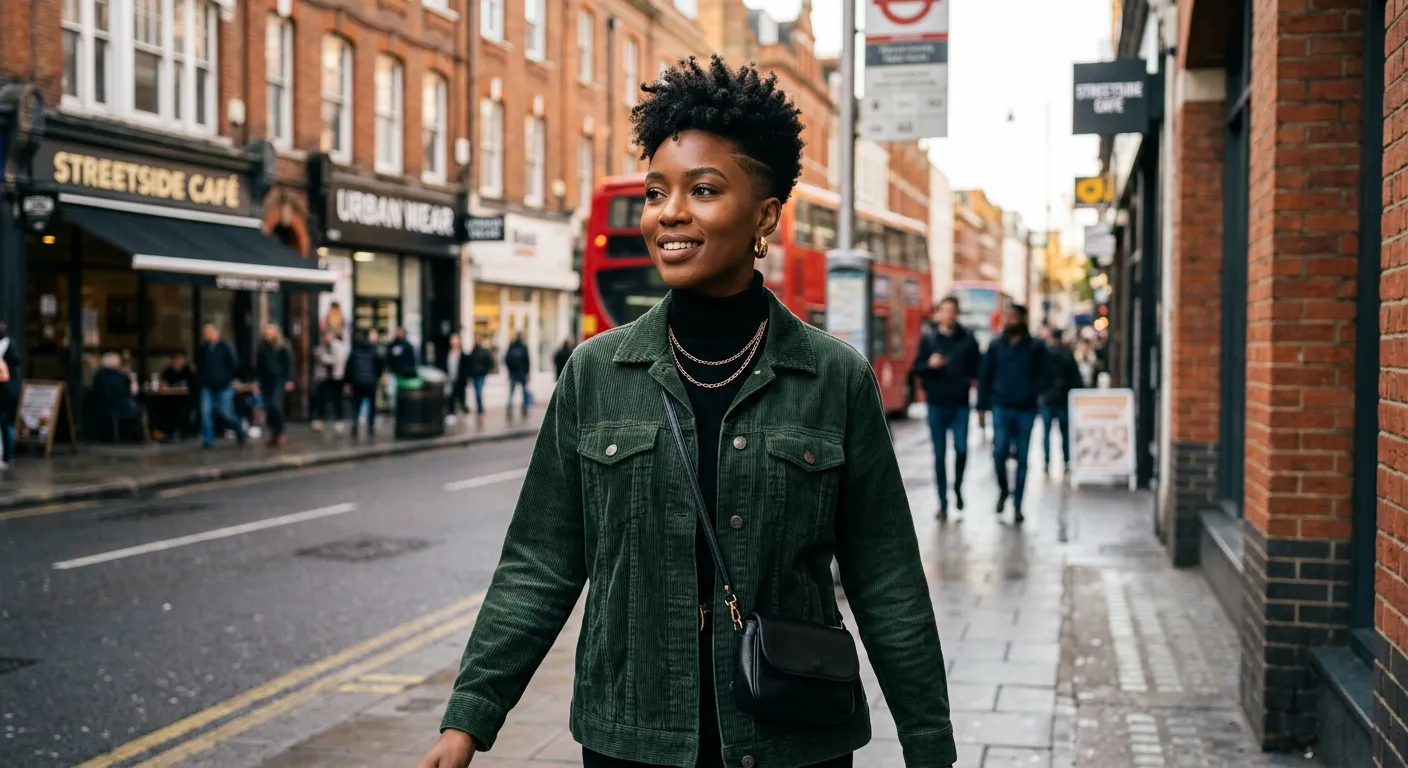
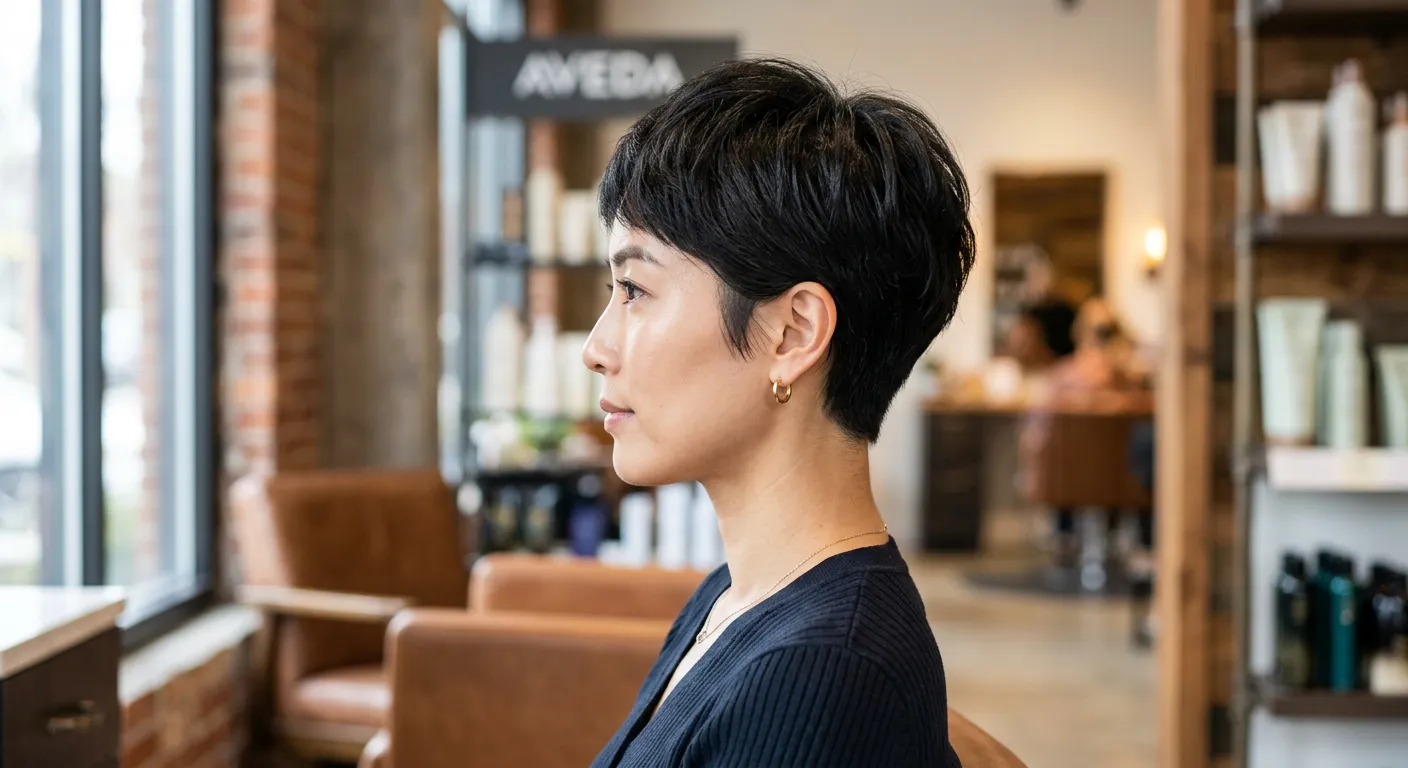
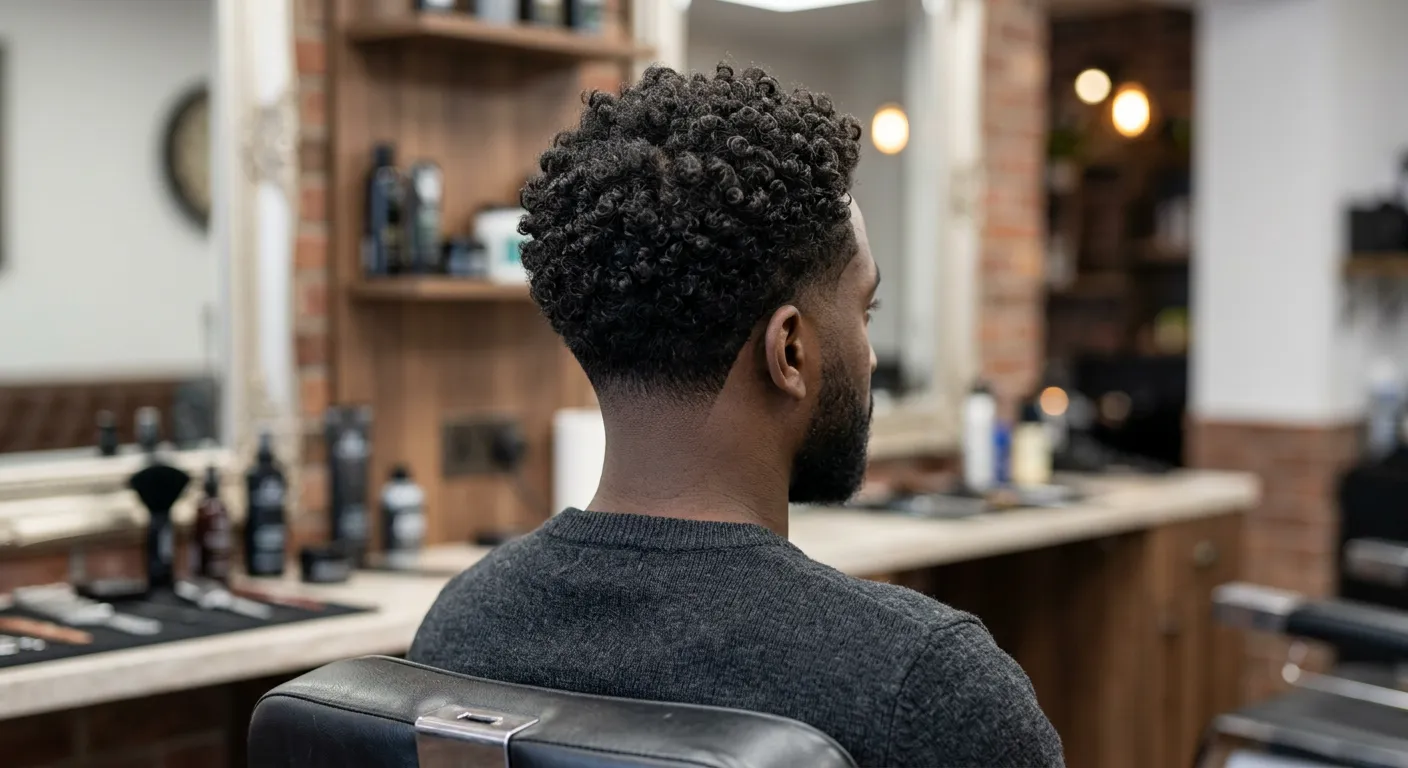
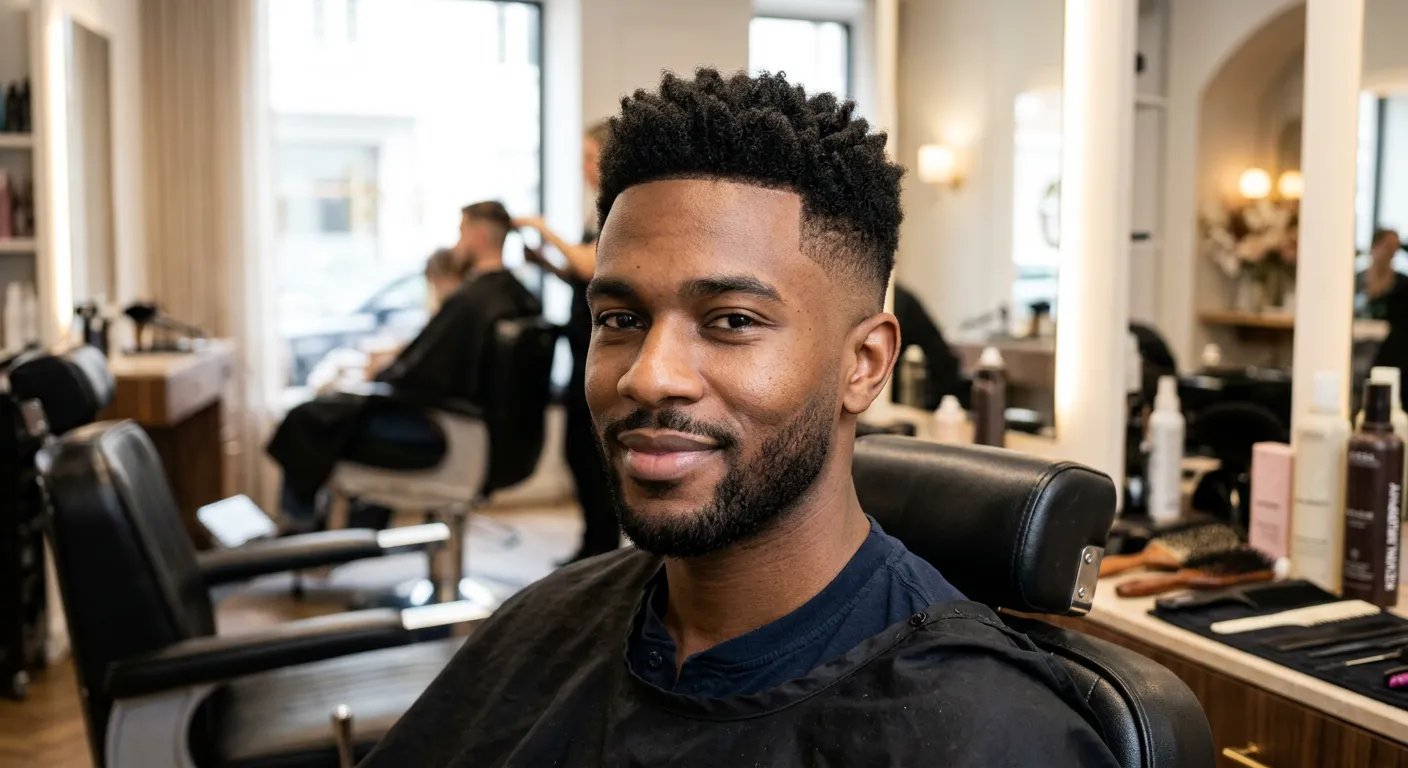
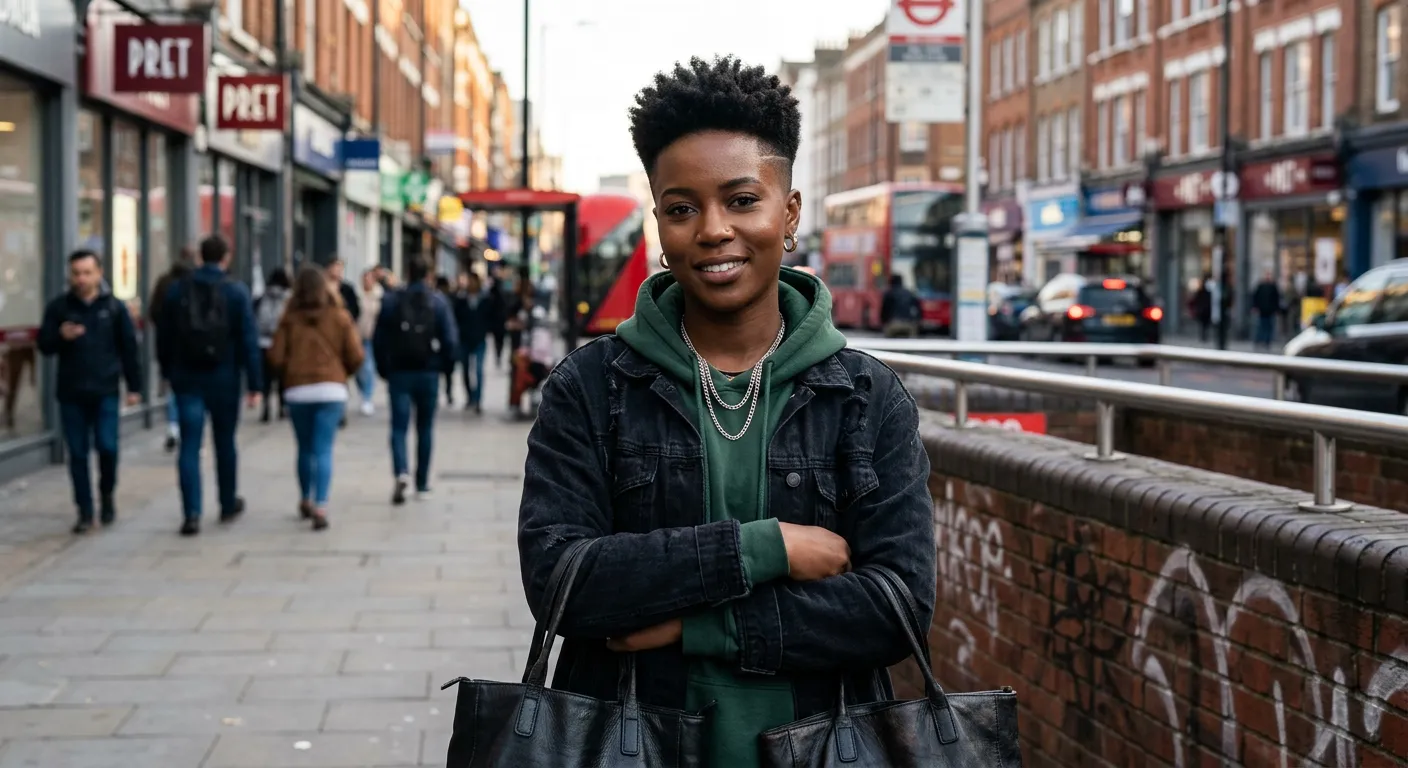
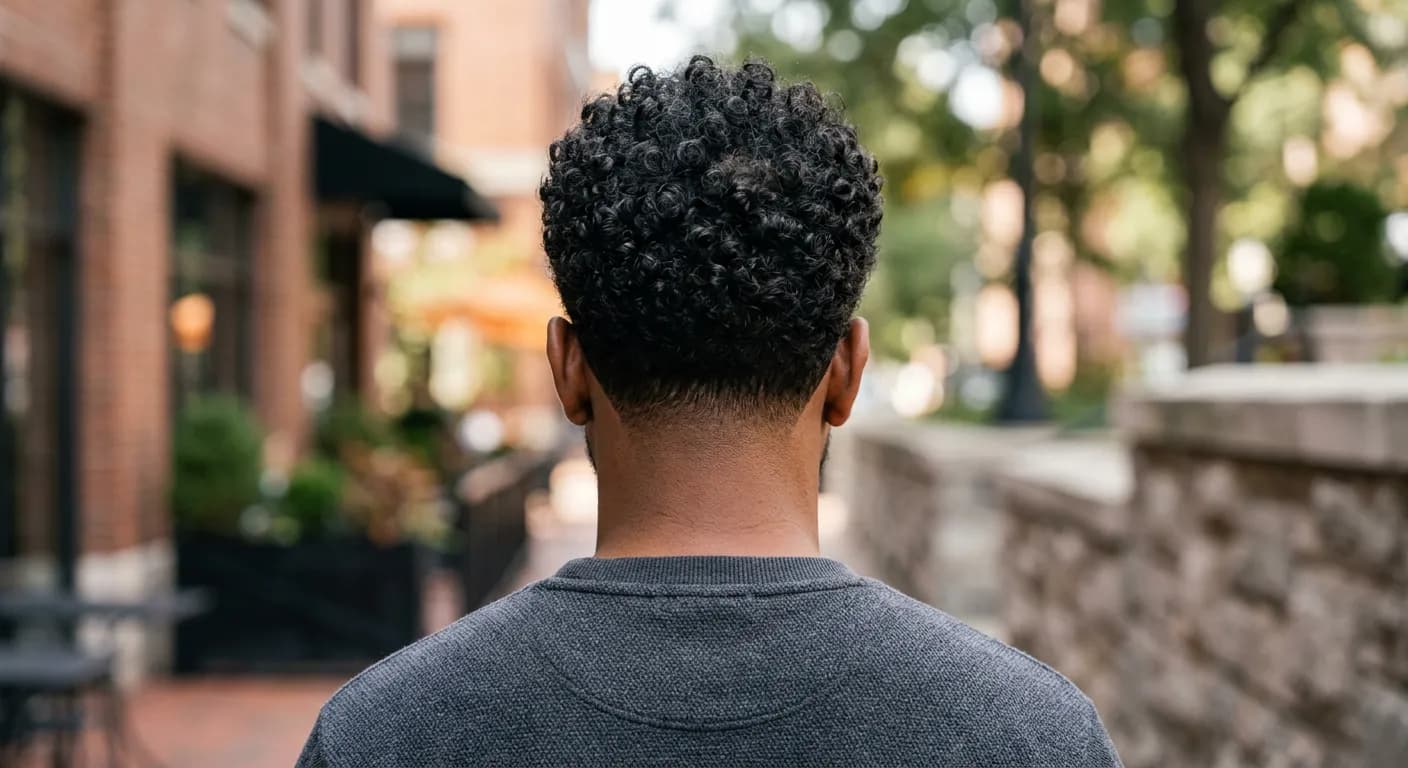
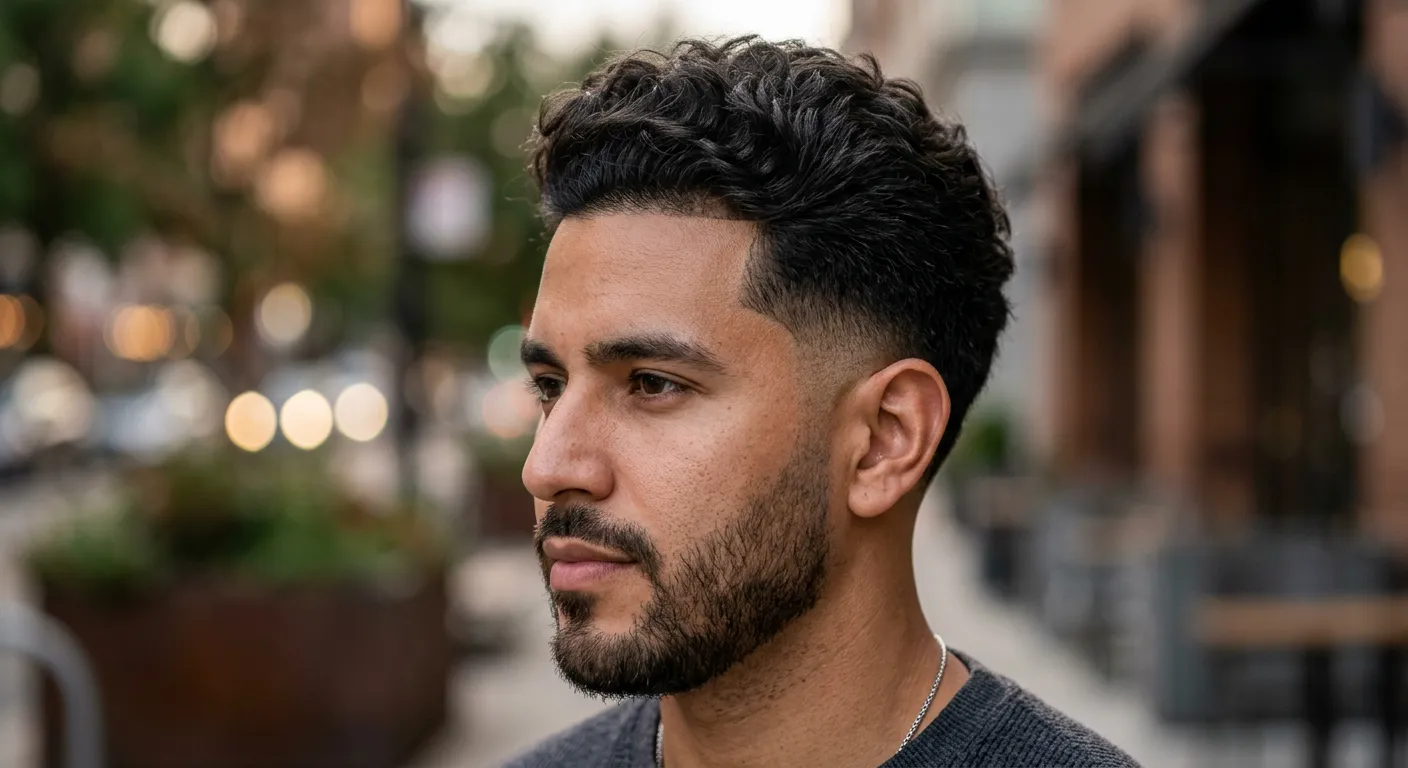
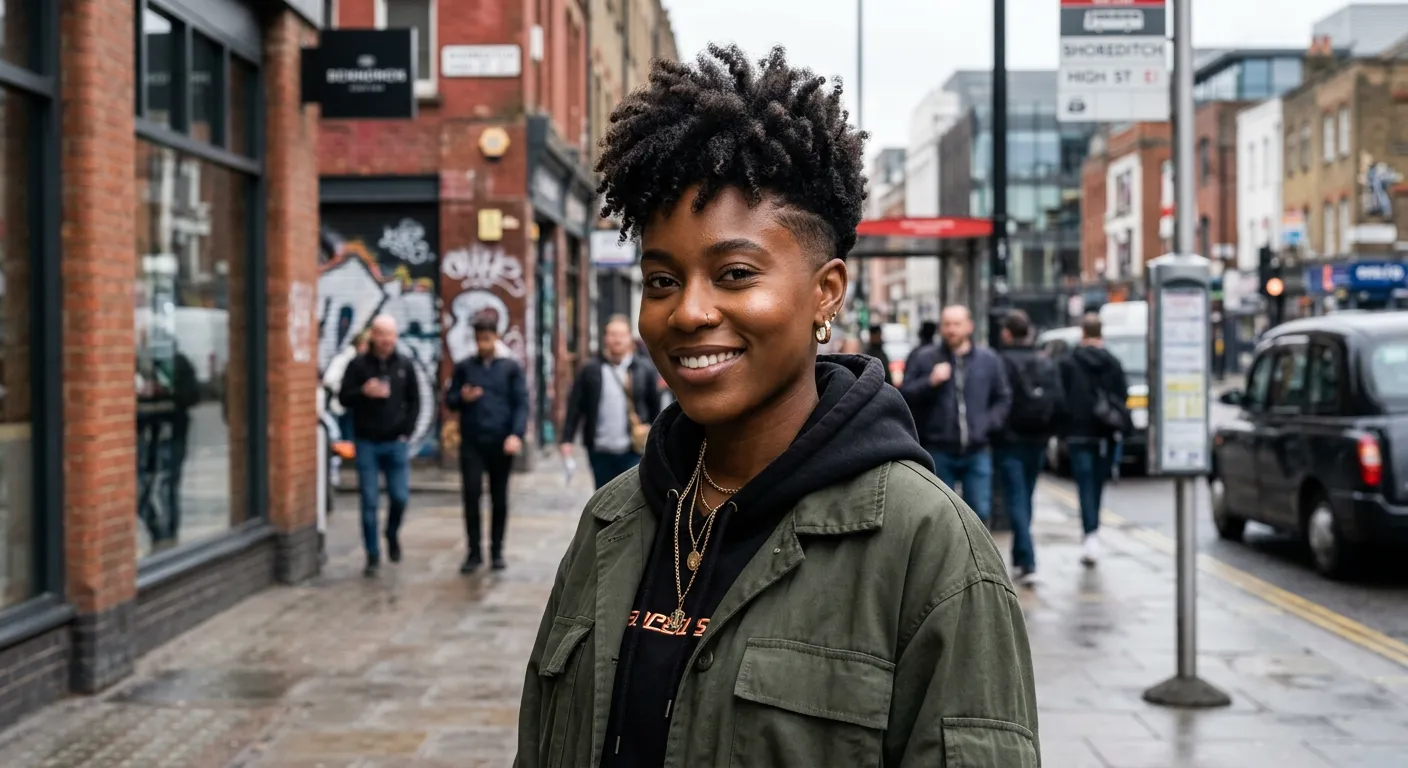
Honestly, almost everyone. That is not a cop-out answer — the taper is genuinely one of the most universally flattering cuts in barbering. Round faces benefit from a slightly higher taper that adds visual height. Square and rectangular faces look great with a low, gradual taper that softens strong jawlines. Oval faces can go in any direction. Hair texture barely matters either. Straight hair gets a sleek, corporate finish. Wavy and curly hair gets cleaned up on the sides while keeping all the personality on top. If you have thick hair, the taper thins things out without making you look like you lost volume. Fine hair? It keeps enough weight to avoid looking sparse.

Tapered Haircut
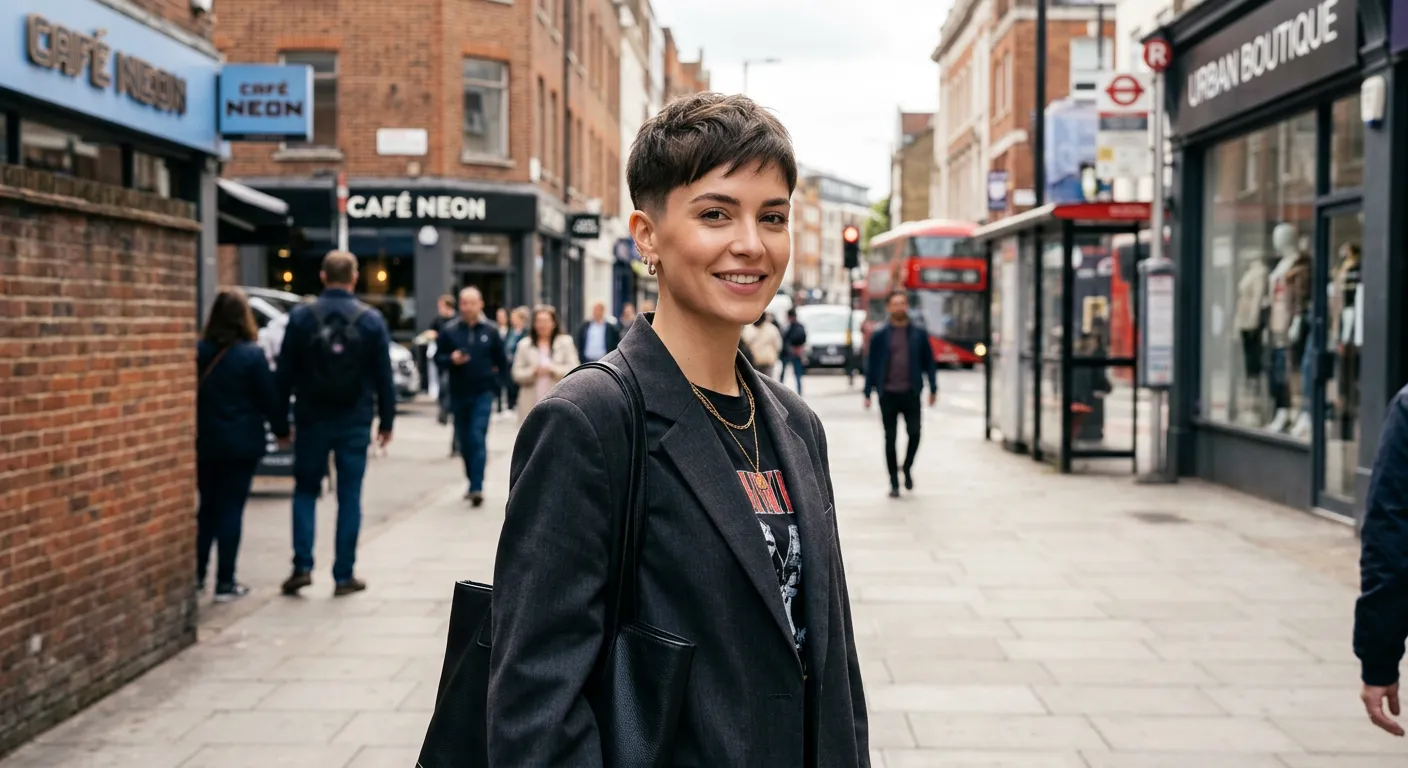
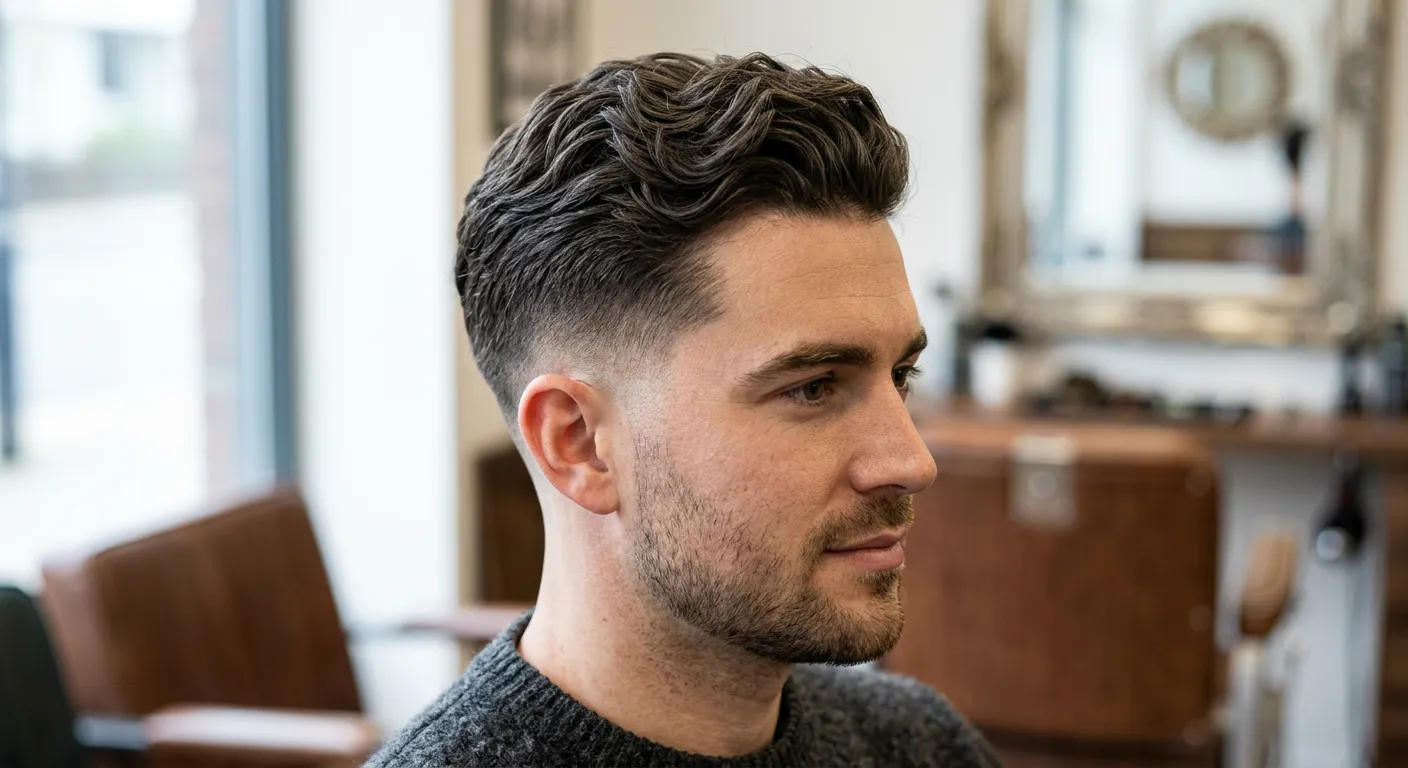
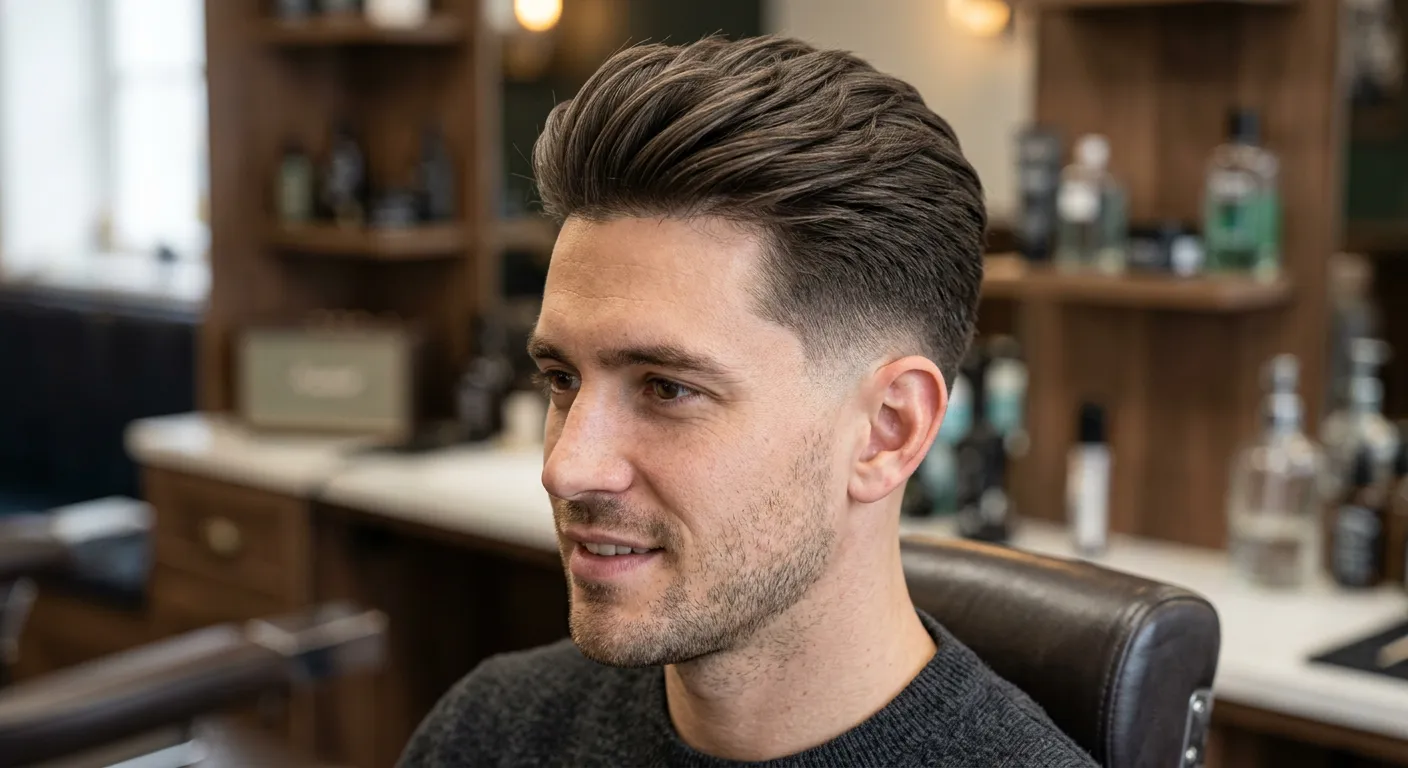
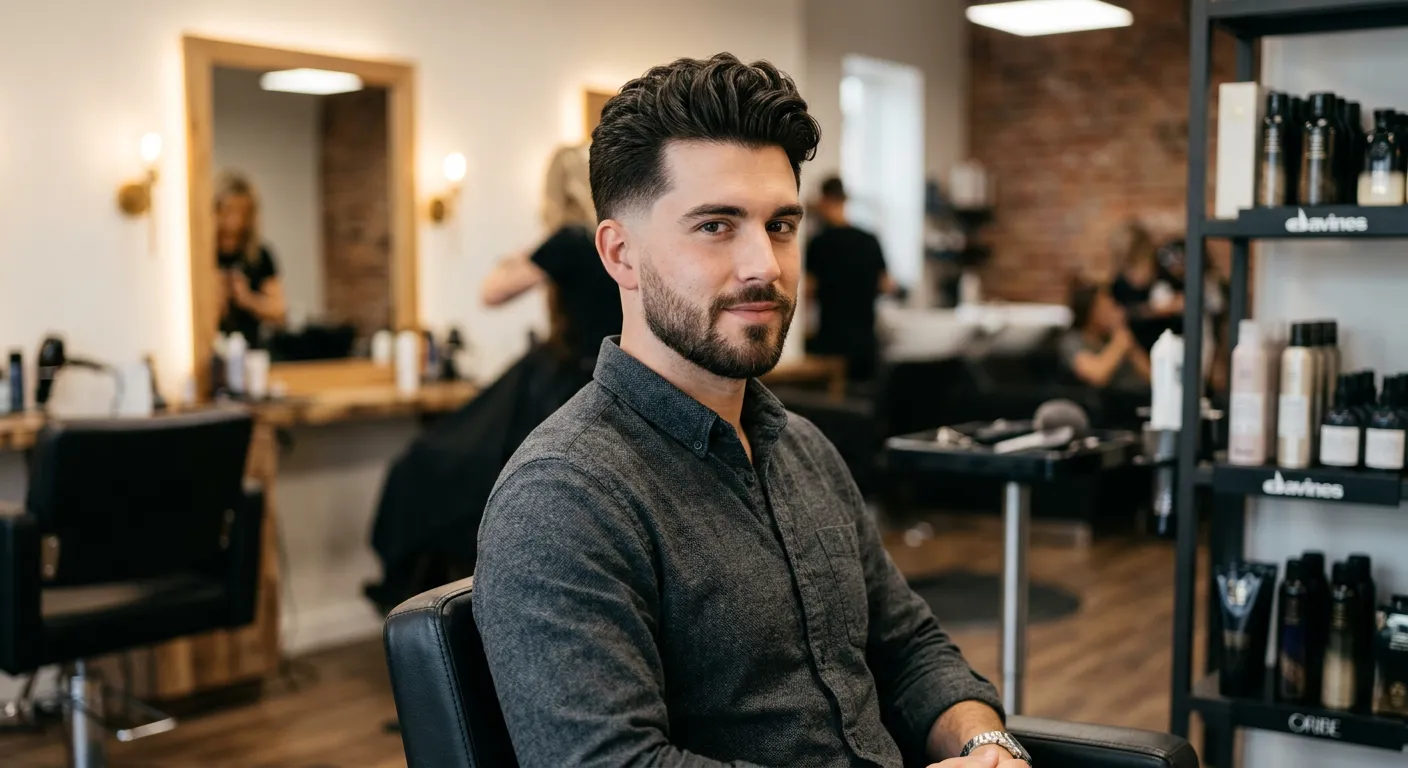
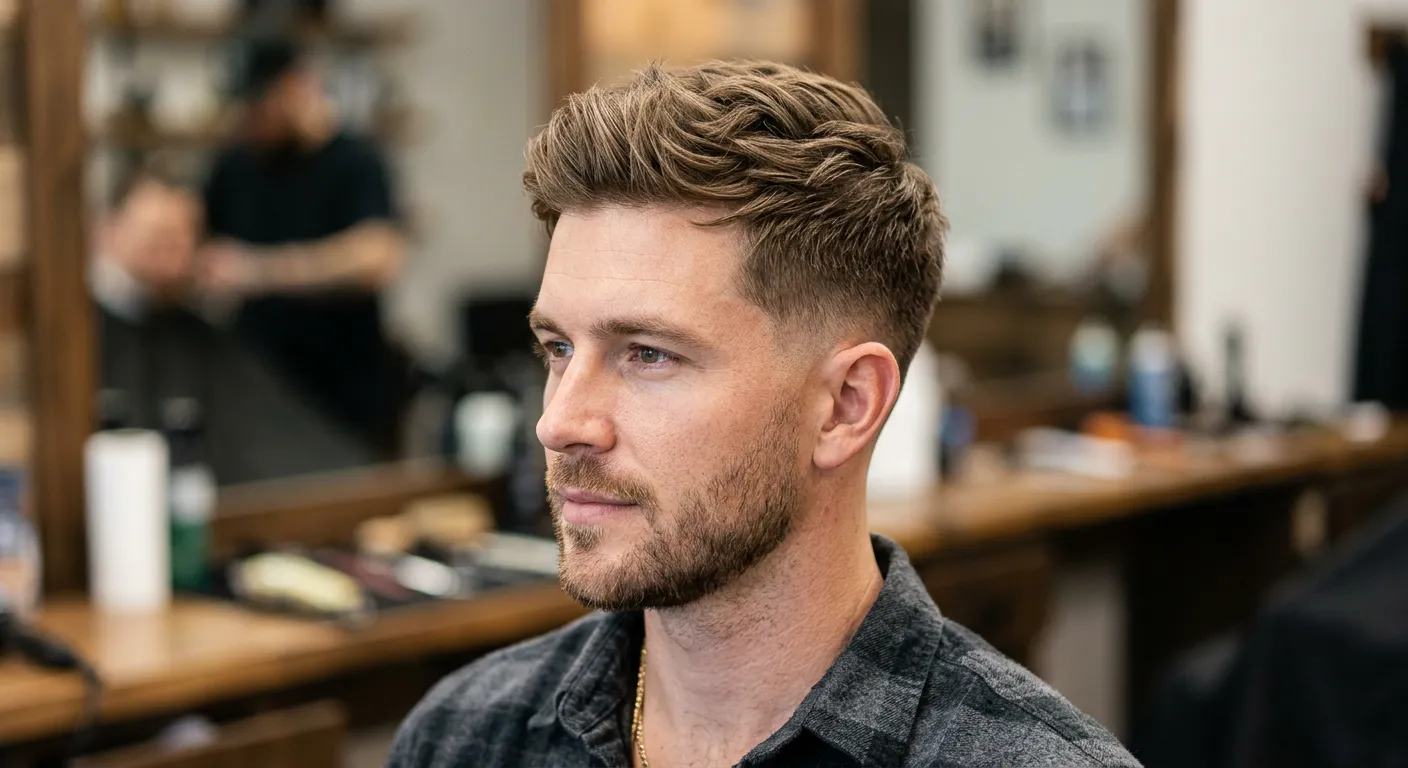
When someone says they want a tapered haircut, they are usually after the classic interpretation: longer on top, clean and graduated on the sides, with a natural-looking neckline. This is the version you see on news anchors, attorneys, and anyone who needs to look sharp without drawing too much attention. The beauty of the standard tapered cut is its subtlety. Nobody stares at your haircut; they just register that you look good. It pairs naturally with a side part, a textured crop, or even a longer, swept-back style. If you are new to barbershops or just want a reliable cut you do not have to think about, this is your starting point.
Taper Haircut for Men
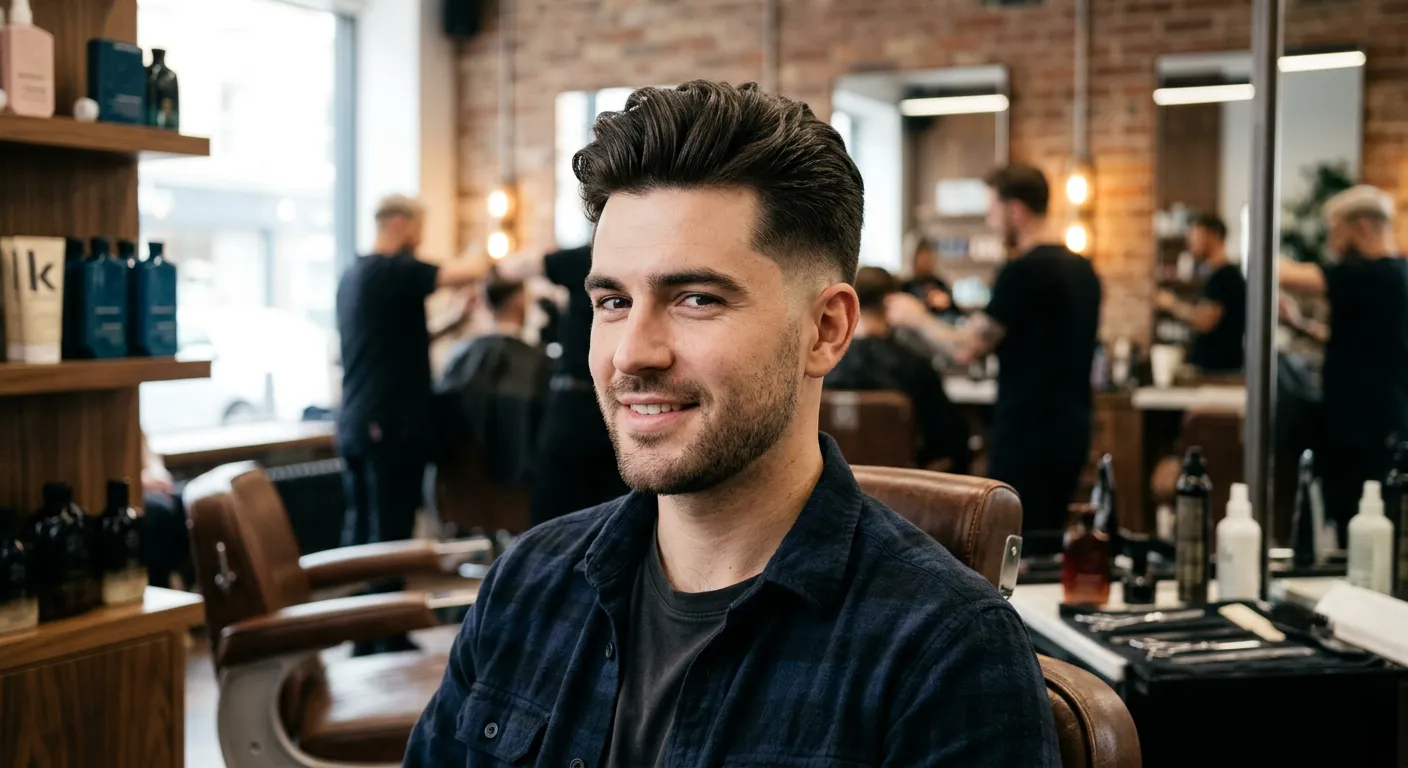
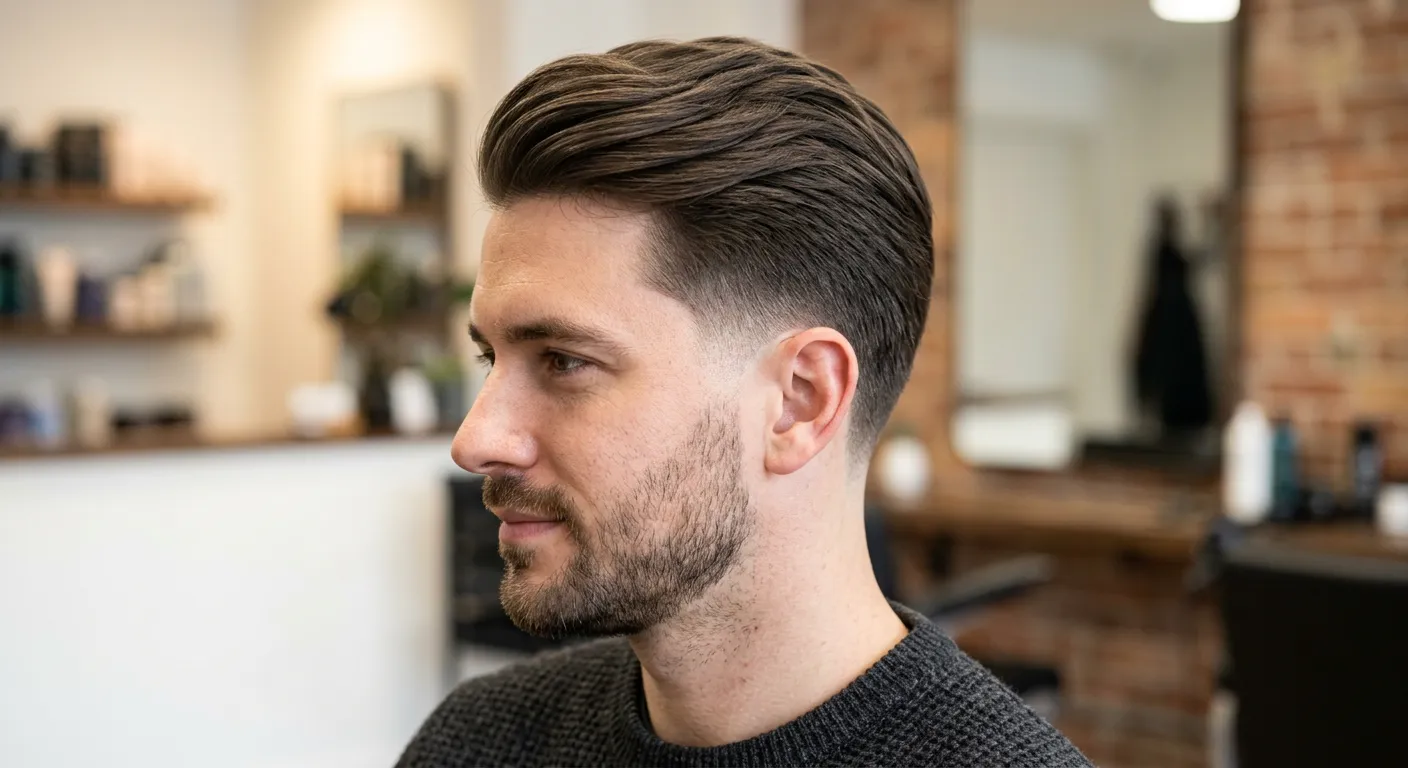
For men specifically, the taper is the foundation of probably eighty percent of modern haircuts. Even if your barber does not call it a taper, they are likely using the technique. A taper works underneath a pompadour, behind a quiff, alongside a comb-over, or framing a crew cut. It is less about the taper being the main event and more about it being the supporting structure that makes everything else look intentional. If you want to experiment with something on top — textured layers, a messy fringe, a slick-back — start with a taper on the sides and you are already halfway to a great haircut. It is also the easiest cut to grow out gracefully, which matters if you are not visiting the barber every two weeks.


How to Ask Your Barber
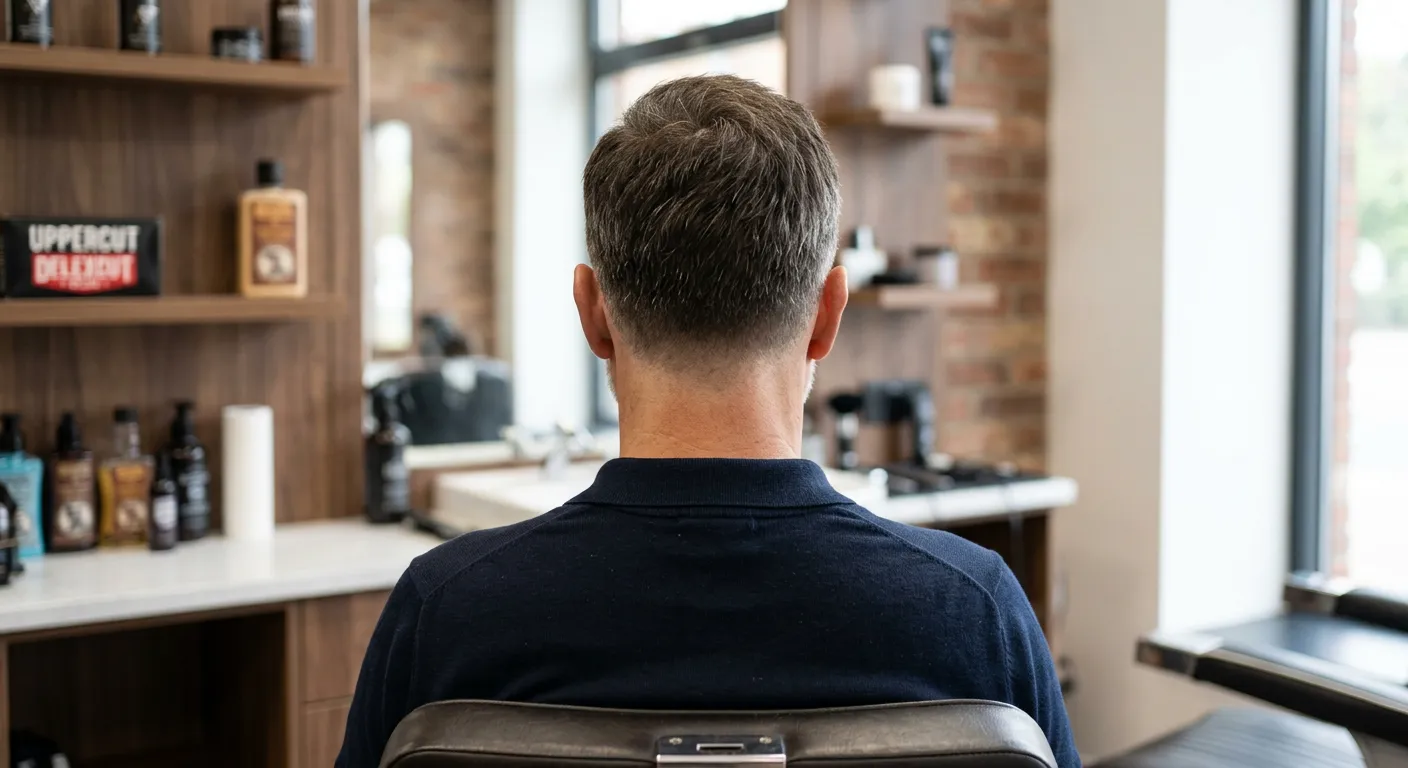
Walk in with a photo if you can — it eliminates ninety percent of miscommunication. Tell your barber you want a taper, not a fade, and specify low, mid, or high depending on how much graduation you want. Mention how much length you want on top in inches or by referencing a clipper guard number. For the neckline, you have three choices: natural (follows your hairline as-is), tapered (gradually blends into the neck), or blocked (a clean straight line). Most barbers will default to tapered, which looks the most polished. If you want sideburns cleaned up or your hairline shaped, say that upfront. Barbers appreciate clients who know what they want, but a simple "clean taper, a couple inches on top" gets you ninety percent of the way there.
Styling and Maintenance
A taper is low-effort by design, but a few habits keep it looking fresh longer. Book a trim every three to four weeks — tapers grow out more gracefully than fades, so you have a wider window. Between visits, keep the neckline tidy with a small trimmer if it starts looking fuzzy. For styling, match the product to the look: a matte clay or paste for textured, natural finishes; a medium-hold pomade for something slicker; or just a dab of leave-in conditioner if your hair has enough natural texture to do its own thing. Wash every other day rather than daily to keep your hair from drying out, and use a conditioner every time. If you have curly or coiled hair, a light cream or oil keeps the top defined while the tapered sides frame everything neatly.