


Curly Hairstyles: Your Complete Guide to Embracing Natural Texture
Curly hair isn't a limitation -- it's a superpower. With the right cut and care routine, natural curls create volume, movement, and dimension that straight-haired people spend hours trying to fake with hot tools and product. Whether you're rocking loose waves or tight coils, the key to a great curly hairstyle is working with your texture, not against it. Here's everything you need to know to make your curls look incredible.

Understanding Your Curl Type
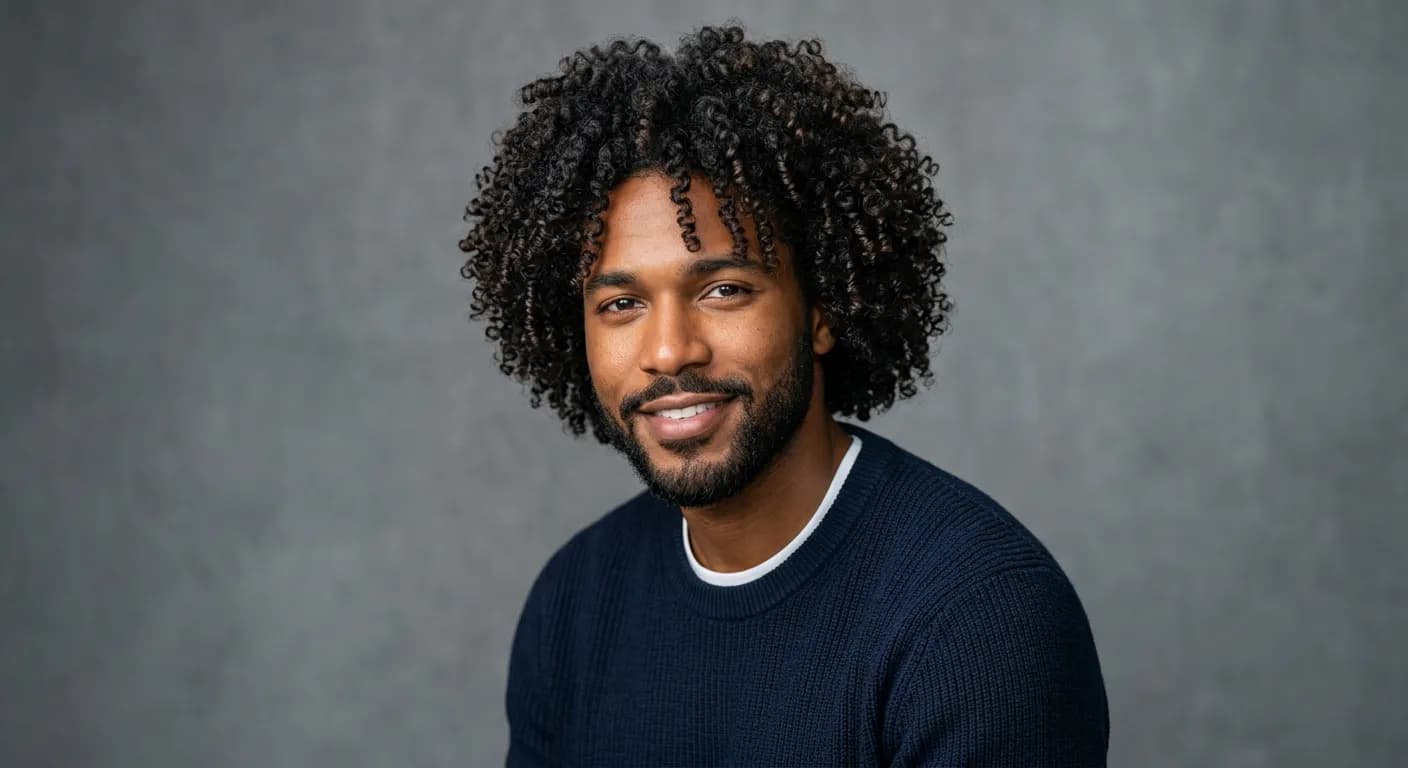
Before choosing a hairstyle, you need to know what you're working with. The widely used typing system runs from 2A (loose, barely-there waves) through 3A-3C (defined curls ranging from loose spirals to tight corkscrews) to 4A-4C (dense coils and zig-zag patterns). Your curl type determines which cuts will look best, which products you need, and how much shrinkage you'll experience when your hair dries. A quick test: wash your hair, skip all products, and let it air dry completely. What you see in the mirror is your natural pattern. Most people have a mix of two or three curl types across different sections of their head, and that's completely normal.

Best Cuts for Wavy Hair (Type 2)
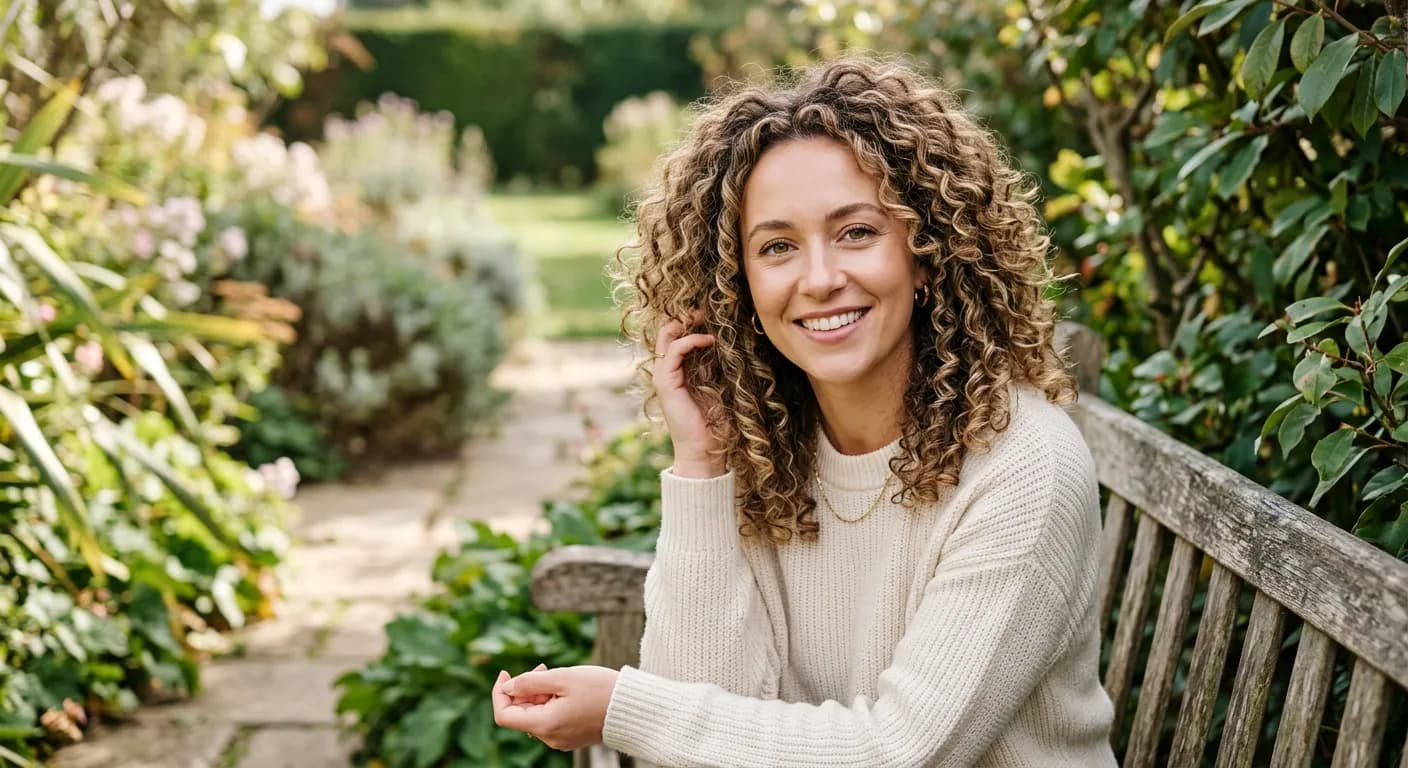
Wavy hair thrives with long layers that enhance the natural S-shaped pattern without weighing it down. A layered lob (long bob) hitting just below the shoulders is one of the most flattering options -- it gives waves room to form without getting too heavy at the ends. Shag cuts work beautifully on wavy hair, adding movement and volume through the crown. Avoid blunt, one-length cuts that can make waves look flat and triangular. If you want bangs, curtain bangs are your best friend: they frame the face and blend naturally into the wave pattern without the daily straightening that blunt bangs demand.

Best Cuts for Curly Hair (Type 3)
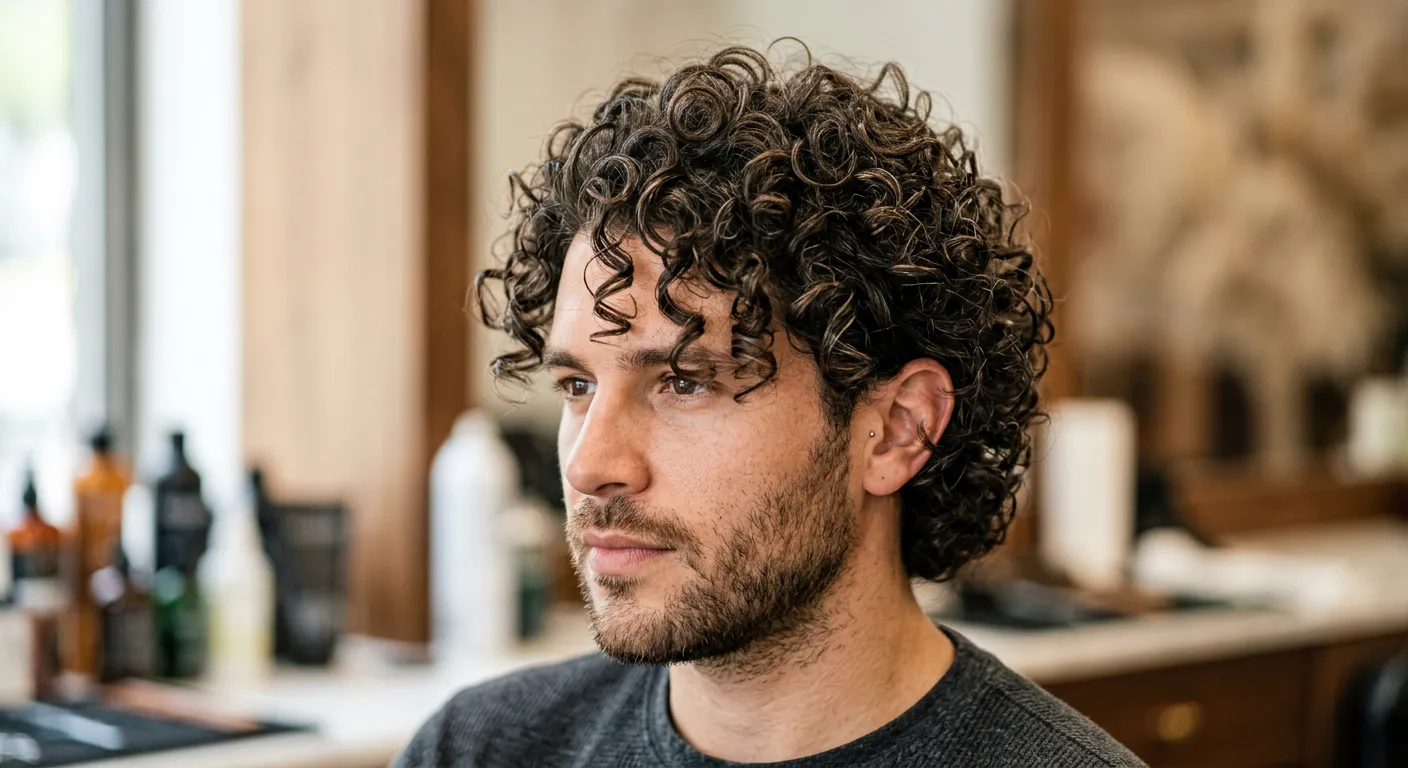
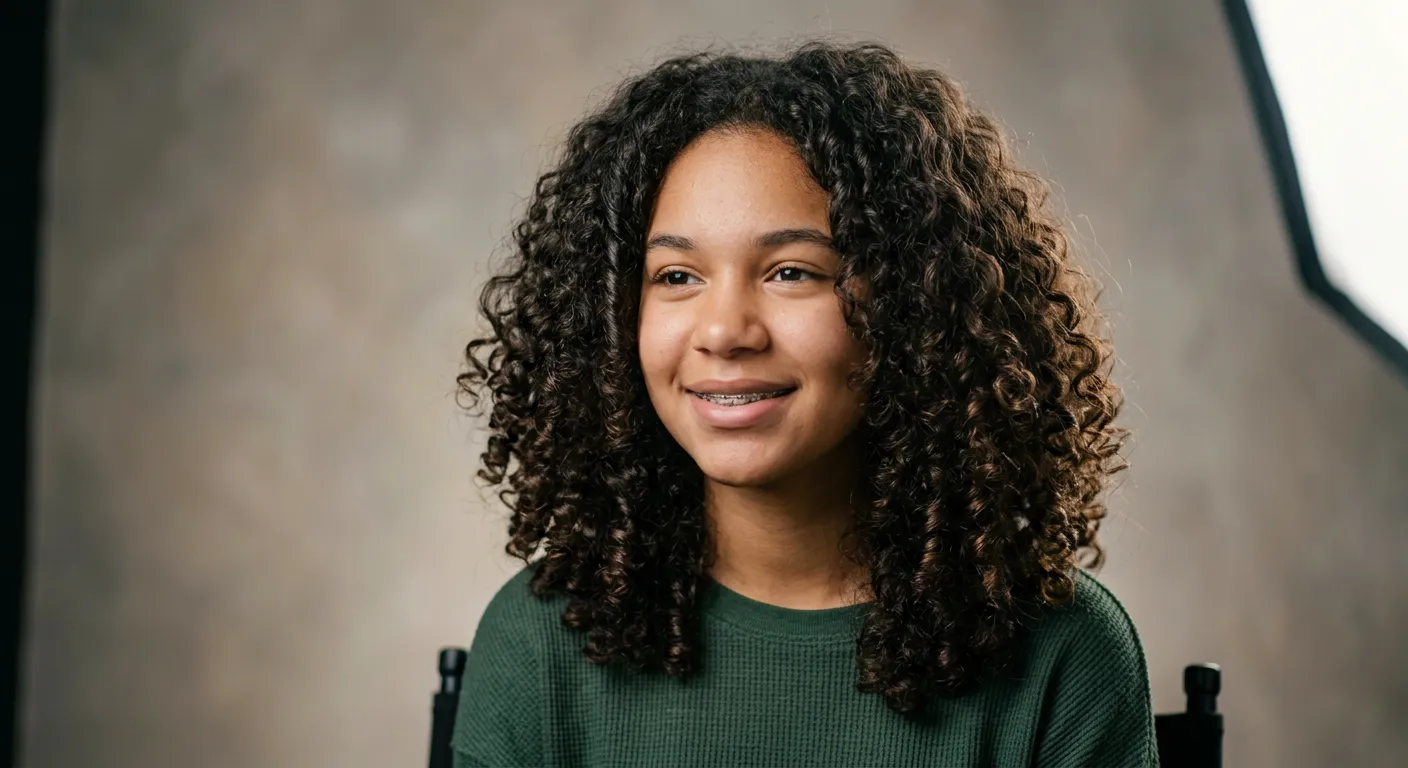
Type 3 curls need shape and strategic layering to prevent the dreaded triangle silhouette -- heavy at the bottom, flat on top. A DevaCut or dry cut is essential because curly hair looks completely different wet versus dry, and cutting it in its natural state ensures the layers fall correctly. Medium-length cuts with rounded layers that frame the face are universally flattering. For shorter styles, a curly bob or curly pixie makes a stunning statement. The key principle: your layers should remove bulk from the bottom third of your hair while preserving volume at the crown and mid-lengths.

Best Cuts for Coily Hair (Type 4)
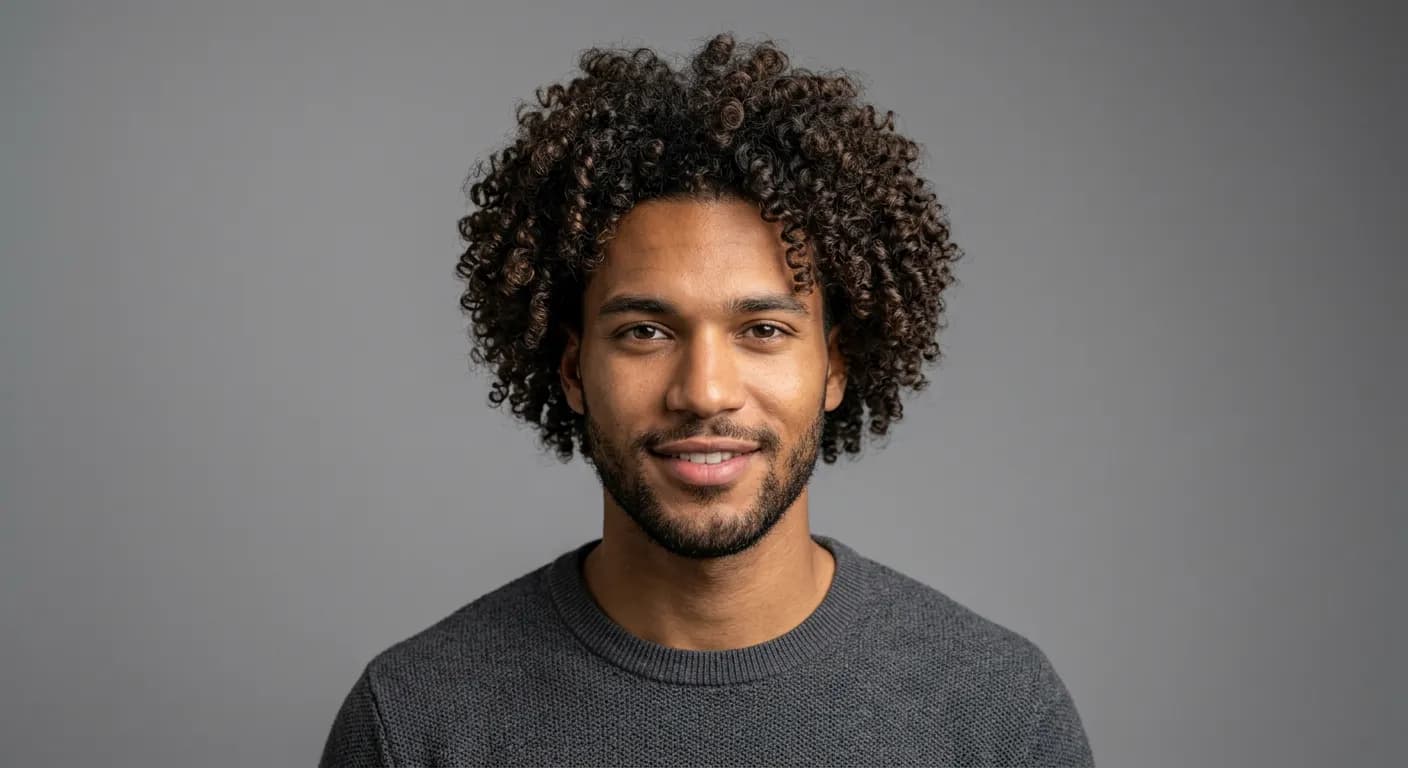
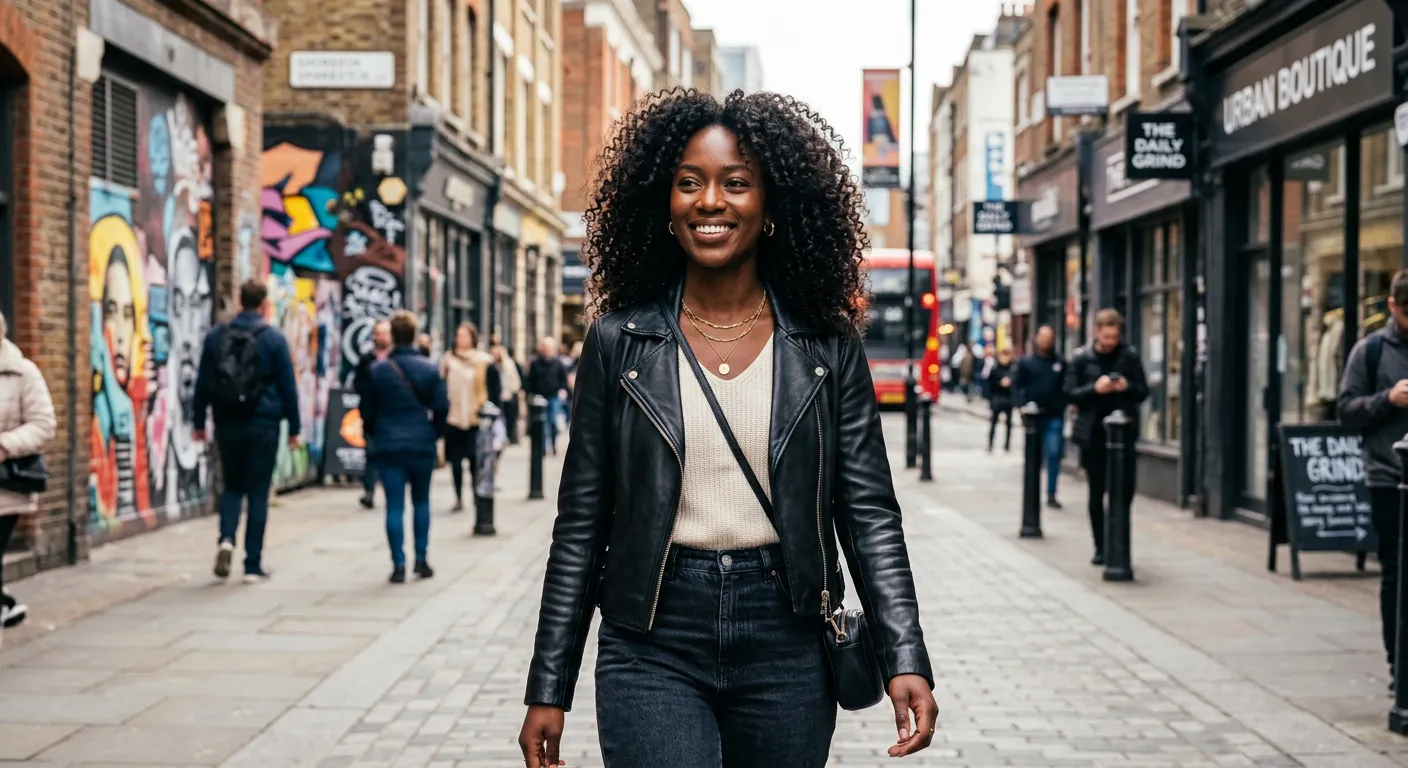
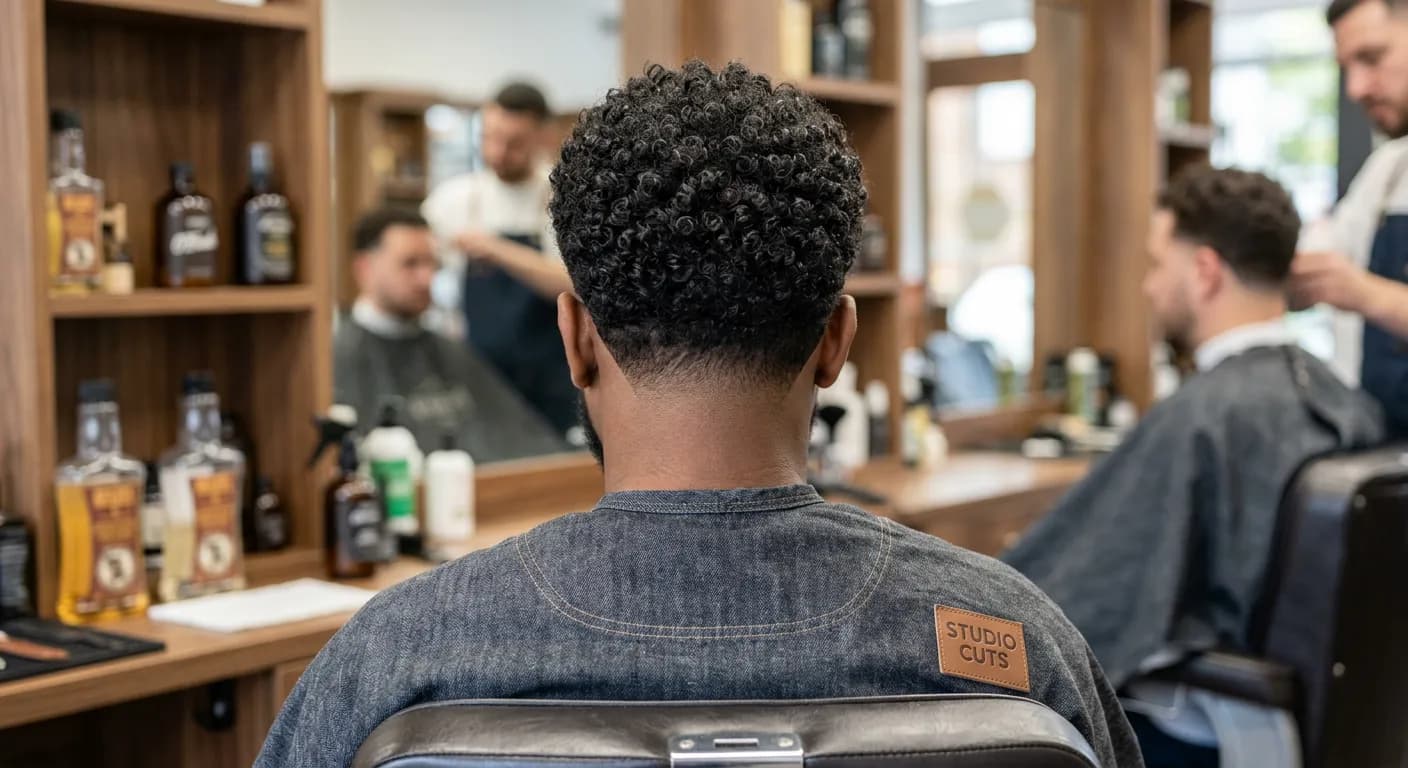
Coily hair has incredible versatility that often goes underappreciated. A tapered cut that's shorter on the sides with more length on top shows off your texture while keeping things manageable. TWA (teeny weeny afro) is a bold, low-maintenance option that looks stunning. For longer styles, layers help define the shape and prevent the hair from becoming a single mass. Protective styling -- braids, twists, bantu knots -- isn't just practical, it's a styling category all on its own. Whatever cut you choose, find a stylist experienced with coily hair specifically, because the techniques differ significantly from those used on looser curl types.



How to Ask for a Curly Cut at the Salon
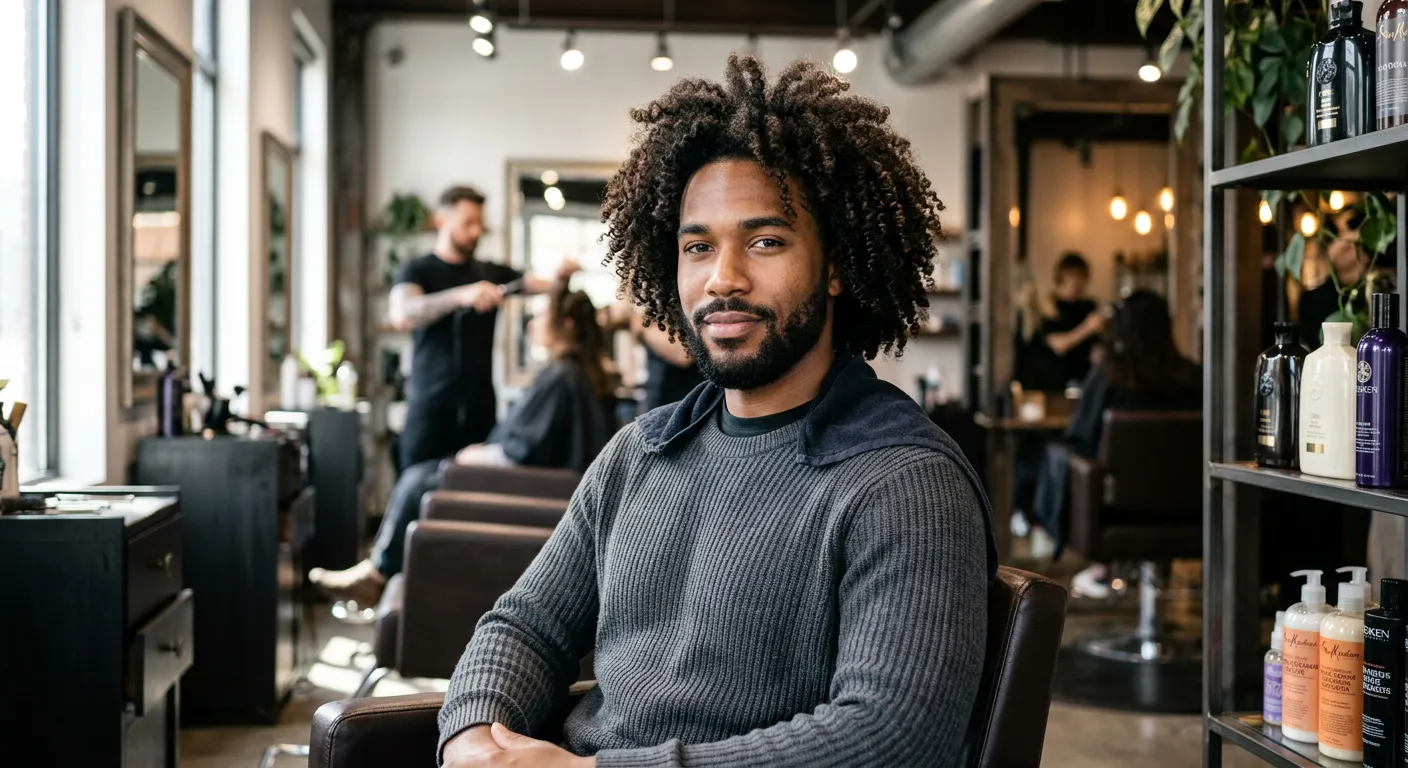
Always request a dry cut or bring your hair in its natural, dry state so the stylist can see your actual curl pattern. Bring photos of people with similar curl types wearing the style you want -- not photos of straight-haired models whose hair was curled with an iron. Ask your stylist if they have experience with your specific hair texture. Discuss how much shrinkage your curls have, because what looks like six inches of curl might only be three inches when fully dry. Be clear about your daily effort level: if you're a wash-and-go person, say so, because some curly styles require more manipulation than others.
Essential Styling Techniques
The "scrunching" method works for most curl types: apply your styling product to soaking wet hair, then scrunch upward from the ends to encourage curl formation. "Plopping" -- wrapping wet, styled hair in a microfiber towel or cotton t-shirt -- reduces frizz and helps curls set while drying. The "praying hands" technique smooths product over clumps of curls to distribute it evenly without disrupting the pattern. And the "pineapple" -- gathering your hair loosely on top of your head before bed -- preserves next-day curls overnight. These aren't trends; they're foundational techniques that curly-haired people swear by worldwide.

Products That Actually Make a Difference
The curly hair product market is overwhelming, but you really only need three to four essentials. A sulfate-free shampoo or co-wash keeps hair clean without stripping moisture. A rich conditioner is non-negotiable -- apply generously and detangle with a wide-tooth comb while it's in. A leave-in conditioner or curl cream provides the moisture base your style sits on. And a gel or mousse provides hold and definition. Apply gel to dripping wet hair for maximum cast, then scrunch out the crunch once fully dry for soft, defined curls. Skip silicone-heavy products if you're not using sulfate shampoo, since they build up without proper cleansing.

Common Mistakes to Avoid
Brushing curly hair when dry is the fastest route to a frizzy disaster -- only detangle when wet and saturated with conditioner. Overwashing strips natural oils that your curls desperately need; two to three washes per week is plenty for most people. Rubbing hair with a terry cloth towel creates friction frizz; switch to a microfiber towel or old t-shirt. Skipping regular trims leads to stringy, undefined ends that drag down your whole style. And using heat tools without protectant is playing with fire, literally -- damaged curls lose their pattern permanently if the heat is too high or too frequent.