



The Bob Haircut: A Style Guide for Every Face and Hair Type
The bob has been reinventing itself for over a century, and it's still the haircut that stylists recommend more than any other. Whether you're going short for the first time or looking for a fresh take on a style you've worn for years, the bob delivers a clean, confident silhouette that flatters almost everyone. It's the rare cut where simplicity and sophistication genuinely overlap.

What Is a Bob Haircut
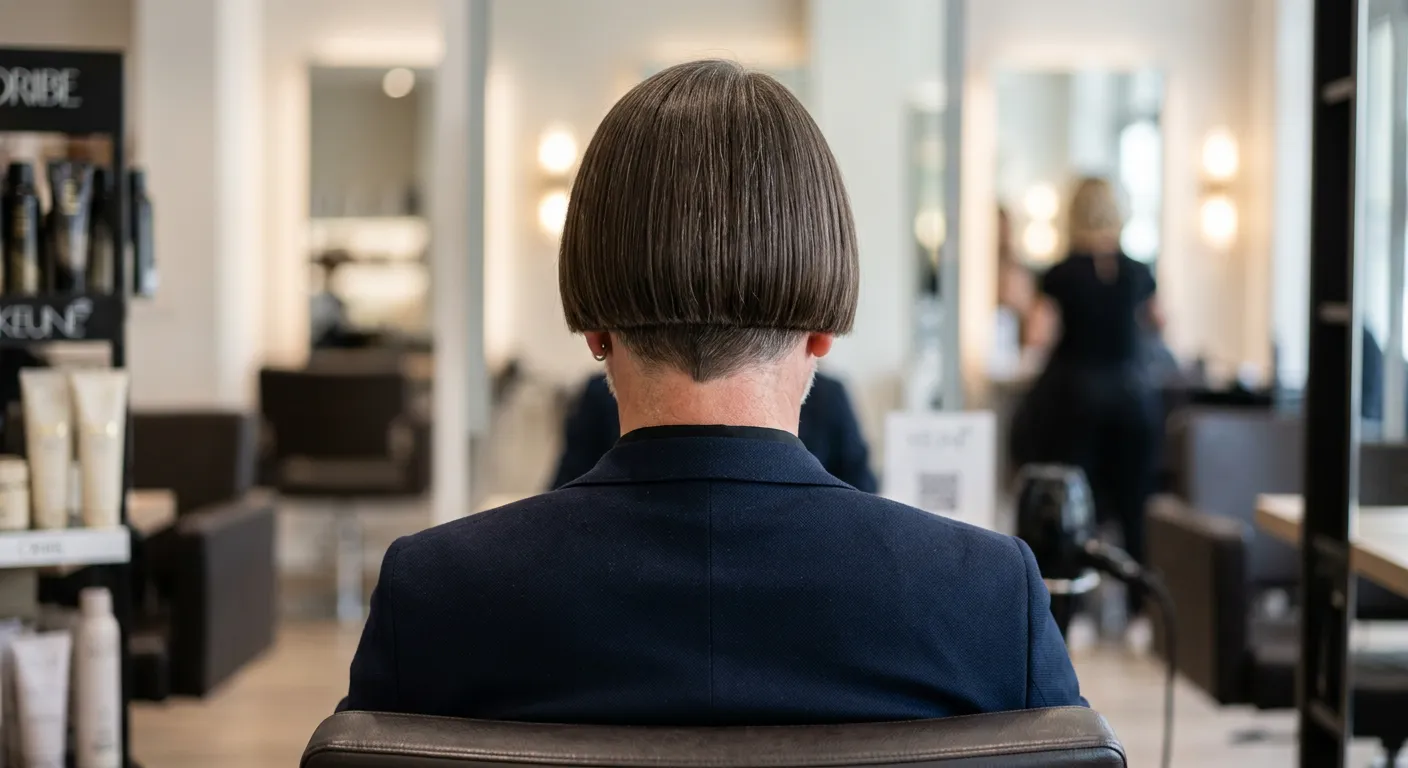
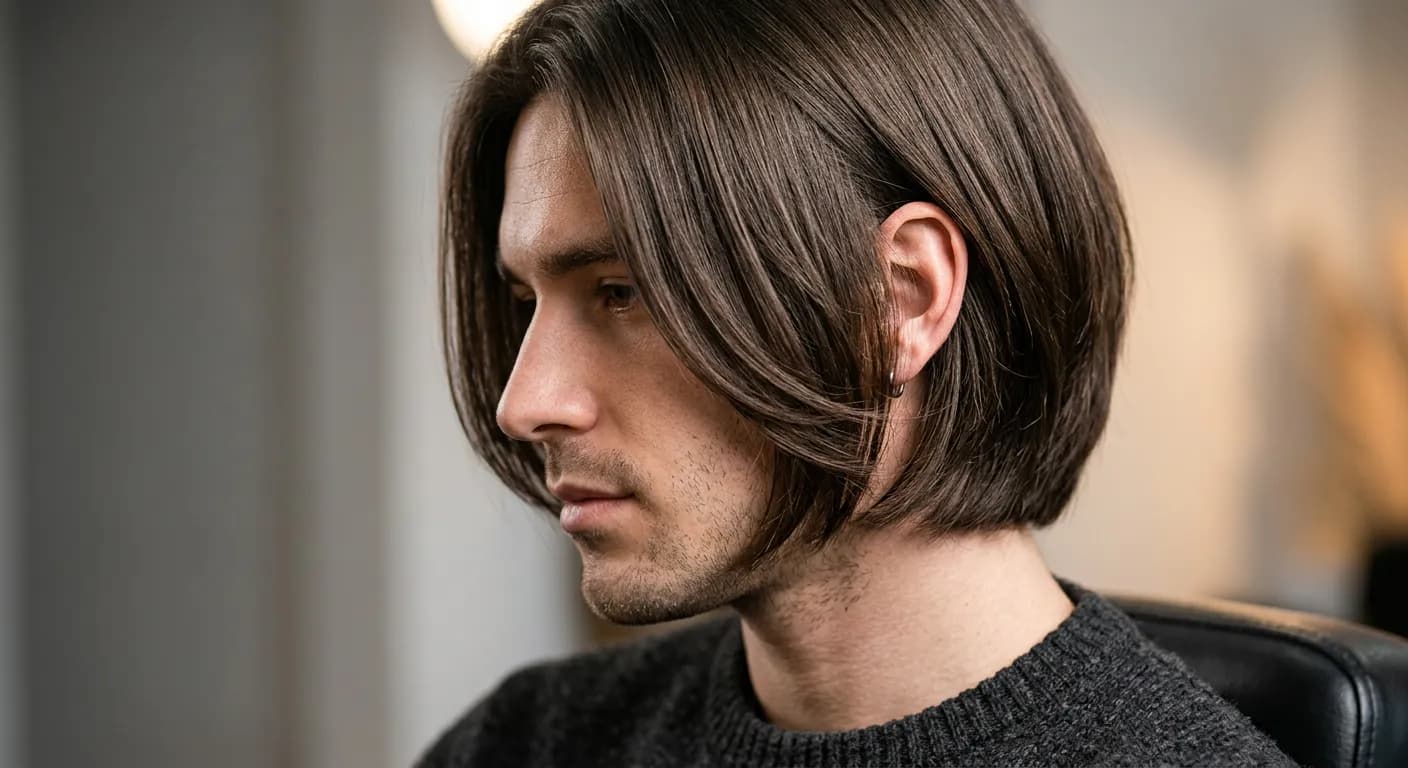
A bob is a short-to-medium-length haircut where the hair is cut to a uniform length, typically falling between the chin and the shoulders. The classic bob is one length all the way around with a clean, blunt bottom edge — no layers, no graduation, just a sharp line. But from that foundation, the bob has branched into dozens of variations: layered bobs, A-line bobs, inverted bobs, stacked bobs, asymmetrical bobs, and more. What unites them all is the structure. A bob always has a deliberate, defined shape. It's not a grown-out long cut or a vaguely short style — it's a precise, intentional length that frames the face and sits neatly at or above the shoulders.


Who Does a Bob Suit
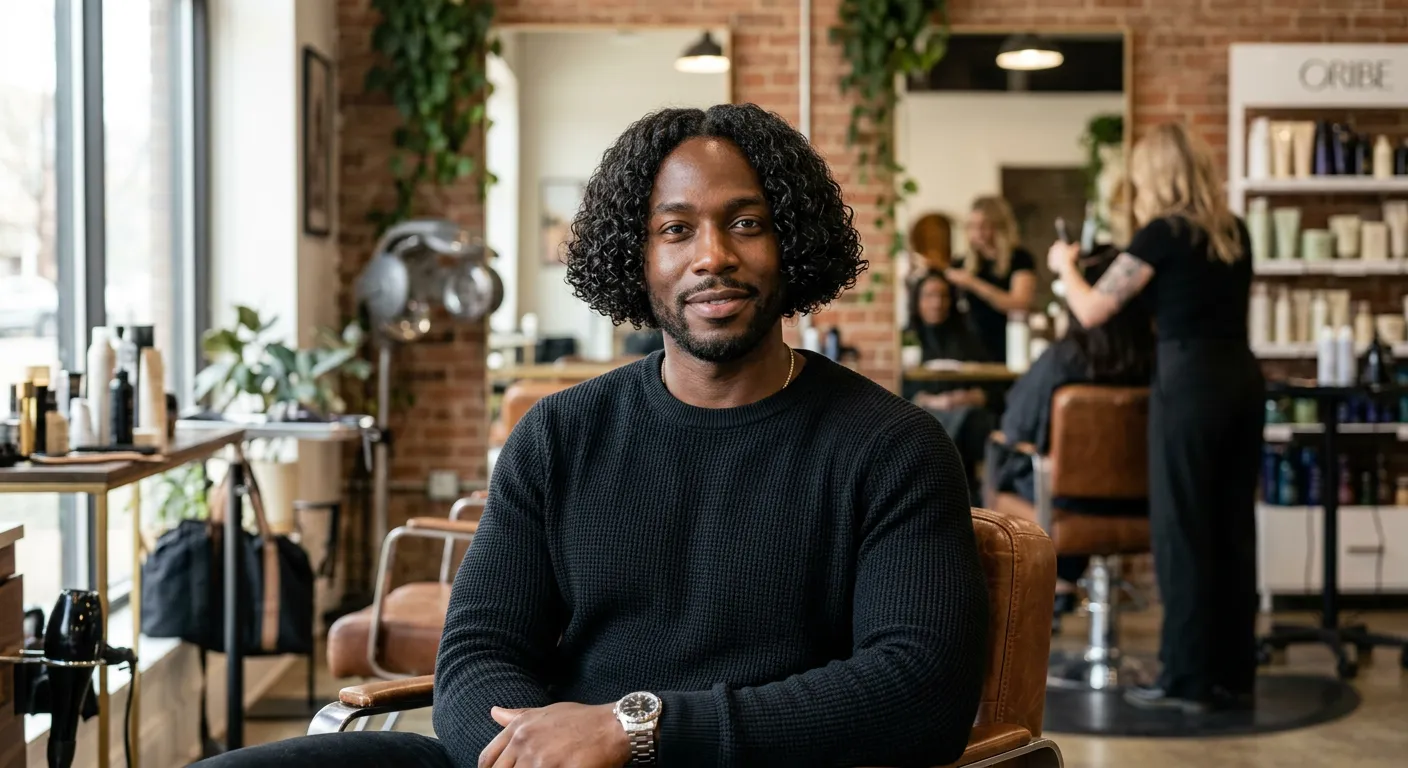
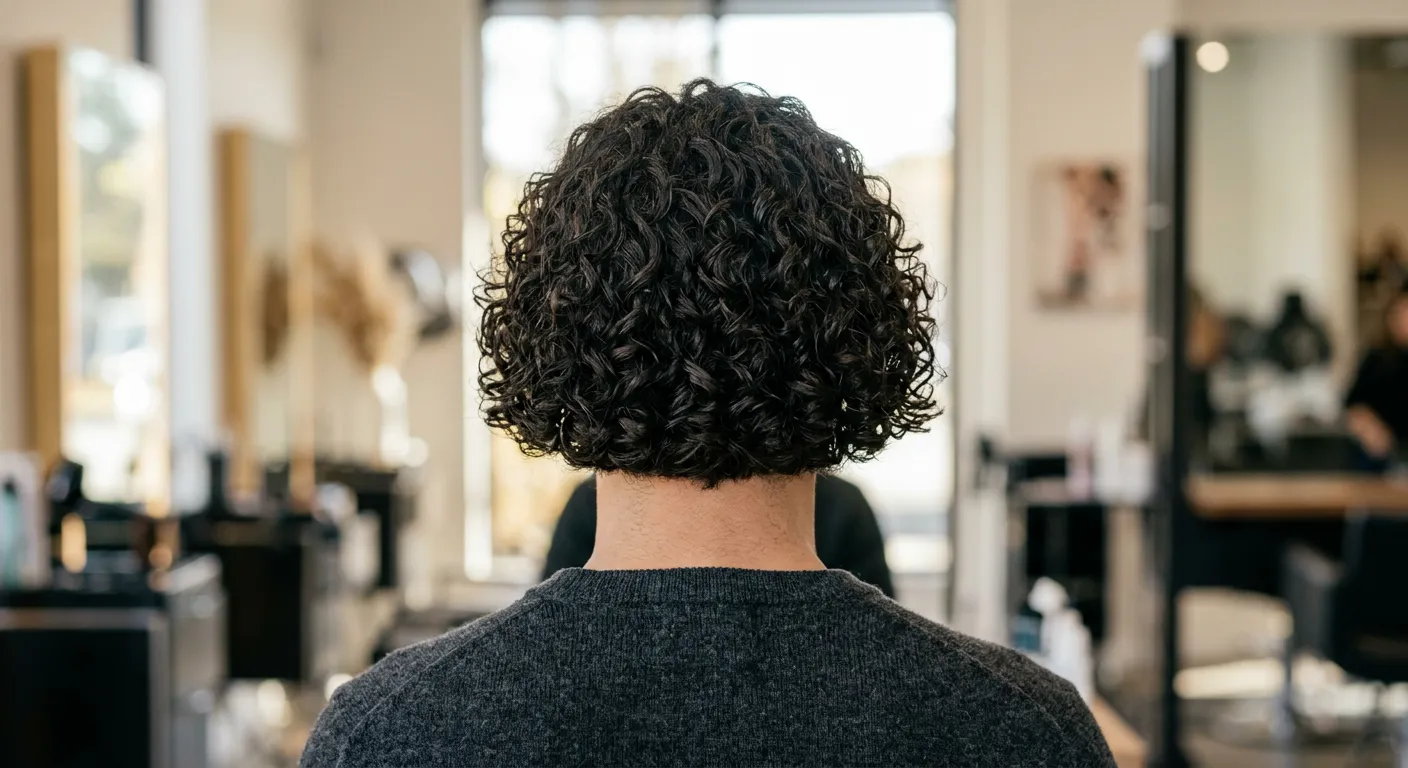
Nearly everyone, but the specific type of bob matters. Oval faces have the luxury of suiting virtually any bob variation. Round faces look great with longer bobs (lobs) that extend past the chin, since the length elongates the profile; avoid chin-length bobs that emphasize width. Square faces benefit from soft, layered bobs or bobs with side-swept bangs that soften the jawline. Heart-shaped faces are flattered by chin-length bobs that add fullness at the jaw to balance a narrower chin. For hair type, fine hair looks thicker in a blunt bob because the solid bottom edge creates the illusion of density. Thick hair is tamed by layered or textured bobs that remove bulk. Wavy and curly hair look fantastic in bobs, though the length should account for how much your hair shrinks when it curls up.

Variations and Ideas
The world of bobs is vast, so here are the styles worth knowing. The classic blunt bob is the original — one length, clean edges, timeless. The A-line bob is shorter in the back and angles longer toward the front, adding drama and face-framing length. The inverted or stacked bob is shortest at the nape and graduates longer toward the face, creating volume at the back. The layered bob adds movement and texture throughout. The asymmetrical bob features noticeably different lengths on each side for an edgy, fashion-forward look. The lob (long bob) hits the collarbone and offers the bob's structure with more styling versatility. Each version shifts the vibe from classic to modern to bold, so you can pick the one that matches your personality.

How to Ask Your Stylist
Walk in with photos — at least two or three showing the exact length, angle, and texture you want. Be specific about where you want the bottom edge to fall: earlobe, chin, jaw, collarbone. Tell your stylist whether you want it blunt or layered, and if you want any bangs. Mention your daily routine — do you blow-dry and flat-iron every day, or do you wash and go? This matters because a blunt bob demands more styling precision than a textured one. If you're going from long hair to a bob for the first time, ask your stylist for their honest recommendation on the best length for your face shape and hair texture. A good stylist will steer you toward the right version rather than just cutting to a number.


Styling and Maintenance
Bobs are deceptively simple to maintain if you choose the right products. For a sleek, polished bob, blow-dry with a round brush, curling the ends under, and finish with a smoothing serum for shine. For a textured, lived-in bob, apply a sea salt spray or texturizing cream to damp hair and air-dry or diffuse. A flat iron can create everything from pin-straight glass-hair bobs to beachy waves — just vary the technique. The bob's Achilles heel is grow-out: once it loses its shape, it can look sloppy quickly. Book trims every 6 to 8 weeks to maintain the line. If you have a blunt bob, even 4-week trims make a difference because the sharp edge is the entire point of the cut.
Common Bob Mistakes to Avoid
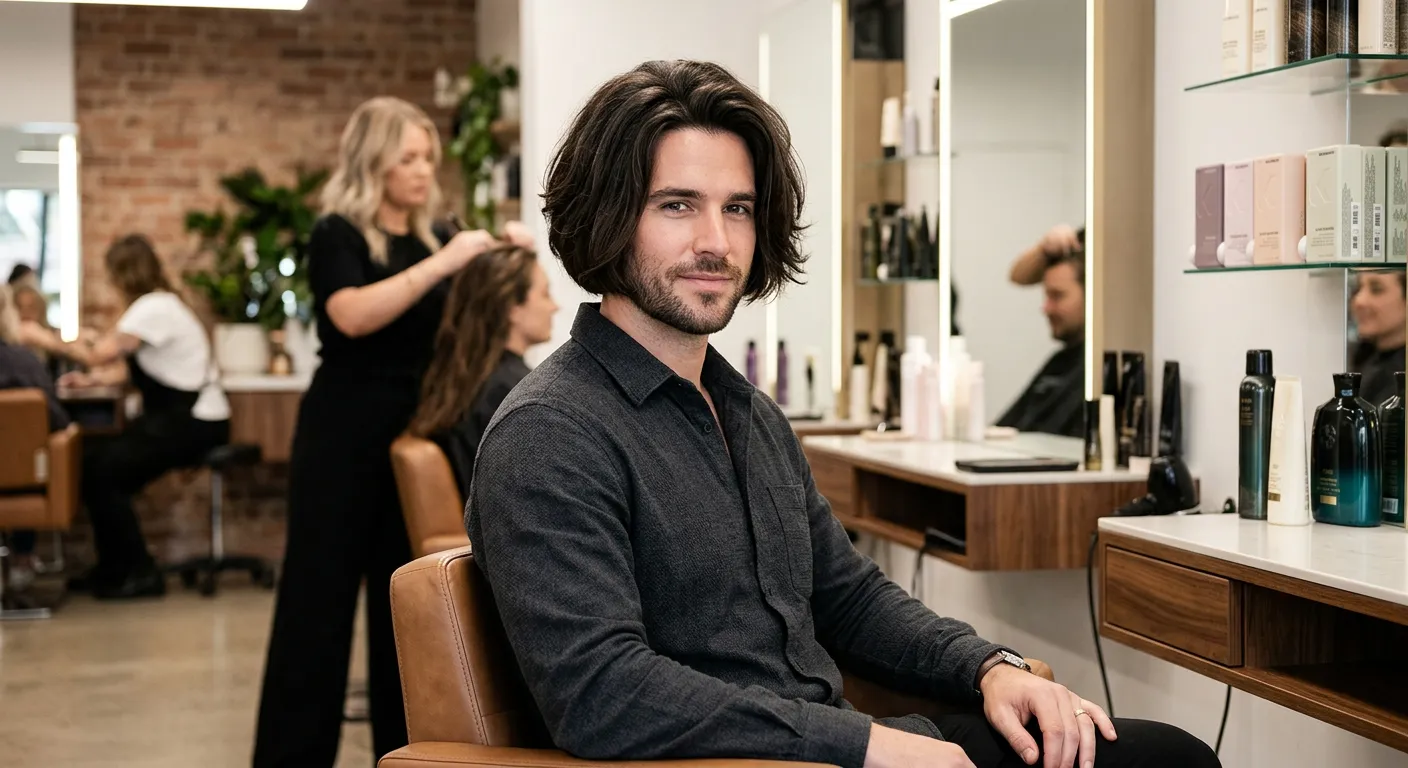
The biggest mistake is choosing a length that fights your face shape — chin-length on a round face, for instance, can be unflattering. Going too short too fast is another common regret; if you're nervous, start with a lob and gradually go shorter over a few cuts. Over-layering fine hair thins it out and defeats the purpose of a bob's structure. Under-layering thick hair creates a helmet-like shape that's hard to style. Skipping regular trims lets the bottom edge get scraggly, which makes even the best bob look like a grow-out. And finally, fighting your natural texture — if you have curly hair, embrace it in the bob rather than straightening it daily, which causes damage and misses the opportunity for a gorgeous curly bob.