


The Ivy League Haircut: Polished, Professional, Effortlessly Sharp
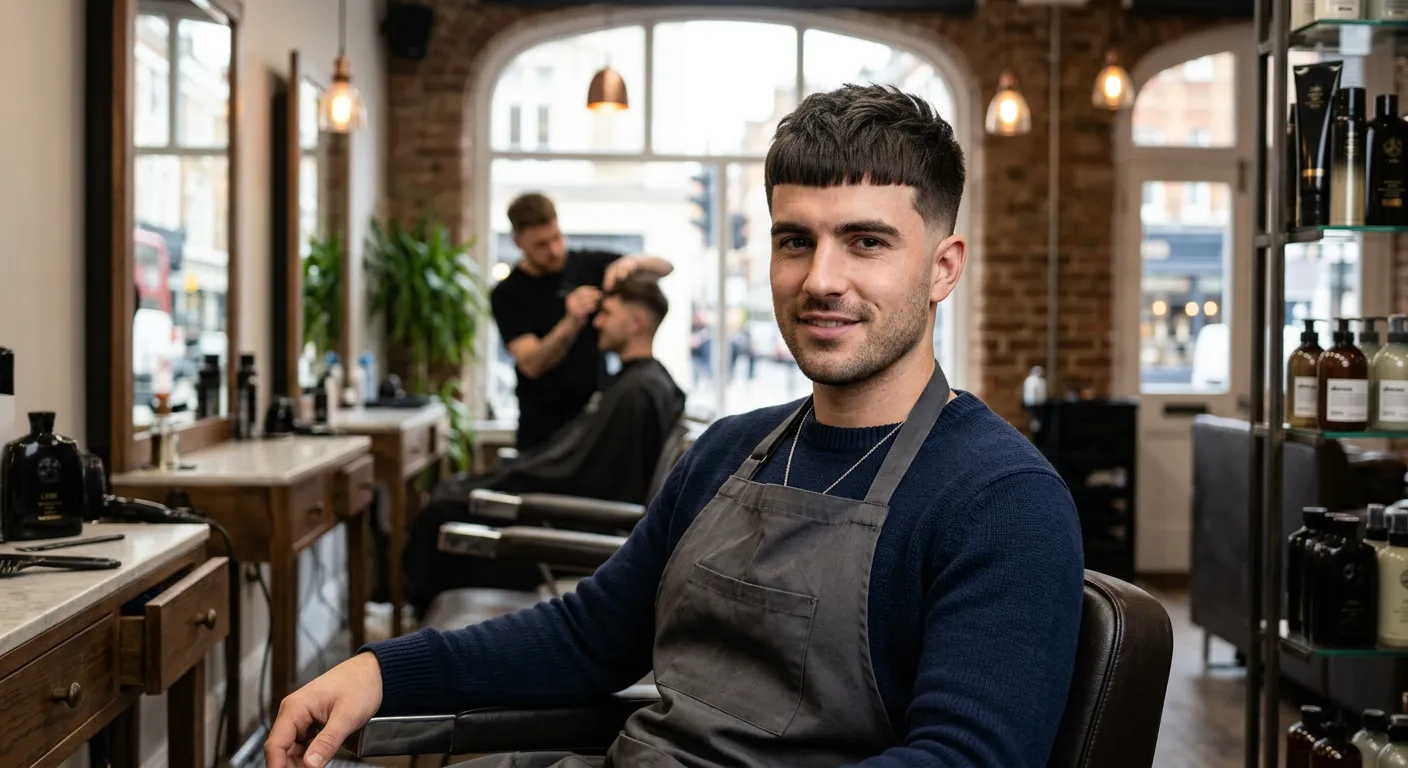
The Ivy League haircut occupies that rare sweet spot between casual and formal -- short enough to require almost no daily effort, yet long enough on top to actually style. Also known as the Princeton clip or Harvard cut, it's essentially a longer crew cut that lets you part your hair and look like you just stepped out of a New England campus catalog. If the crew cut is the reliable sedan of men's haircuts, the Ivy League is the luxury upgrade with leather seats.


What Is an Ivy League Haircut?
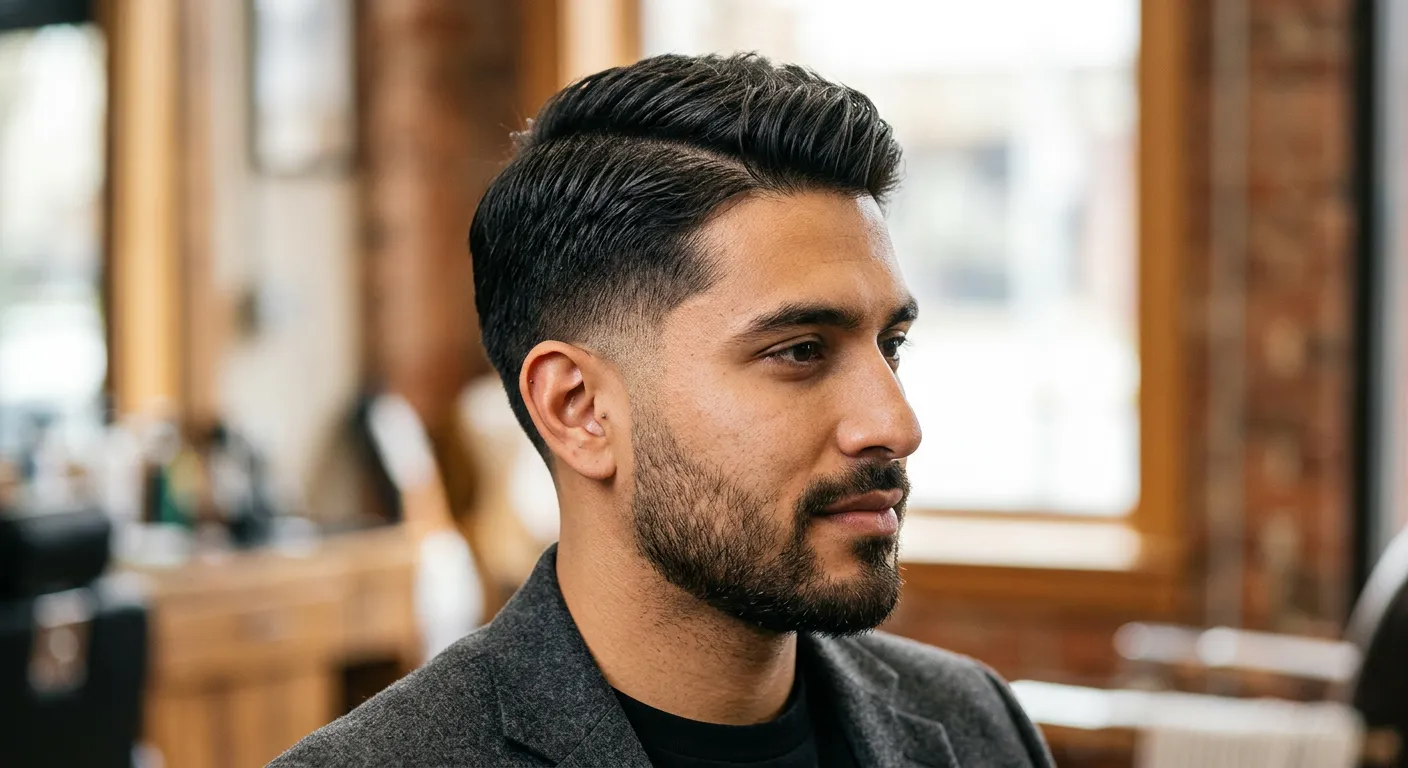
The Ivy League features tapered sides and back, typically cut with clippers graduating from a #2 or #3 guard at the bottom to scissor-cut blending higher up. The top is the defining element: it's left at one to two and a half inches, which is just enough length to comb to the side, sweep back, or create a small pompadour. The key difference from a crew cut is that extra half-inch to inch on top that gives you styling versatility. A clean side part -- either natural or hard-lined -- is the classic finishing touch, though plenty of men wear it without a defined part for a more relaxed feel.


Who Does the Ivy League Suit?
This is one of the most universally flattering cuts in the men's repertoire. Oval faces look naturally balanced with it. Square jaws get complemented by the short, structured sides. Heart-shaped faces benefit from the added width on top. Round faces work too, especially if you add a bit of height in the front to elongate. Hair type is forgiving as well: straight hair gives the cleanest lines, wavy hair adds natural texture that looks fantastic, and even curly hair works if the top is kept slightly longer to account for curl shrinkage. The Ivy League is also one of the best options for men with thinning hair, because the short length and side part create the illusion of fuller coverage.

Ivy League vs. Crew Cut vs. Princeton
These terms get confused constantly, so here's the breakdown. A crew cut is shorter on top (usually under an inch) and can't really be parted or styled -- it just sits there looking clean. The Ivy League keeps enough length on top to style with a comb and product. The "Princeton" is technically just another name for the Ivy League, not a separate cut. And the "regulation cut" is a military variation that's similar in length but prioritizes strict uniformity over the slightly relaxed elegance of the Ivy League. When you're in the barber's chair, saying "Ivy League" gets you something more polished than a crew cut but shorter than a classic side part.

How to Ask Your Barber
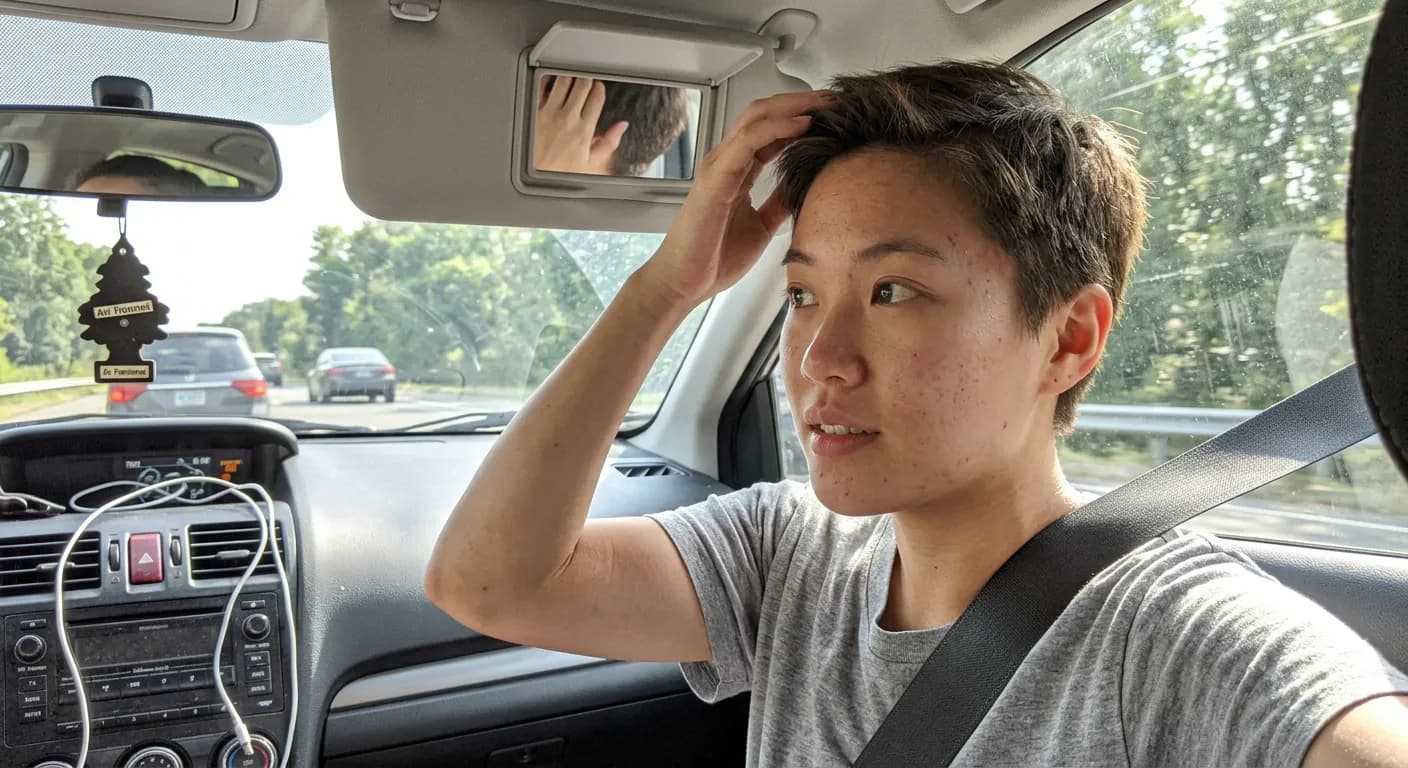
Request an "Ivy League" by name, but follow up with specifics because the term isn't standardized across all barbershops. Ask for tapered sides with a #2 or #3 guard at the bottom, blended up with scissors. Specify the top length -- one and a half inches is a good starting point if you're unsure. Mention whether you want a defined side part or a more natural look. If you want the part on a specific side, say so, because your barber might default to whichever side your hair naturally falls toward. Bring a photo for reference, particularly one showing the back and side profile, since that's where the tapering really defines the cut.



Styling Tips for the Perfect Ivy League
The beauty of this cut is that it takes sixty seconds to style and looks like you spent ten minutes. On towel-dried hair, work a small amount of matte pomade or light-hold paste between your palms, then distribute through the top and sides. Use a fine-tooth comb to create your part and sweep the top to the side. For more volume, blow dry the top upward and back before applying product. For a more casual look, skip the comb entirely and just finger-style the top with a texturizing clay. The Ivy League also looks great product-free on days when you just don't feel like bothering -- the cut's structure does most of the work for you.

Maintenance Schedule
The Ivy League needs a trim every three to four weeks to stay in that perfect length sweet spot. Go longer than a month and the top starts losing its structure, while the sides begin looking shaggy rather than tapered. Between cuts, the style remains low-effort: wash every other day or so, apply product, comb, done. One tip that extends the life of each cut: ask your barber to use a razor or trimmer to clean up the neckline and around the ears. These areas grow out fastest and are what make the difference between a fresh-looking Ivy League and one that's overdue for a visit.
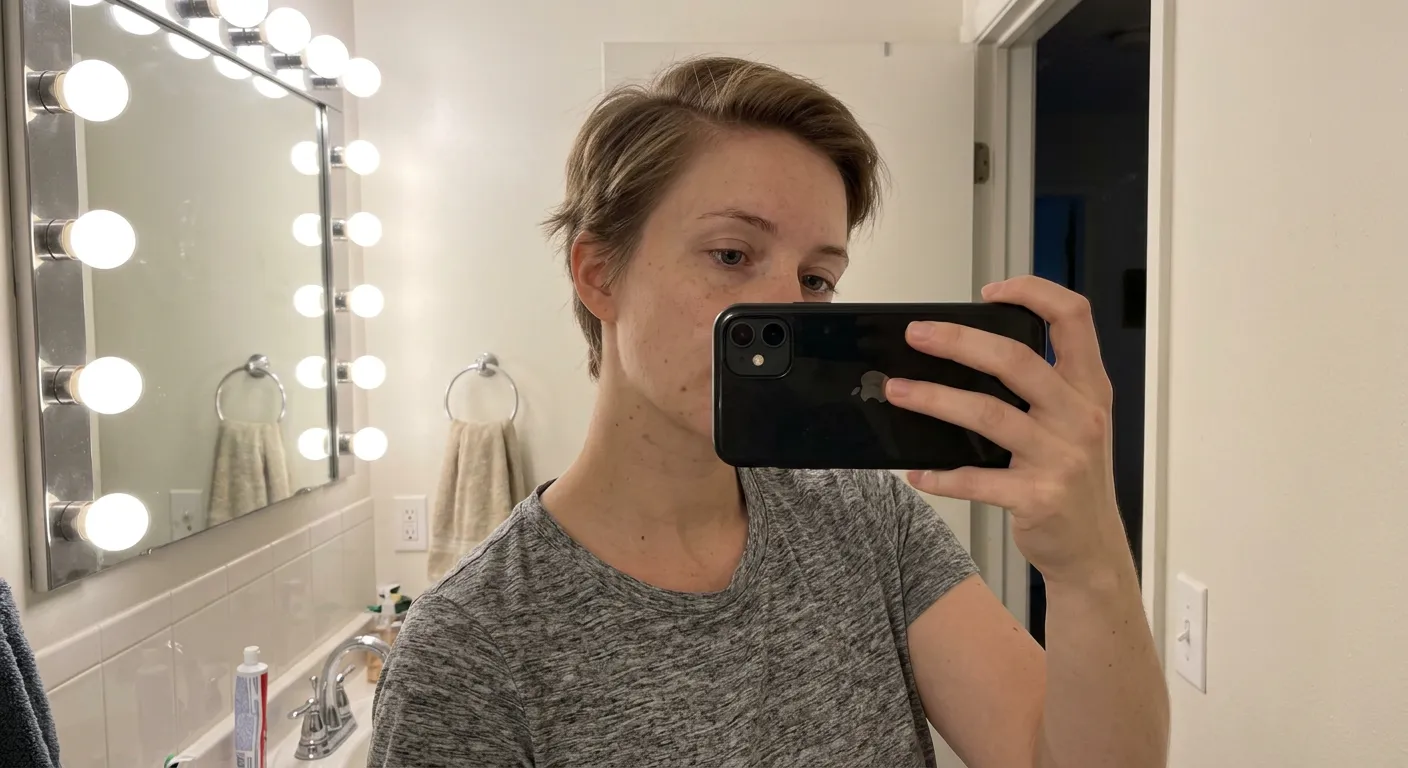

Where the Ivy League Works
This is arguably the most versatile men's haircut ever created when it comes to context. It's appropriate for job interviews, weddings, courtrooms, first dates, casual Fridays, and weekend barbecues. It pairs equally well with a suit and tie, a polo shirt, or a plain t-shirt. It's the default haircut of presidents, CEOs, newscasters, and leading men for a reason: it never looks underdressed or overdressed. If you want one haircut that works literally everywhere without ever needing to think about it, the Ivy League is it.