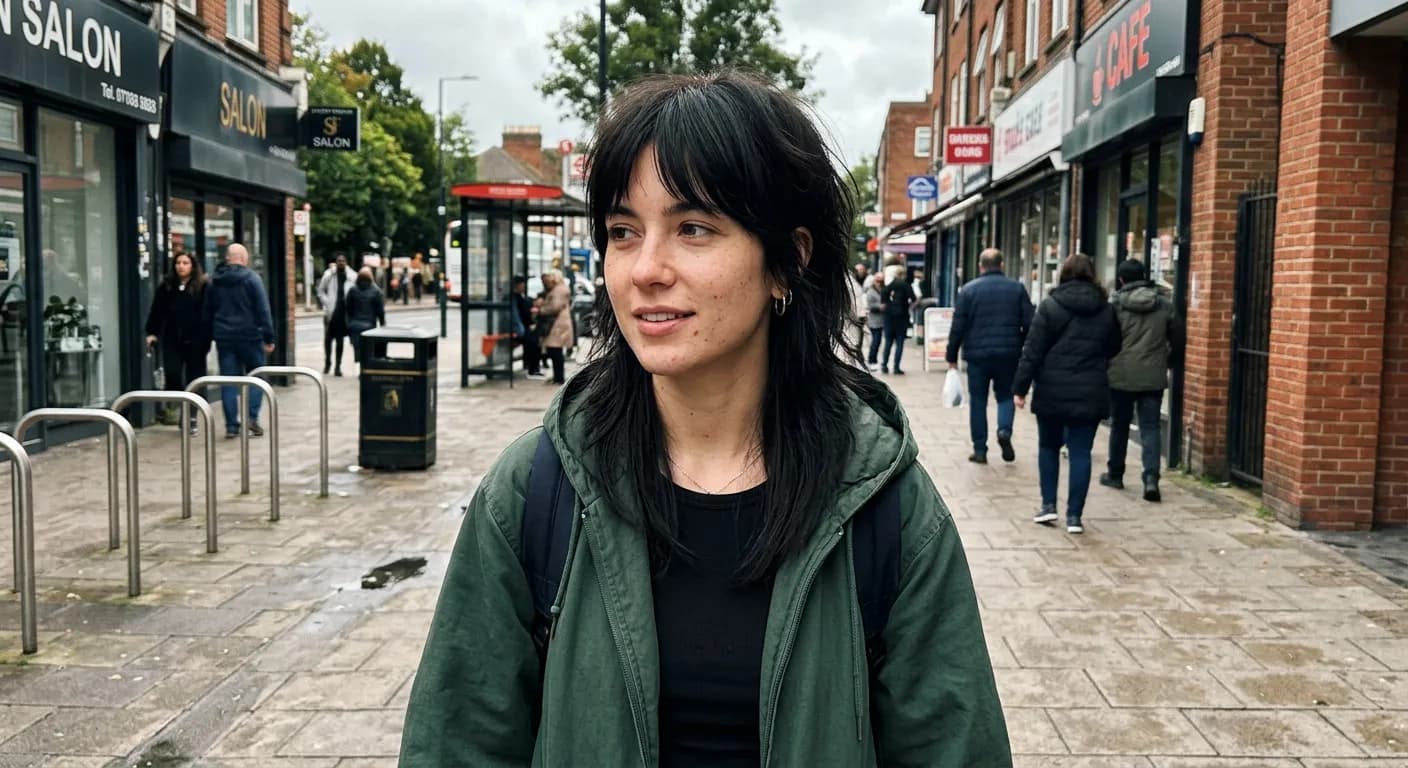
Shoulder-Length Layered Haircuts for Fine and Thin Hair
The best shoulder-length layered haircuts for fine and thin hair. Get volume, movement, and fullness with cuts and styling tips designed for your hair type.
If you have fine or thin hair and feel stuck between wanting length and needing volume, shoulder length with the right layers is your answer. This combination gives you enough hair to pull back, braid, or wear down while the layering creates movement and the illusion of thickness that a blunt, one-length cut simply cannot deliver. It is the most requested length and cut type among fine-haired clients for good reason.
What Makes This Cut Work for Fine Hair?
Fine hair lacks the individual strand thickness that gives coarser textures natural body. A one-length cut at shoulder length tends to hang flat and look limp because there is nothing disrupting the smooth fall of the hair. Strategic layers change the game by creating internal movement, letting air and light pass through the hair, and removing just enough weight so the strands can lift and bounce. The key word here is strategic. Too many layers or layers that are too short will thin the hair out further and make it look scraggly. The right approach uses long, invisible layers that add shape from within without sacrificing density around the perimeter.
Who Does This Haircut Suit?
This cut flatters almost every face shape when the layers are placed correctly. Oval faces look great with layers starting at the chin, framing the features symmetrically. Round faces benefit from layers that start below the jawline to create a lengthening effect and avoid adding width at the cheeks. Square and angular faces are softened by face-framing pieces that curve inward around the jaw. Heart-shaped faces do well with layers concentrated at the lower half to balance a wider forehead. If your hair is both fine and naturally straight, you will love how the layers encourage gentle movement. If it is fine and wavy, the layers lighten the load so your natural texture can actually emerge instead of being weighed down.
Variations and Ideas
A long layered lob hitting just past the shoulders is the most low-maintenance version. The layers start a few inches from the bottom and gradually shorten toward the face. For more visible movement, a shoulder-length shag with curtain bangs adds a modern, undone texture that makes fine hair look deliberately tousled rather than flat. A blunt cut with only internal layers keeps the perimeter thick and full while the hidden layers inside add body, an excellent choice if you want the appearance of thick ends. Adding soft, wispy face-framing layers is another option that gives fine hair dimension around the face without committing to a full layered cut throughout.
How to Ask Your Stylist
Tell your stylist you have fine hair and want layers that add volume without sacrificing the appearance of fullness at the ends. Ask specifically for long layers rather than short or choppy layers. Request that they keep the perimeter line strong, meaning the very bottom edge of the hair stays relatively blunt or only slightly textured. This is what creates the illusion of thickness. If you want face-framing, specify where you want the shortest pieces to fall, usually around the cheekbones or jawline. Ask them to avoid aggressive thinning shears, which can make fine hair look wispy and sparse. Point cutting or slide cutting are much better texturizing techniques for your hair type.
Styling Tips for Maximum Volume
How you dry your hair makes a bigger difference than any product. Flip your head upside down and rough-dry with a blow dryer on medium heat until about eighty percent dry. Then flip back up and use a round brush to lift the roots and smooth each section, directing the airflow down the hair shaft. This root-lifting technique can double your perceived volume. For a quick no-heat option, apply a volumizing mousse to damp hair, twist sections loosely, clip them at the roots with small claw clips, and let them air dry. When you release the clips, you will have body and bounce without any heat damage.
Products That Actually Help Fine Hair
Fine hair needs lightweight products that add body without weighing anything down. A volumizing mousse is the workhorse: apply it to damp hair and you get immediate lift and grip. A dry texture spray is your best friend for second-day hair, adding grit and volume at the roots when things go flat. Skip heavy serums, thick creams, and oil-based products that will make fine hair look greasy and deflated within hours. A lightweight leave-in conditioner or detangling spray is fine for the mid-lengths and ends if you need moisture, but keep it away from the roots. Dry shampoo between washes absorbs oil and adds texture, giving you one or two extra days before your hair falls flat.
Maintenance and Trim Schedule
Fine hair shows split ends faster than thicker textures because there is less strand width to hide damage. Trim every six to eight weeks to keep the ends looking full and healthy. If you are growing your hair out, communicate that to your stylist so they take off the minimum needed to clean up the shape. Between trims, use a heat protectant every time you blow dry and minimize flat iron use, which is the fastest way to damage fine strands. A weekly deep conditioning mask keeps the hair smooth and reflective, which makes it look thicker because healthy, shiny hair reflects more light and appears denser than dry, dull hair.