Wolf Haircut: The Untamed Style Everyone Is Asking For
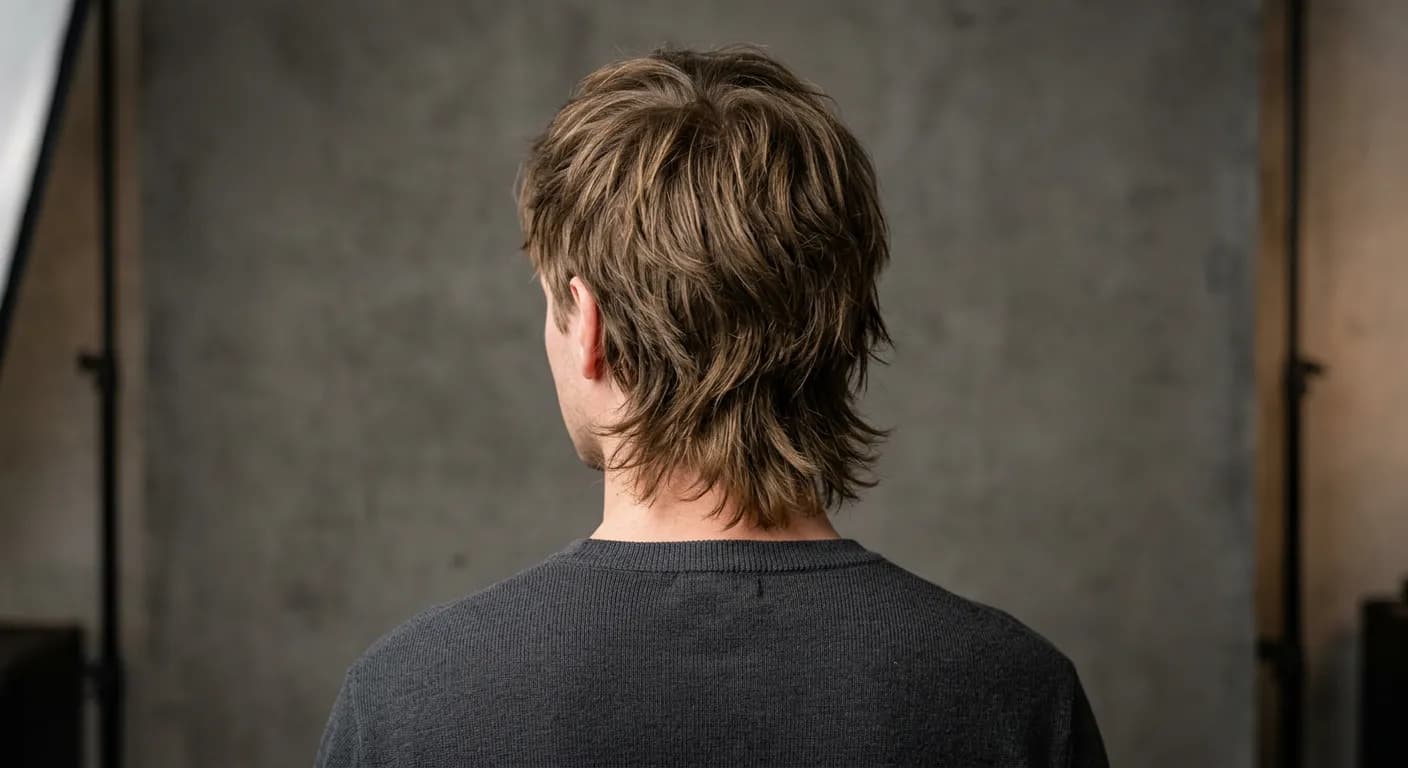
The wolf haircut is a shaggy, heavily layered style that borrows the best parts of the mullet and the shag and smashes them together into something wilder than either. It is built around volume at the crown, choppy face-framing layers, and longer lengths in the back that give it a distinctive, untamed silhouette. If you want a haircut with real personality and movement, the wolf cut delivers.


What Makes the Wolf Haircut Different
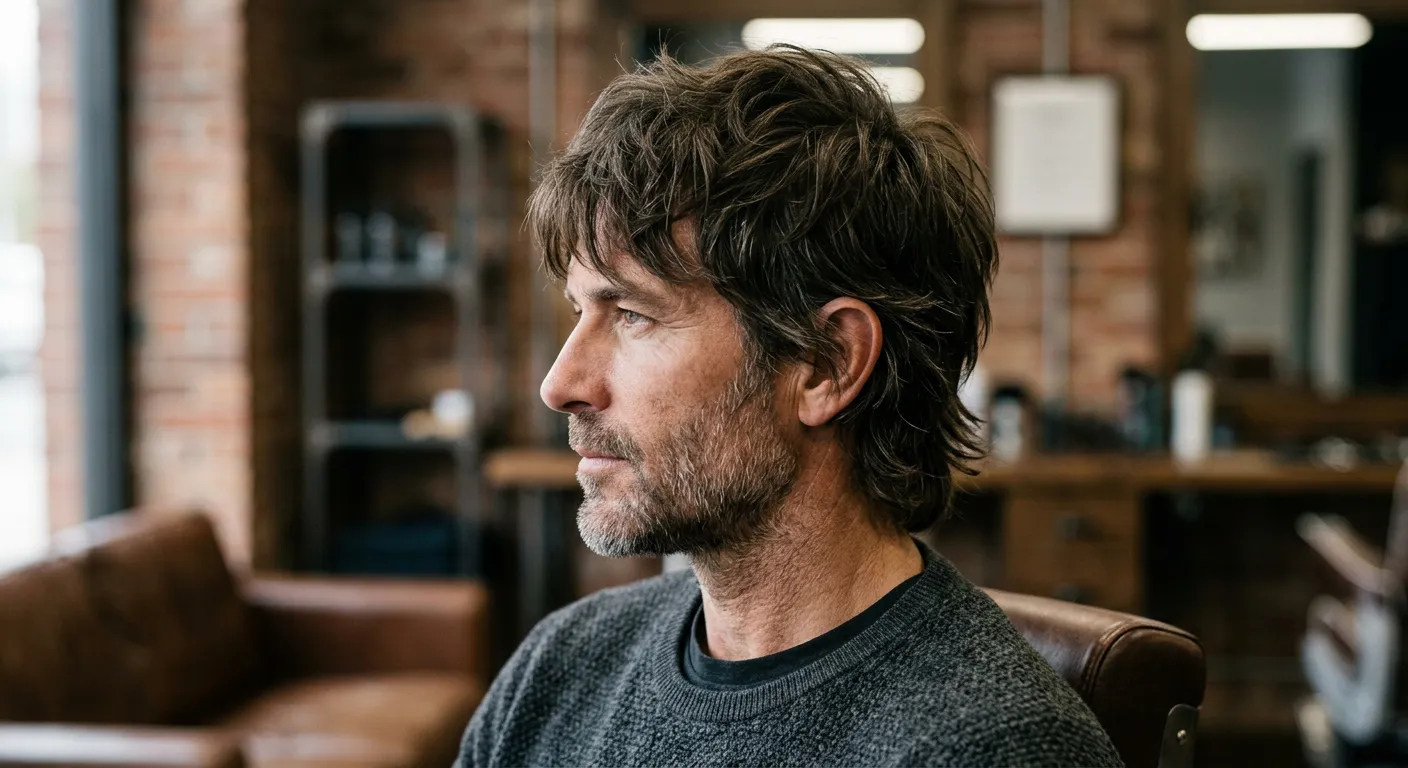
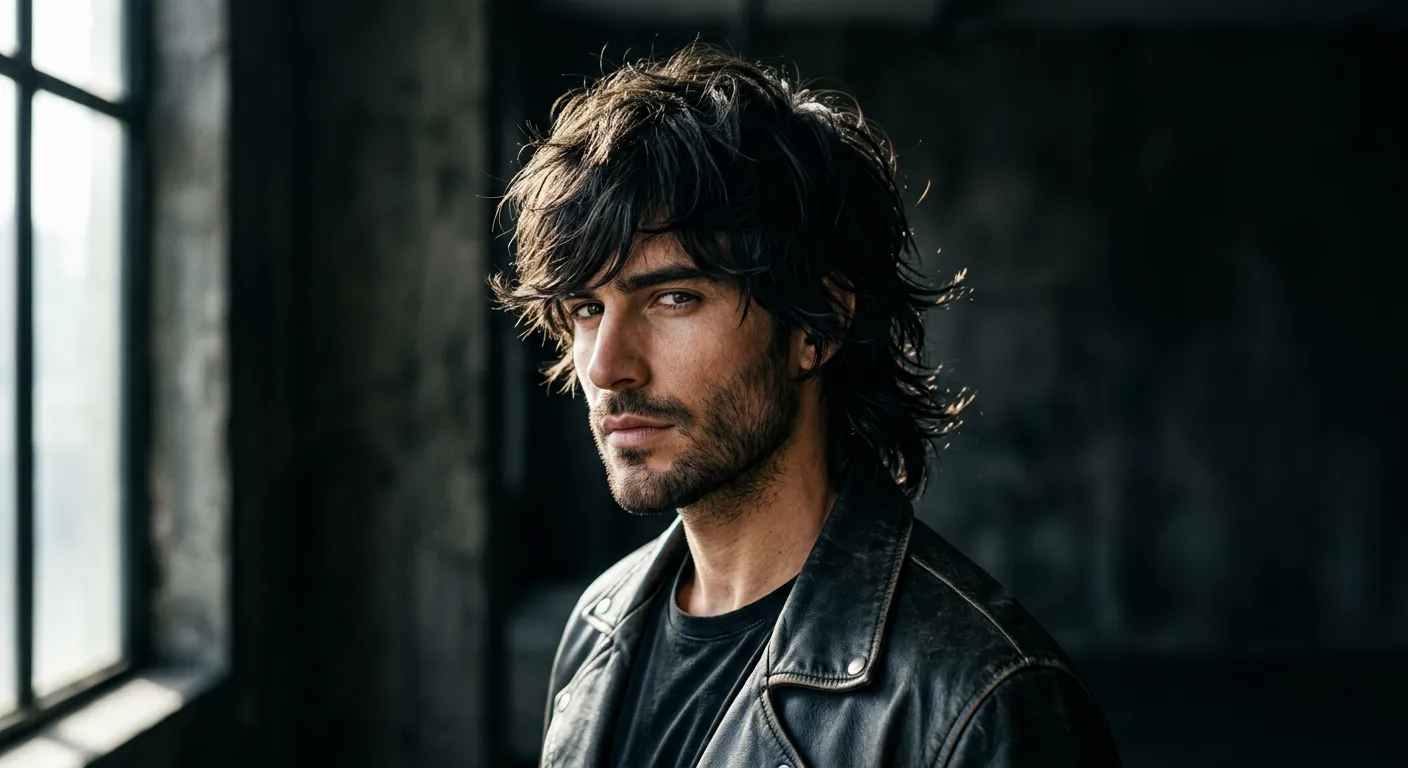
The wolf cut sits at the intersection of two classic styles. From the shag, it takes the all-over layering and textured, piece-y finish. From the mullet, it borrows the shorter-front, longer-back shape. But where a mullet has a clean distinction between front and back, the wolf cut blends everything together with layers so the transition feels organic rather than deliberate. The crown is cut shorter and more aggressively layered to create lift and volume, while the lengths gradually increase toward the nape and below. The result is a style that looks effortlessly messy — like you just rolled out of bed looking great — but actually requires a thoughtful cut to achieve.

Wolf Cut Haircut: The Core Style
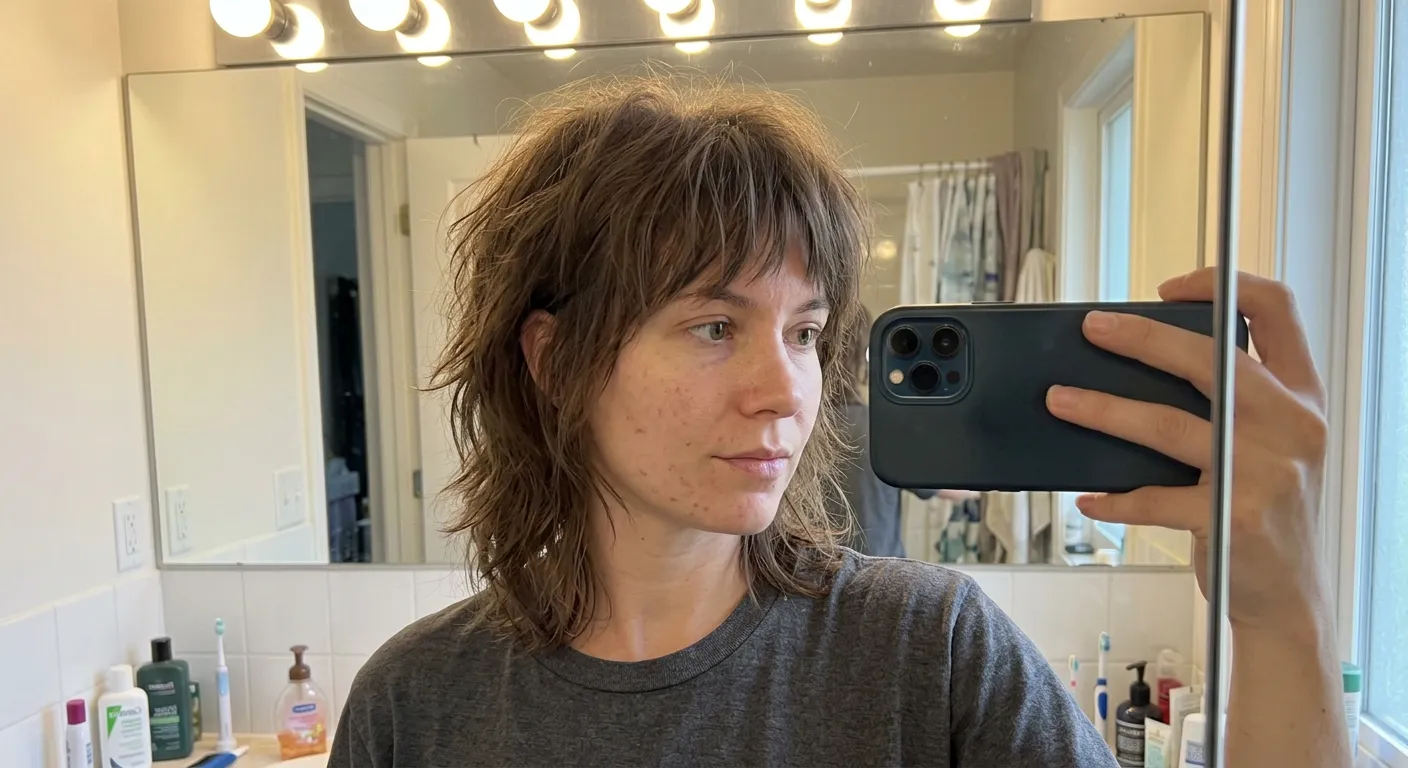
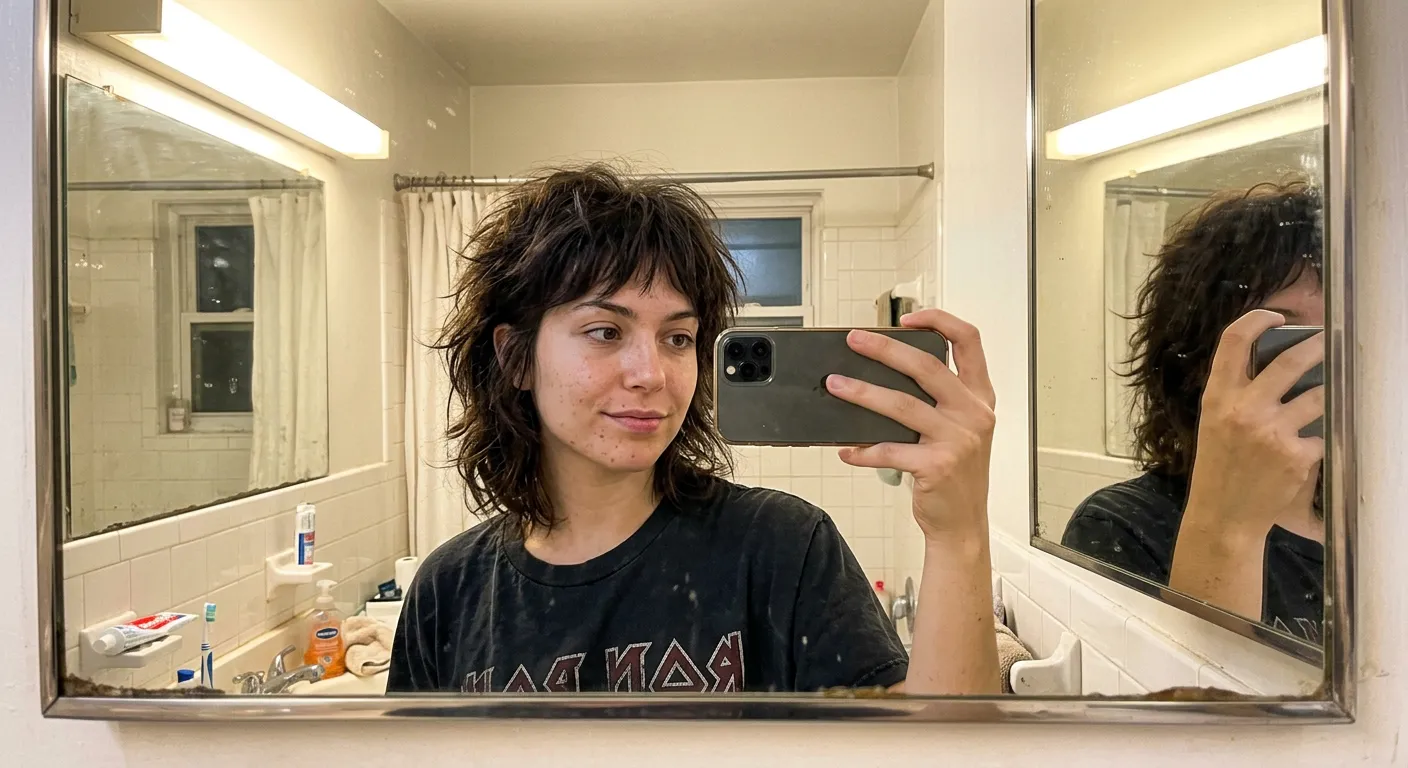
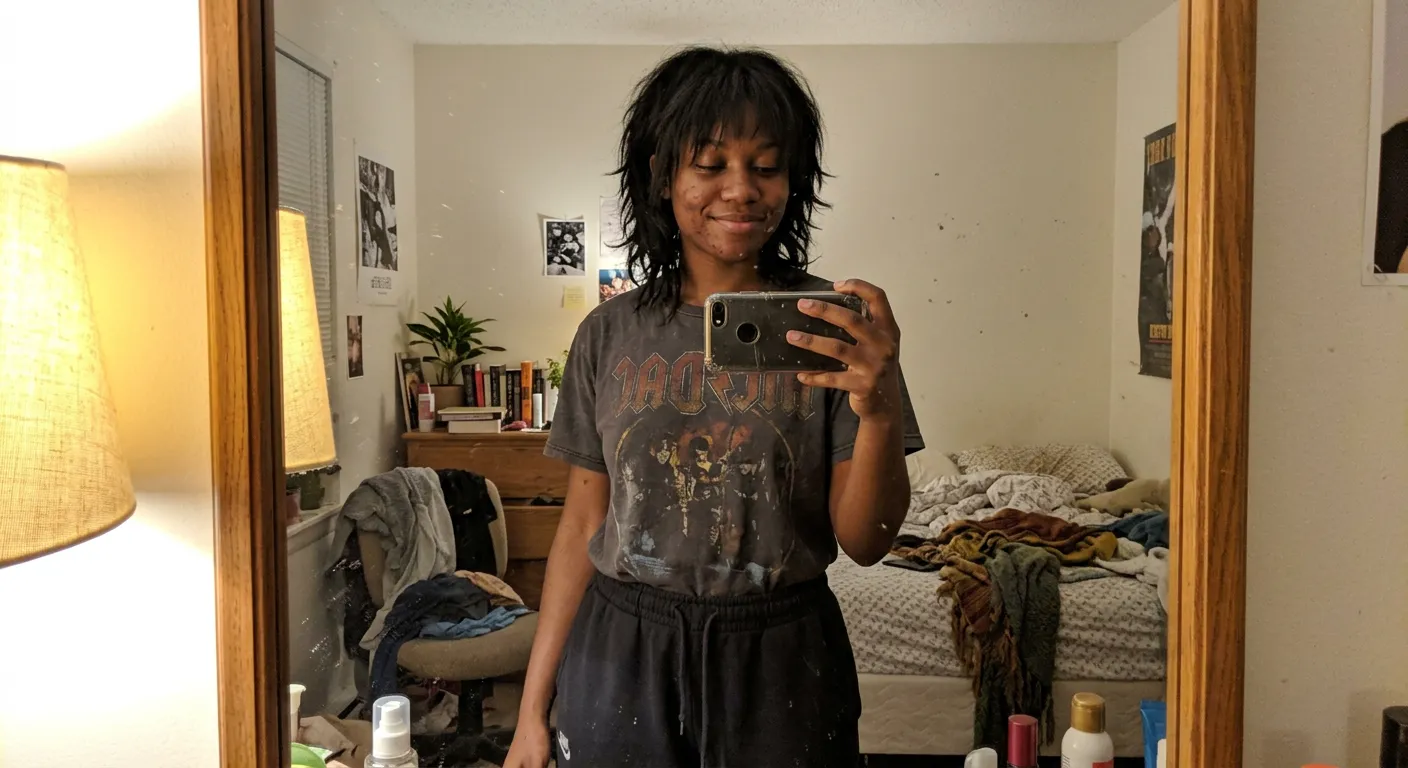
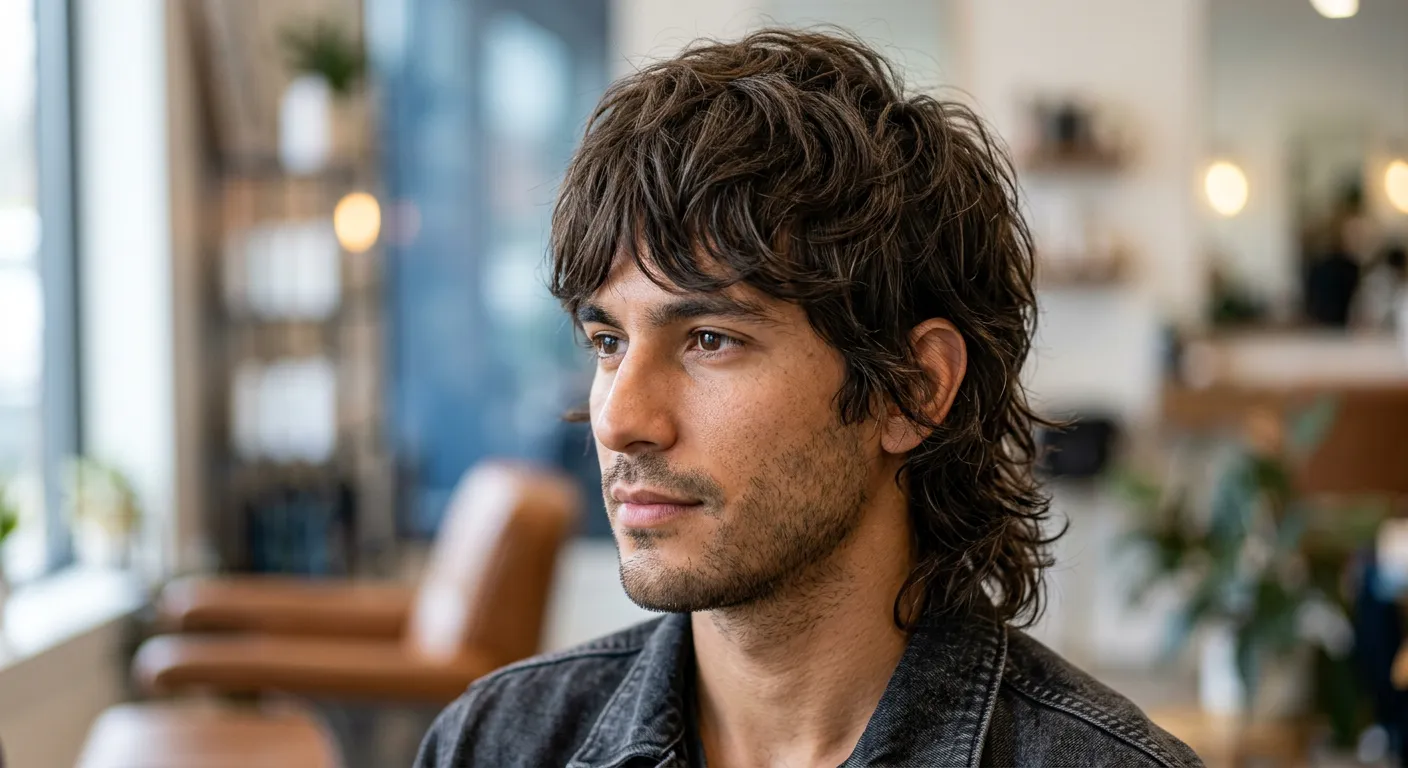
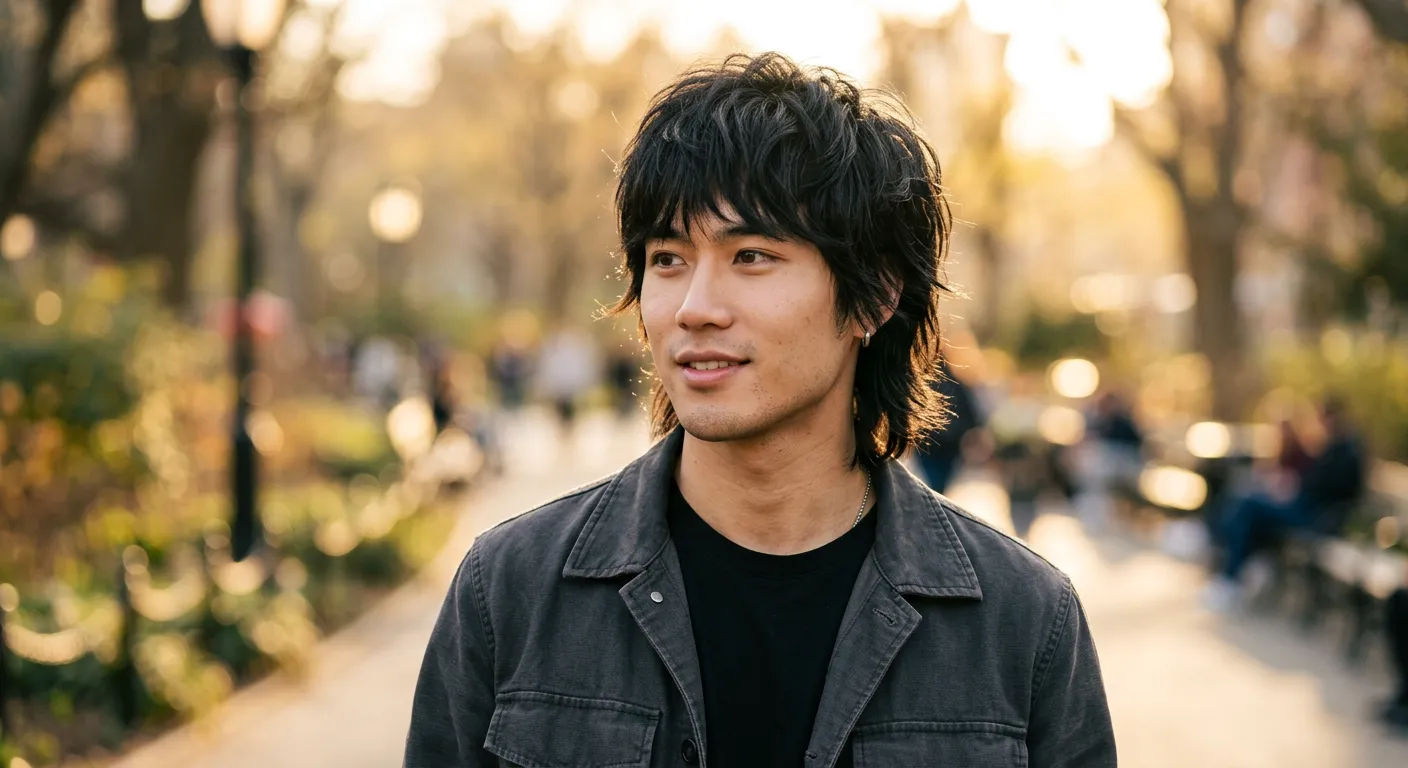
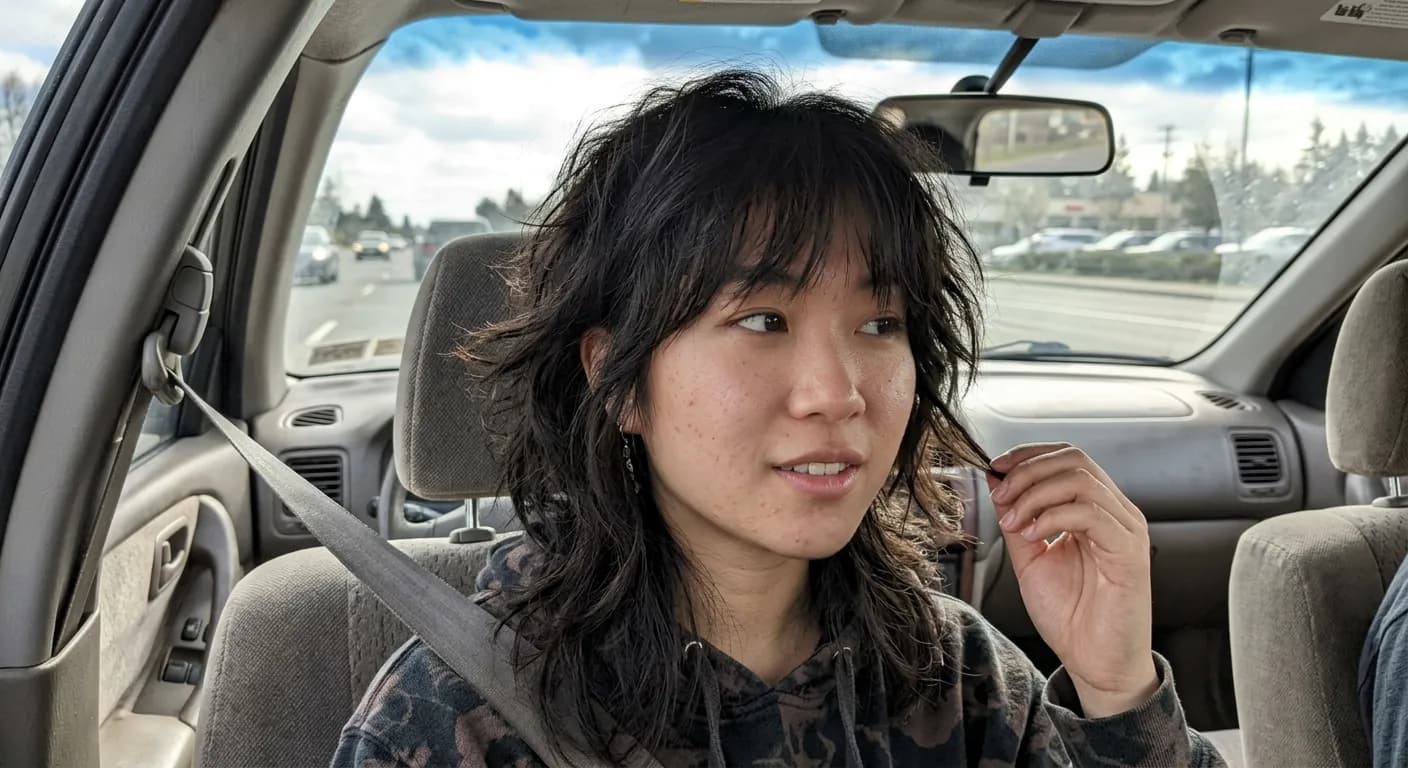
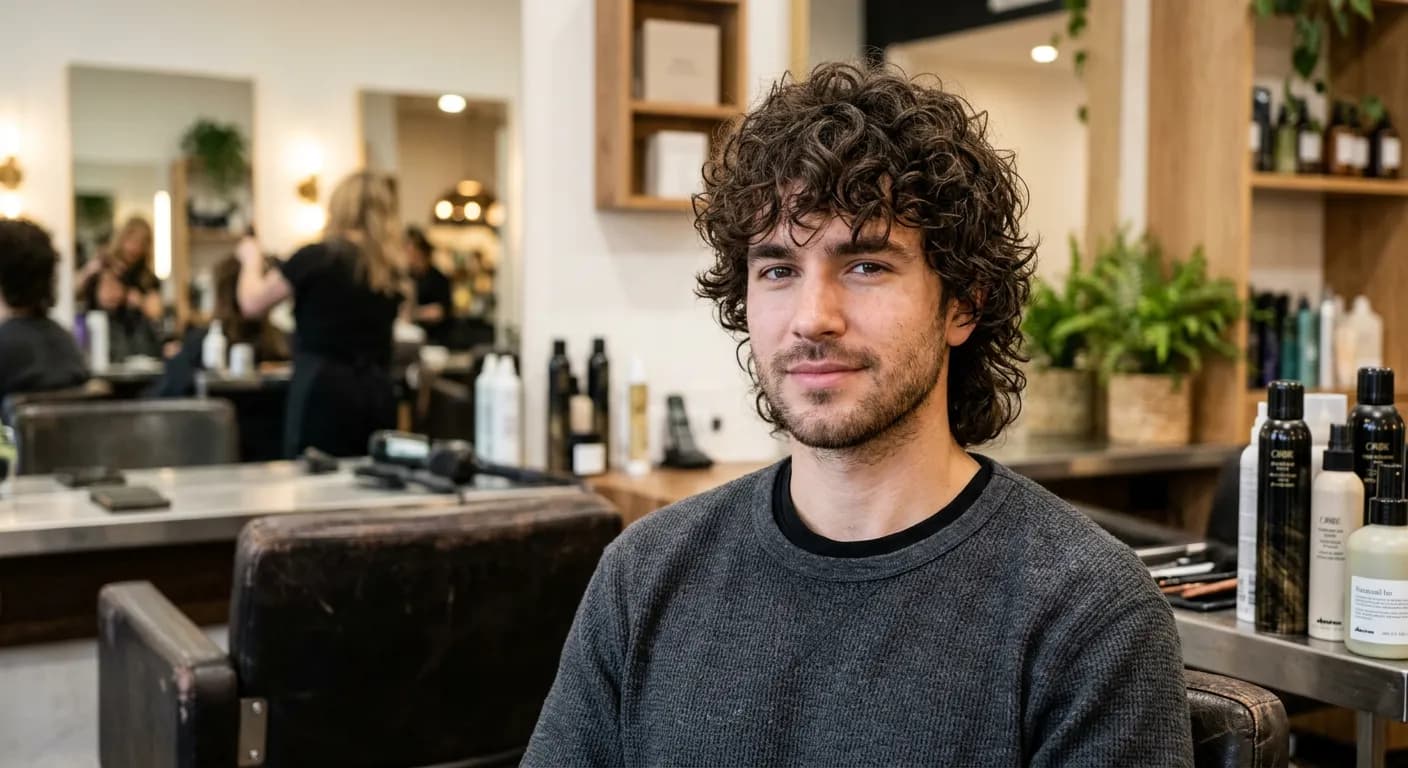
The classic wolf cut works on medium to long hair and is defined by its choppy layers throughout. The shortest layers sit at the crown and temples, creating volume and lift at the top of the head. From there, the layers cascade down in progressively longer pieces, with the longest sections falling at the nape and past the shoulders. Face-framing layers are essential — they soften the overall look and give the cut its distinctive wispy quality around the jawline and cheekbones. The whole thing is finished with texture rather than precision, which is why it works so well with natural waves and curls.
Wolf Haircut Women
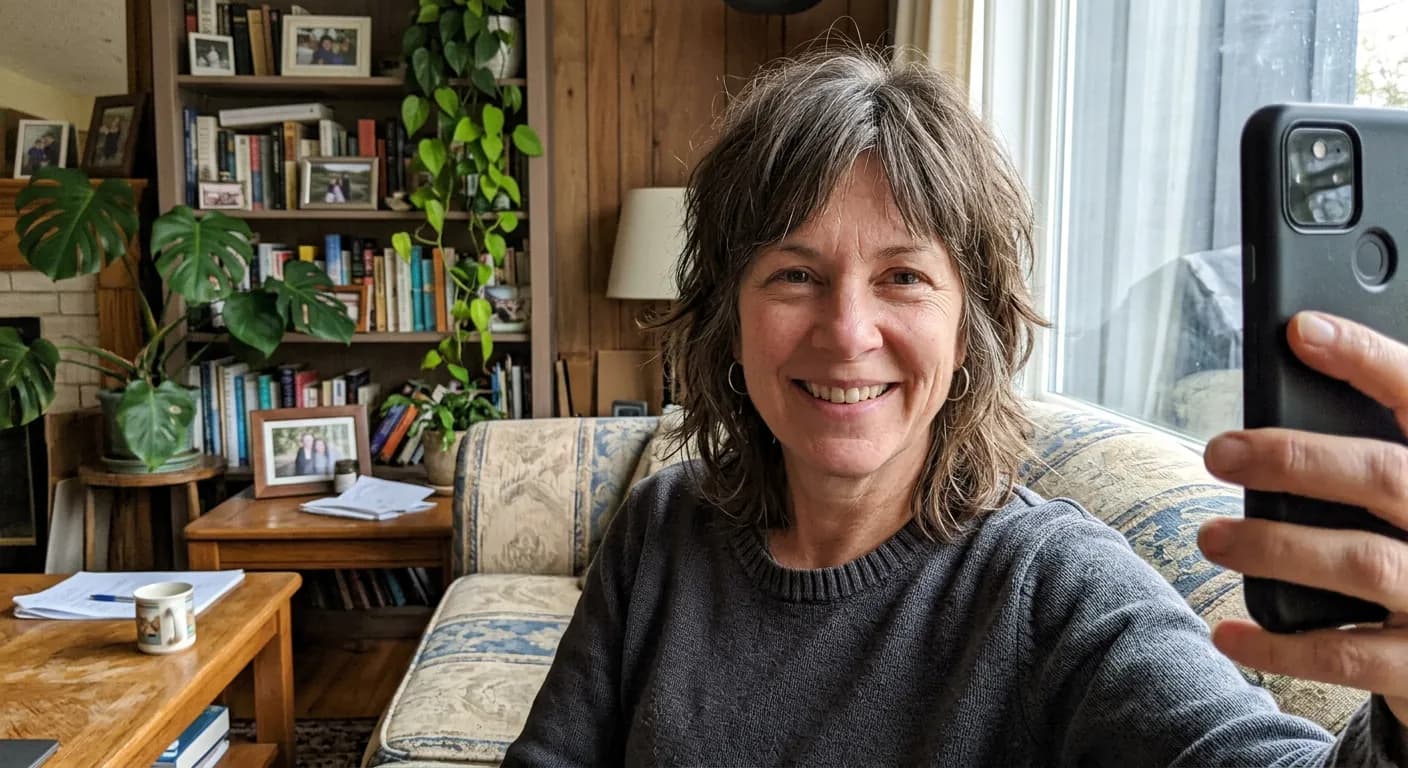
The wolf cut has become especially popular with women because it adds volume and dimension to hair that might otherwise fall flat. On women, the cut typically sits at shoulder length or longer, with dramatic layering that starts at the cheekbones. It works beautifully with curtain bangs, which complement the face-framing layers and tie the whole look together. Women with fine hair find that the wolf cut gives them volume they cannot get from a single-length style, while women with thick hair appreciate how the layers remove bulk and create movement. The wolf cut is also low-commitment in the sense that it grows out gracefully — the layers soften over time rather than losing their shape entirely, so you get more mileage between salon visits.
Who Does the Wolf Cut Suit Best
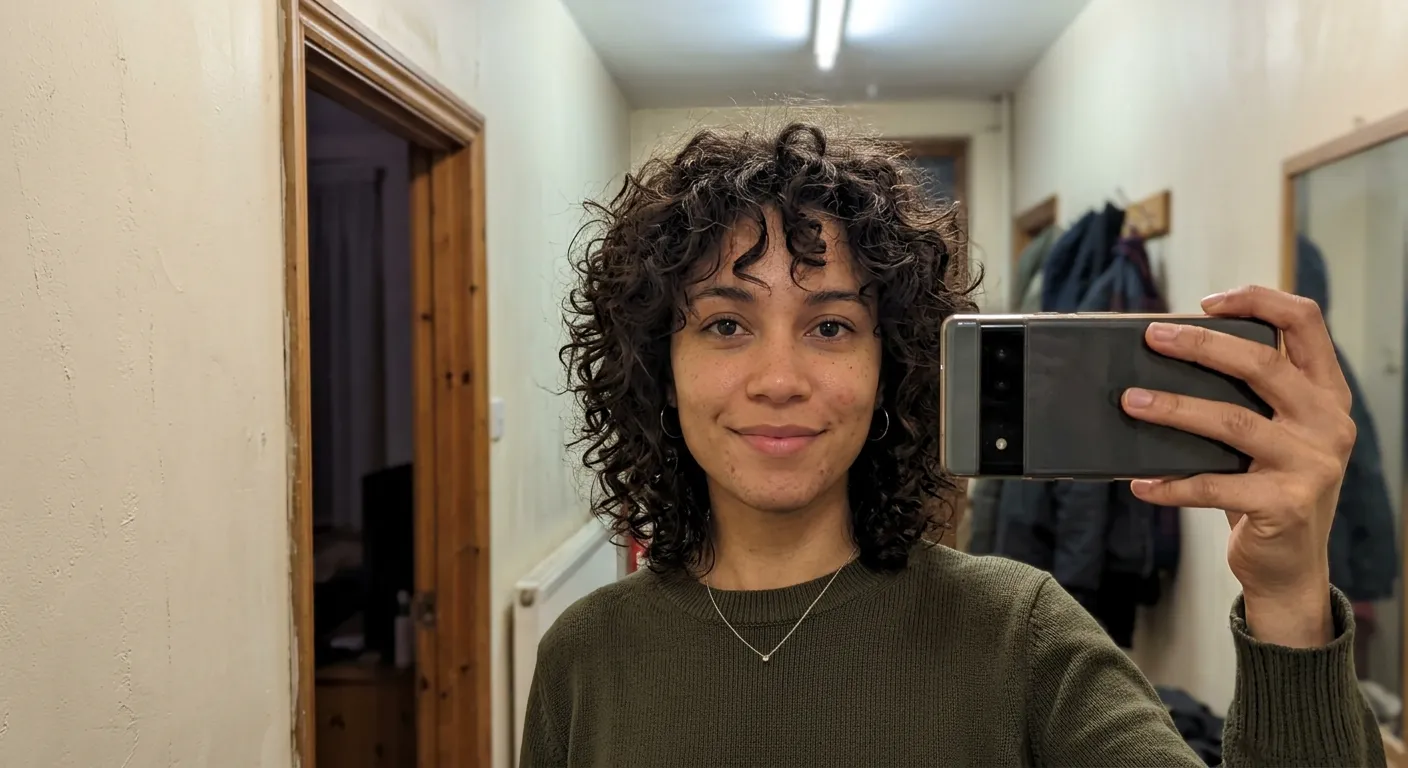
Wavy and curly hair types are the sweet spot for the wolf cut because the natural texture enhances the layered, undone quality of the style. Straight hair works too, but you may need to add texture with a curling iron or waving tool to get the full effect. For face shapes, the wolf cut is remarkably forgiving. The volume at the crown elongates round faces, the face-framing layers soften square jaws, and the overall movement adds width to narrow or long faces. If you have an oval face, virtually any version of the wolf cut will work. The one group that should approach with caution is people with very fine, thin hair — the heavy layering can make already sparse hair look even thinner, so keep the layers longer and less aggressive.


How to Style the Wolf Cut
The wolf cut is meant to look effortless, so your styling routine should be quick. On wash days, apply a texturizing mousse or sea salt spray to damp hair, scrunch with your hands, and either air dry or diffuse. The layers will naturally separate and create that tousled, lived-in finish. For more definition, use a one-inch curling iron to add loose bends and waves through the mid-lengths, then break them up with your fingers. On non-wash days, a quick spritz of dry shampoo at the roots refreshes volume. Avoid brushing the cut smooth — that kills the texture. Use a wide-tooth comb or your fingers instead.
Maintenance and Grow-Out
The wolf cut is one of the more forgiving styles when it comes to grow-out. Because the layers are intentionally varied, a few weeks of growth does not ruin the shape the way it would with a precise bob or blunt cut. That said, the crown layers will flatten as they grow, so plan on a trim every eight to ten weeks to maintain the volume and refresh the face-framing pieces. If you are growing the wolf cut out entirely, it transitions smoothly into a long shag — your stylist can gradually reduce the layering at each visit until the lengths even out.