


Layers Haircut: The Definitive Guide to Layered Styles
A layers haircut is one of the most transformative things a stylist can do with a pair of shears. By cutting hair at different lengths, layers remove bulk where you don't want it, add movement where you do, and create shape that a one-length cut simply cannot achieve. Whether your hair is fine and flat, thick and heavy, straight, wavy, or curly, the right layering technique can change everything about how your hair looks and behaves.
What Makes a Layers Haircut Work
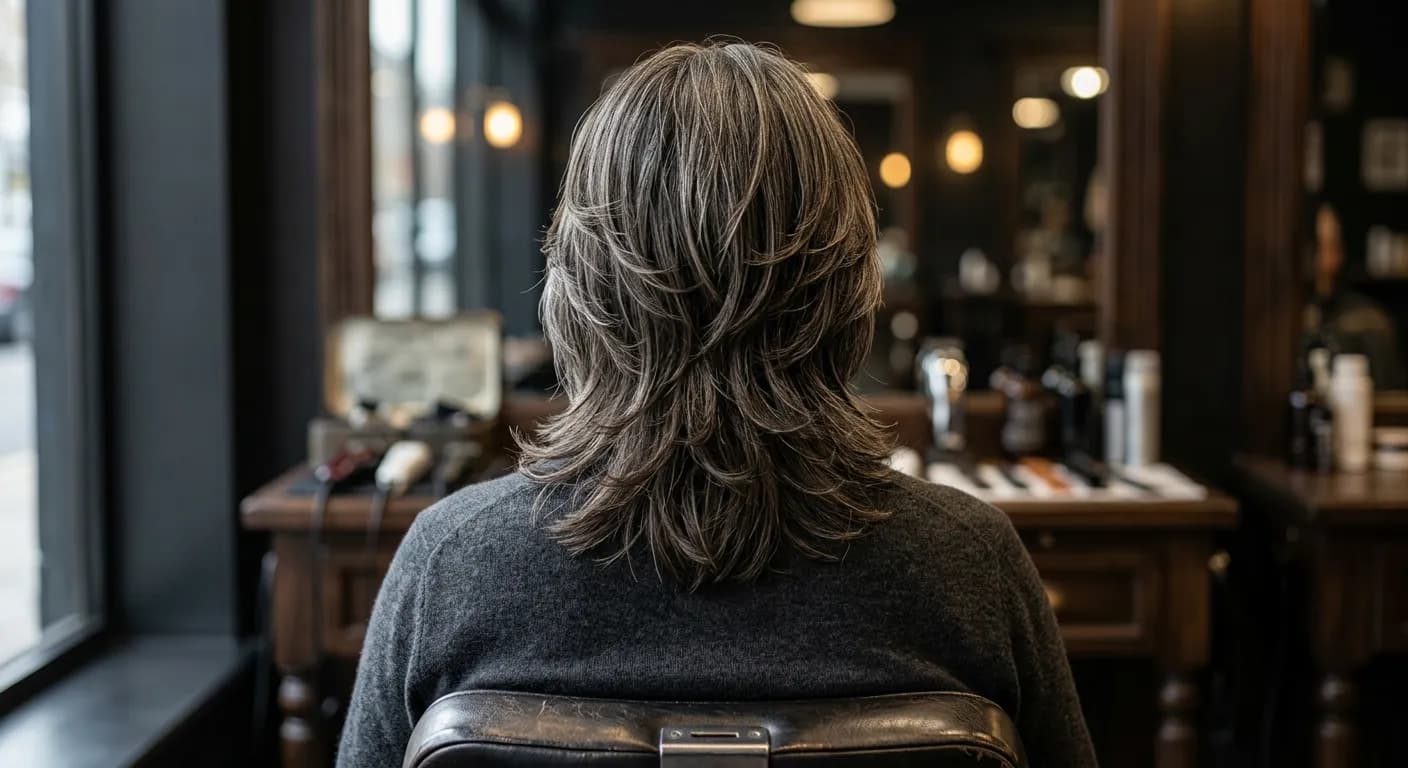
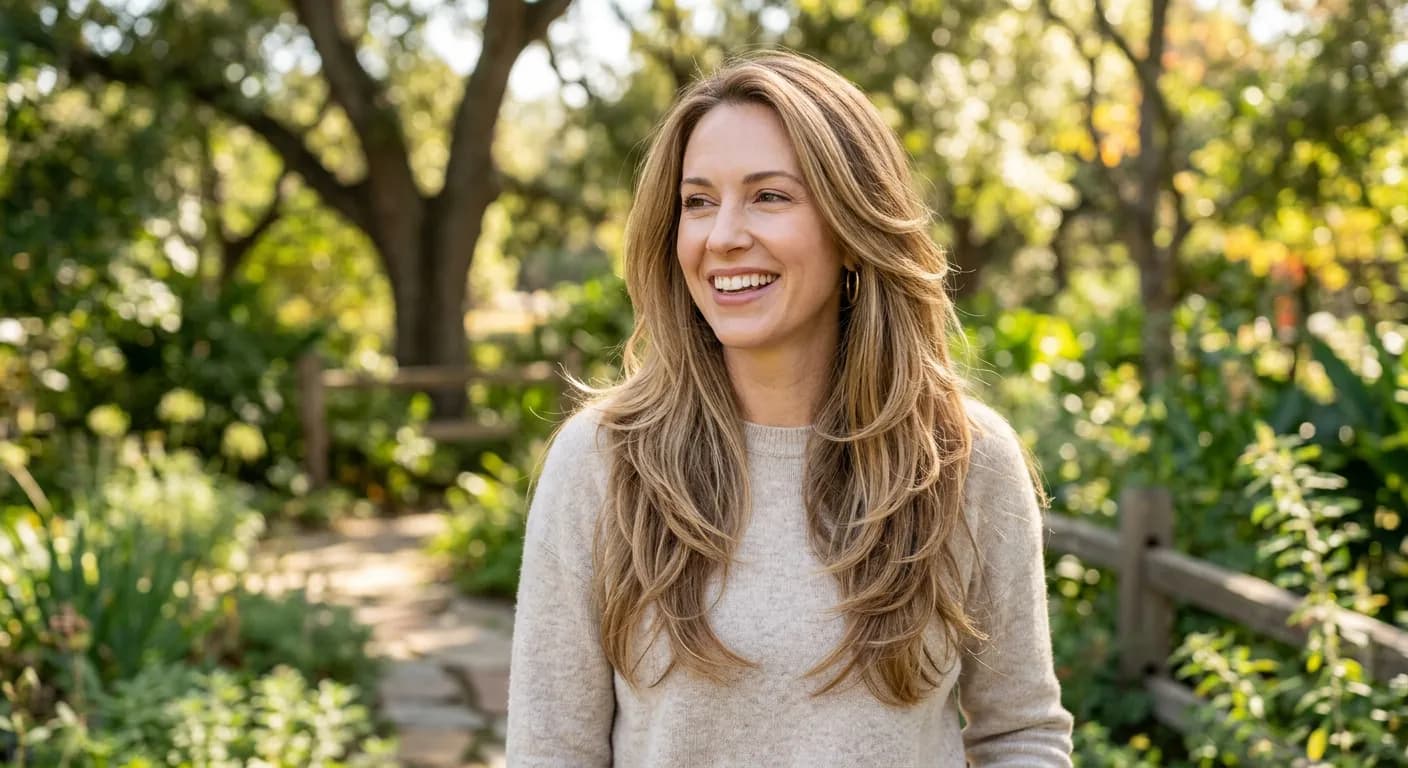
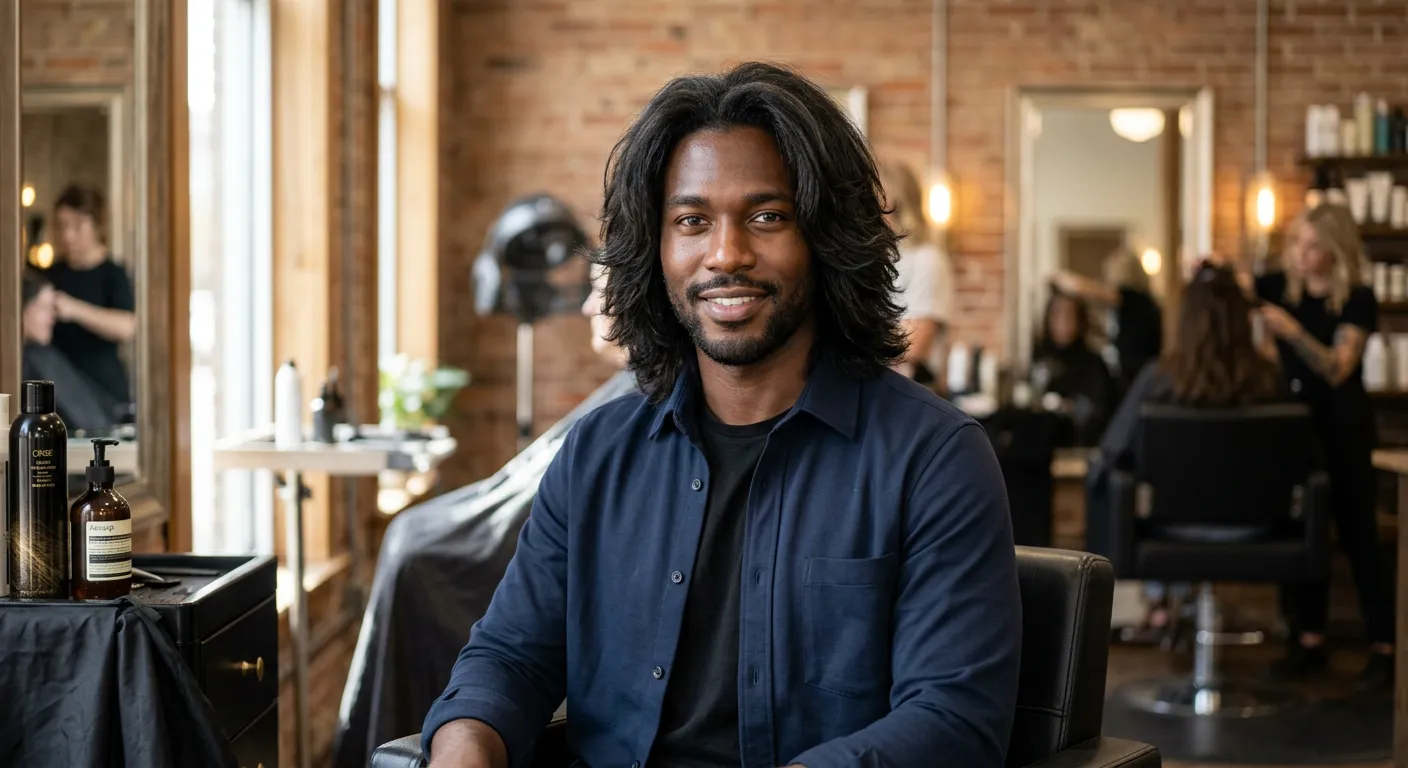
Layers work by creating different lengths within the same head of hair. The shortest layers sit higher up, typically around the crown, while the longest layers fall at the bottom. This graduated structure lets the shorter pieces sit on top of the longer ones, creating natural volume and movement. The distance between the shortest and longest layer is called the "drop," and it determines how dramatic or subtle the layers look. A small drop creates soft, blended layers. A large drop creates more visible, defined separation between lengths. Your stylist adjusts this based on your hair texture, density, and the look you're going for.


Layered Haircut
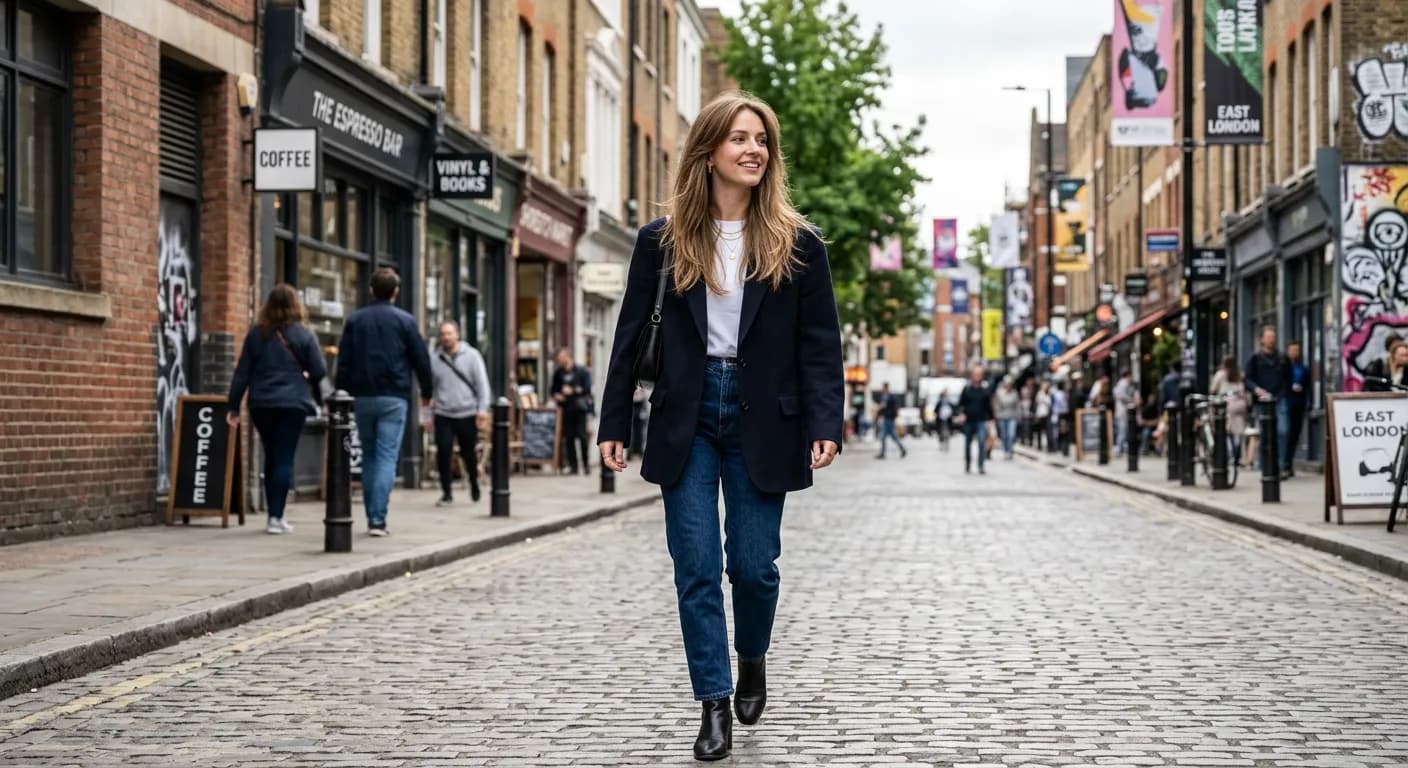
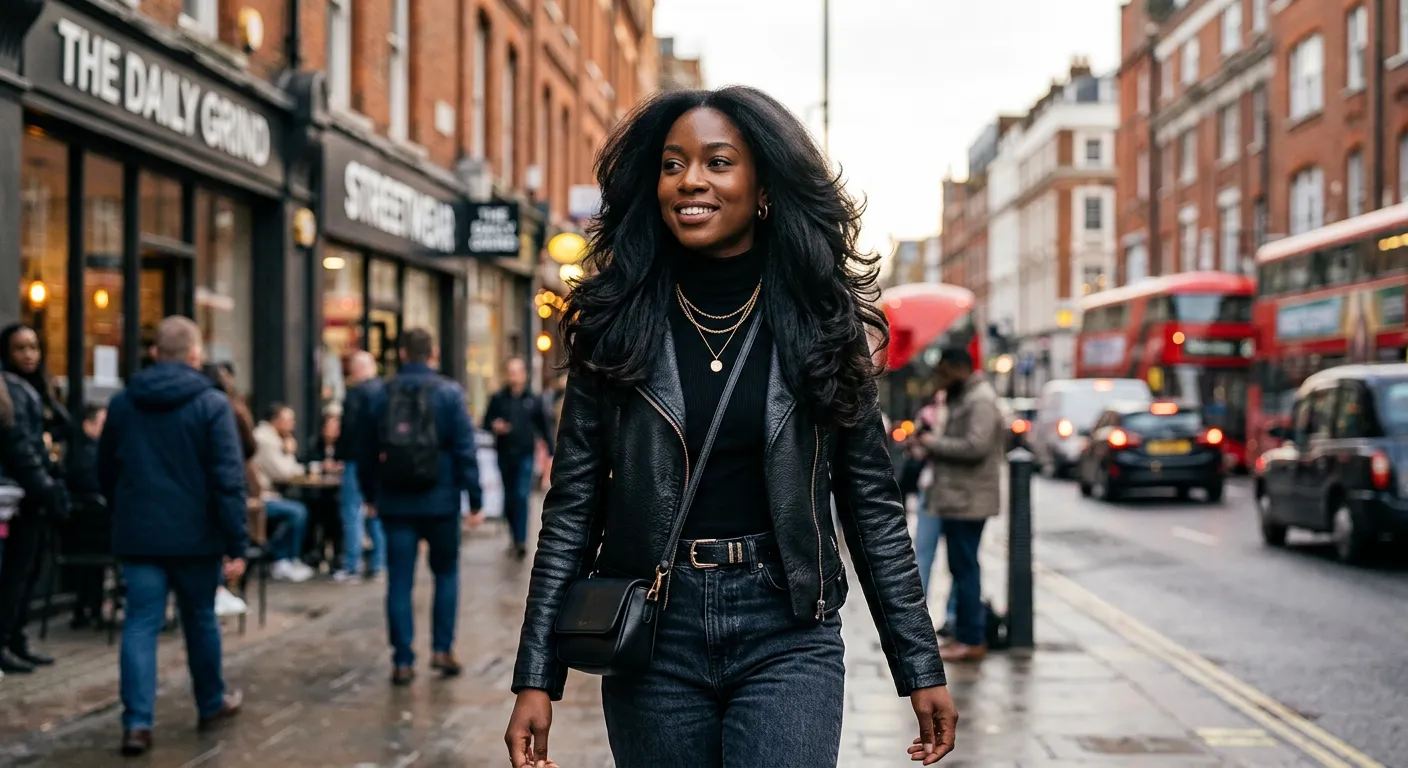
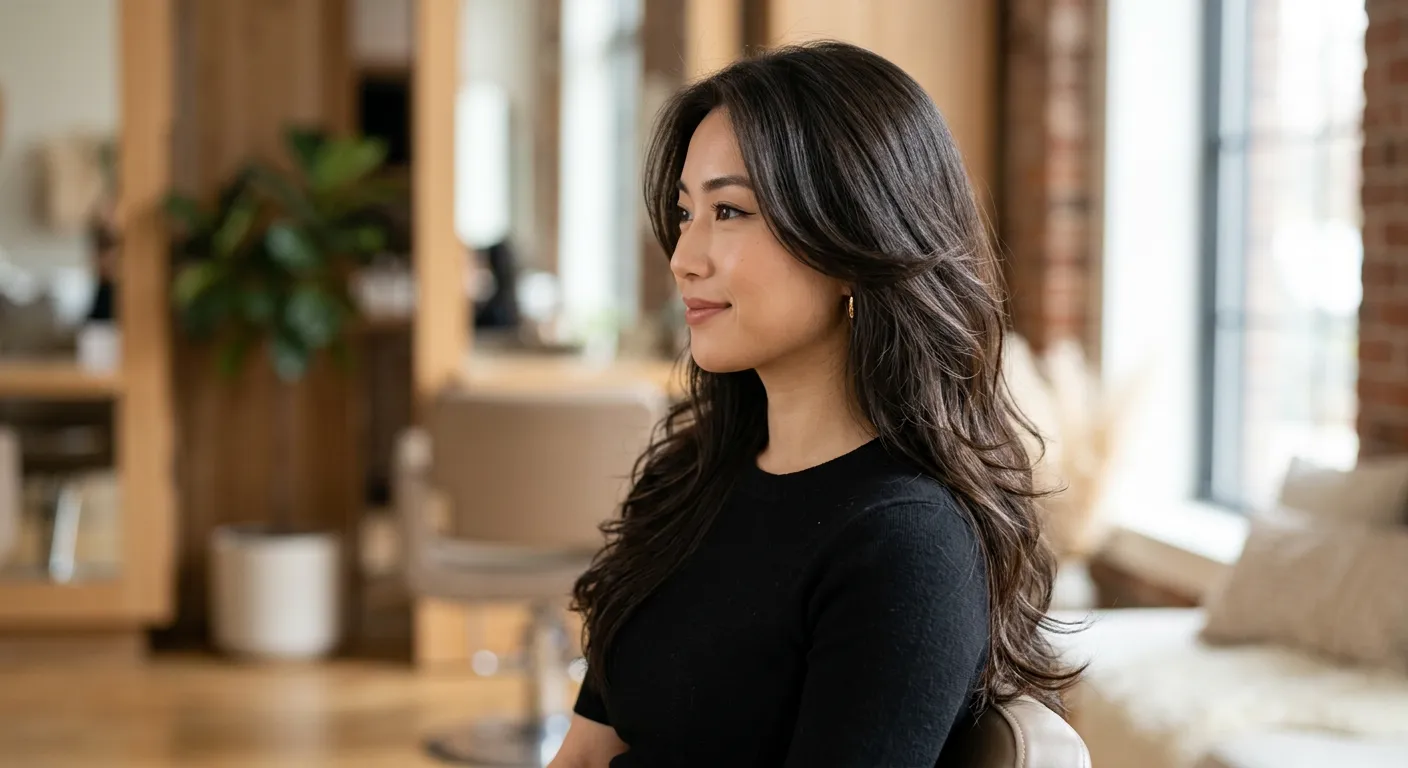
The classic layered haircut is the most versatile version of this style. It features layers distributed evenly throughout the hair, creating balanced movement from every angle. This is the layered cut most people picture: soft, face-framing pieces that blend into longer lengths in the back. It works on virtually every hair length from chin-length bobs to waist-length hair. A layered haircut is the safest choice if you're trying layers for the first time because the result is universally flattering. Ask your stylist for "soft, blended layers" and bring a photo showing the level of graduation you prefer.
Long Layers Haircut
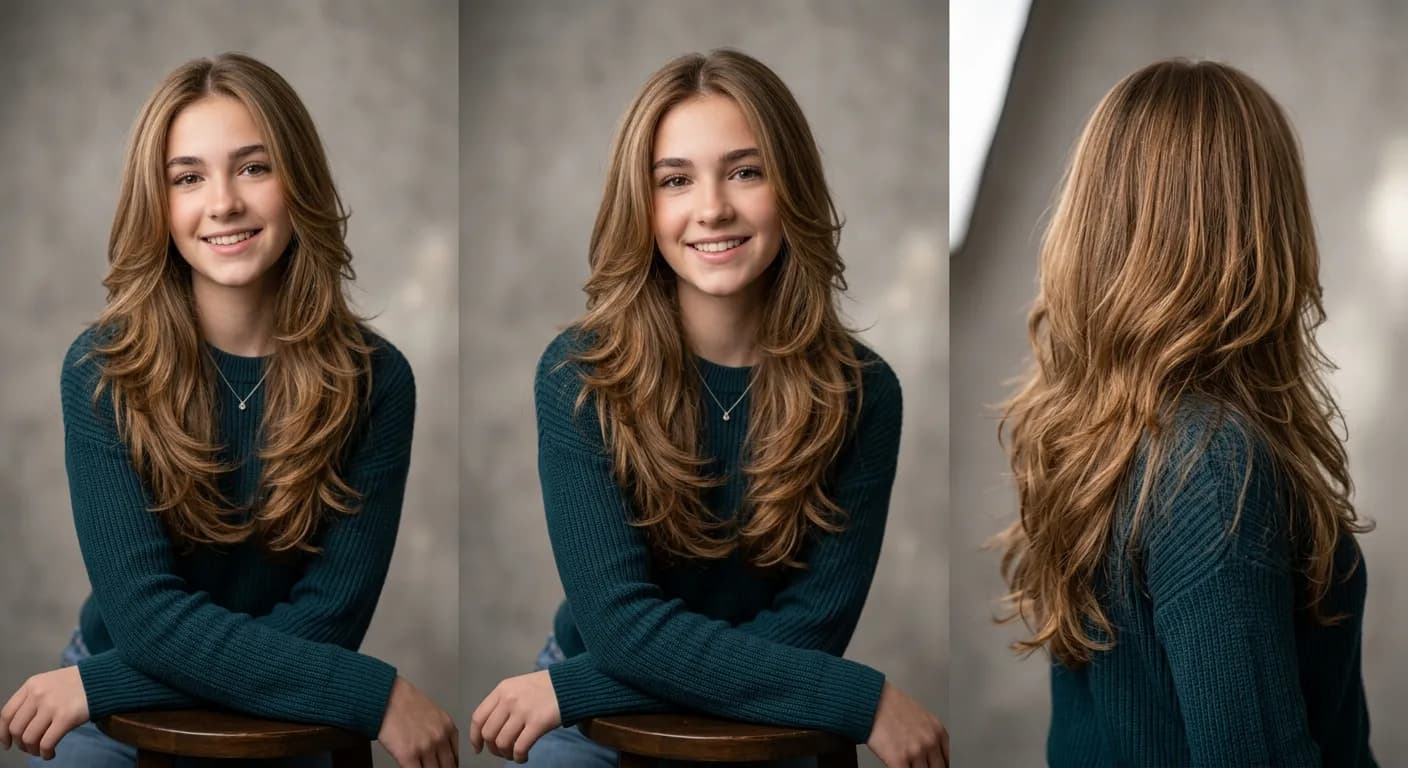
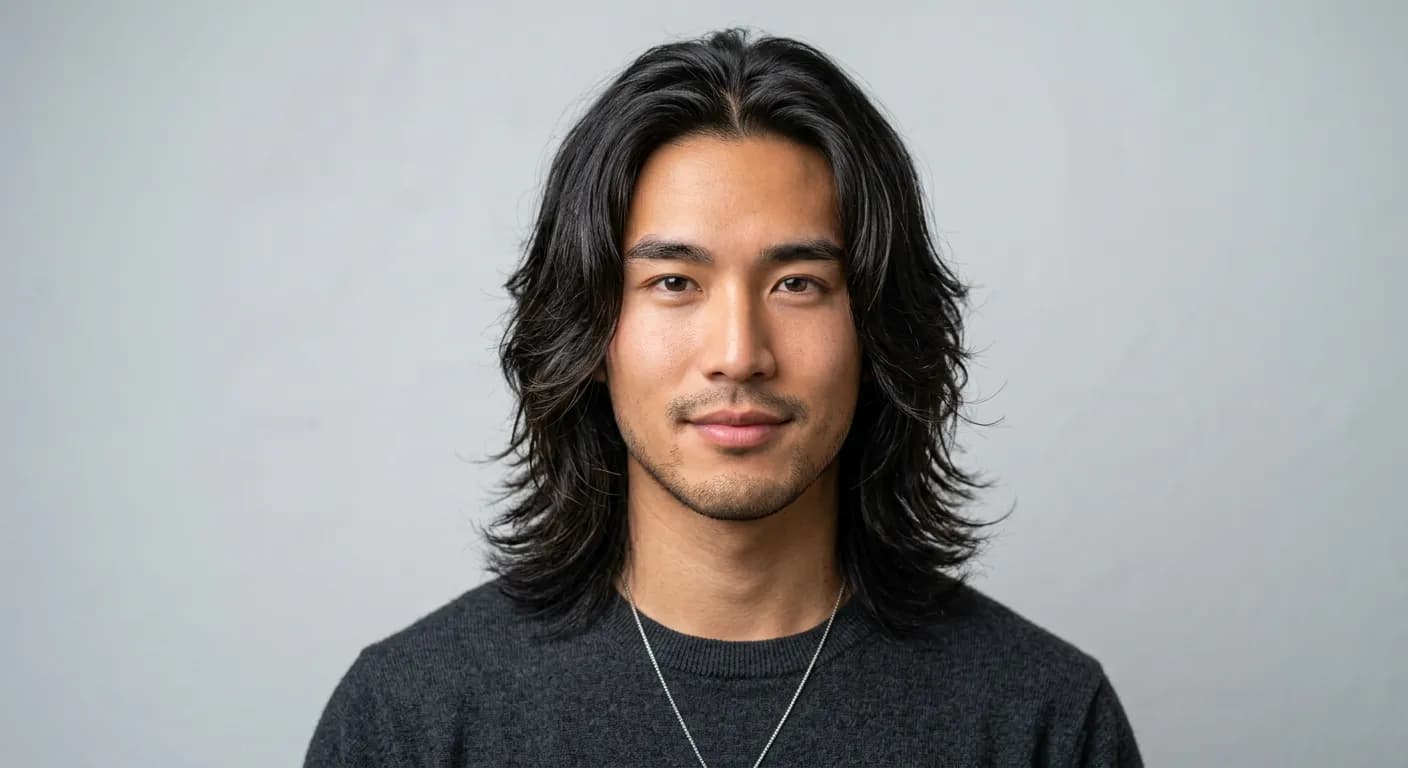
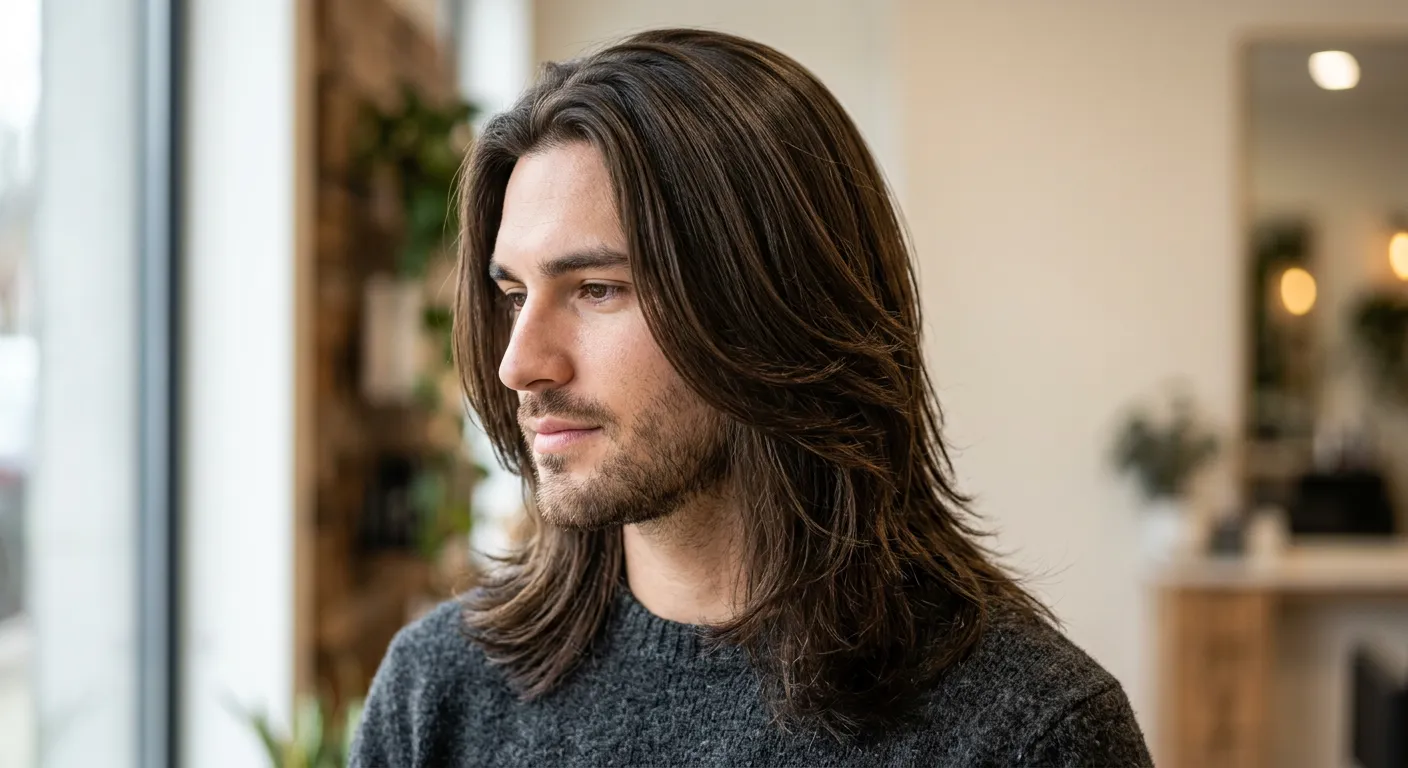
Long layers keep the overall length intact while adding subtle internal movement. The shortest layer in a long layers haircut typically starts around the collarbone or lower, so the difference between lengths is gentle rather than dramatic. This is the perfect option if you've been growing your hair out and don't want to lose length but need some shape and life. Long layers prevent that flat, heavy look that one-length long hair tends to develop. They also make blow-drying faster because there's less bulk to work through. Long layers are especially good for thick and medium-density hair, where removing internal weight makes a noticeable difference in how the hair moves and falls.
Who Do Layers Suit?
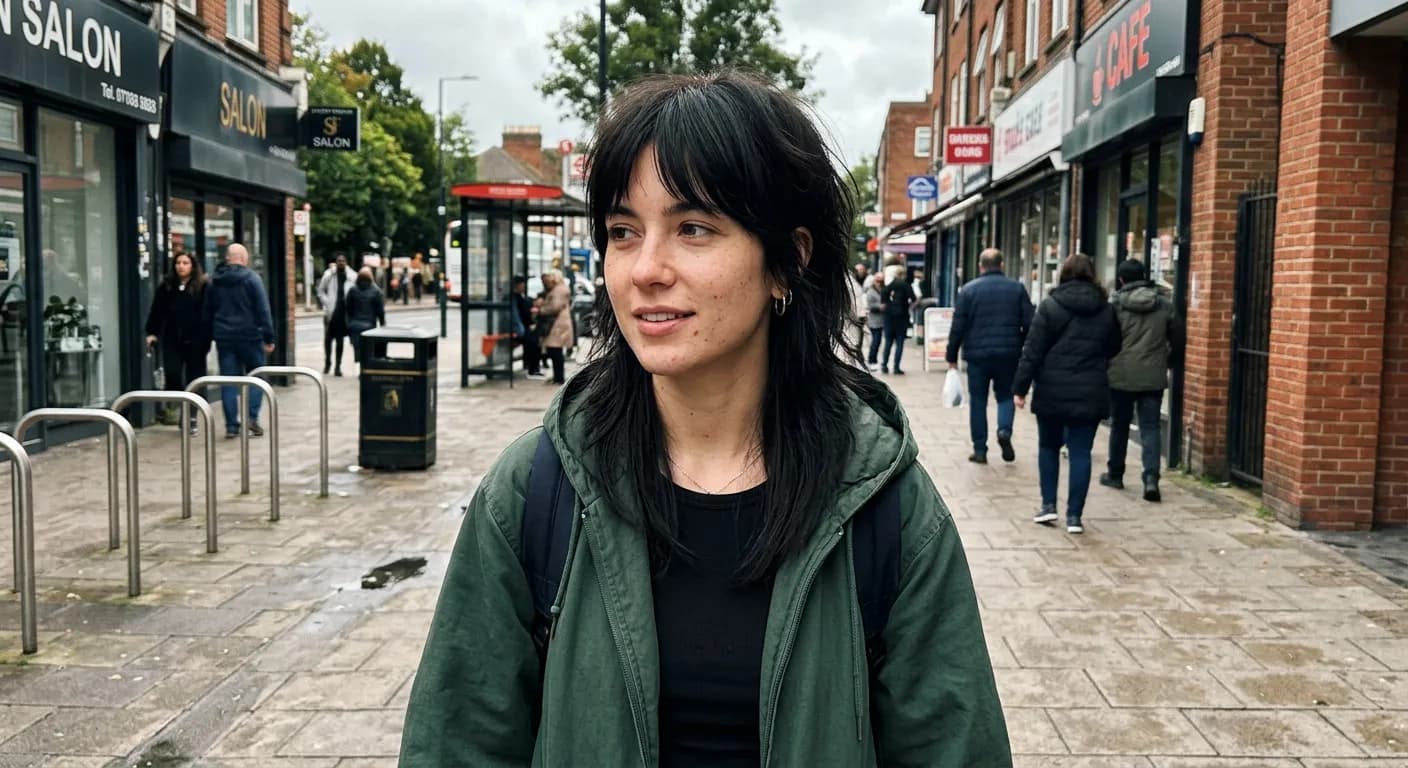
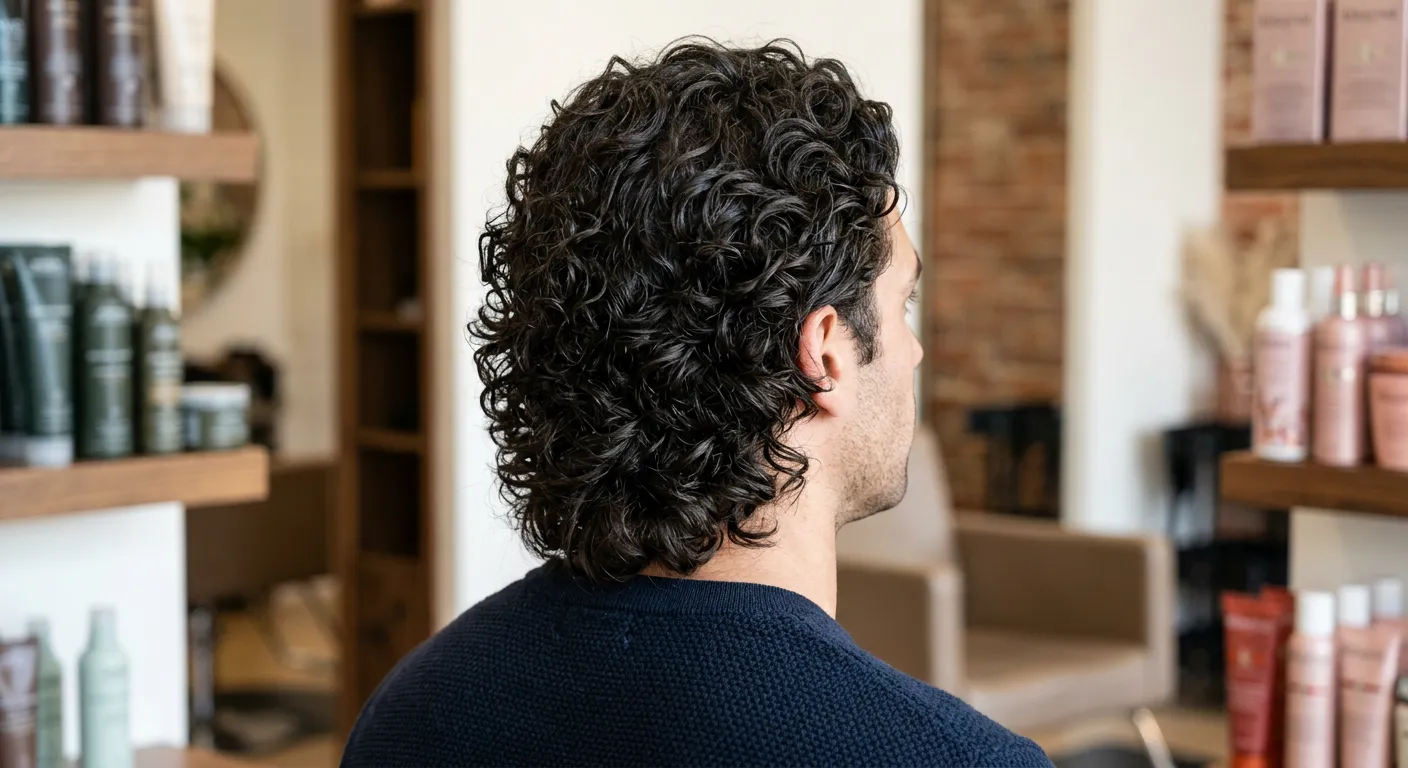
Layers suit nearly everyone when customized correctly. For thick hair, layers reduce heaviness and let the hair swing and bounce instead of hanging like a curtain. For fine hair, carefully placed layers (especially around the face and crown) create the illusion of fullness, though your stylist should avoid over-layering, which can make thin hair look wispy. Wavy and curly hair benefits from layers that enhance the natural pattern and prevent a triangular shape. Face shape matters too: layers starting at the cheekbones soften square jaws, while longer layers below the chin elongate round faces. Oval faces can handle layers starting anywhere.


How to Ask for Layers at the Salon
The word "layers" means different things to different stylists, so be specific. Bring photos showing the amount of layering you want. Tell your stylist where you want the shortest layer to start: around the cheekbones, chin, collarbone, or lower. Mention whether you prefer blended, seamless layers or more visible, choppy ones. If you have fine hair, say so upfront so they can adjust their technique. Useful terms to know: "face-framing layers" (shorter pieces around the face), "internal layers" (layers you can't see from outside that reduce bulk), "point cutting" (a texturizing technique for softer ends), and "long layers" (minimal graduation for a subtle effect).
Styling and Maintaining Layered Hair
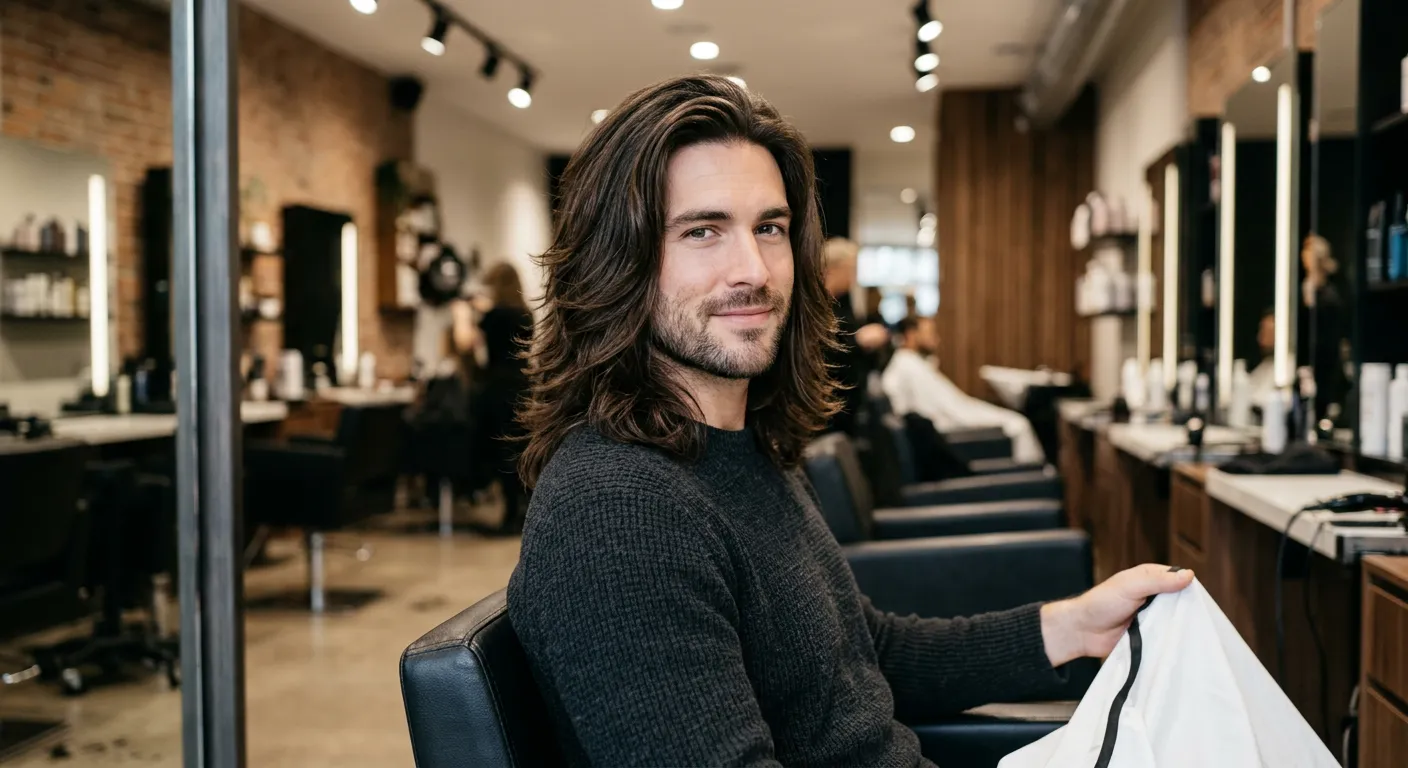
Layered hair is easier to style than one-length hair because it already has built-in shape and movement. For a polished look, blow-dry sections with a round brush, wrapping the ends under or flipping them out depending on your preference. For effortless texture, apply a sea salt spray or texturizing cream to damp hair and let it air dry. Layers look best when they have some product to define the separation between lengths. Trim every six to eight weeks to keep the layers in shape and prevent the shortest pieces from growing into awkward lengths. If you have face-framing layers, you may need to trim those more frequently since they're the most visible.