The 70s Shag Haircut: Retro Layers, Modern Appeal
Channel vintage cool with the 70s shag haircut. Learn what makes it unique, who it suits, how to ask your stylist, and the best ways to style it.
The 70s shag is the haircut that defined an era — think Farrah Fawcett's feathered layers, Mick Jagger's tousled mane, and Jane Fonda's effortless volume. It is built on heavily layered hair with lots of movement, a face-framing fringe, and that distinctive lived-in, just-rolled-out-of-bed texture. What makes the 70s shag different from modern shag cuts is its commitment to volume, feathering, and that unmistakable retro silhouette that says you are cool without trying.
What Is a 70s Shag Haircut?
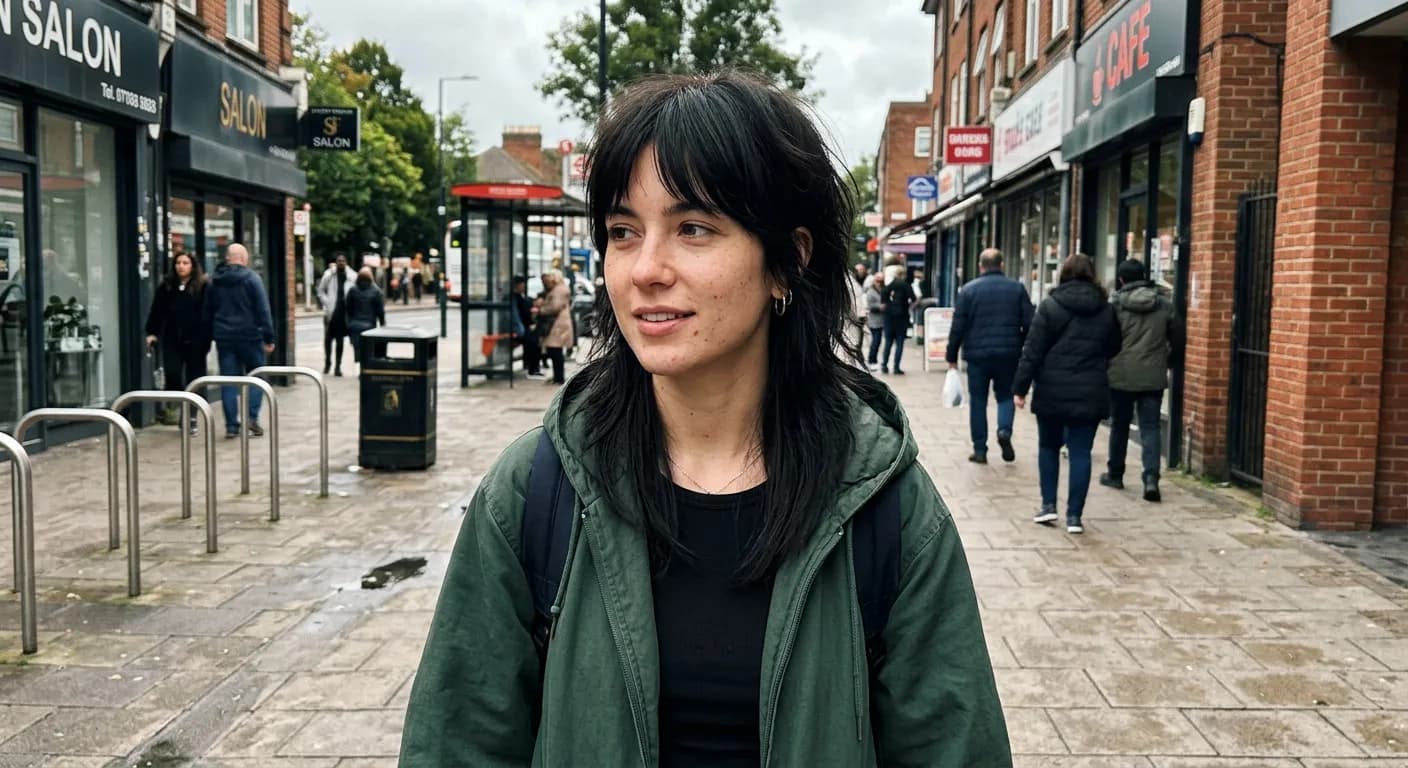
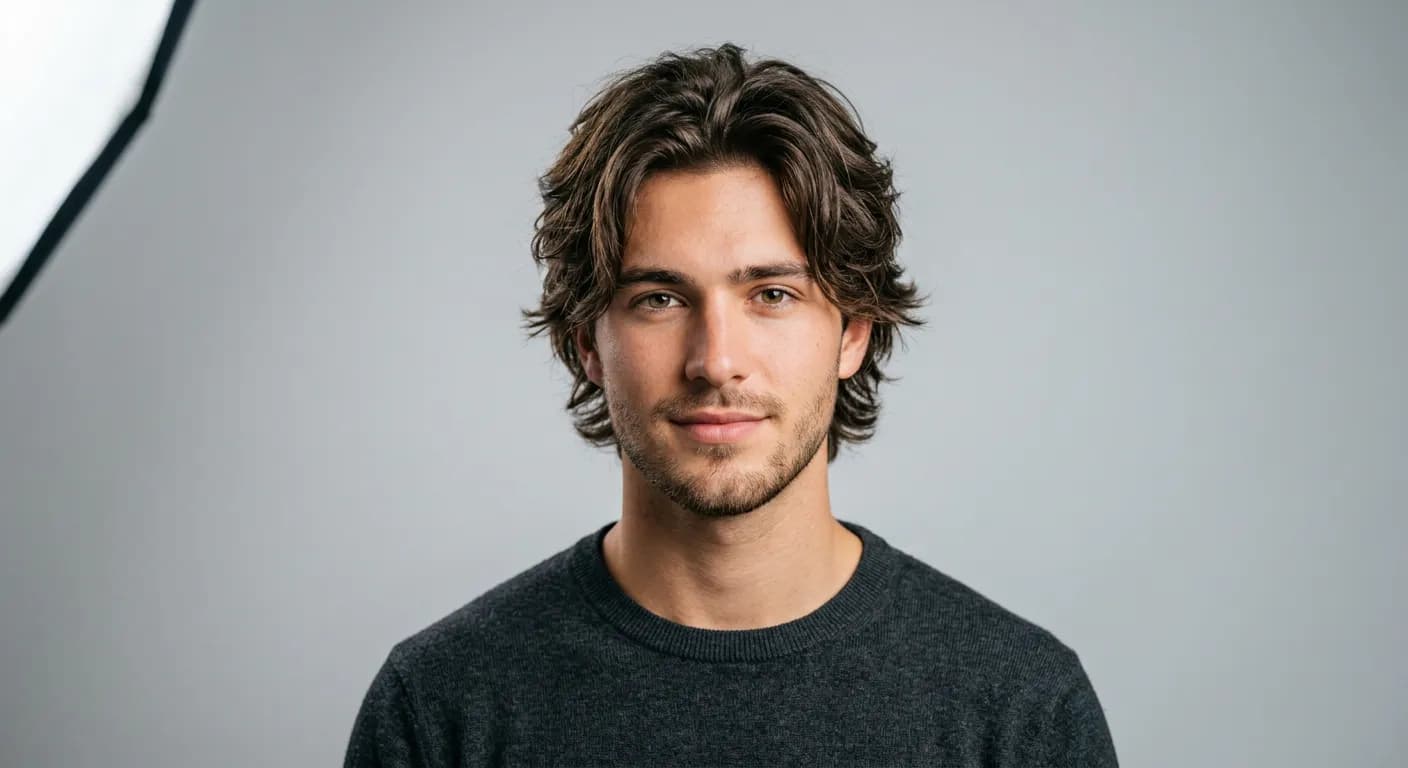
The 70s shag is a multi-layered haircut where shorter layers around the crown create volume, and longer layers through the mid-lengths and ends add movement and flow. The fringe is a non-negotiable part of the look — whether it is full curtain bangs, a feathered fringe, or a longer, parted bang that blends into the sides. The layers are typically cut with a razor or point-cut for that soft, feathered edge rather than a blunt line. The overall shape is rounder and more voluminous at the top, tapering to thinner, wispier ends. It is intentionally imperfect, and that imperfection is the entire appeal.
Who Does the 70s Shag Suit?
The 70s shag is surprisingly versatile. It is fantastic for anyone with medium to thick hair because the heavy layering removes bulk while creating shape and movement. Fine-haired folks can wear it too — the short layers at the crown add volume where you need it most. Oval and heart-shaped faces wear it most effortlessly, but the fringe and face-framing layers can be adjusted to flatter round or square faces as well. This cut works on hair anywhere from chin-length to mid-back, though the classic 70s version usually lands around the shoulders. Wavy and curly textures look particularly incredible because the layers enhance natural movement.
Variations and Ideas
The Farrah Fawcett shag is all about those feathered, flipped-back layers — the sides wing away from the face for a polished, glamorous take on the style. The rock-and-roll shag leans into messiness: more aggressive layering, choppier texture, and a generally wilder silhouette. A short 70s shag at chin or jaw length creates a punky, mod vibe while keeping the retro DNA intact. For a more wearable everyday version, ask for a modernized 70s shag with slightly longer layers and less dramatic feathering — you still get the shape and movement but with a bit more versatility for different styling options.
How to Ask Your Stylist for a 70s Shag
This is a cut where your reference photos really matter, because the difference between a 70s shag and a modern shag is significant. Tell your stylist you specifically want a 70s-inspired shag with emphasis on volume at the crown, feathered layers, and a face-framing fringe. Discuss the fringe style: full bangs, curtain bangs, or a longer parted fringe. Mention the overall length and how dramatic you want the layering — do you want a big difference between the shortest and longest layers, or something more gradual? Ask for razor-cut or point-cut ends for that authentic feathered texture. If you are nervous about going full retro, start with a subtler version and go bolder on the next visit.
How to Style a 70s Shag
The iconic 70s blowout is the signature styling method. Using a round brush, blow-dry each section of layers away from your face, flipping the ends outward for that Farrah effect. Start at the crown for maximum volume and work your way down. Hot rollers are another period-authentic option: roll the top sections for lift and the side sections away from the face, let cool completely, then shake out for bouncy, feathered layers. For a more relaxed, modern take, scrunch a texturizing mousse into damp hair and diffuse or air-dry — you will get that undone, bed-head texture that is equally true to the 70s spirit.
Maintenance Tips
The 70s shag is a high-layer cut, and layers grow out at different rates, so regular trims every six to eight weeks are important to keep the shape from getting shapeless. The fringe will need more frequent attention — a quick bang trim every three to four weeks keeps them at the right length. Use lightweight volumizing products rather than heavy creams or oils, which can weigh down the layers and kill the bounce. A volumizing mousse applied at the roots before blow-drying is your single best product for maintaining that signature 70s lift. Dry shampoo on second and third day hair helps maintain texture and volume between washes.