High Fade Haircut: Maximum Contrast, Maximum Impact
The high fade haircut starts at the temples for maximum contrast. Learn about the men's high fade, how to ask your barber, and styling tips.
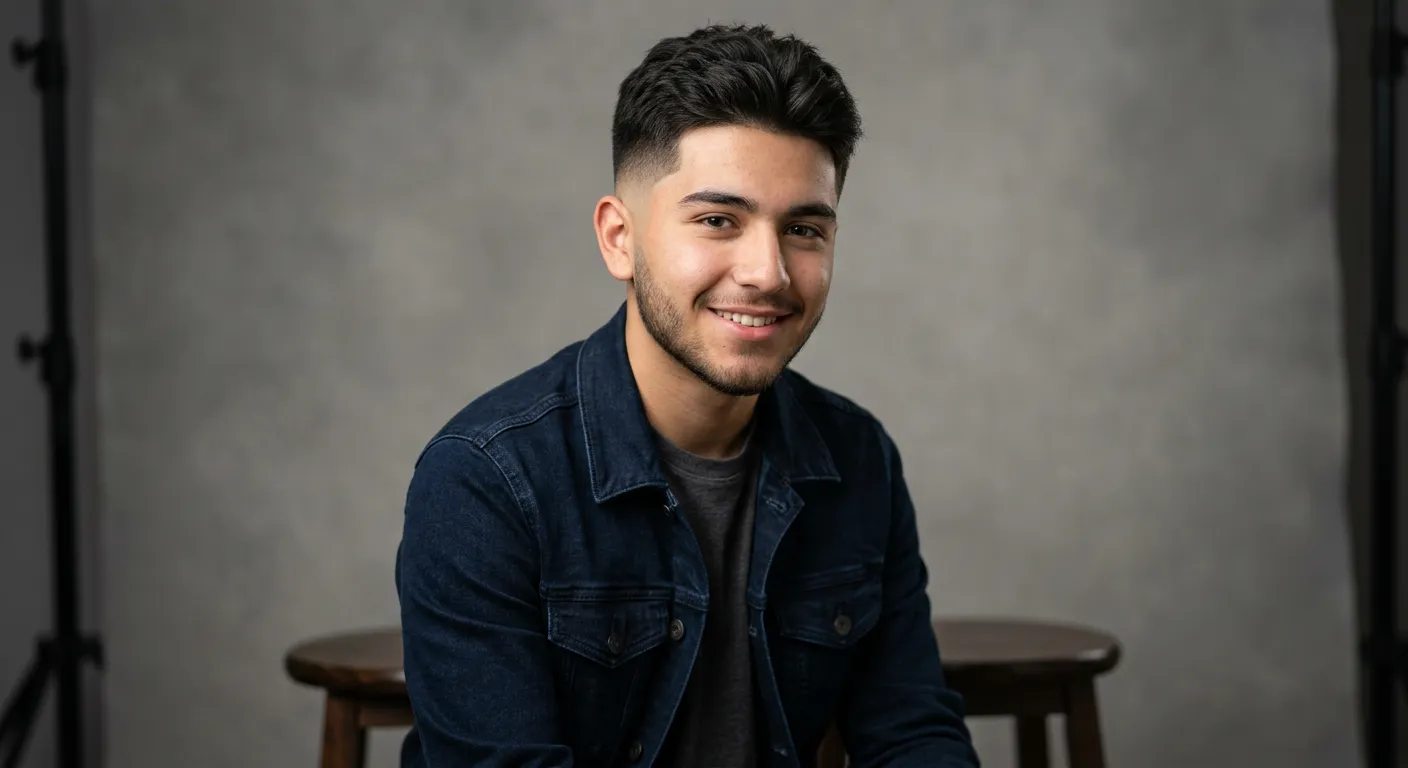
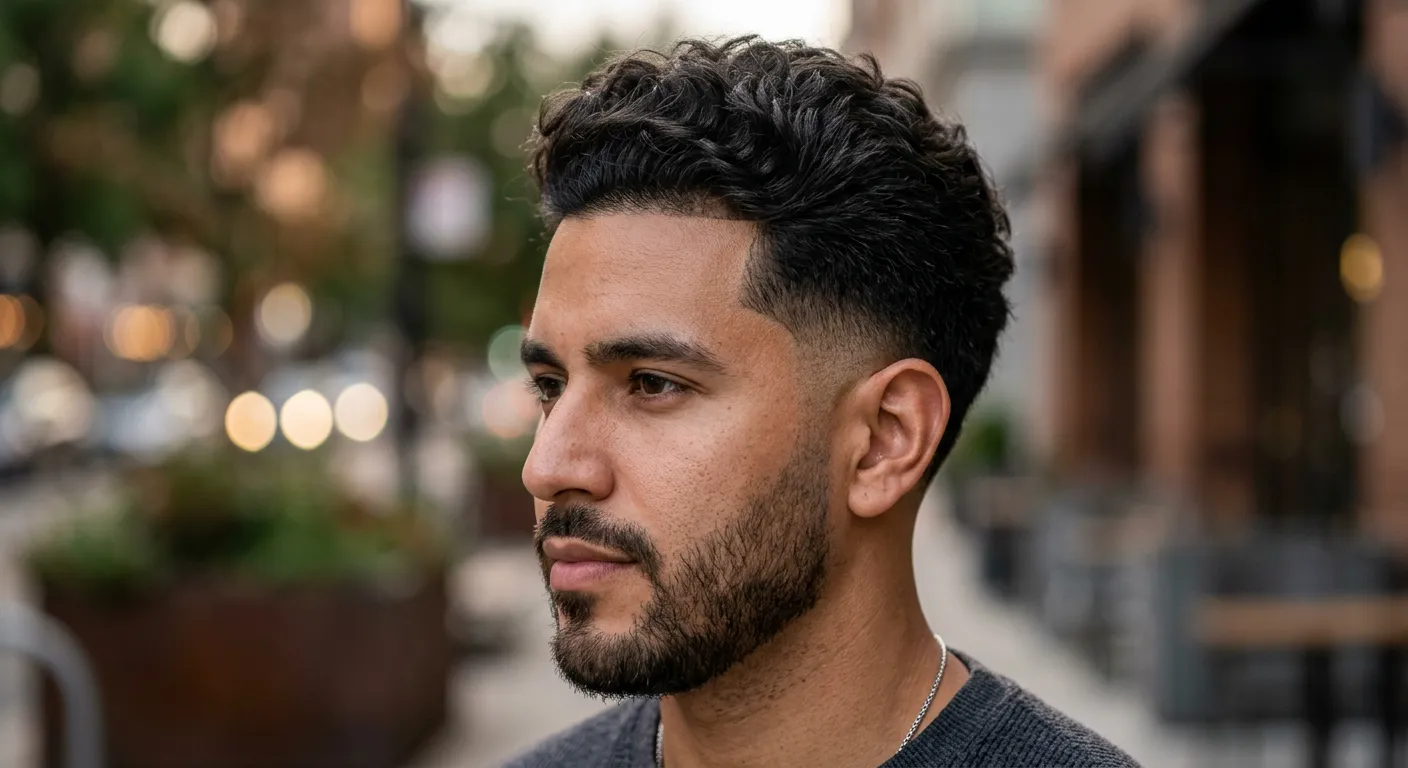
The high fade is the boldest version of the classic fade — it starts its blend near the top of the sides, around the temples, and tapers all the way down to skin. The result is maximum contrast between the hair on top and the clean, exposed sides, creating a sharp, athletic look that commands attention. If you want a cut that looks fresh the moment you leave the barber chair, the high fade is hard to beat.
What Defines the High Fade
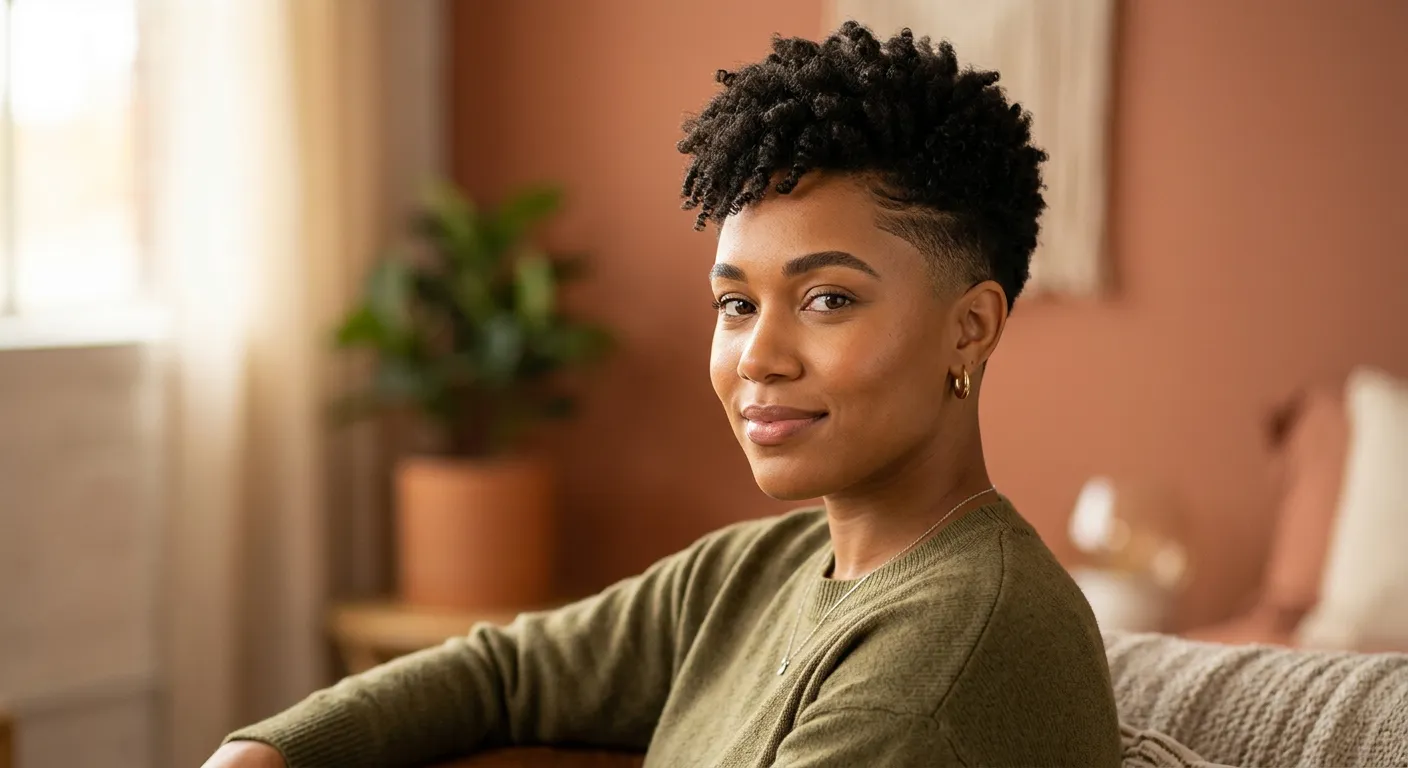
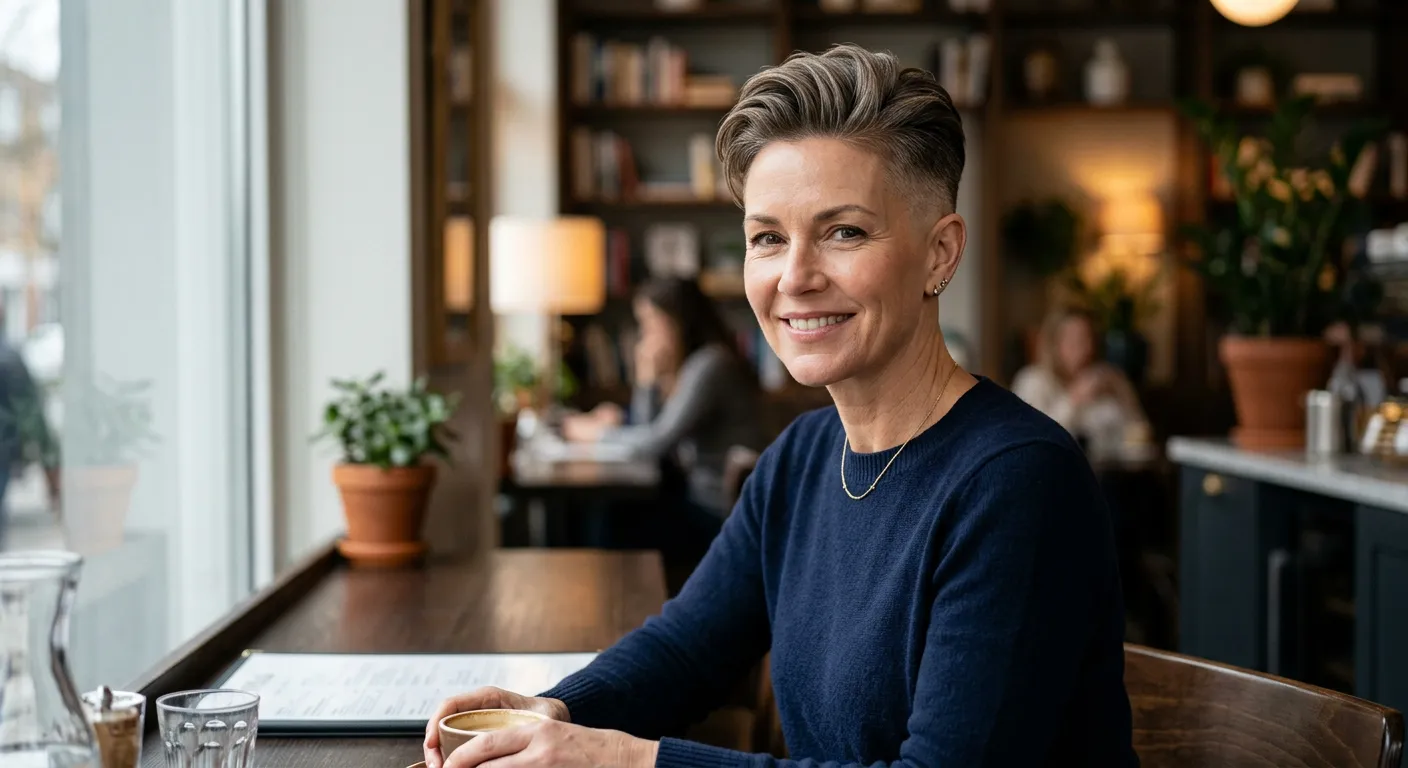
The defining feature of a high fade is where the blend begins. While low fades start near the ear and mid fades hit the temple area, the high fade pushes the starting point up to the upper temples or even the top of the head. Everything below that line is gradually blended to skin or near-skin length. This removes the majority of hair from the sides and back, which puts all the visual emphasis on whatever style you are wearing on top. The high fade works as a foundation — it does not dictate the top style, so you can pair it with a textured crop, a pompadour, a slick-back, braids, or even a buzz on top. The fade itself is the statement.
High Fade Haircut Men: Why It Works
The high fade has become one of the most requested men's cuts for several reasons. First, it makes any face look more defined — the clean sides expose your jawline and cheekbones, giving your features more structure. It is particularly flattering for round faces because the tight sides slim the head visually and add vertical emphasis. Square-jawed guys get even more chiseled definition. Second, it pairs with basically everything. Whether you keep the top short and low-key or grow it out for a more dramatic contrast, the high fade adapts. Third, it photographs incredibly well — the sharp line and gradient catch the light and look clean even in casual photos. For guys who want a cut that consistently looks polished without much effort on top, the high fade delivers every time.
Choosing What to Wear on Top
The top section is where you express your personal style. A textured crop or French crop on top gives you a modern, low-maintenance look — just push it forward with some clay and go. A pompadour or quiff adds height and drama for a bolder statement. Curly hair on top with a high fade is one of the most popular combinations going right now, as the contrast between the tight sides and voluminous curls is striking. For a minimal, athletic look, keep the top at one to two inches and wear it textured. If you want to push the envelope, grow the top to four or five inches and style it into a slick-back or a side part. The high fade gives you a clean canvas to work with regardless of direction.
How to Ask Your Barber for a High Fade
Be direct: "I want a high fade, starting at the temples, blending down to skin." Then specify what you want on top — length, texture, and styling direction. If you want the fade to go all the way to skin (a high skin fade), say so explicitly, because some barbers default to leaving a shadow at the bottom. Clarify the neckline — tapered, squared, or rounded. If you want additional details like a line-up at the forehead and temples or a hard part, mention those too. Photos help enormously since "high fade" can mean slightly different heights to different barbers. Point to the exact spot on the photo where you want the fade to start and there will be no confusion.
Maintenance and Touch-Up Schedule
The high fade is a high-frequency cut when it comes to barber visits. Because so much skin is exposed, even a week of growth softens the fade line noticeably. For a consistently sharp look, plan on visiting your barber every one and a half to two weeks. If you are comfortable with a slightly grown-out fade, you can stretch it to three weeks, but beyond that the blend loses its crispness. Between visits, keep the faded area moisturized — the skin underneath can get dry and irritated, especially after a close shave. A lightweight, unscented moisturizer or aftershave balm applied daily keeps things smooth and prevents ingrown hairs.
Styling Products for a High Fade
Product choice depends entirely on what is happening on top. For a textured, matte look, use a clay or dry paste — work a fingertip amount through damp hair and style with your hands. For a sleek, defined finish, a water-based pomade gives you hold and shine that washes out easily. Curly tops benefit from a curl cream or light mousse to define texture without crunch. If you are wearing the top short, you may not need any product at all — the cut does the work. One universal tip: apply your product while the hair is still slightly damp for the best distribution and hold.