Skin Fade Haircut: The Complete Guide to Bald Fades
The skin fade is one of the sharpest, most polished haircuts you can walk out of a barbershop with. It takes the hair down to bare skin at the lowest point, then gradually blends upward into longer hair on top, creating a seamless gradient that looks clean from every angle. Whether you call it a skin fade, bald fade, or zero fade, this cut has become the go-to foundation for dozens of modern men's styles.
What Makes a Skin Fade Different
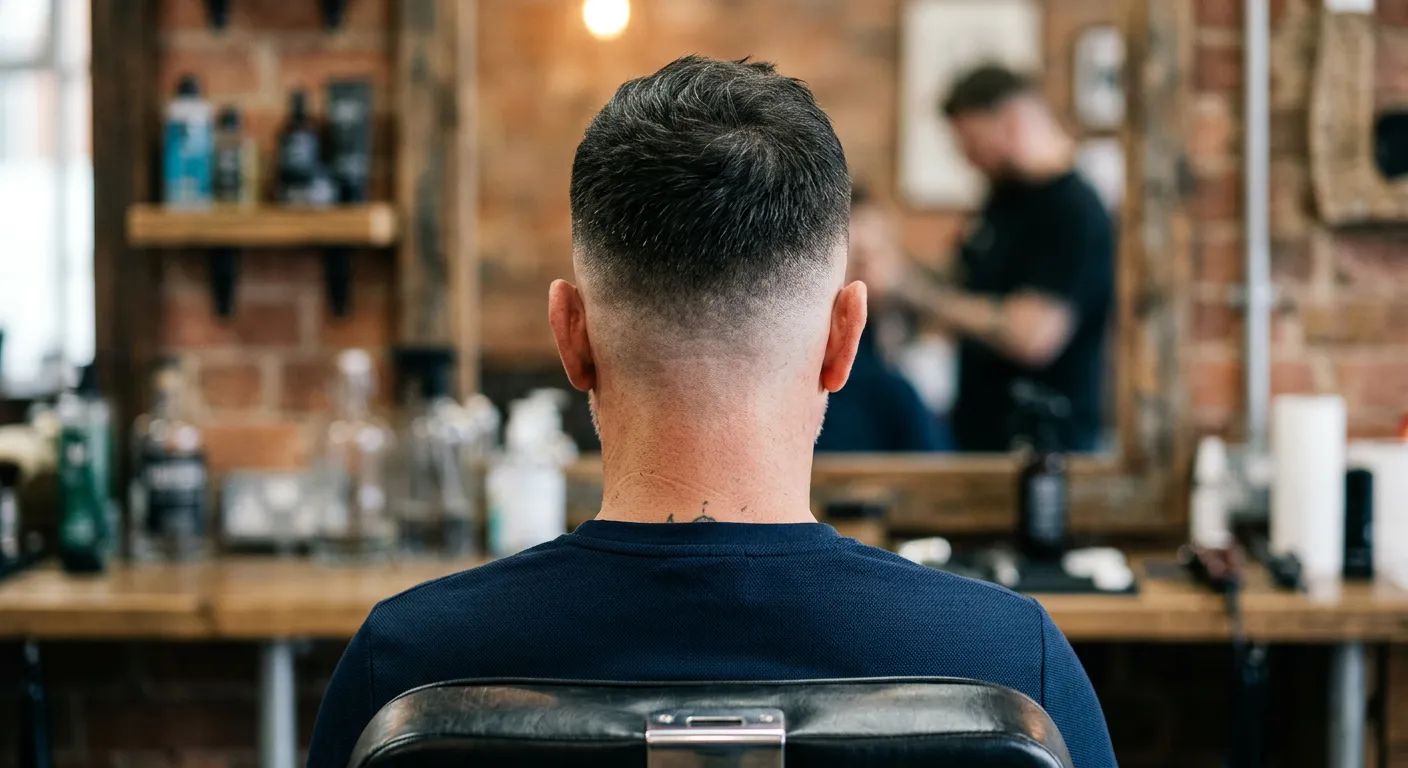
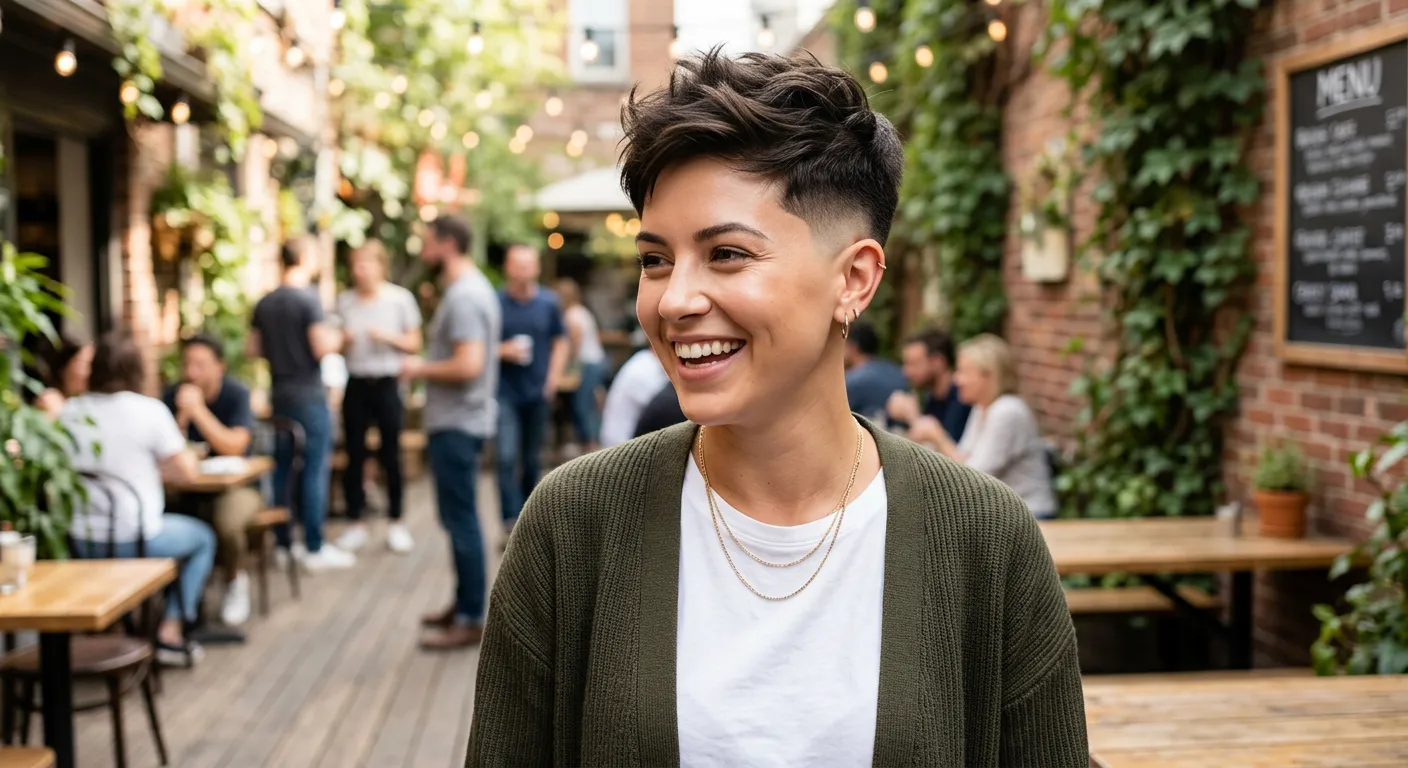
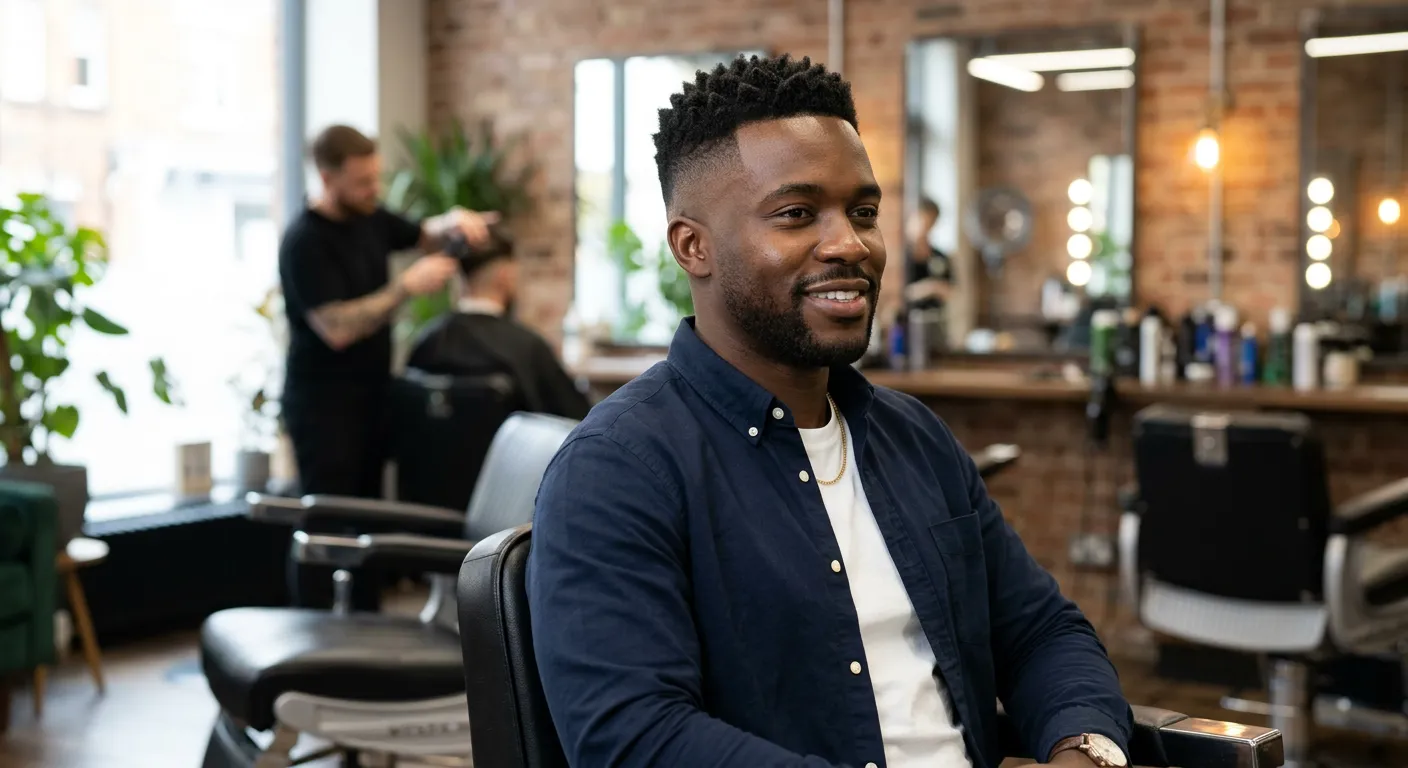
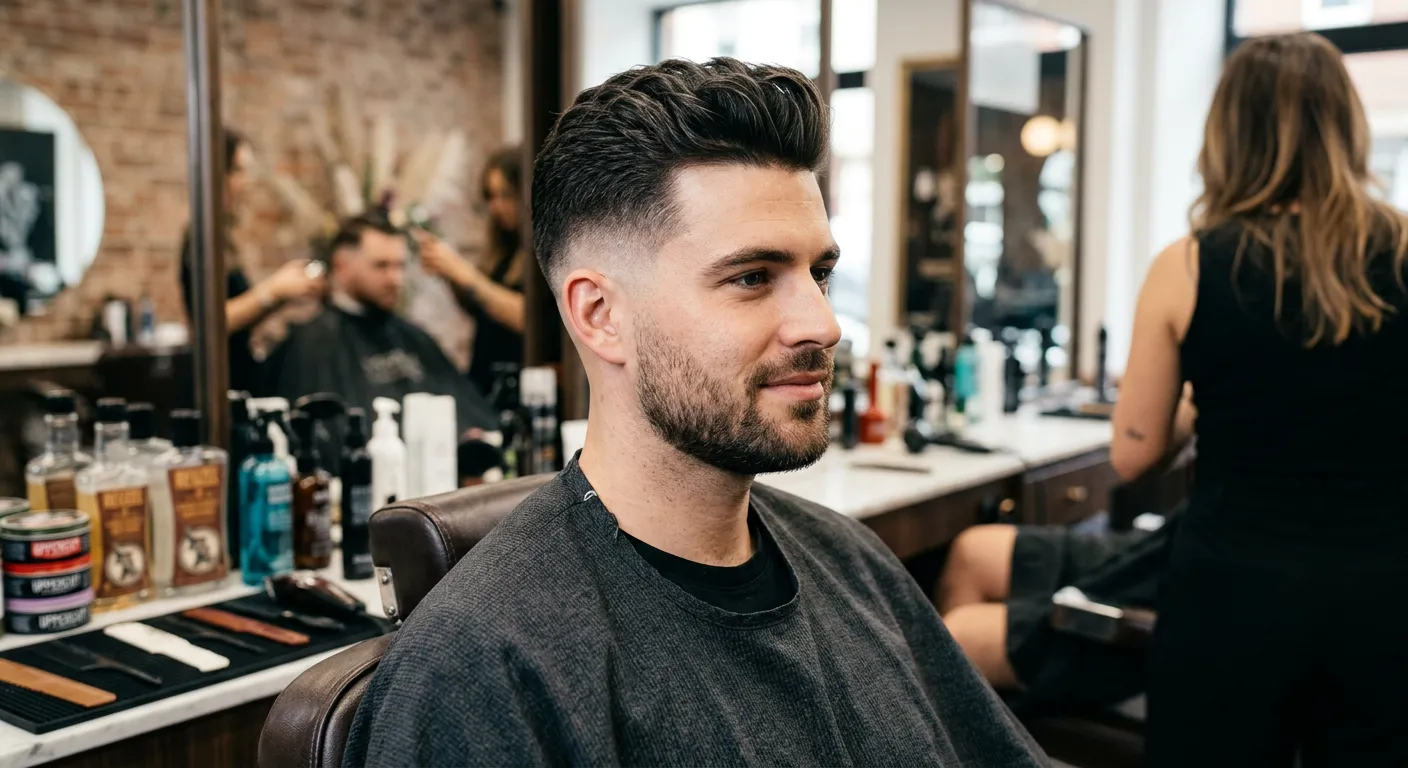
A regular fade tapers down to a short clipper length, usually a #1 or #0.5 guard. A skin fade goes further, taking the hair completely down to the scalp with a foil shaver or open blade. This creates a higher contrast between the bare skin at the bottom and the hair on top, which is what gives the style its sharp, defined look. The transition zone where skin meets stubble is the most technically demanding part of the cut, and it's what separates a great barber from an average one.
Bald Fade Haircut
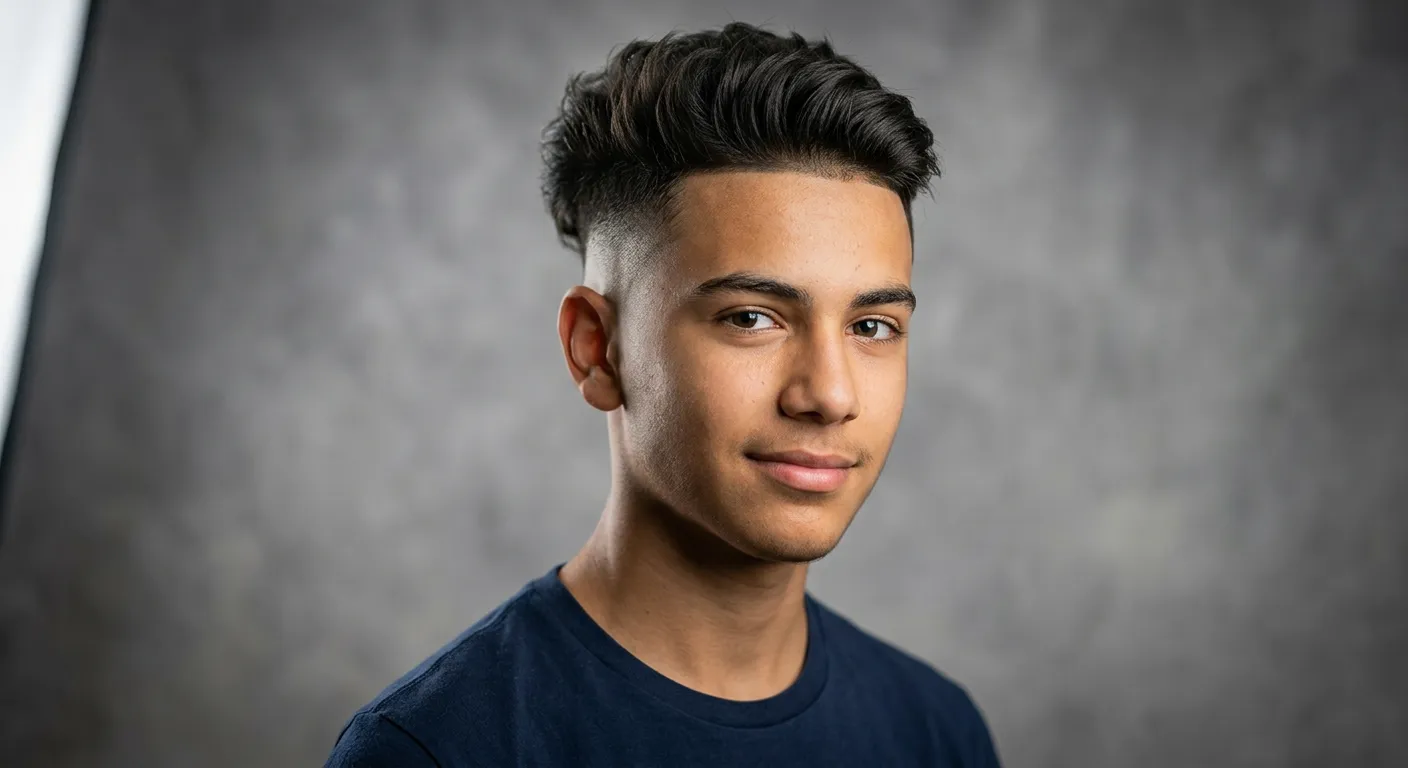
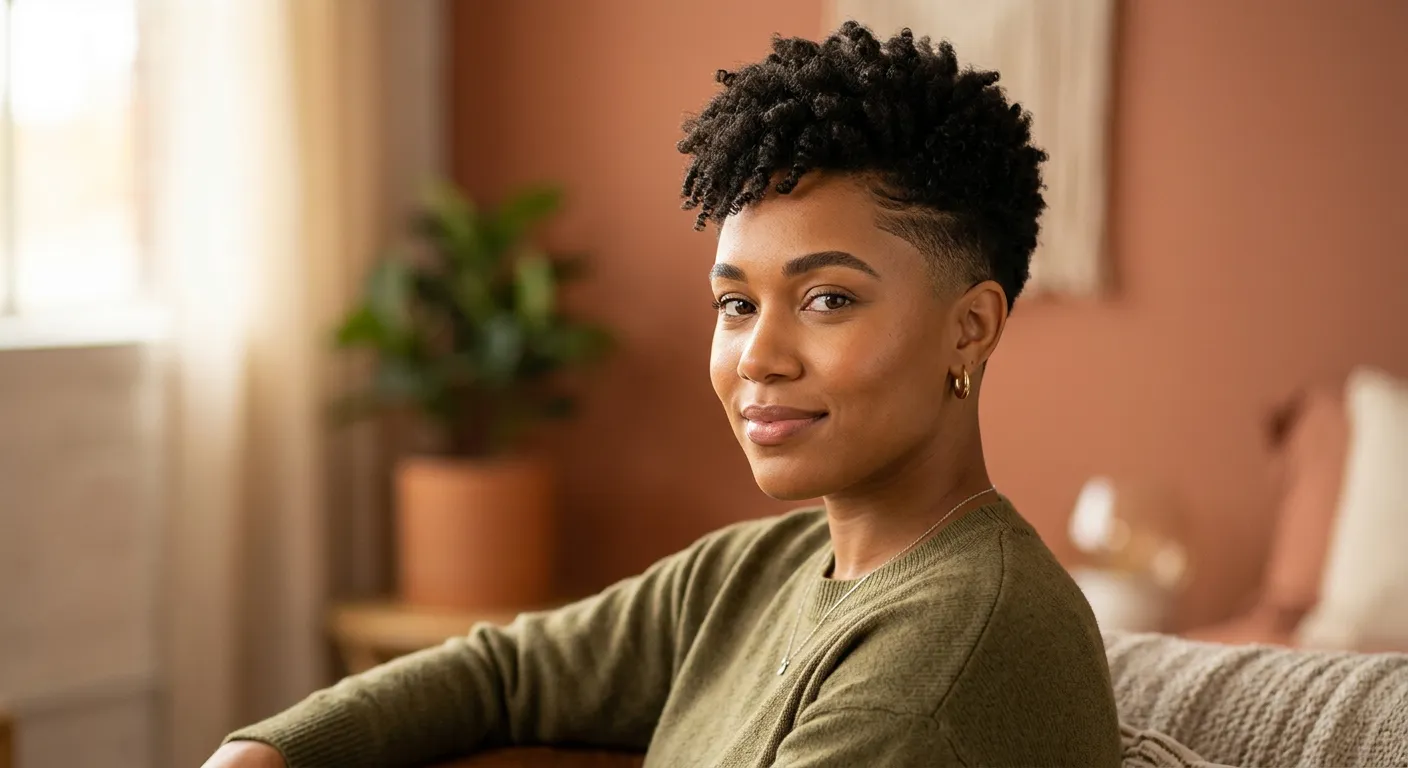
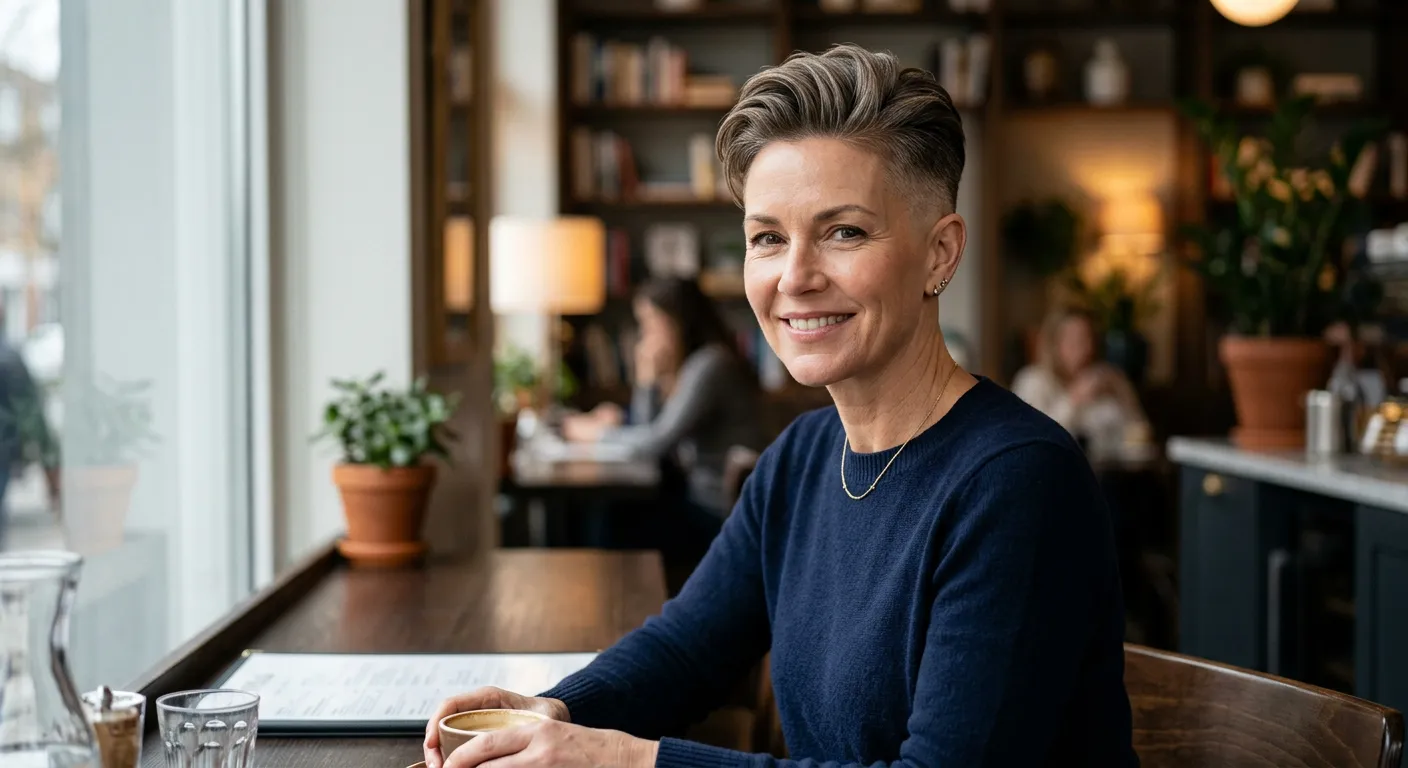
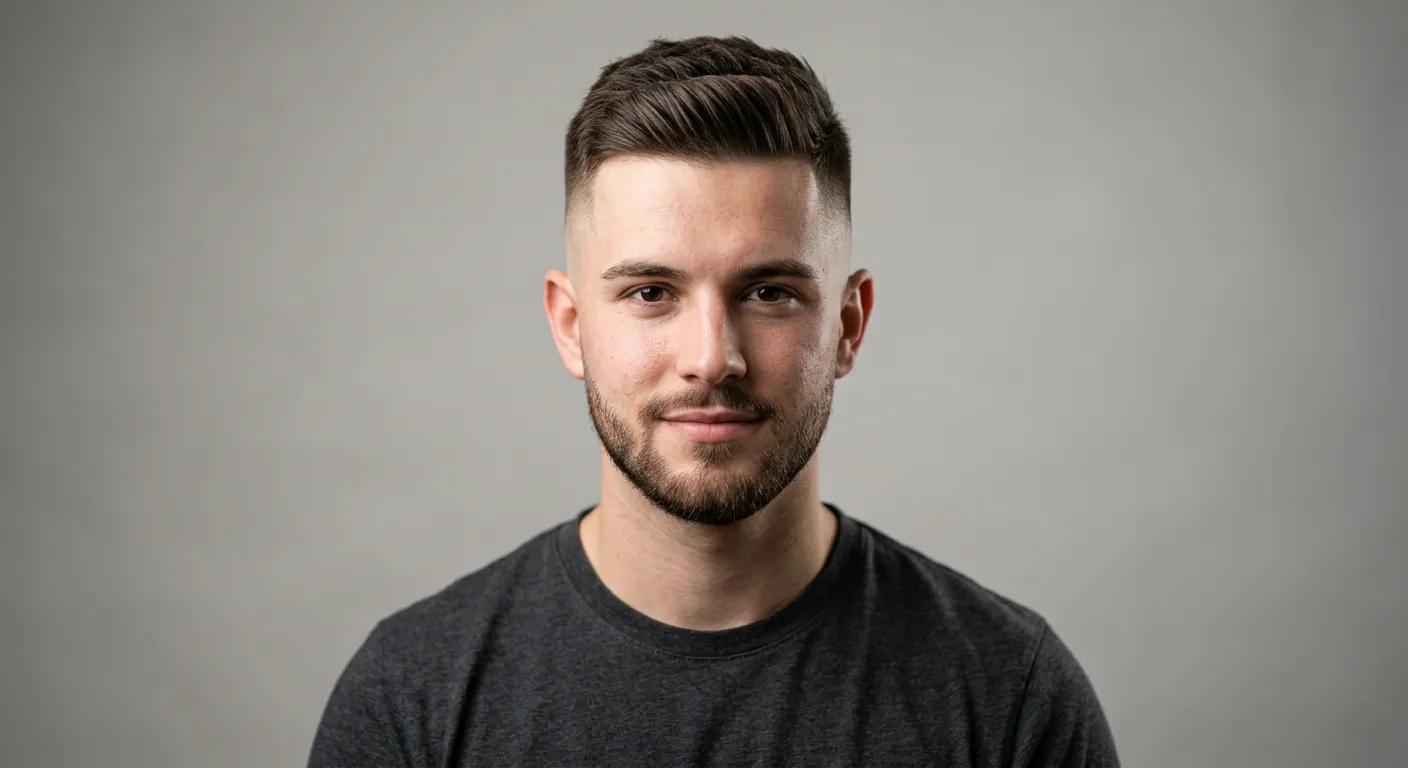
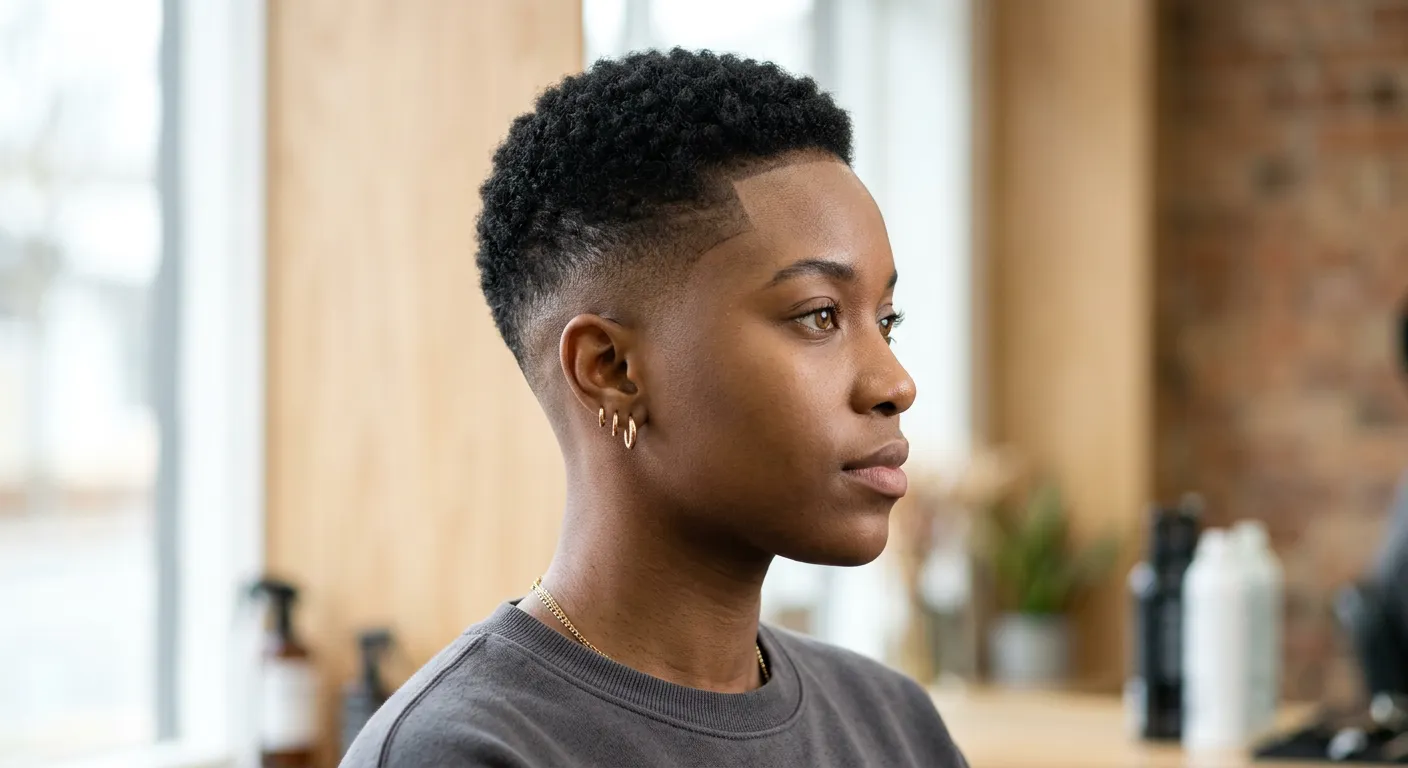
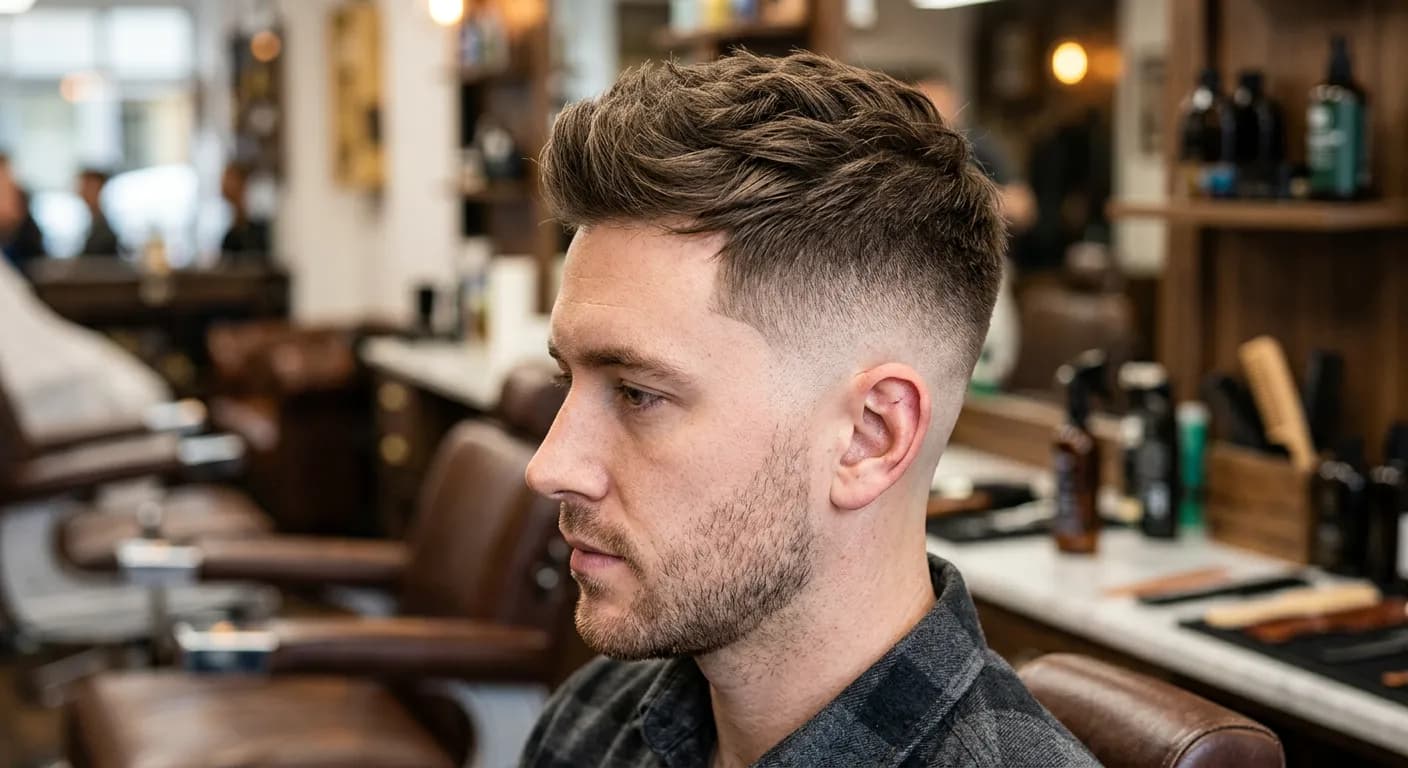
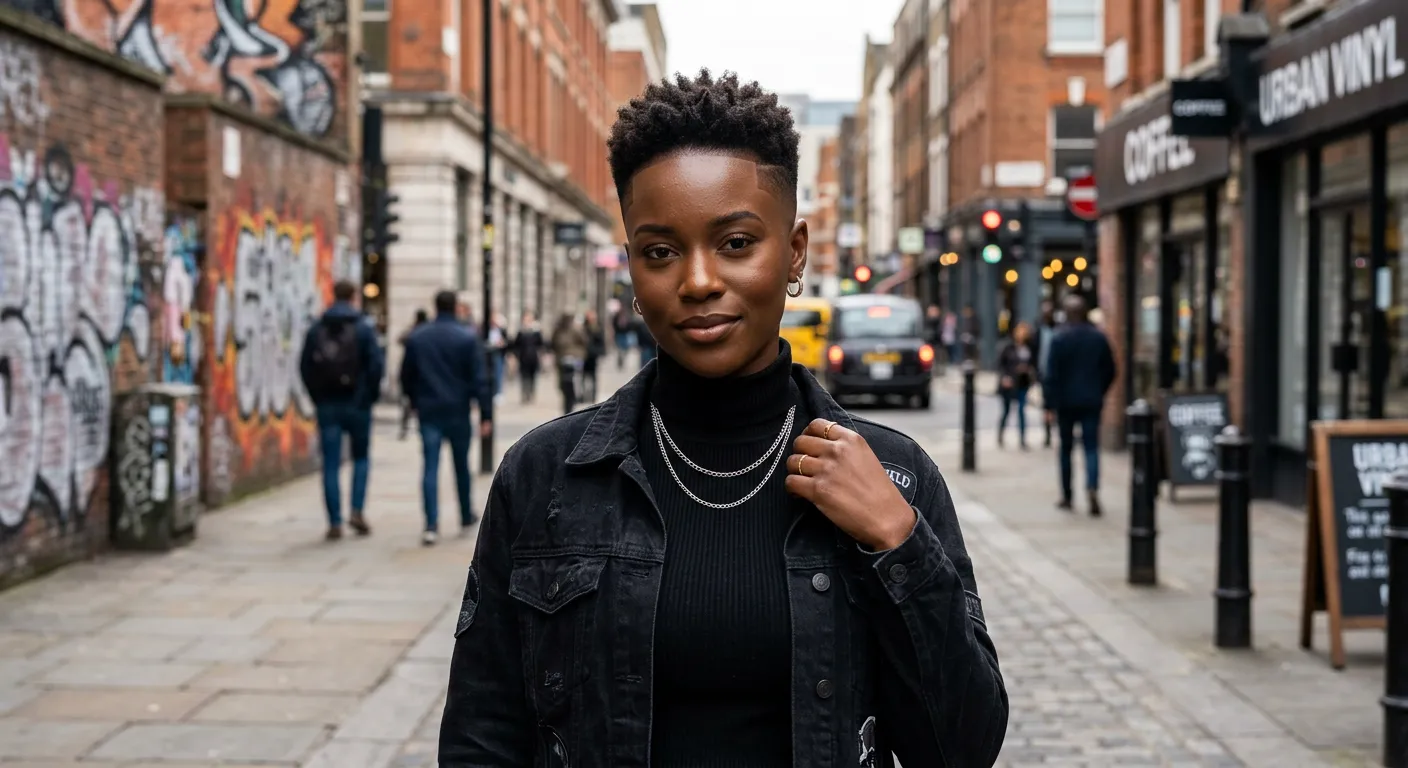
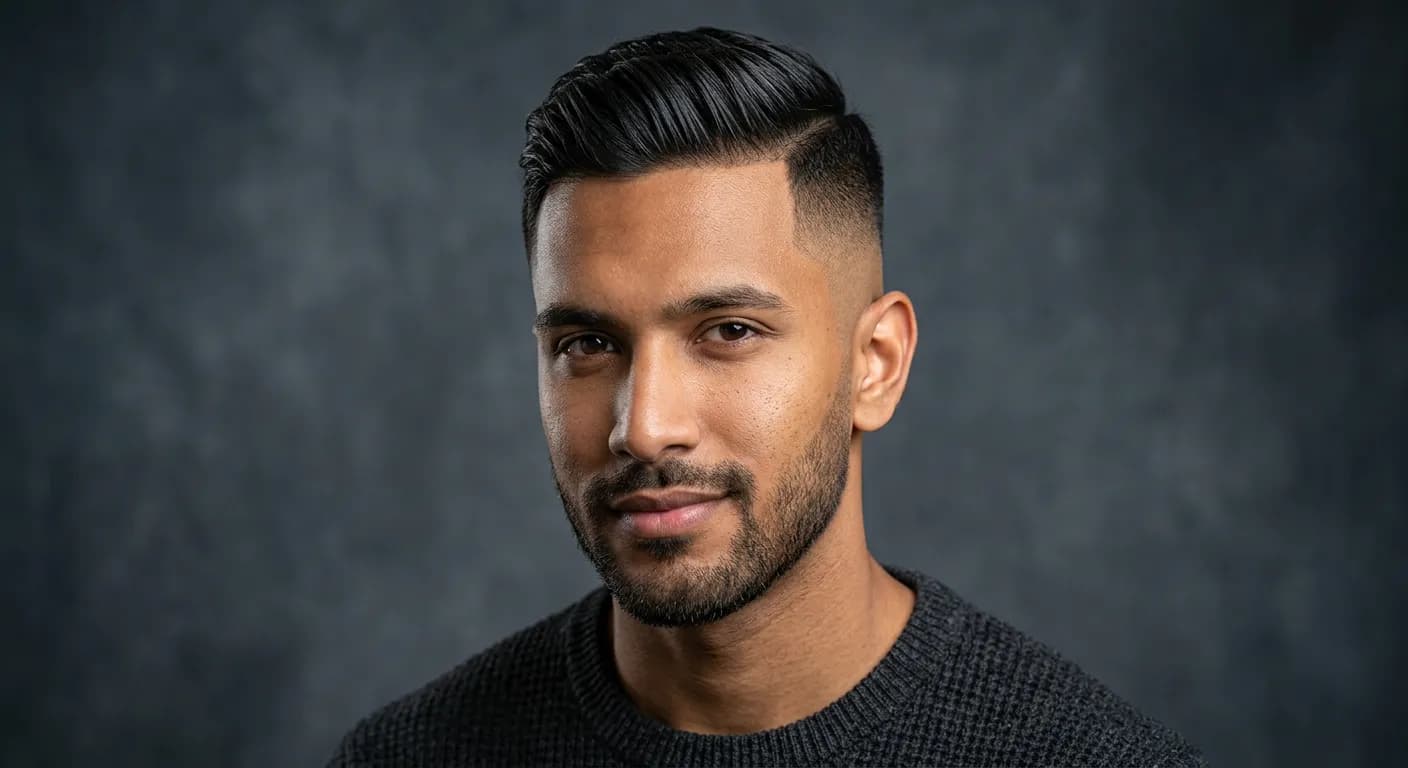
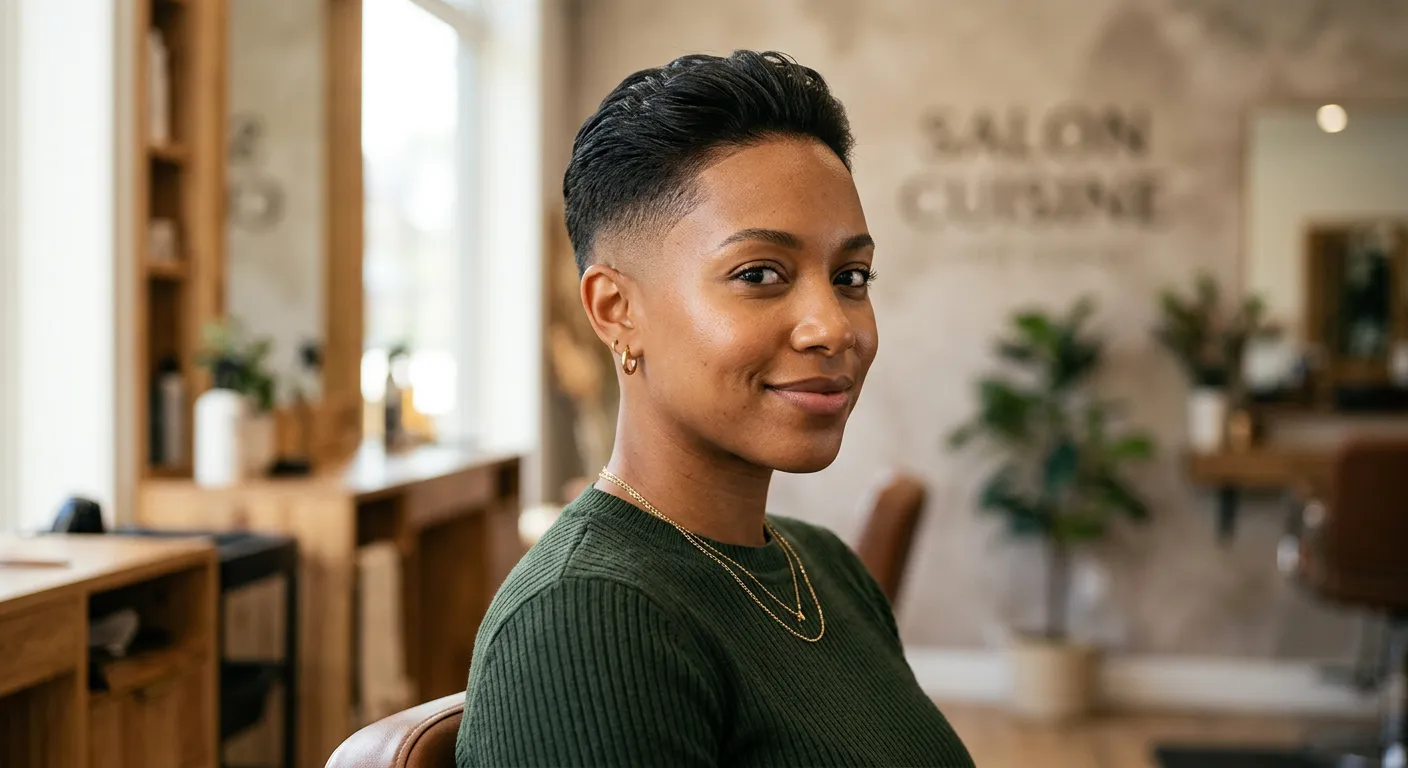
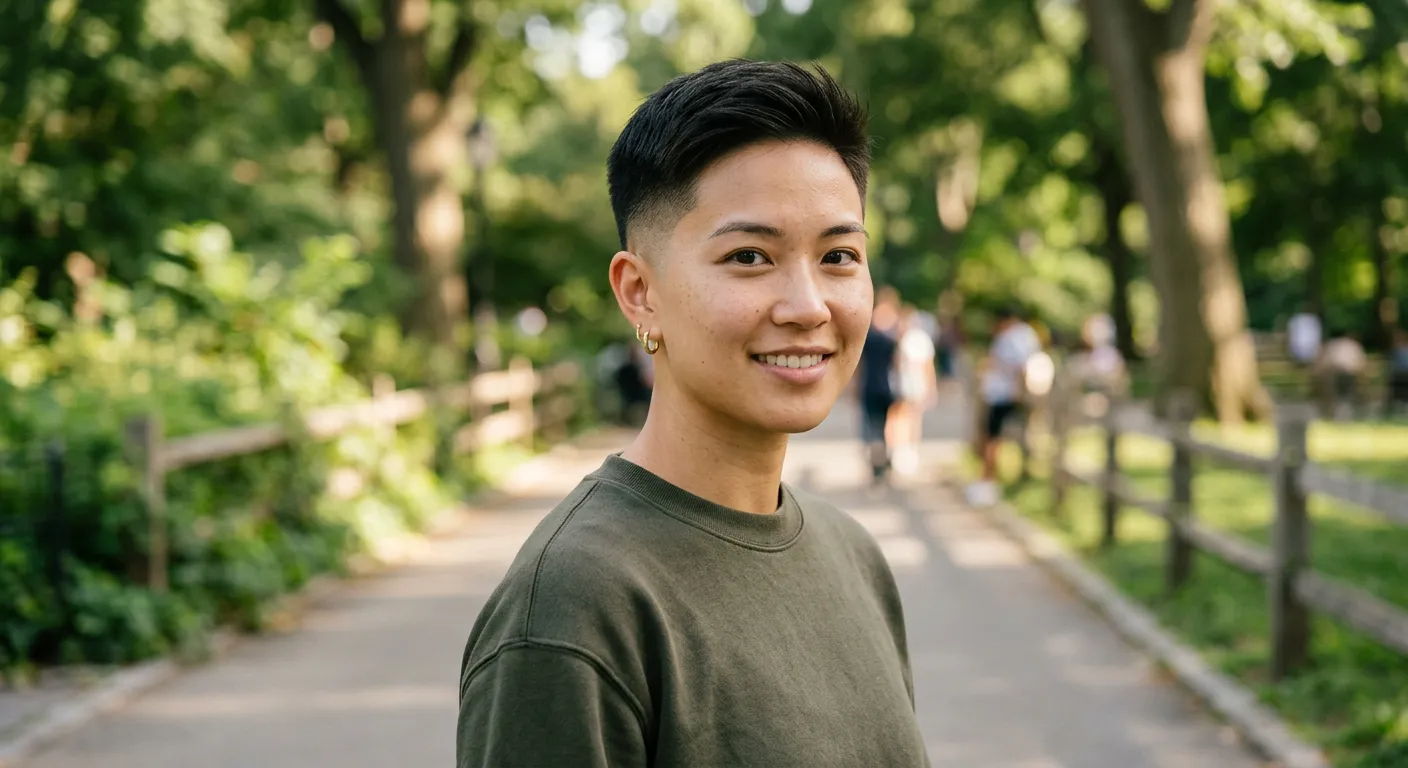
The bald fade is simply another name for the skin fade, and it's the most popular variant. This version takes the sides and back completely down to the skin, usually starting around or just above the ear line. The bald fade pairs especially well with textured crops, pompadours, and quiffs on top because the bare skin creates maximum contrast with the styled length above. If you want the cleanest possible look with zero visible stubble at the lowest point, ask for a bald fade and specify that you want it taken down to skin with a foil shaver for a truly smooth finish.

Choosing Your Fade Height
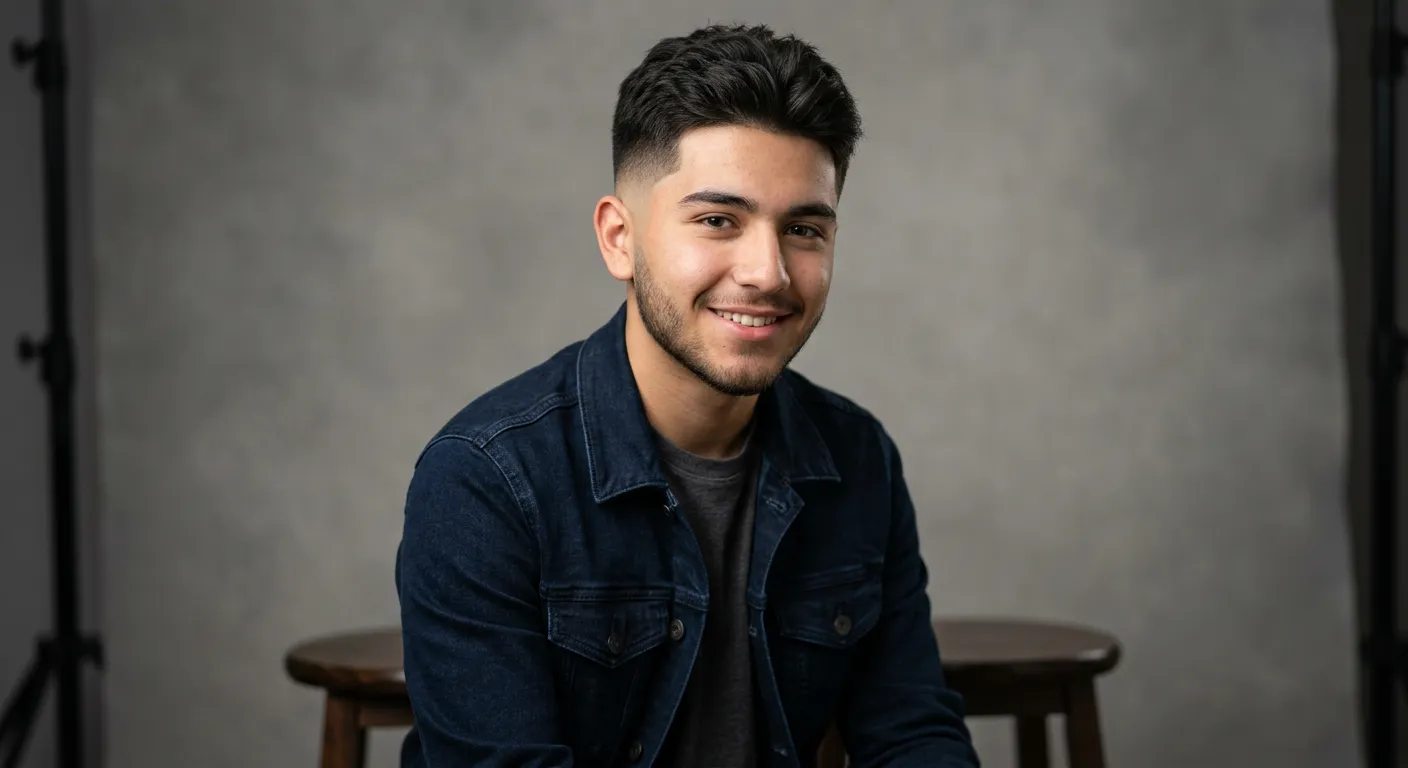
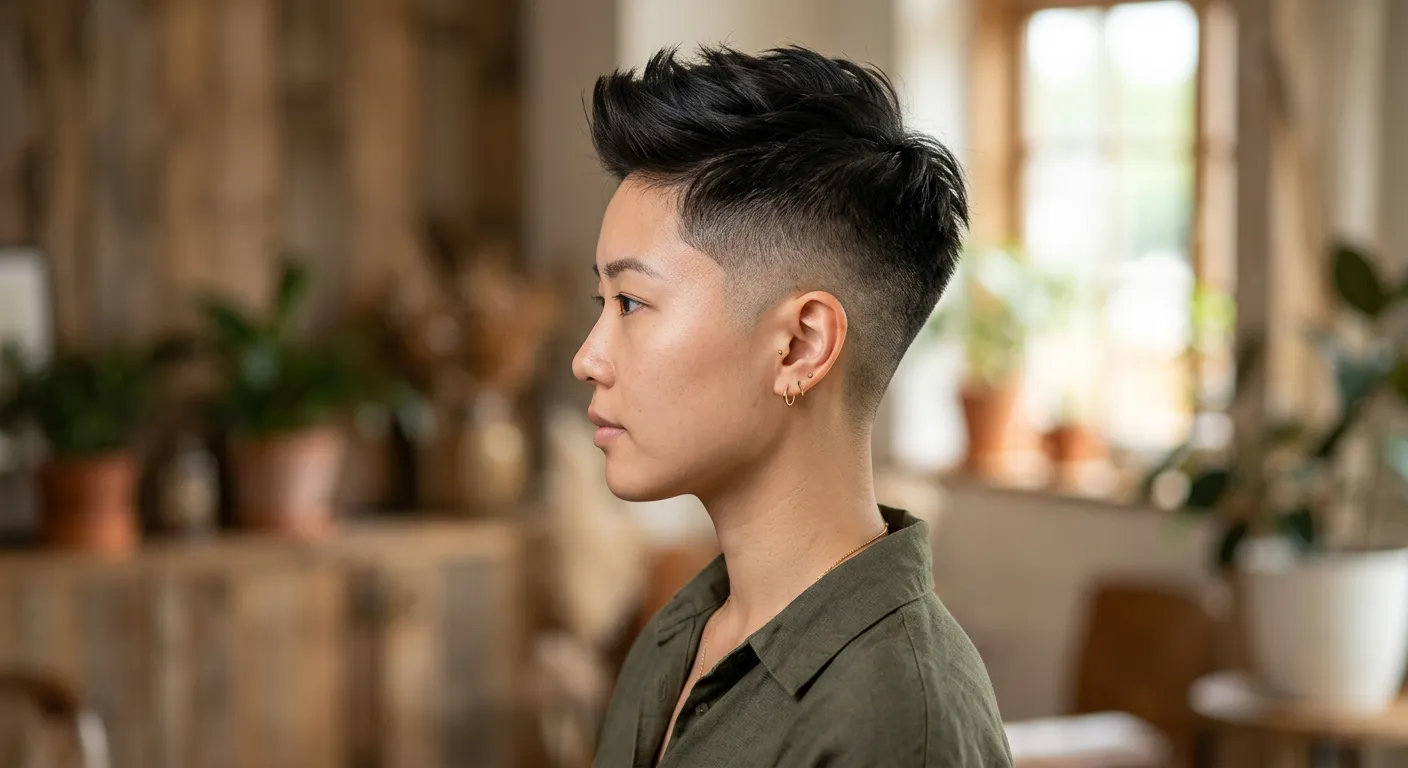
Where the fade starts on your head changes the entire feel of the haircut. A low skin fade begins just above the ear and neckline, keeping most of the sides intact. It's more conservative and works well in professional settings. A mid skin fade starts around the temple area and offers the most balanced look for most head shapes. A high skin fade takes the bare skin well above the temples, sometimes nearly to the crown, creating a dramatic contrast that shows off detailed work on top. Your face shape matters here: rounder faces benefit from a high fade that adds visual height, while longer faces usually look better with a low or mid fade.
What to Tell Your Barber
Be specific about three things: fade height, top length, and transition style. Say "skin fade" or "bald fade" so there's no confusion about going down to skin. Then specify low, mid, or high. For the top, describe the style you want: textured crop, slick back, messy fringe, or whatever you prefer. Finally, ask for a "tight blend" if you want a quick, sharp transition, or a "stretched blend" for a more gradual one. Bring a reference photo if possible. It eliminates guesswork and gives your barber a clear target. Don't be afraid to speak up during the cut if something doesn't look right.

Styling Options for the Top
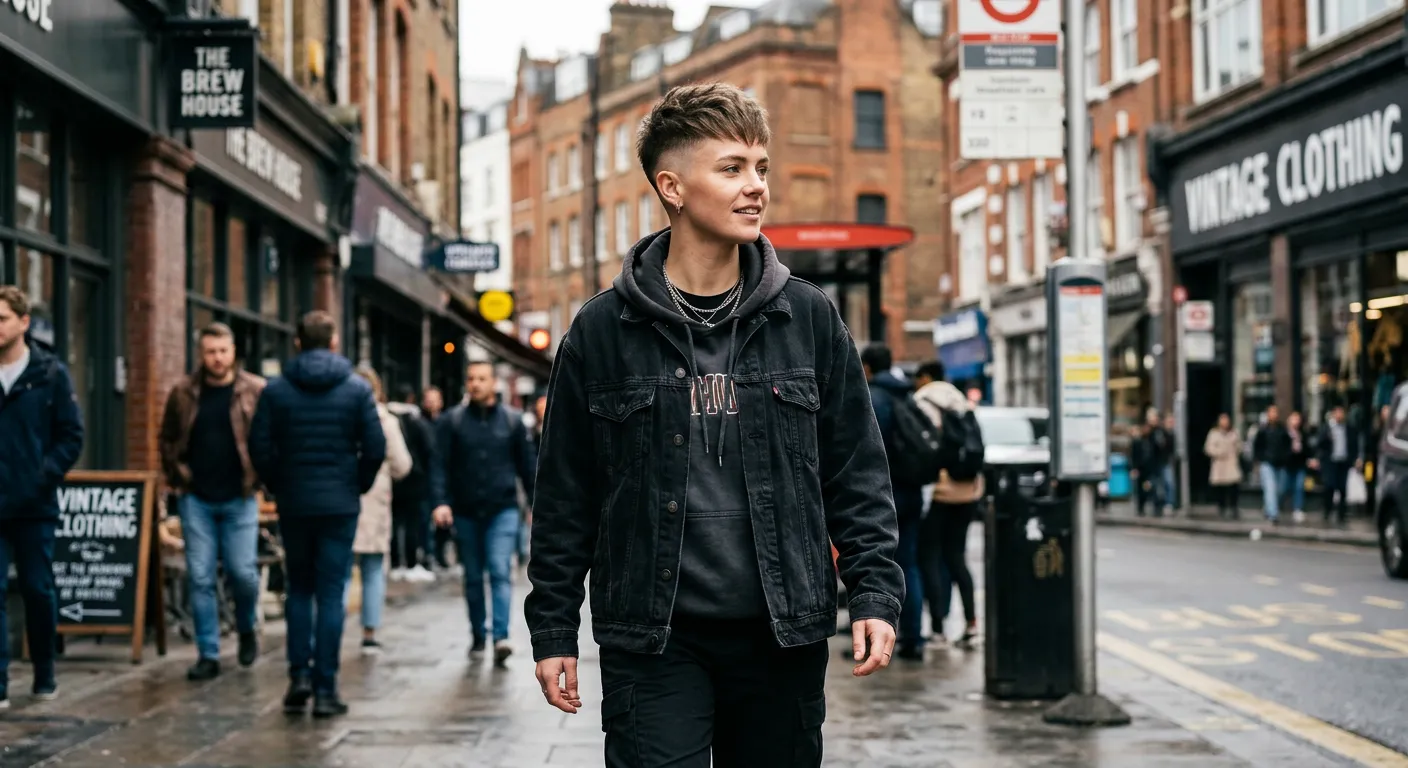
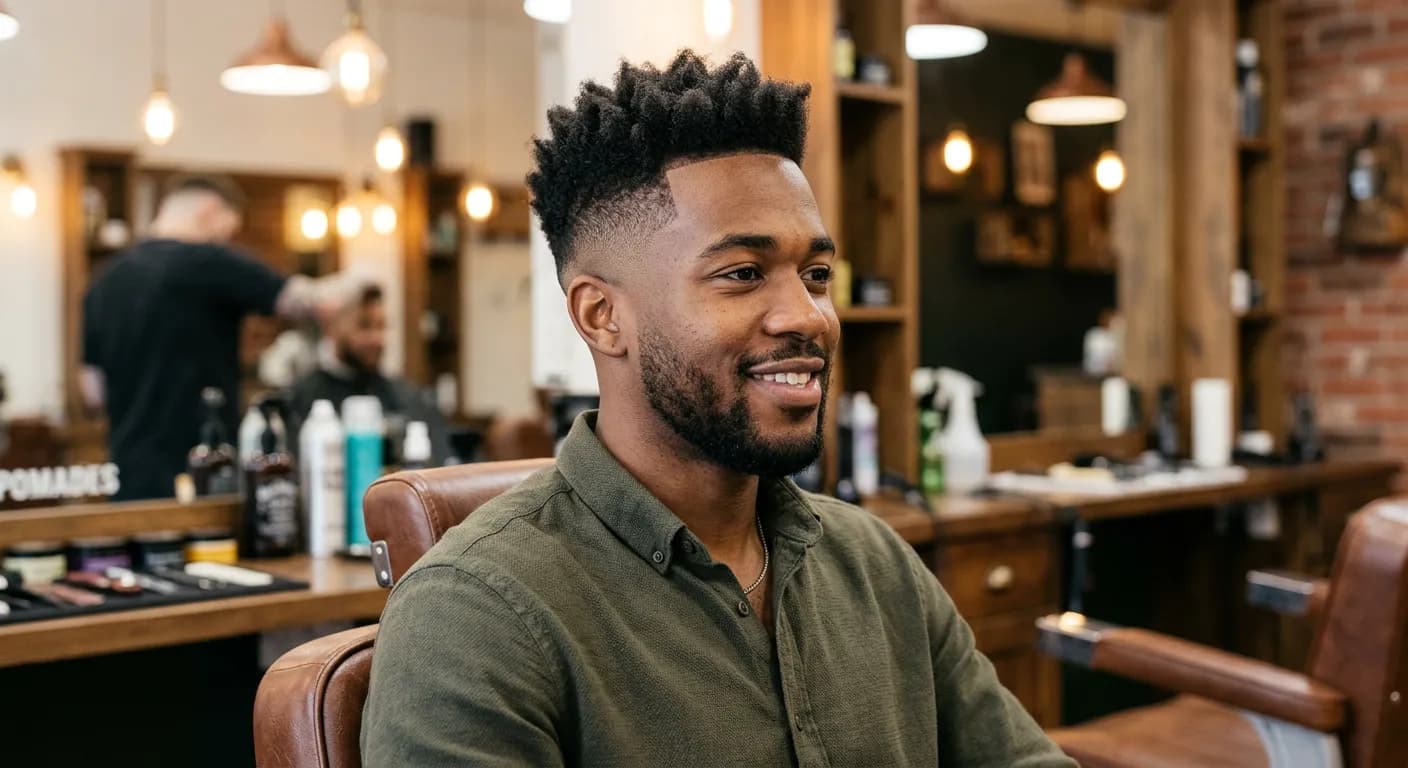
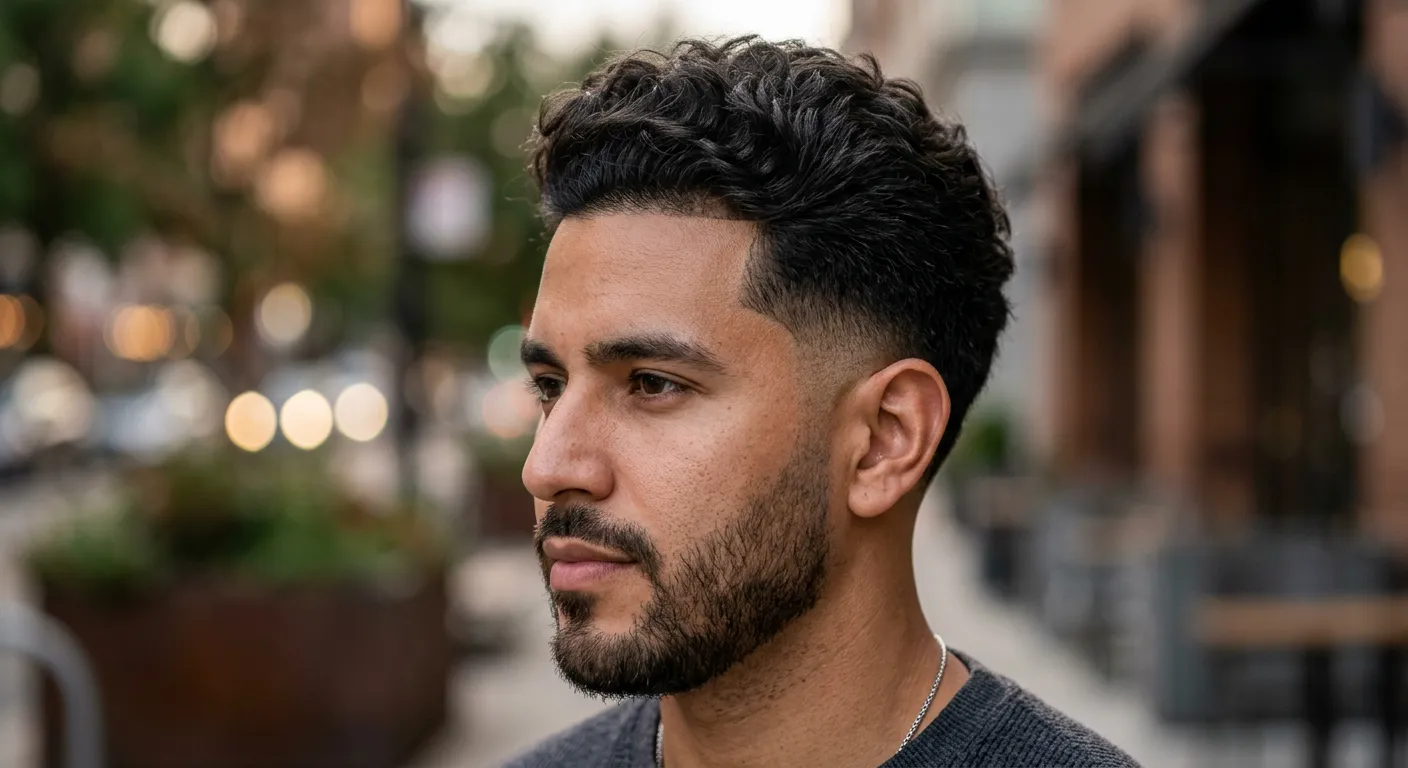
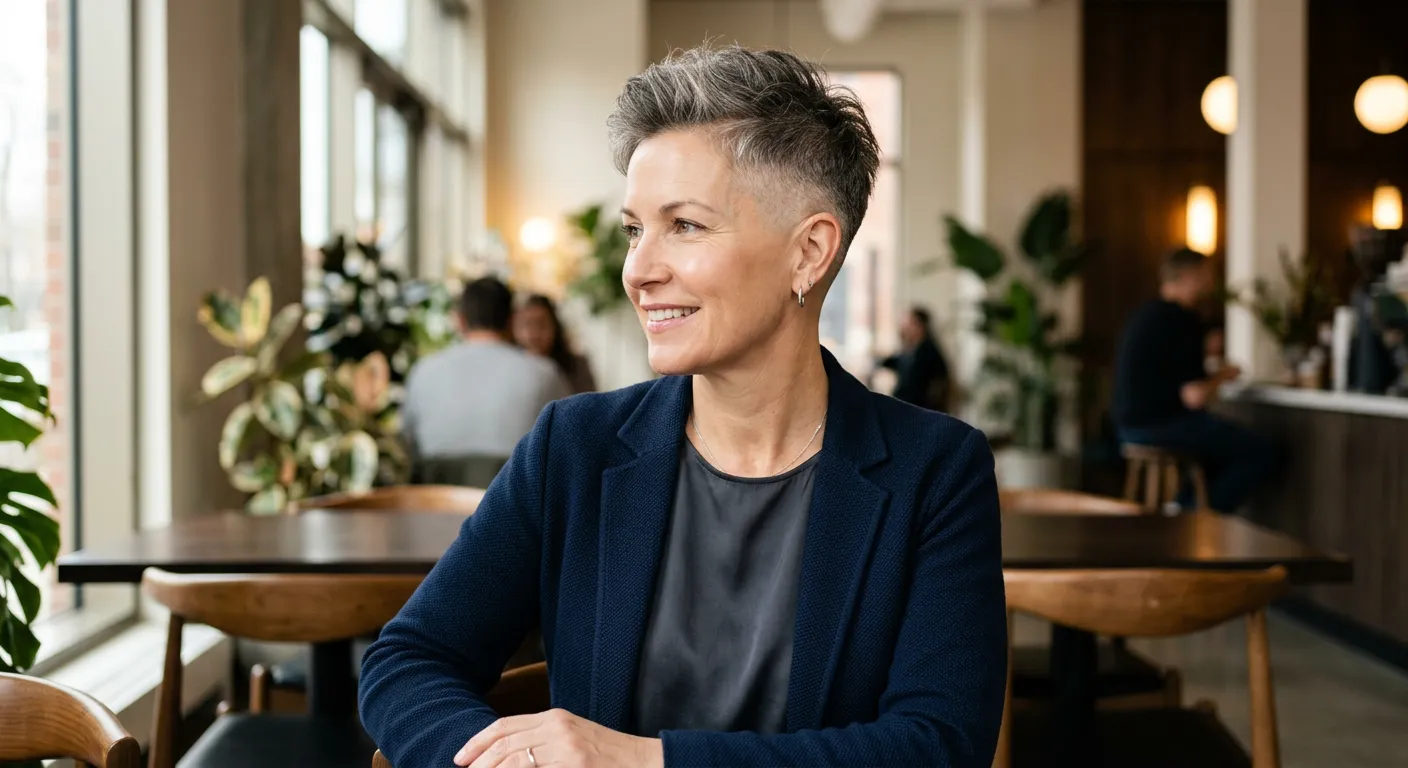
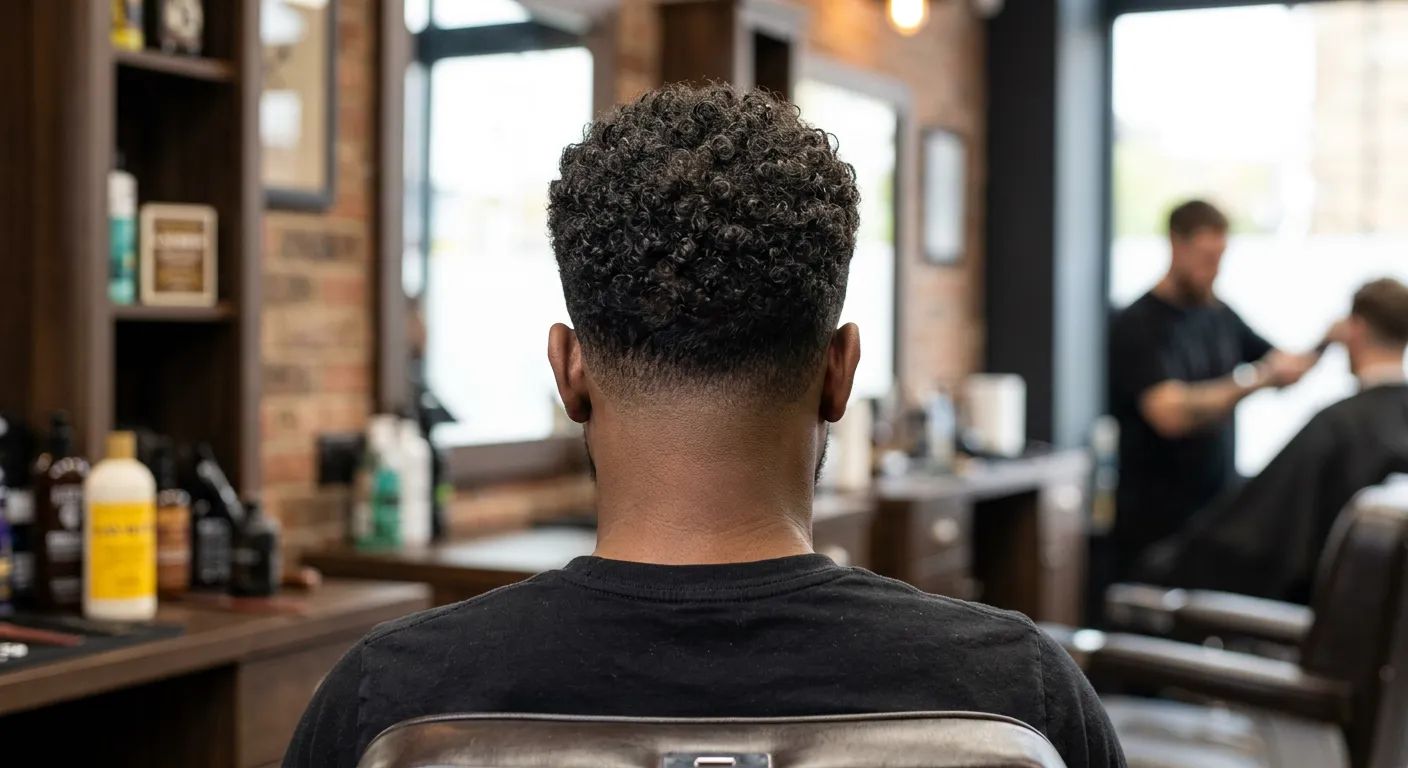
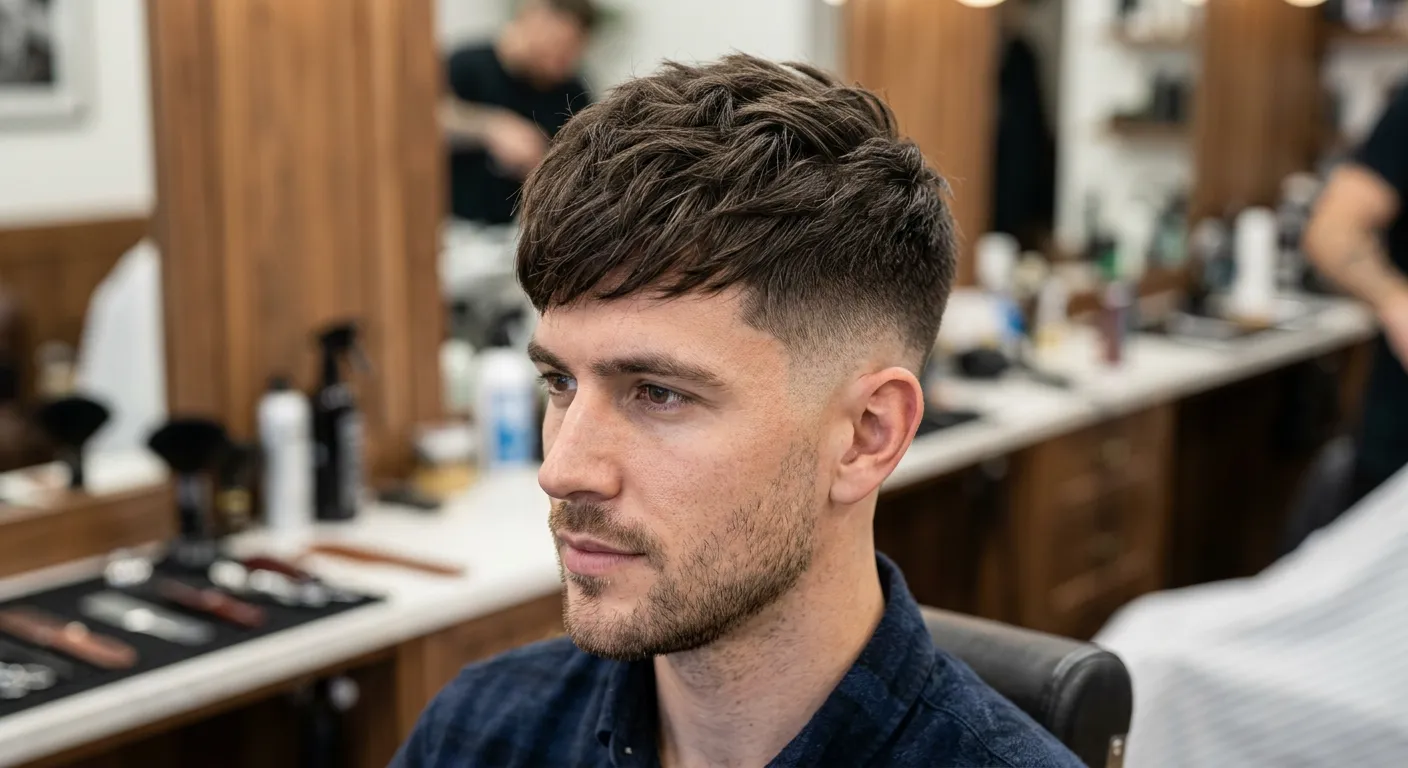
The skin fade is a foundation, not a complete style. What you do on top defines your look. A textured crop with a skin fade is the most popular combination right now: low maintenance, modern, and suits almost everyone. A slicked-back top with a mid skin fade creates a sharp, dressed-up look for nights out. Curly or wavy hair with a high skin fade gives an urban, trend-forward vibe. Even a simple buzz on top with a skin fade looks intentional and clean. The contrast of bare skin against any length on top is what makes this cut so versatile.
Maintenance and Upkeep
Here's the reality: skin fades grow out fast. That clean, sharp gradient starts looking fuzzy within a week, and by two weeks it's noticeably grown in. Most guys book their barber every two to three weeks to keep it looking right. If you want to stretch the time between visits, a low skin fade grows out more gracefully than a high one. Between appointments, keep the neckline tidy with a trimmer at home, but leave the actual fade to your barber. Moisturize the faded area daily, especially in winter, since exposed scalp can get dry and flaky.