The Modern Mullet: Business Meets Party, Reimagined
The modern mullet is nothing like the 80s original. Learn how to get, style, and maintain this edgy-but-wearable cut that's dominating barbershops right now.
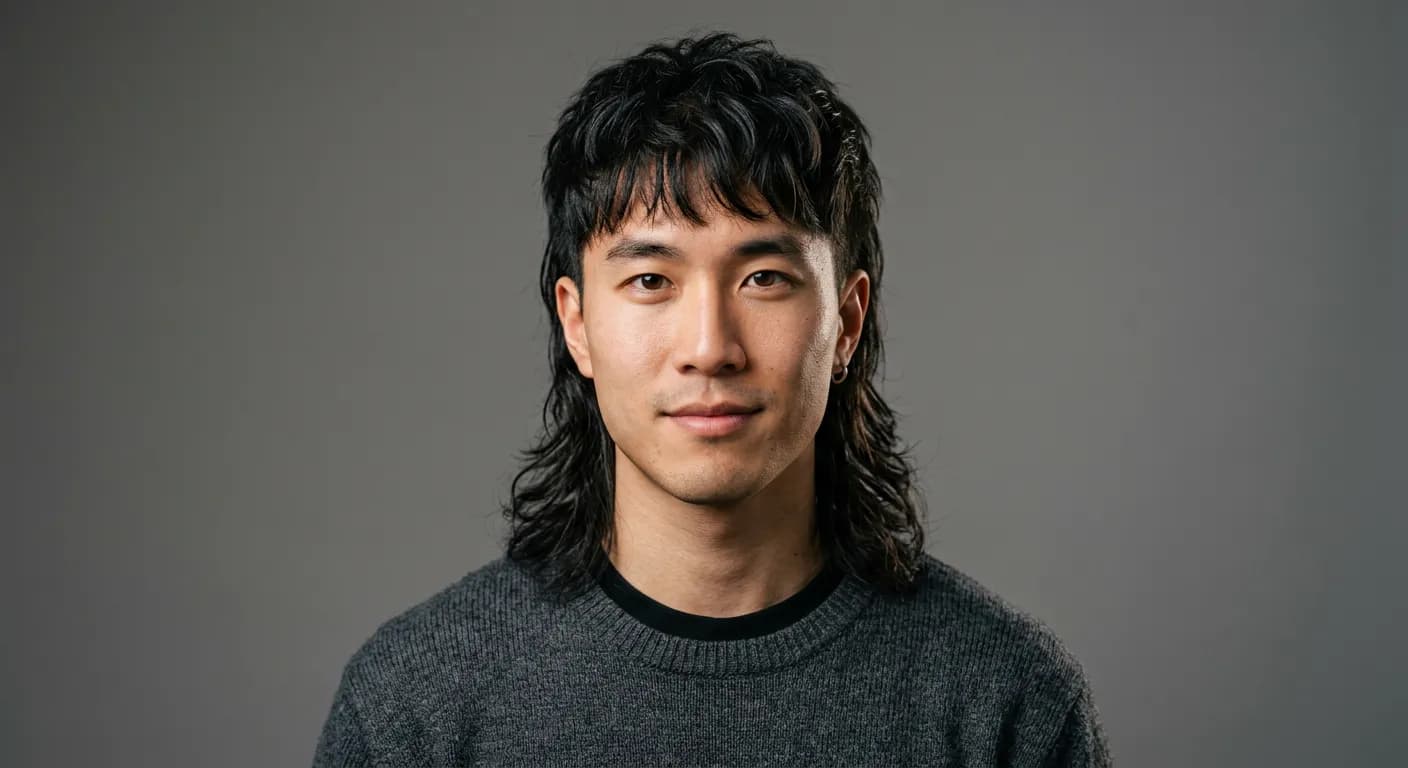
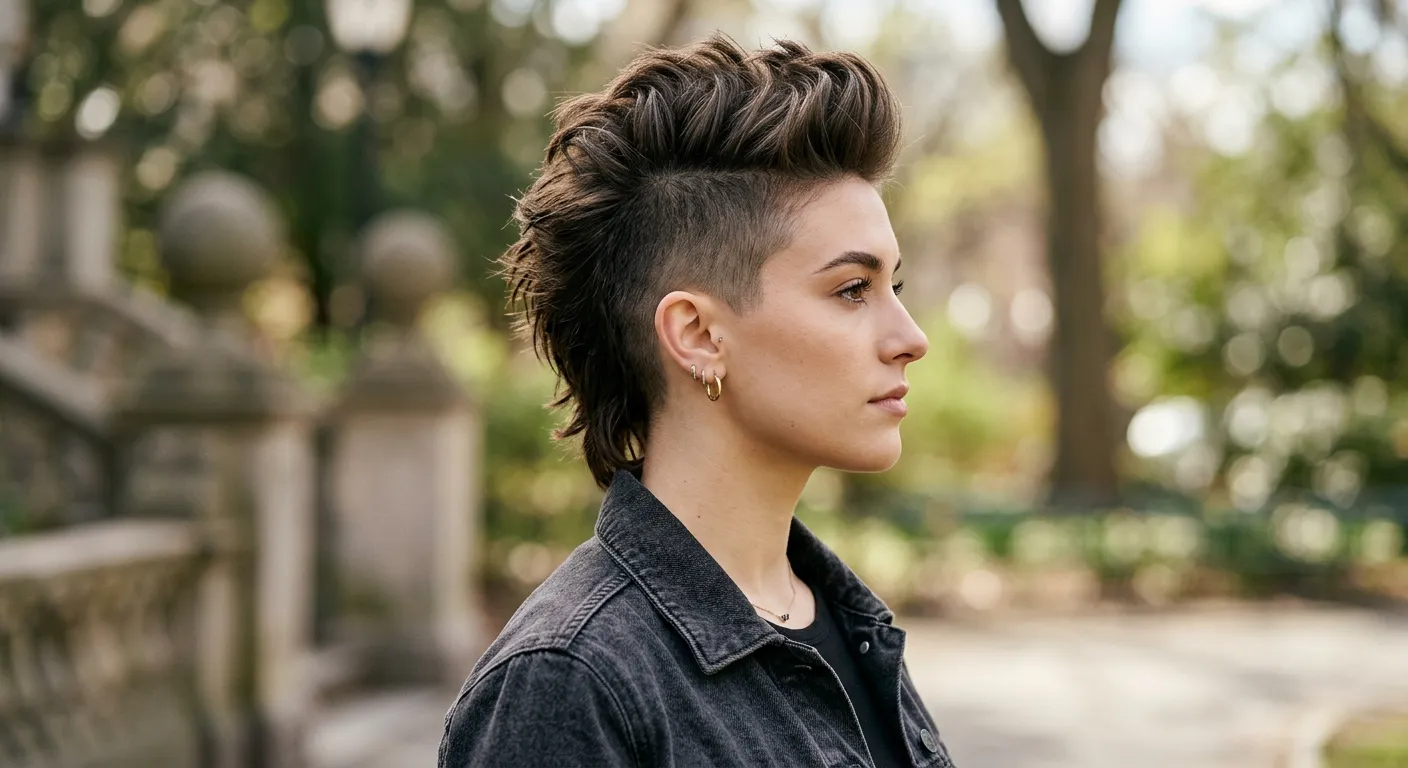
Forget everything you think you know about the mullet. The modern mullet has shed its 1980s reputation and emerged as one of the most requested cuts in barbershops and salons worldwide. It keeps the rebellious spirit of the original -- short in front, long in back -- but adds textured layers, softer transitions, and enough contemporary polish to make it genuinely wearable in everyday life. This is the mullet that fashion editors actually endorse.
What Makes the Modern Mullet Different?
The classic mullet had a harsh, almost jarring disconnect between the cropped front and the flowing back. The modern version smooths that out entirely. Textured layers throughout the top and crown create a gradual transition into the longer back section, so there's no awkward "shelf" where short meets long. The sides are often tapered or lightly faded rather than chopped bluntly. And the back itself is more controlled -- think collar-length with choppy layers rather than a party-in-the-back waterfall. The result is a cut that reads as intentionally cool rather than accidentally outdated.
Who Suits the Modern Mullet?
This cut works across more face shapes than people expect. Oval and heart-shaped faces are natural fits because the volume on top and length in back create a balanced silhouette. Square-jawed faces benefit from the textured layers softening angular features. Round faces should ask for extra height on top and keep the sides tight to add visual length. Hair texture matters too: wavy and curly hair look incredible in a modern mullet because the natural movement enhances those layered transitions. Straight hair works fine but may need some texturizing product to avoid looking flat. The one honest requirement? Confidence. This is still a statement cut.
How to Ask Your Stylist for a Modern Mullet
The word "mullet" alone can make some stylists nervous, so bring photos of specifically modern versions to set the right expectation. Ask for "textured layers on top, tapered sides, and length through the back reaching the collar." Specify that you want a gradual transition, not a dramatic drop-off. Discuss the sides: a slight taper keeps it wearable for work, while a skin fade pushes it more toward punk territory. If this is your first mullet, start conservative -- you can always go shorter on top or longer in back at your next appointment once you see how it sits.
Styling Tips That Actually Work
The modern mullet thrives on texture, so your product game matters. On damp hair, work in a sea salt spray or texturizing cream, then either air dry or use a diffuser to boost natural movement. Scrunch the back section to encourage wave and body. For the top, a matte clay or paste gives you piecey separation without stiffness. The goal is "effortlessly tousled" -- if it looks too polished, you've overworked it. On second-day hair, a blast of dry shampoo at the roots adds volume and grip. Skip the comb entirely; style everything with your fingers.
Maintenance and Grow-Out
The modern mullet needs a trim every six to eight weeks, primarily to maintain the layered shape on top and prevent the back from getting too heavy. Between cuts, the style actually improves slightly as it grows -- the layers gain more movement and the transitions soften. This makes it one of the more forgiving cuts to maintain compared to precise styles like fades or undercuts. If you decide to grow it out entirely, the mullet transitions naturally into a shag or longer layered style, so you're never stuck at an awkward in-between stage.
Modern Mullet Variations to Consider
The "shullet" blends shag layers throughout with a mullet's longer back -- great for anyone wanting maximum texture. The "mullet fade" pairs a skin fade on the sides with the classic front-to-back length contrast for a cleaner, more urban look. A "curly mullet" leans into natural curls for a retro-surfer aesthetic that looks effortless. And the "wolf cut mullet" adds heavy, choppy layers around the face for a more androgynous, fashion-forward vibe. Each variation shifts the mood from laid-back to edgy, so consider your lifestyle and wardrobe when choosing.
Celebrities Rocking the Modern Mullet
The modern mullet's credibility got a massive boost from high-profile wearers. Timothee Chalamet wore a soft, textured version on multiple red carpets. Miley Cyrus helped break the mullet back into mainstream conversation with her platinum blonde take. K-pop idols have embraced it with sharp, styled precision. And in the sports world, Australian footballers and European soccer players have made the mullet practically a team uniform. What all these versions share is intentionality -- each one is clearly designed and maintained, not just "hair that grew out funny."