Skullet Haircut: Everything You Need to Know
The skullet haircut pairs a shaved top with long hair in the back. Learn who it suits, how to pull it off with confidence, and what to tell your barber.
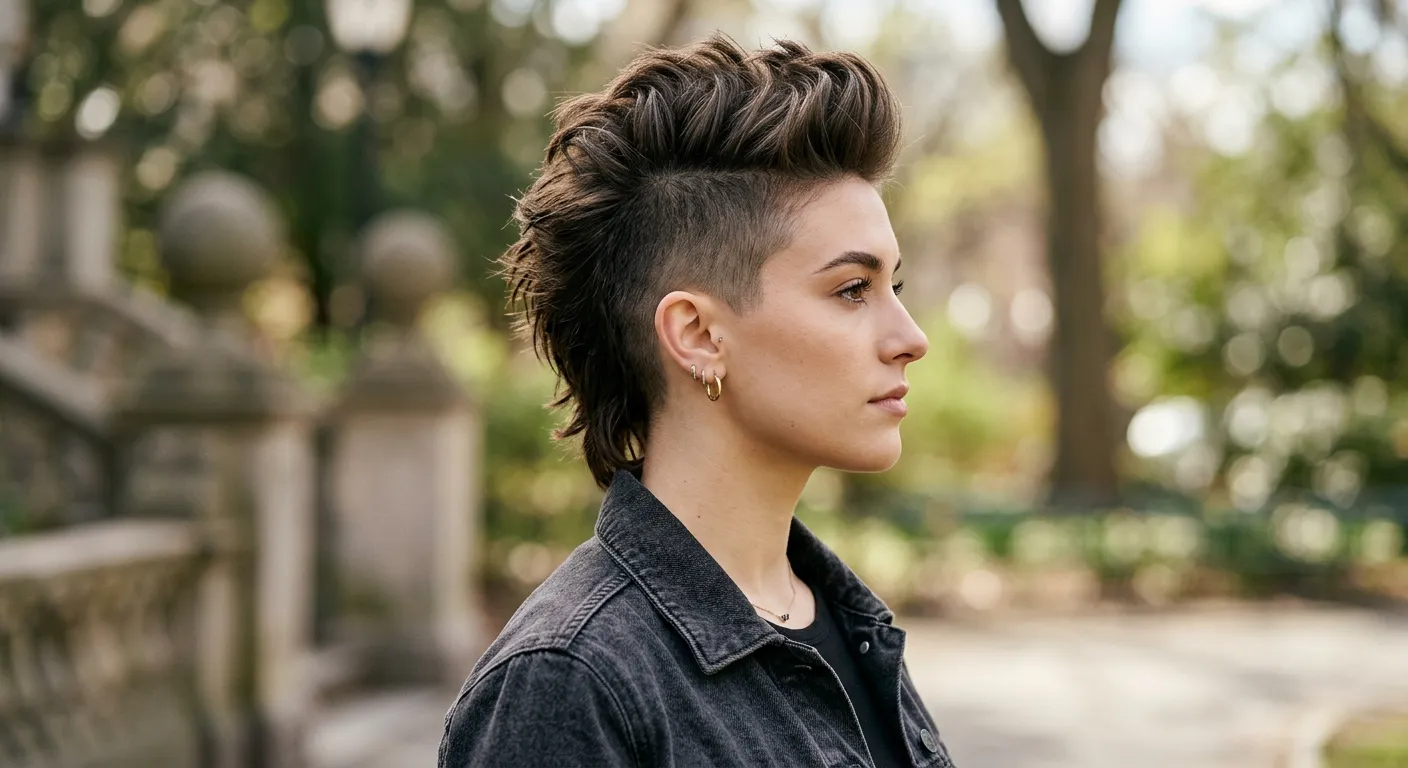
The skullet is what happens when you take a mullet and crank the volume dial past ten. A shaved or nearly bald crown paired with long, flowing hair in the back creates one of the most polarizing silhouettes in men's grooming — and that is exactly the point. If you are considering a skullet, you are not looking for approval. You are looking for a style guide.
What Is a Skullet Haircut
A skullet combines a shaved or closely buzzed top and sides with hair left noticeably long at the back of the head. The contrast is extreme and intentional. Unlike a standard mullet, which keeps some length on top, the skullet strips the top section down to the scalp or a very short buzz, usually a zero guard or bare blade. The back section can be anywhere from shoulder-length to well past the collarbones. Some guys also leave sideburns or a strip of hair along the temples to soften the transition, while others prefer the hardest possible line between shaved and long. The style gained mainstream attention through musicians like Devin Townsend and wrestlers who used it as a visual signature.
Who Does the Skullet Suit
Let's be honest — the skullet is not a safe choice, and it is not meant to be. It tends to look best on people with strong facial features: a defined jawline, prominent cheekbones, or a well-shaped skull (since the top is fully exposed). Guys with rounder heads and softer features can still pull it off, but the look shifts from "rock star" to something more playful and cartoonish, which may or may not be the vibe you are going for. Face shape aside, attitude matters more than bone structure here. The skullet works when the person wearing it owns it completely. If you are second-guessing whether you can carry it, you probably should start with a shorter mullet and work your way up.
Variations and Ideas
The classic skullet is shaved on top with untouched long hair in the back, but there are ways to put your own spin on it. A faded skullet blends the shaved section gradually into the longer back hair, softening the transition and making it slightly more wearable day to day. A braided skullet takes the long back section and works it into one or more braids — great for keeping hair manageable and adding a Viking or warrior aesthetic. Some guys go for a colored skullet, bleaching or dyeing the long section while the shaved top stays natural. You can also play with the dividing line: a high skullet shaves everything above the ears, while a low skullet keeps the shaved zone limited to the very top of the head.
How to Ask Your Barber
Walk in with photos. The skullet is uncommon enough that describing it verbally can lead to confusion or, worse, a barber who thinks you are joking. Show them exactly where you want the shaved zone to end and how long you want the back left. Specify the guard length for the shaved section — a zero guard leaves a shadow of stubble, while a bare-blade shave gives you a smooth dome. Ask about the transition line: do you want a hard, visible edge or a slight fade blending into the long hair? If you are growing the back out from scratch, your barber can help you plan the awkward phase and schedule intermediate trims that keep things intentional rather than unkempt.
Styling and Maintenance
Maintenance is a two-part job. The shaved section needs regular upkeep — every one to two weeks with clippers or a razor to stay clean. Stubble on the dome grows in fast and can look patchy if you let it go too long. Moisturize the exposed scalp daily and wear sunscreen when you are outdoors; a bald crown burns quickly. The long back section is essentially like maintaining any long hairstyle: regular conditioning, detangling, and trimming split ends every six to eight weeks. Use a leave-in conditioner or hair oil to keep the length healthy and shiny. On styling days, you can wear the back section down, tie it into a low ponytail, or braid it. A sea salt spray adds texture if the hair is naturally flat.
Growing Out or Transitioning Away
If the skullet runs its course and you want to move on, the grow-out process takes patience. The shaved section needs months to catch up, and the in-between stages can be awkward. Your best bet is to gradually shorten the long back section during each visit while letting the top grow, eventually meeting in the middle at a uniform buzz or crew cut length. A good barber can blend the transition at every stage so you never look like you just gave up. Alternatively, lean into the awkward phase with hats, beanies, or headbands until the lengths even out enough to reshape into a new style.