


Low Taper Haircut: The Most Versatile Fade You Can Get
The low taper is the quiet achiever of men's haircuts. It gradually shortens the hair around the ears and neckline without making a big statement about itself, which is exactly why it works with almost everything. Whether you're rocking a textured crop, a slick back, or longer hair on top, a low taper cleans up the bottom edge and makes the whole cut look intentional and well-groomed.


What Is a Low Taper?
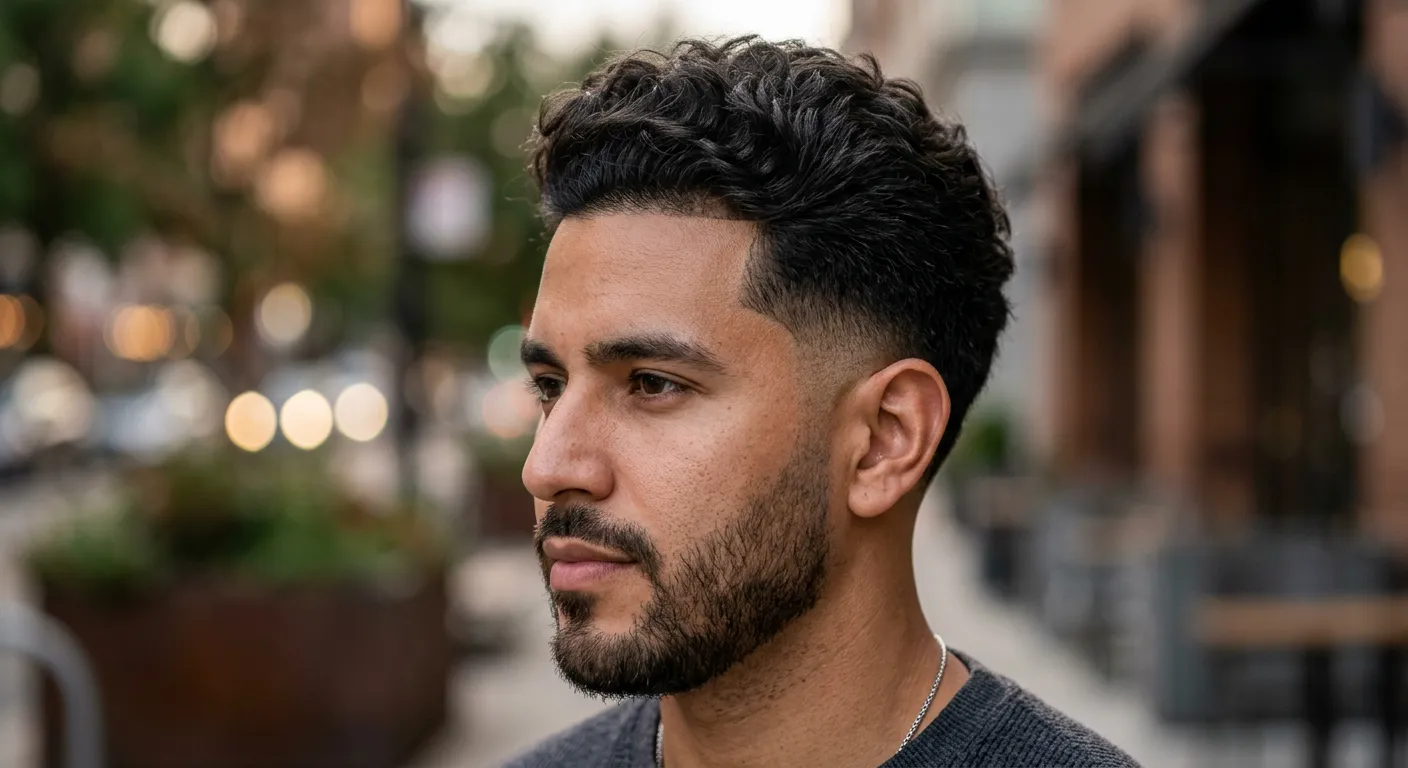
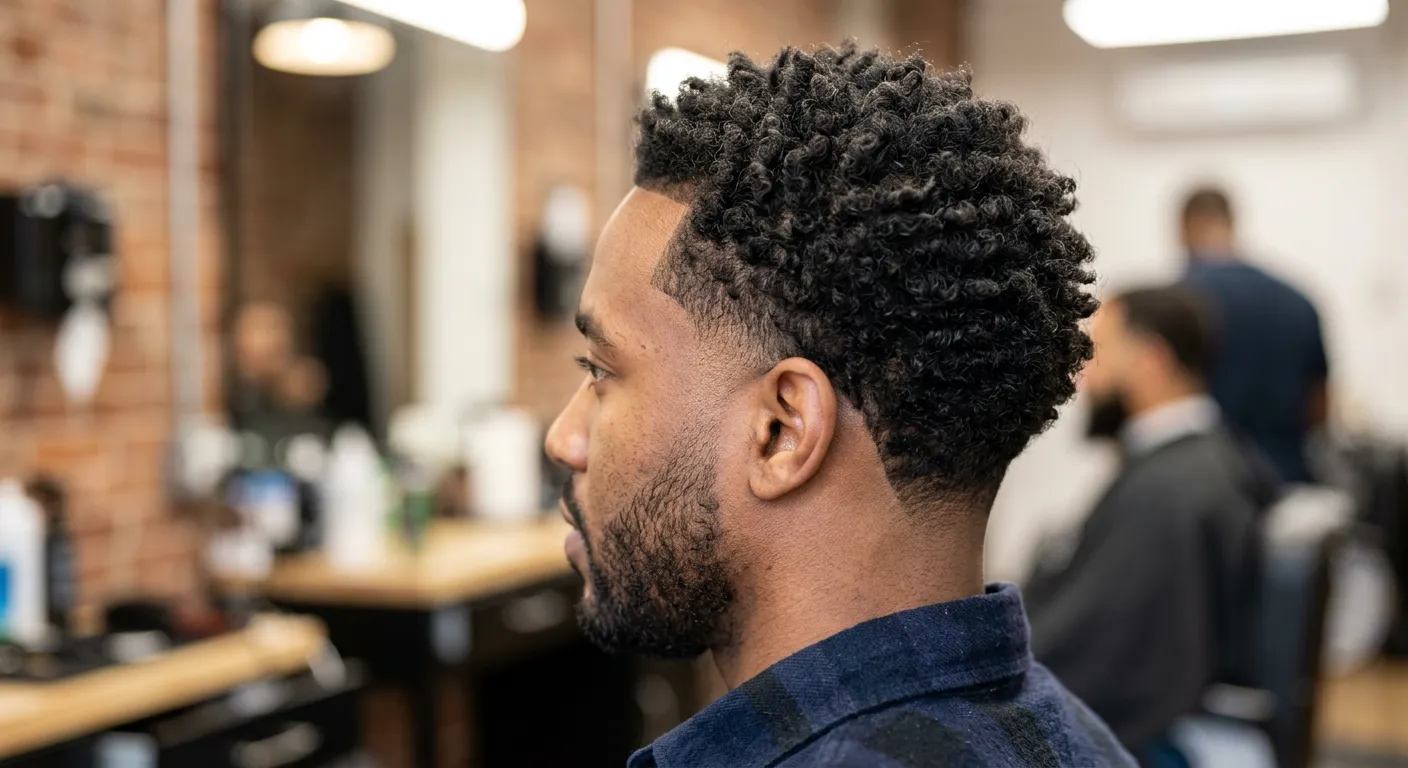
A low taper starts its gradual shortening just above the ears and around the neckline -- the lowest point where a taper can begin. The hair gets progressively shorter as it moves down, but unlike a fade, it doesn't necessarily blend all the way to the skin. You'll still see hair at the shortest point, which gives the cut a softer, less dramatic look than a skin fade. The transition is smooth and gradual, making it hard to see exactly where the taper begins and ends. That subtlety is the point: it adds polish without announcing itself.

Who Does the Low Taper Suit?
Pretty much everyone, and that's not an exaggeration. The low taper is the most universally flattering taper placement because it doesn't dramatically change your head's proportions the way a high or mid taper can. It works across all face shapes -- it won't make a round face look rounder or a long face look longer because it only affects the very bottom edge. Hair texture doesn't matter either: straight, wavy, curly, and coily hair all look clean with a low taper. It's also the most conservative taper option, so if you work in a traditional professional setting or just prefer a more understated look, the low taper is the safe-but-stylish choice.

Variations and Ideas
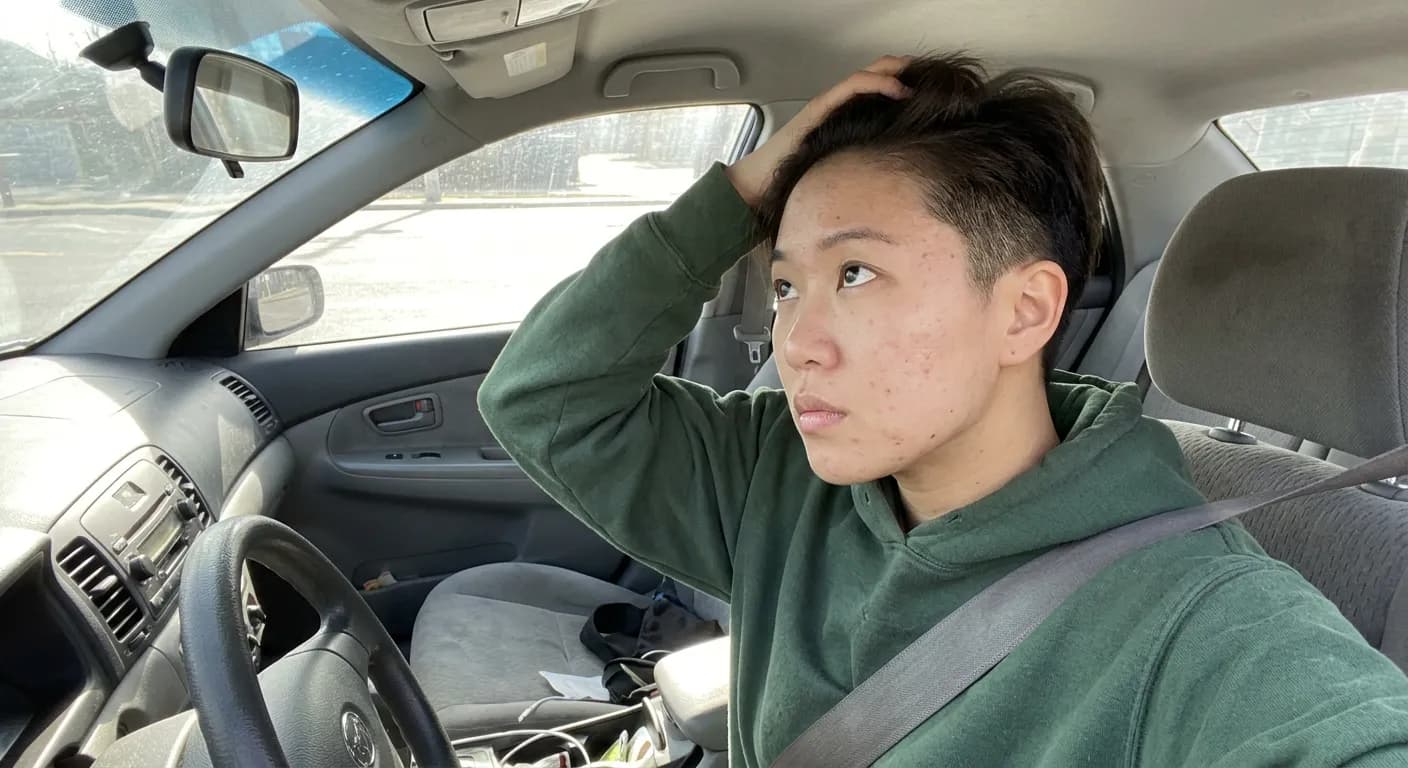
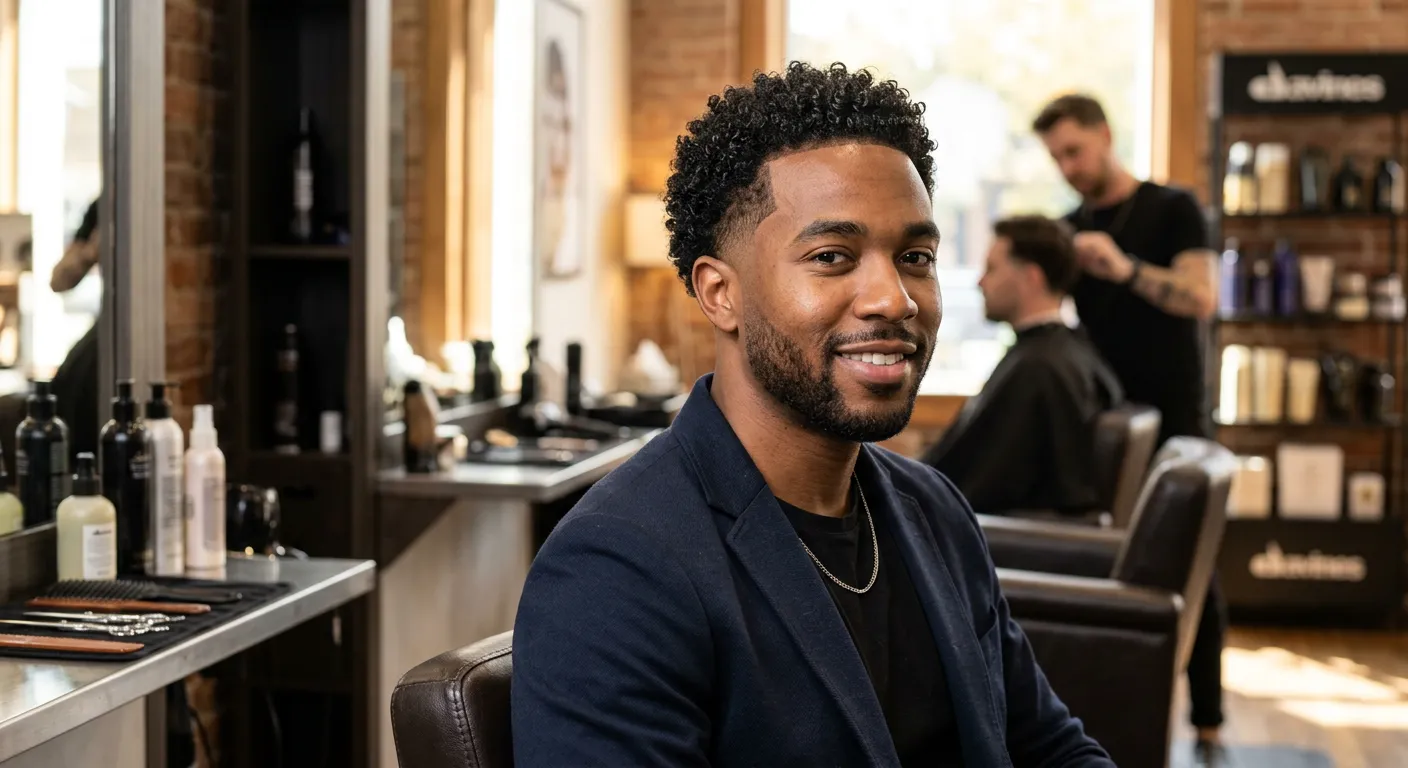
A low taper fade blends the hair down to skin at the very bottom while keeping the taper section small and close to the ears -- a bit more contrast than a standard low taper but still subtle. A low taper with a line-up adds sharp, defined edges along the forehead and temples, pairing clean structure with the taper's softness. You can combine a low taper with essentially any style on top: a French crop, a comb-over, a messy fringe, curtain bangs, or even longer, flow-style hair. The low taper just quietly frames whatever you've got going on up top. For a slightly bolder look, ask for a drop taper that curves down behind the ear rather than following a straight horizontal line.
How to Ask Your Barber
Tell your barber you want a low taper and specify whether you want it to blend to skin at the very bottom or leave a bit of length throughout. Say "taper, not fade" if you want to avoid any skin showing, or "low taper fade" if you want that slight skin blend at the neckline. Discuss how you wear the top of your hair so they can shape the taper to complement it -- a low taper under a textured crop is cut slightly differently than one under a slick-back. Ask about the neckline: a tapered neckline follows your natural hairline for a soft finish, while a blocked neckline creates a squared-off edge. Most barbers will default to a tapered neckline, but it's worth specifying if you have a preference.

Styling and Products
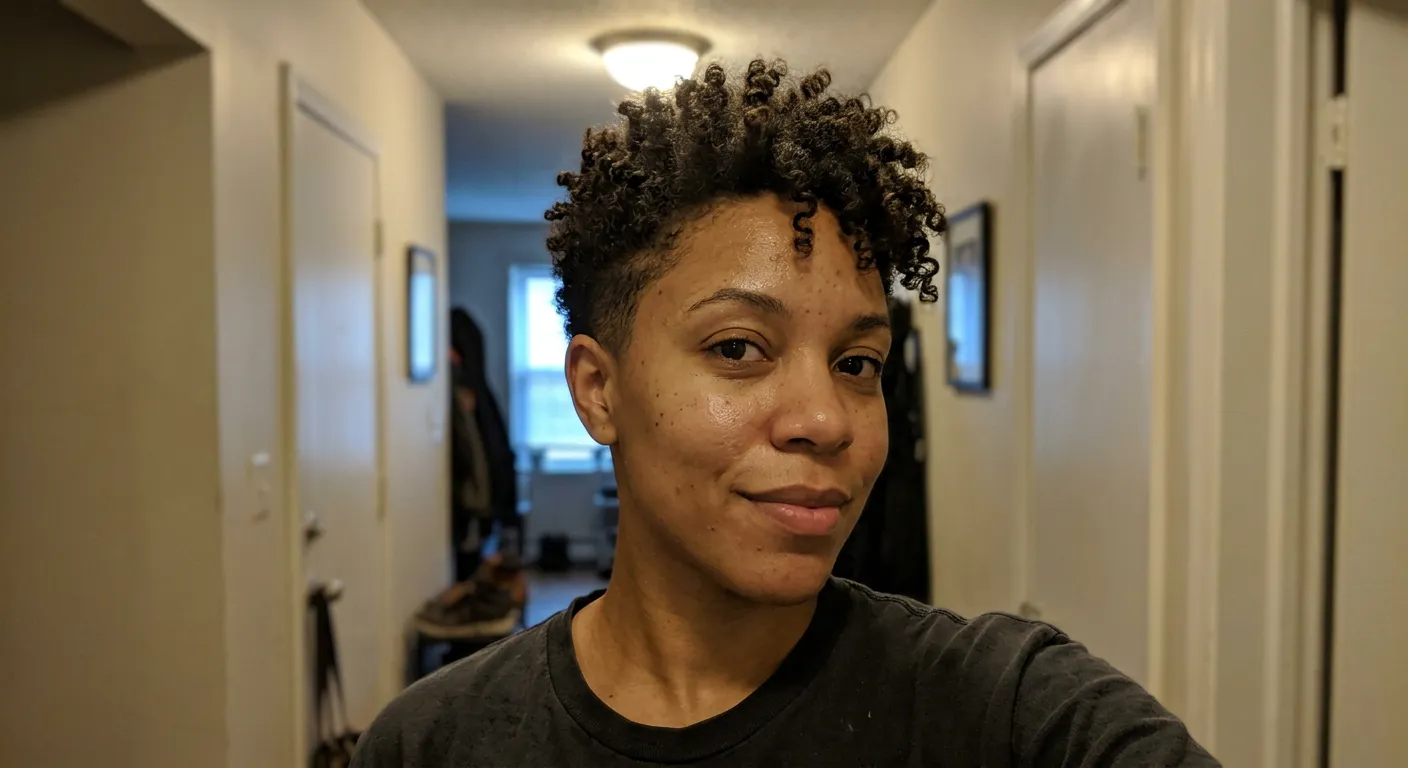
The low taper itself doesn't need any styling -- it's the top that gets the product. That said, the taper affects how your overall cut sits, so the right style on top really completes the look. For a textured finish, work matte clay or paste through damp hair and use your fingers to create definition. For a slicker look, pomade applied to damp hair and combed through gives you hold and shine. If you're rocking longer hair on top, a sea salt spray or lightweight cream keeps things natural and loose. The taper section just needs to be kept clean -- no product required down there.

Maintenance Schedule
Low tapers are lower-maintenance than higher fades because the growth isn't as noticeable. You can go three to four weeks between cuts before it starts looking overgrown, compared to two weeks for a high fade. When the neckline starts getting fuzzy and the clean taper line softens, that's your cue to book a cut. Between appointments, you can clean up the neckline at home with a trimmer if you want, but the taper itself should be left to your barber. If you find a barber you like, sticking with the same person means they'll know your taper and can replicate it every time without a lengthy explanation.