The Burst Fade Haircut: A Curved Fade With Serious Style
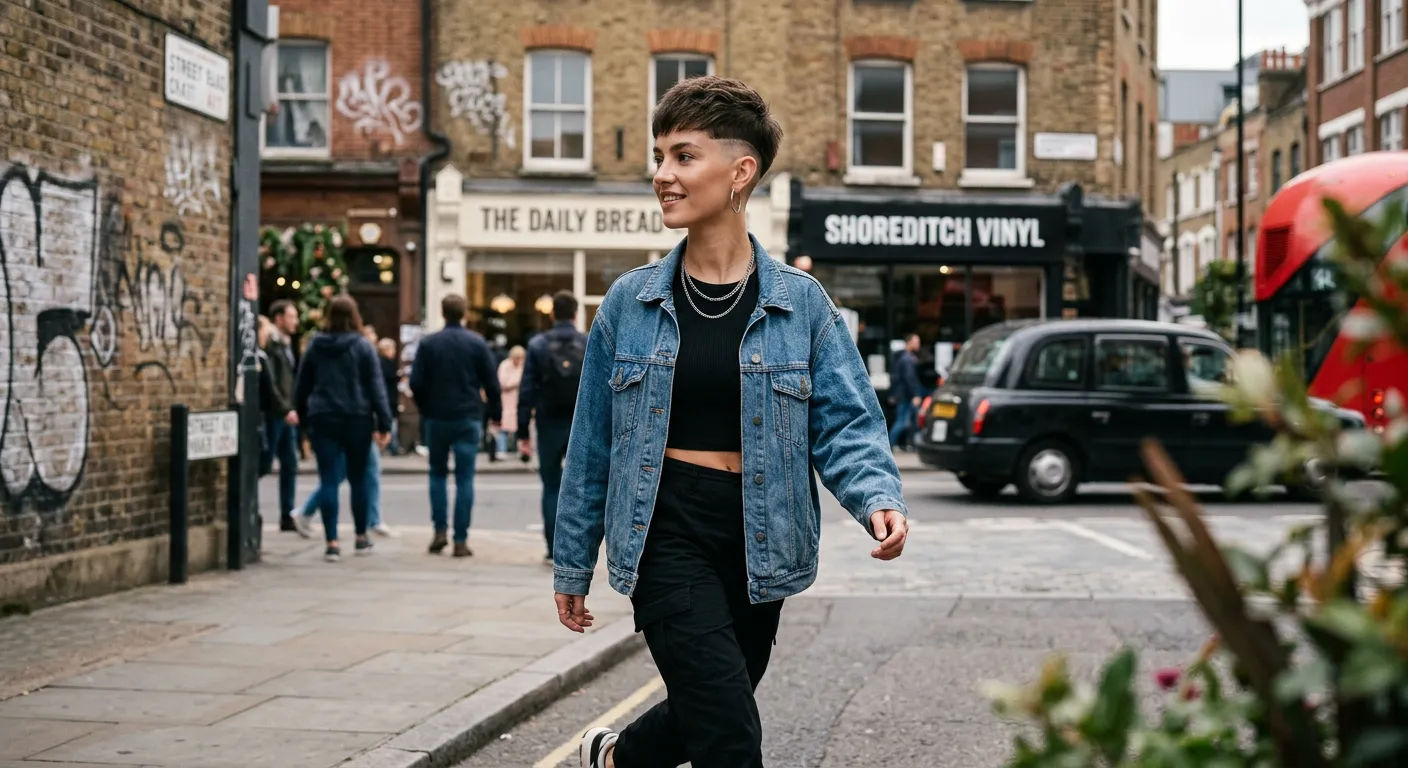
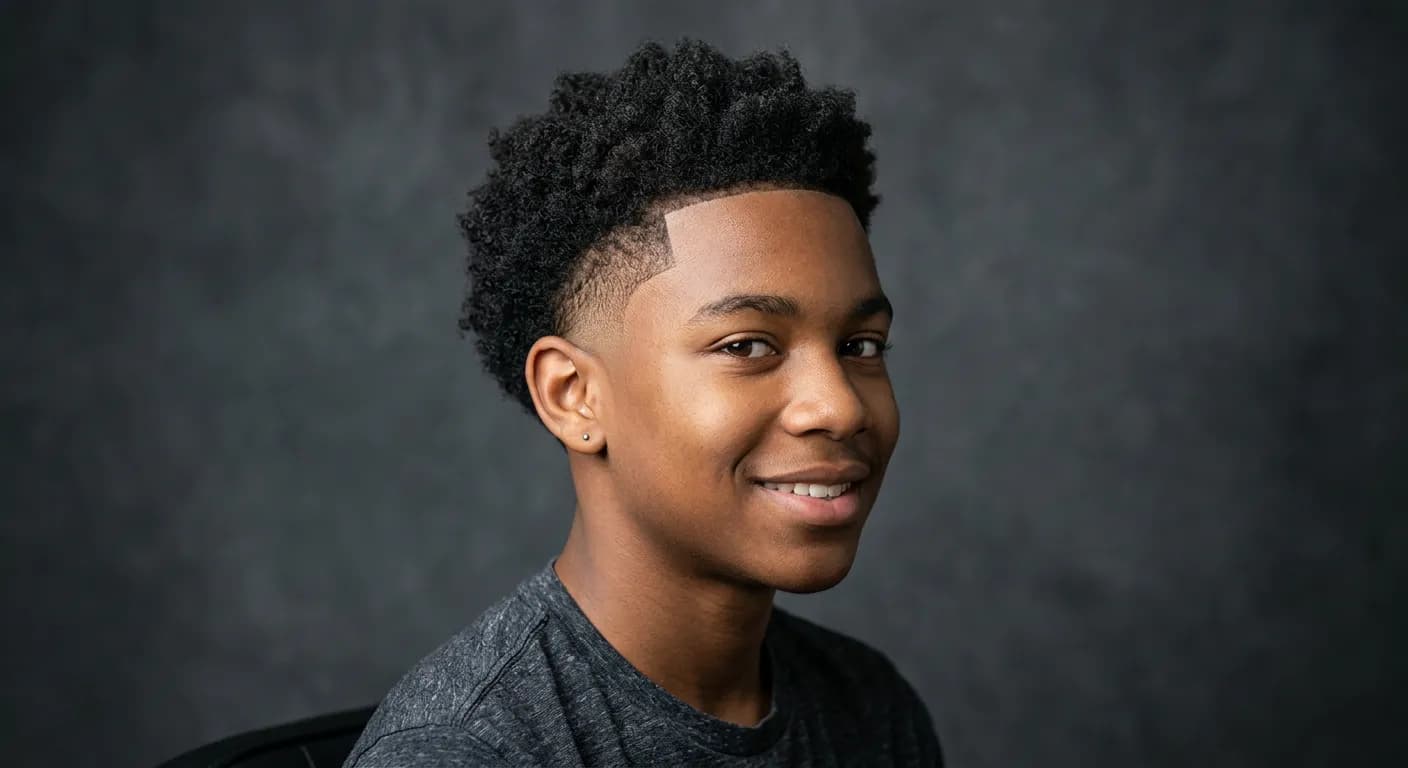
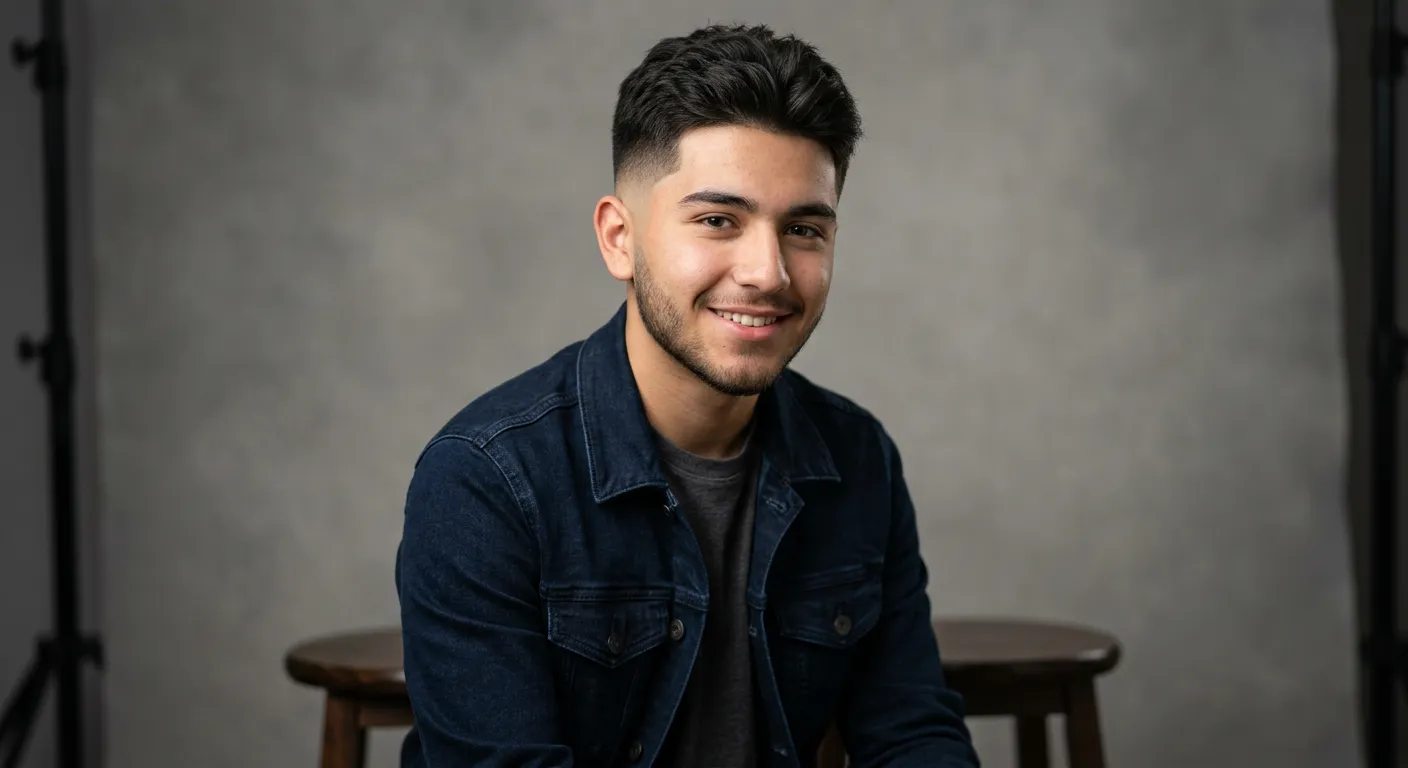
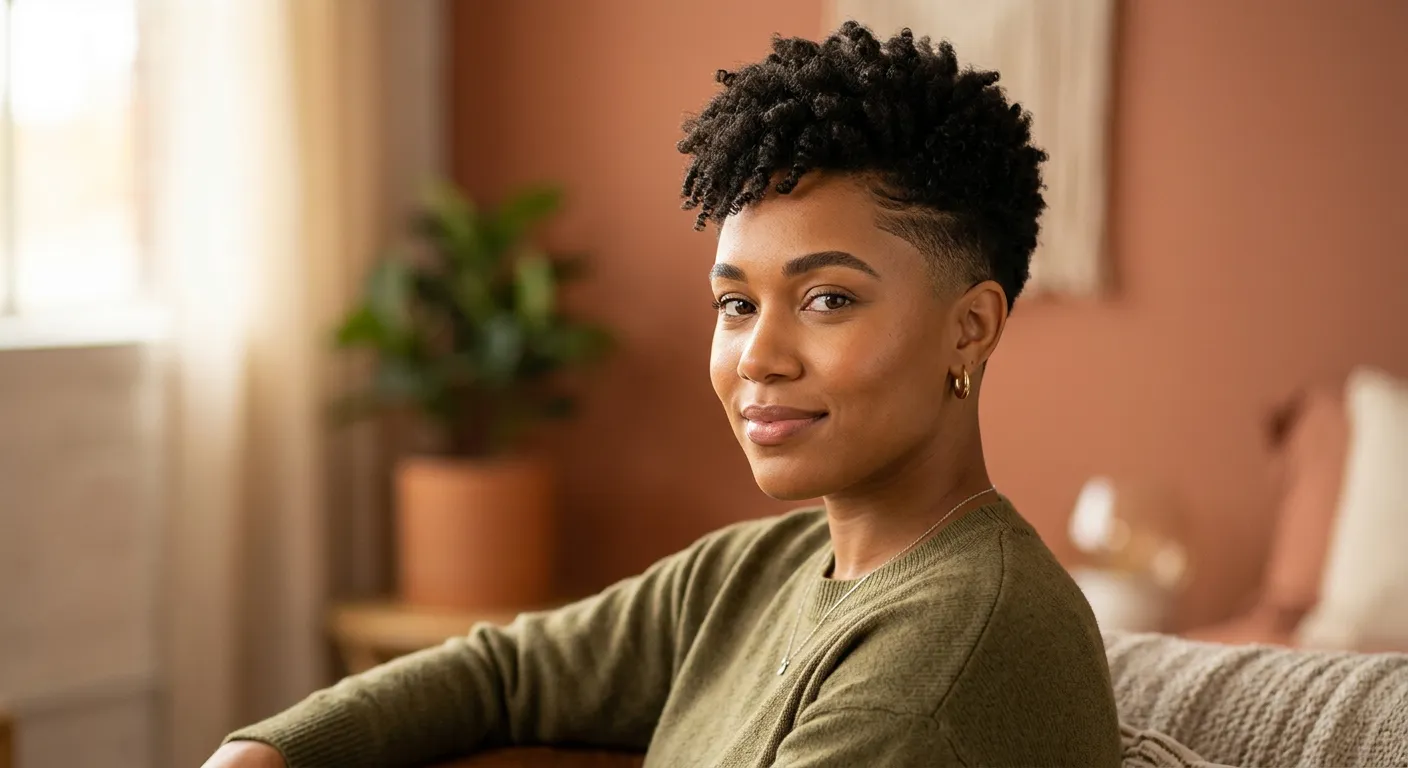
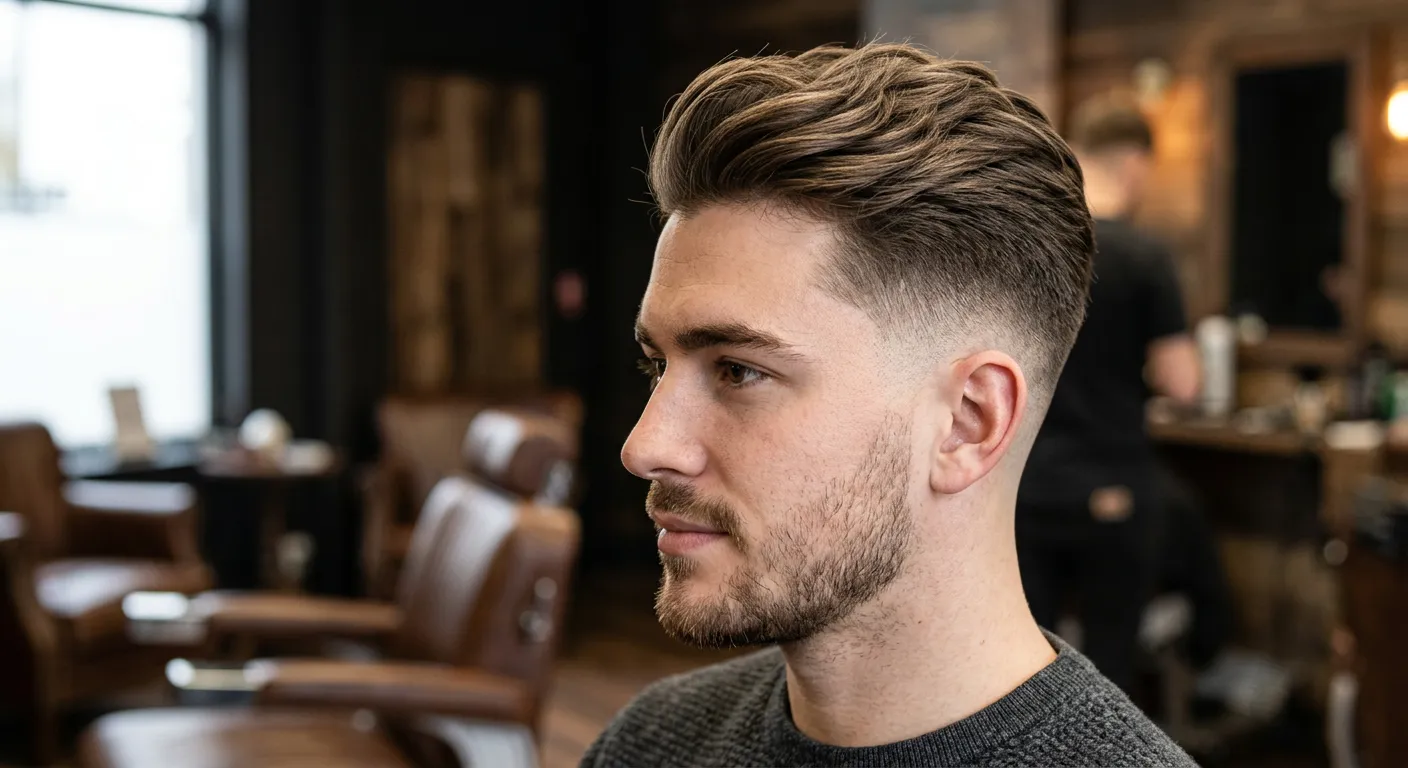
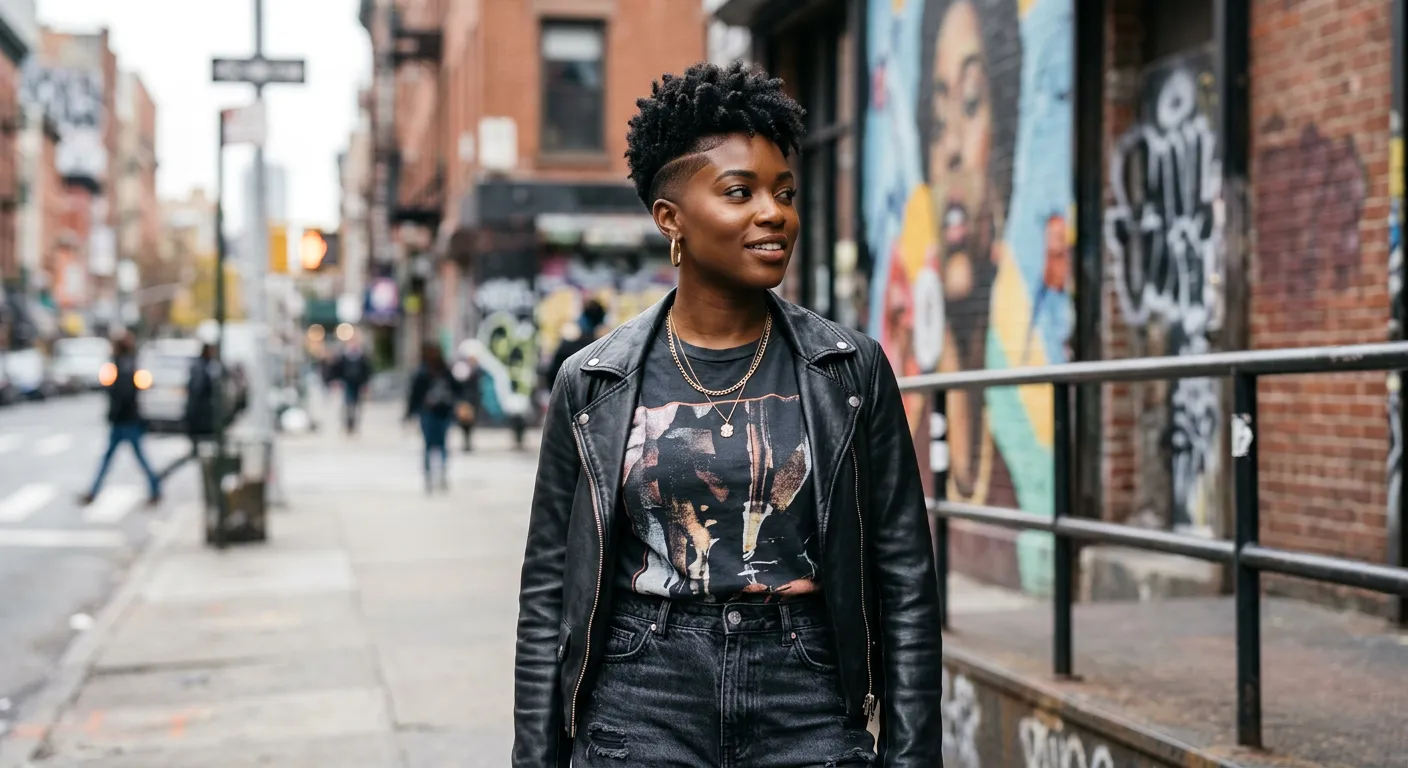
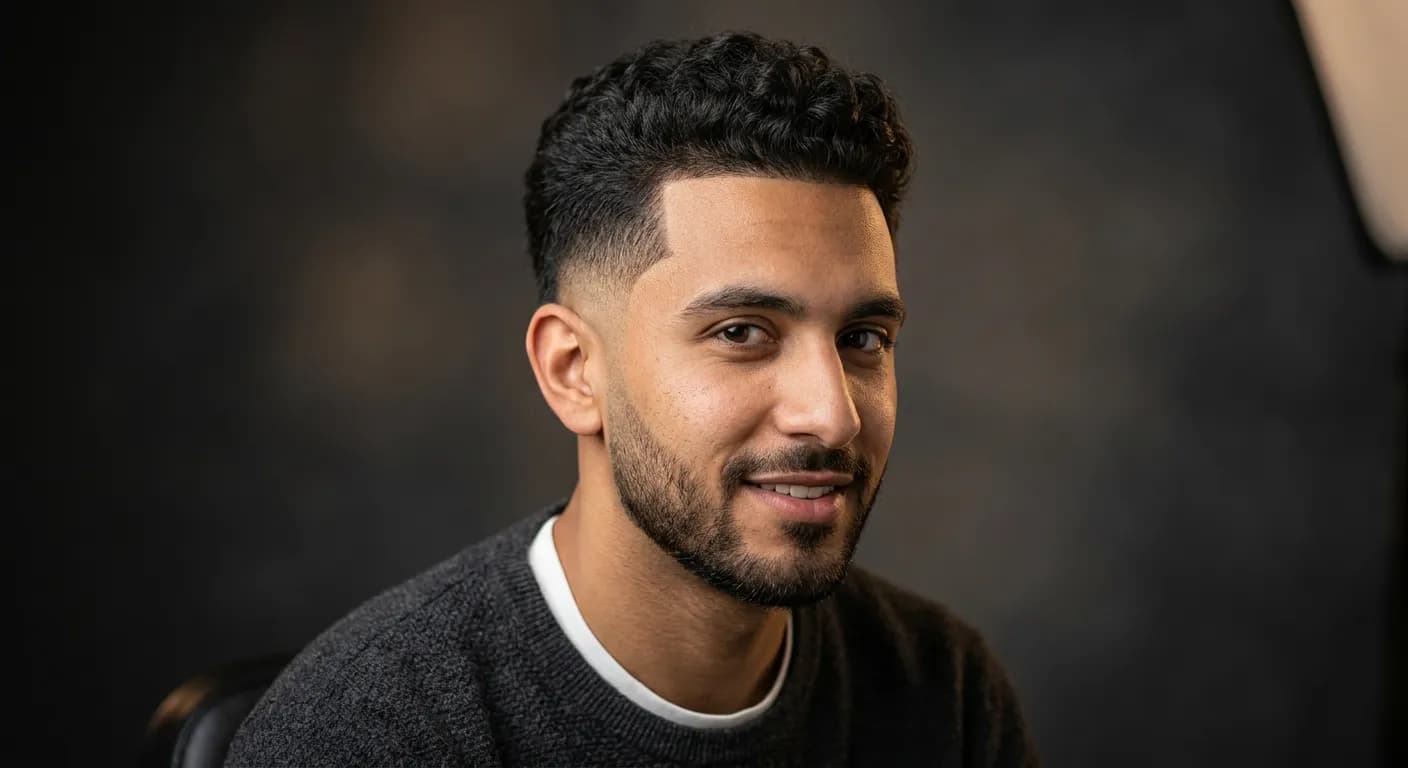
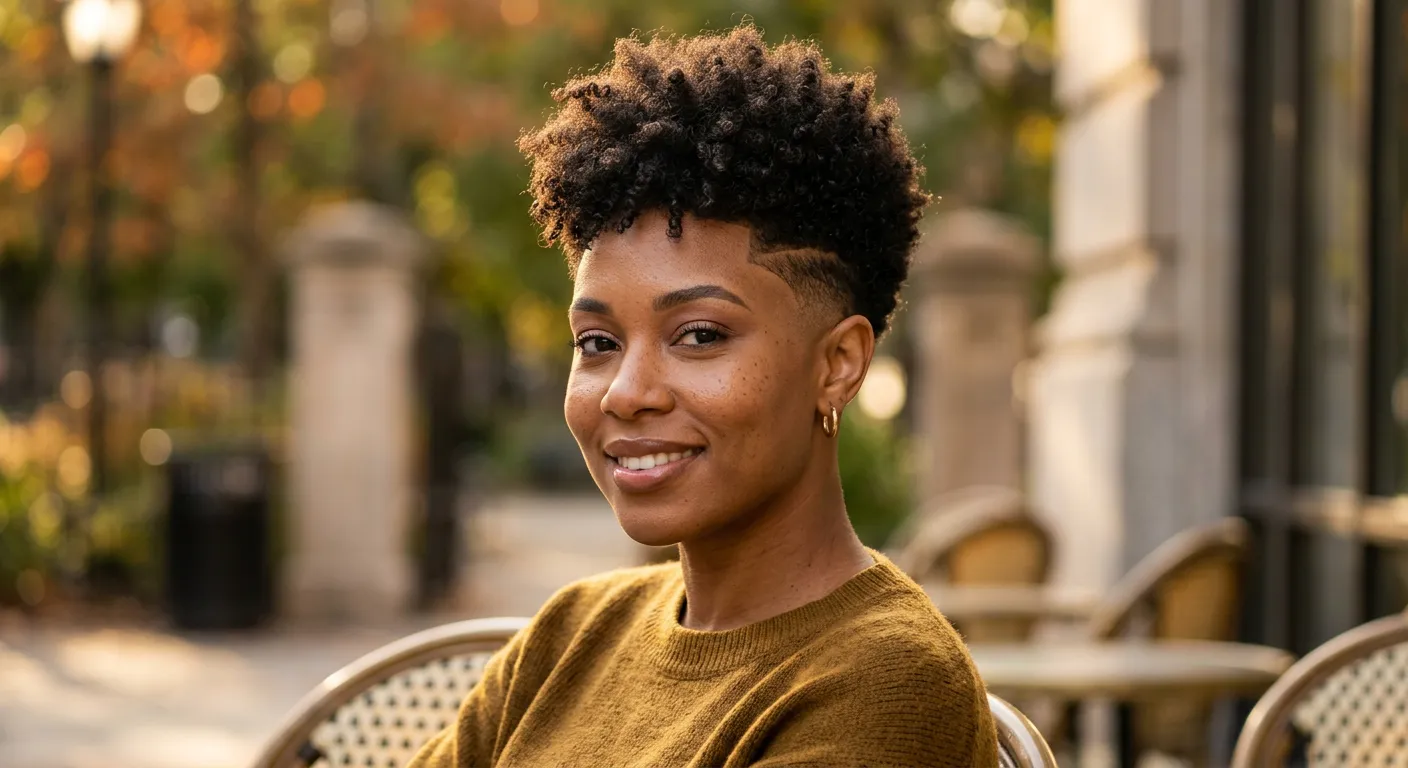
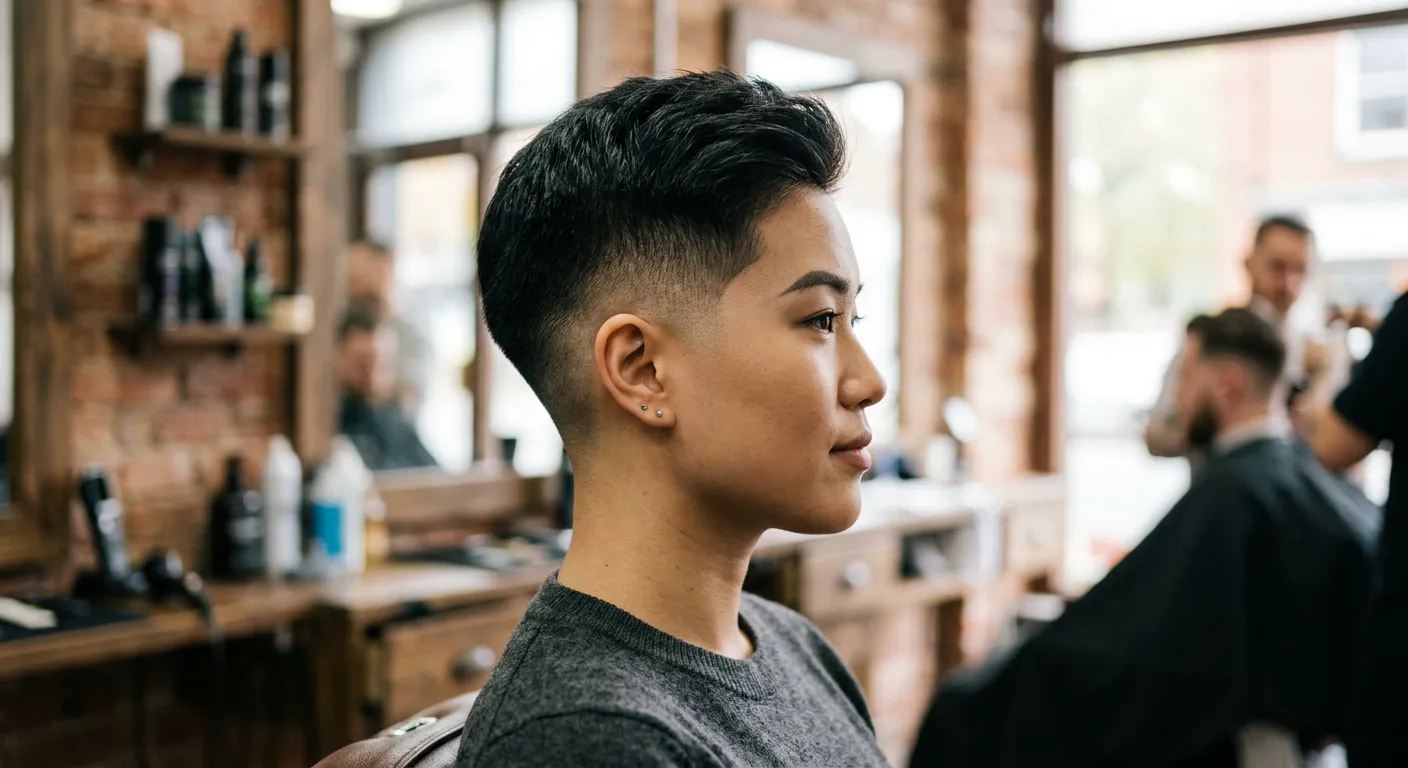
The burst fade is one of the most distinctive fades you can get. Instead of following a straight horizontal line around the head, the fade radiates outward from the ear in a curved, sunburst pattern, blending into longer hair at the back of the neck. It creates a unique rounded silhouette that sets it apart from standard low, mid, or high fades and pairs beautifully with mohawks, mullets, and longer styles on top.
What Is a Burst Fade?
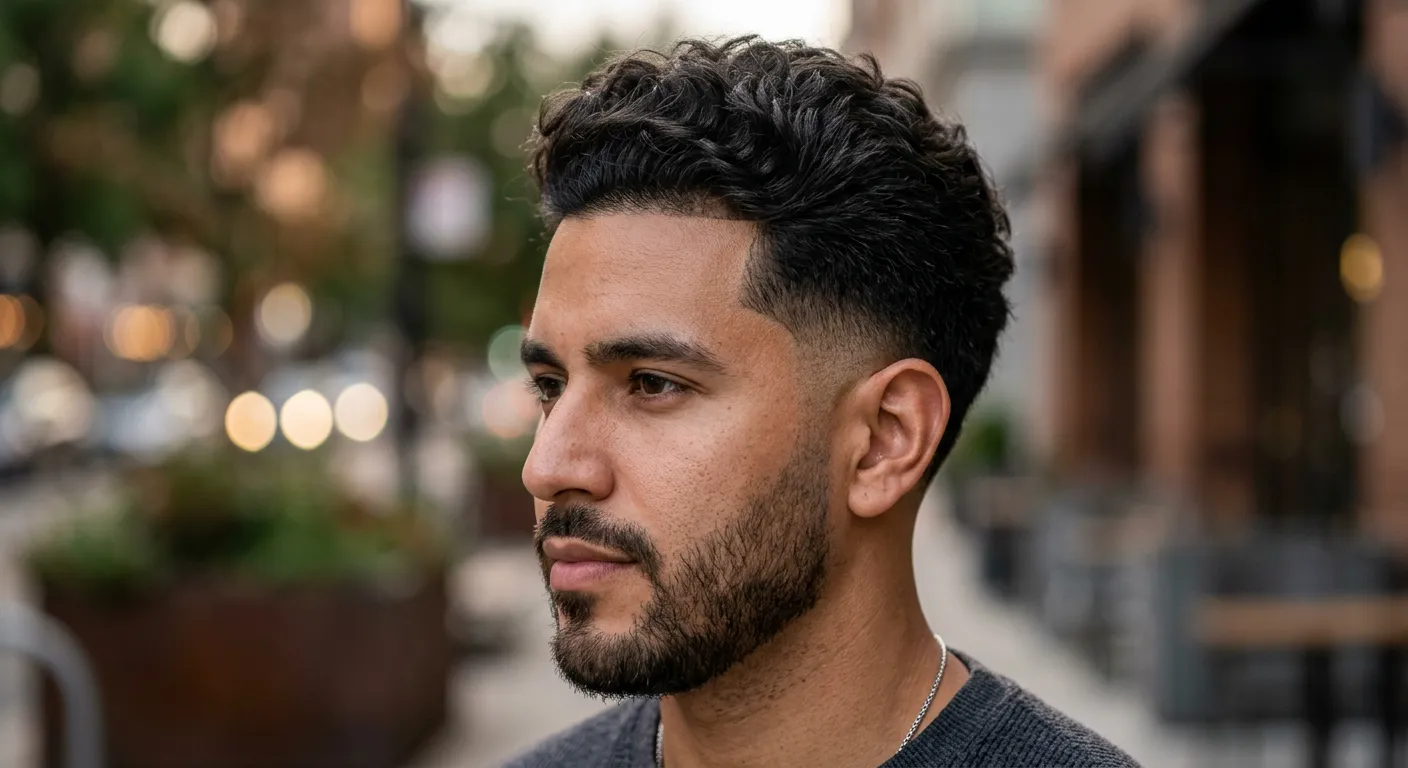
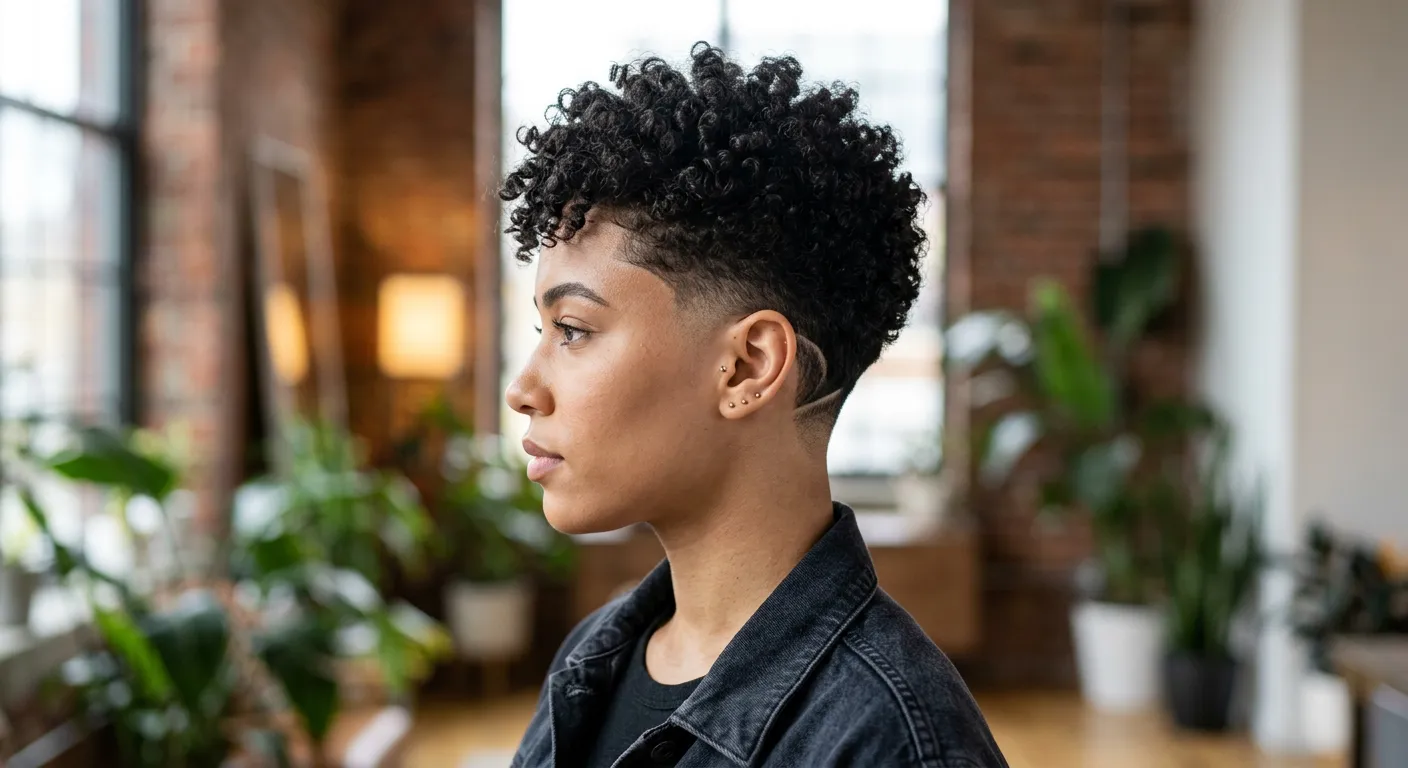
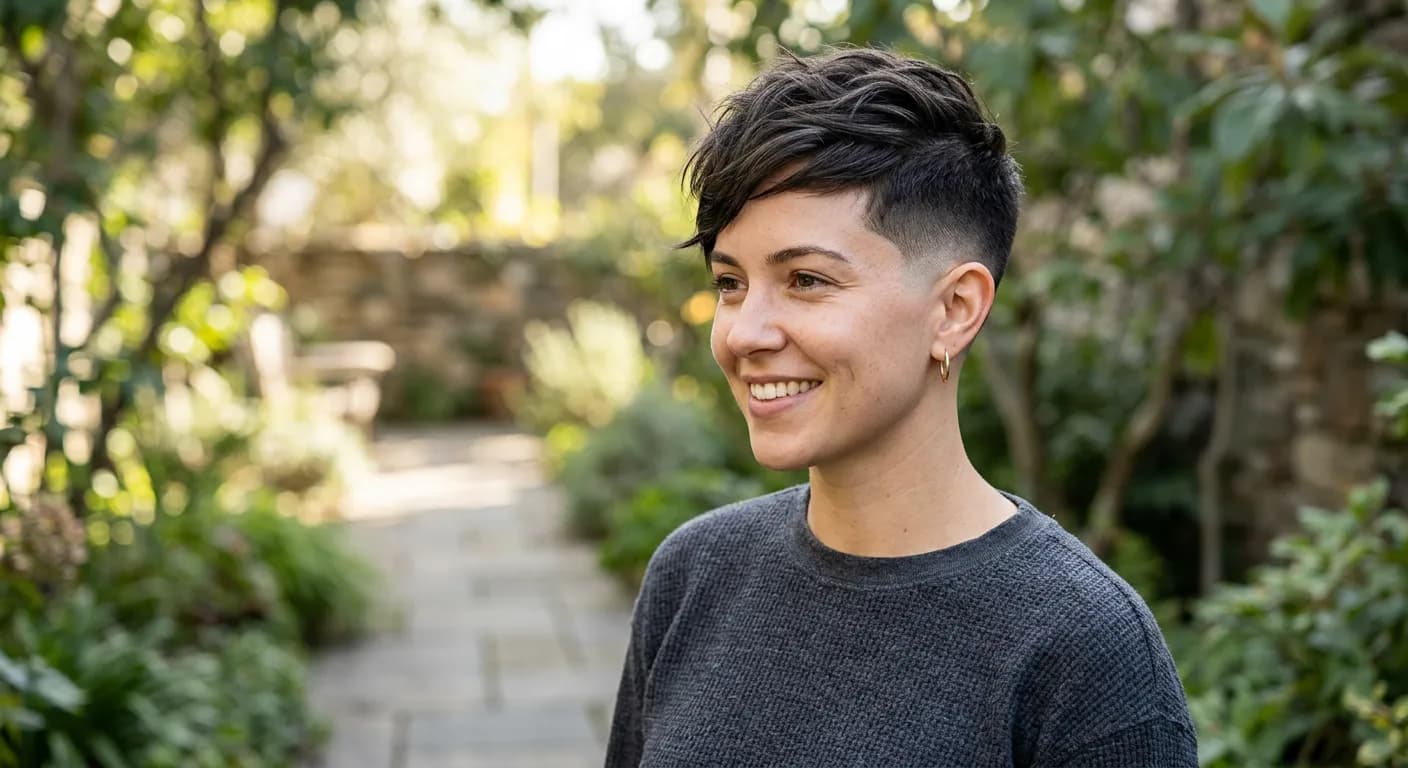
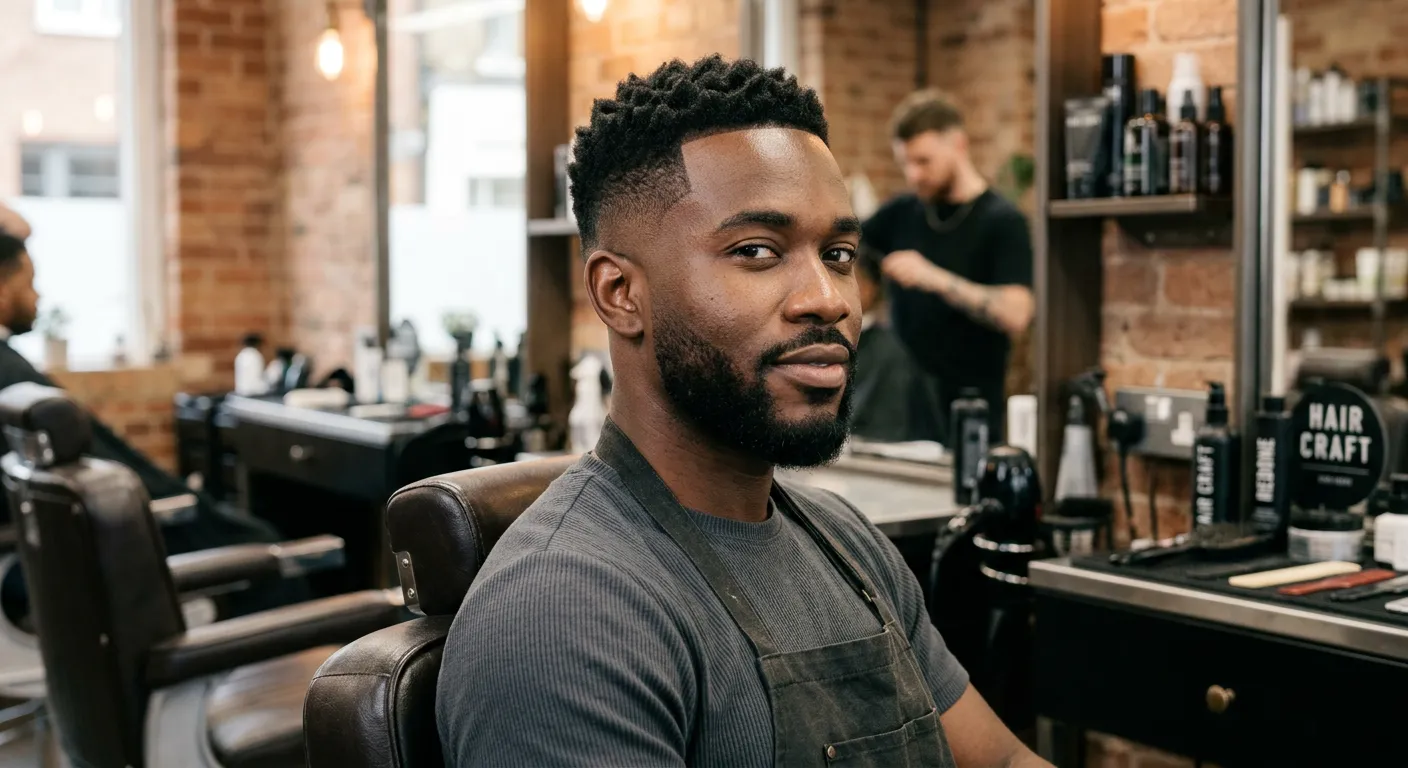
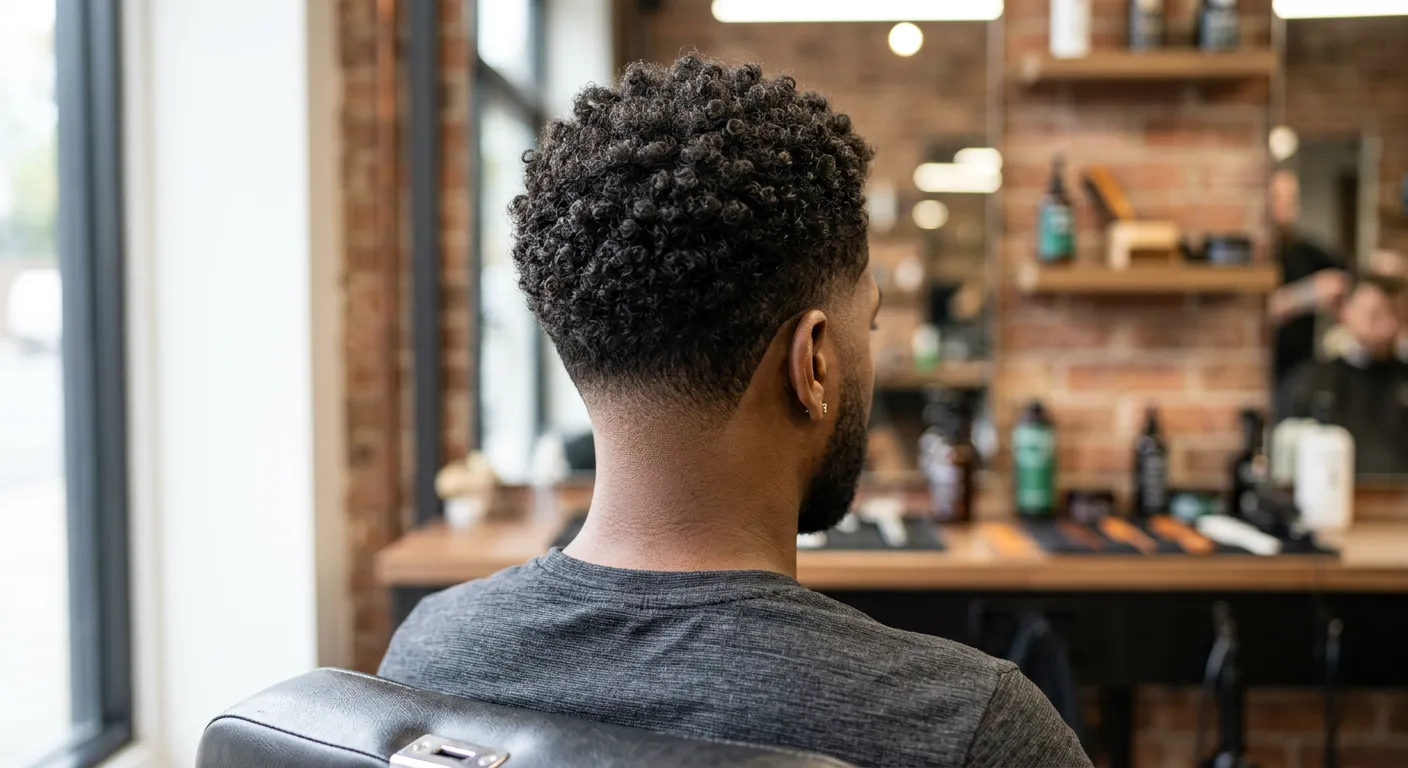
Picture the area right around your ear. On a traditional fade, the blend follows a relatively straight line across the sides and back. A burst fade breaks that pattern by curving the fade in a semicircle around the ear, then letting the hair gradually grow longer as it moves toward the back of the neck. The result is a "burst" or halo effect around each ear, with fuller hair remaining at the nape. This is what gives the burst fade its signature look: the sides are tight and clean, but the back has more length and flow compared to a standard fade.
Who Does a Burst Fade Suit?
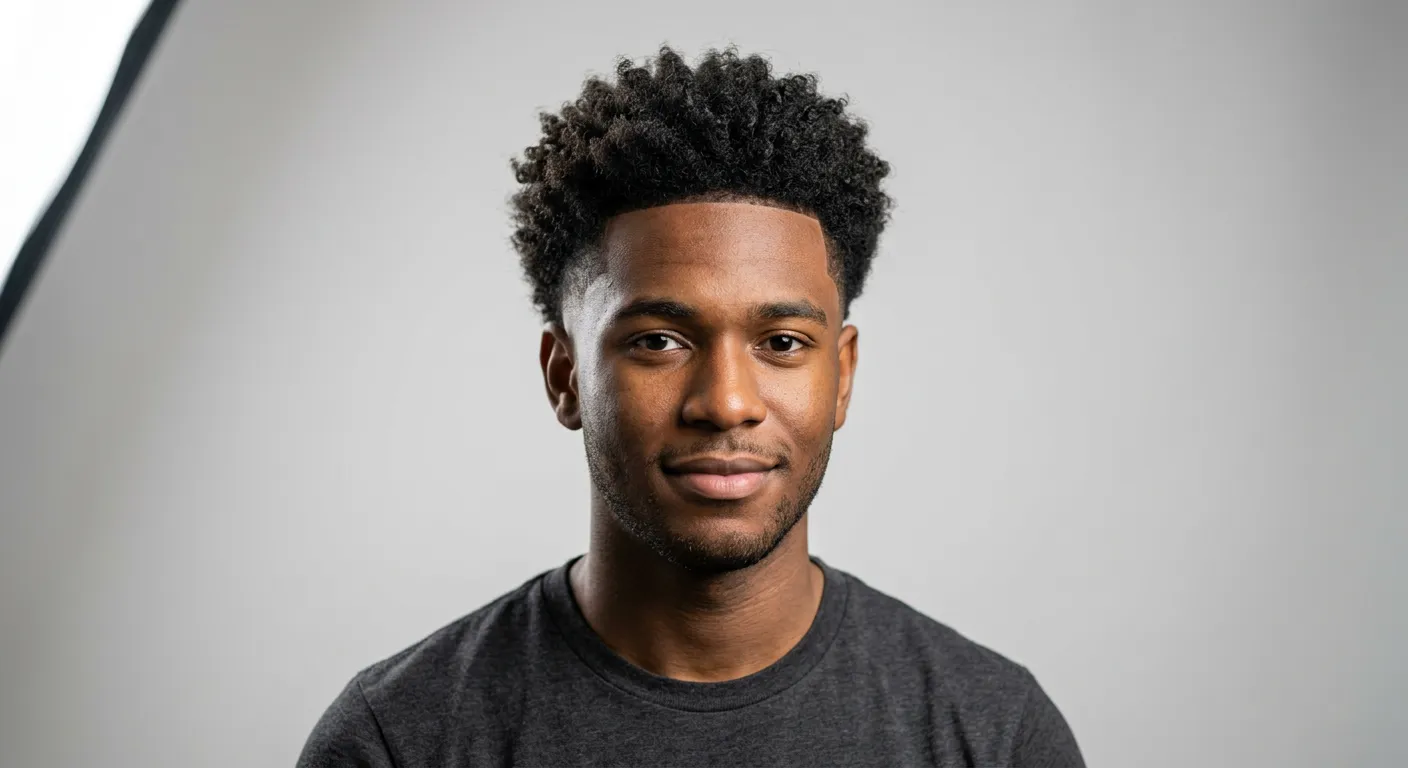
The burst fade works on most face shapes, but it's especially flattering on guys with rounder or wider faces because the curved lines create a slimming effect through the sides. It also suits anyone who wants the sharpness of a fade without going fully short in the back. Hair texture doesn't matter much for the faded portion, but the style you wear on top makes a difference. Straight, wavy, and curly hair all work well. If you have a mohawk or a longer top style and want the sides to feel less severe than a standard skin fade, the burst fade offers that softer transition while still looking sharp.
Burst Fade vs. Drop Fade
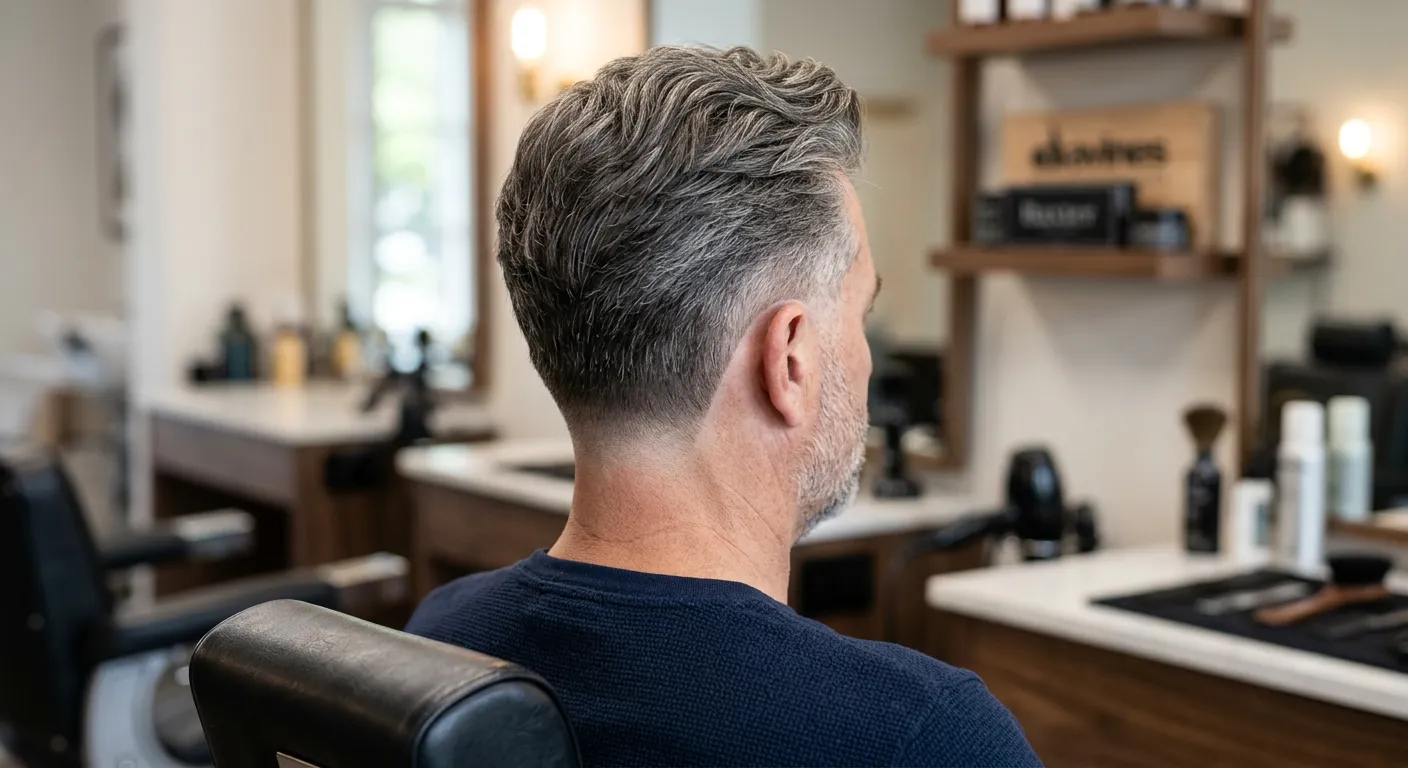
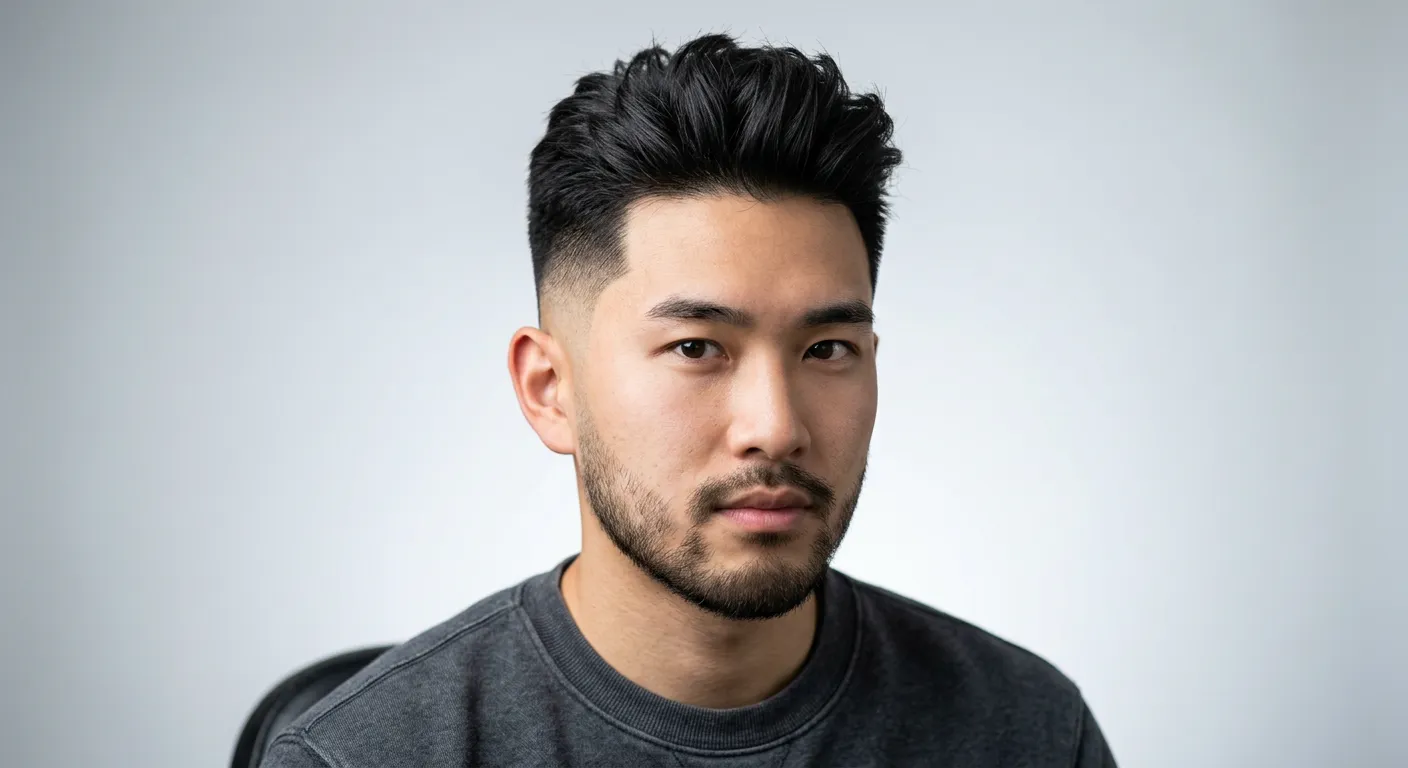
People mix these up all the time, so here's the difference. A drop fade has a fade line that dips lower behind the ear, creating an arc that follows the natural shape of the head from front to back. A burst fade radiates outward from the ear itself, leaving more length at the nape. Think of it this way: a drop fade keeps the back short and clean, while a burst fade lets the back stay fuller. If you want a cleaner neckline, go drop fade. If you want that rounded, flowing look in the back, go burst fade.
How to Ask Your Barber for a Burst Fade
Say "burst fade" specifically, not just "fade." Many barbers will know the term, but bringing a reference photo is always smart, especially from the side and back angles. Specify whether you want the fade to go down to skin or just to a short clipper length. Tell your barber what you want on top: a mohawk, textured length, curls left natural, or whatever your style is. Also mention how much hair you want left at the nape, since that's where the burst fade differs most from other fades. If your barber seems unsure, ask if they've done burst fades before. This is a cut where technique matters.

Best Styles to Pair With a Burst Fade
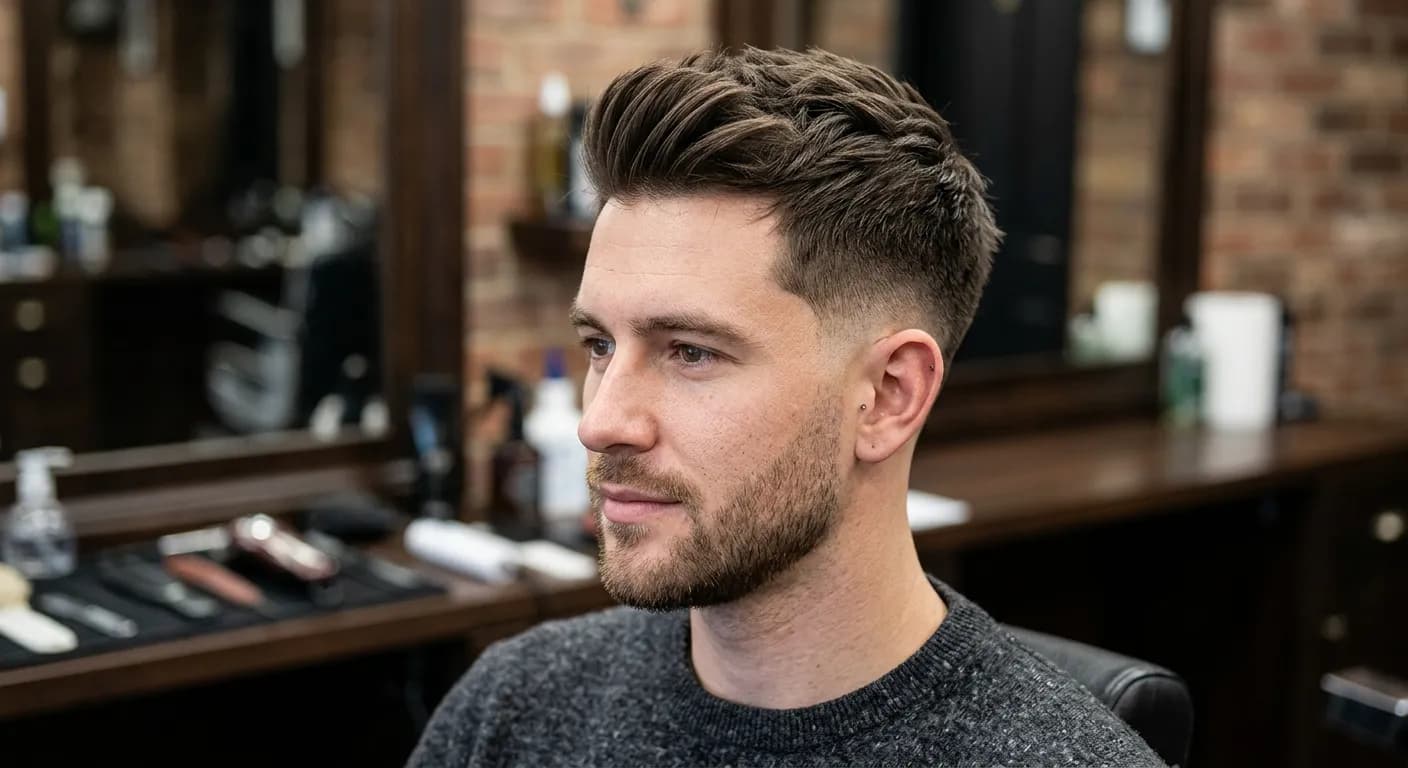
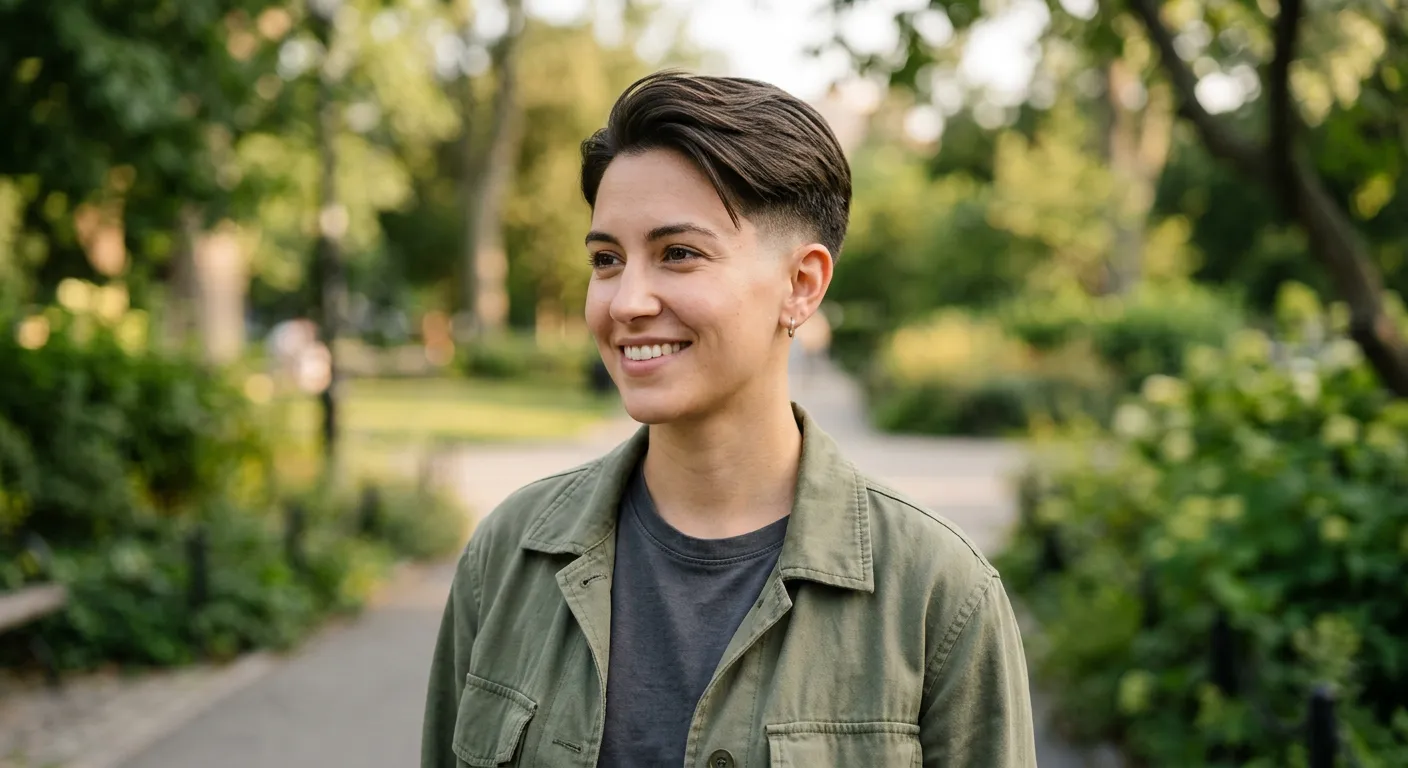
The burst fade is practically made for the mohawk. The curved fade naturally funnels attention toward the strip of longer hair on top, and the fuller back creates a cohesive flow. It also pairs well with a south-of-France style, where curly or textured hair is left longer on top and at the back. Mullets with a burst fade have become increasingly popular, blending the party-in-the-back vibe with clean, modern sides. For something more subtle, a burst fade with a textured crop or messy fringe gives you a clean look without the full commitment of a traditional fade.
Maintenance and Grow-Out
Like any fade, the burst fade looks sharpest in the first week and starts to soften after that. Plan on barber visits every two to three weeks if you want it consistently crisp. One advantage of the burst fade over a standard skin fade is that it grows out a bit more gracefully, since the longer back length disguises some of the regrowth. Between visits, you can keep the area around the ears tidy with a trimmer, but don't try to redo the curved blend yourself. Styling the top depends on your chosen look: a texturizing clay works for mohawks and crops, while a curl cream keeps natural texture defined.