Takuache Haircut: The Cultural Cut That Became a Movement
The takuache haircut features a blunt, forward-swept fringe with short sides — a bold look rooted in Mexican-American culture. Learn how to get and style it.
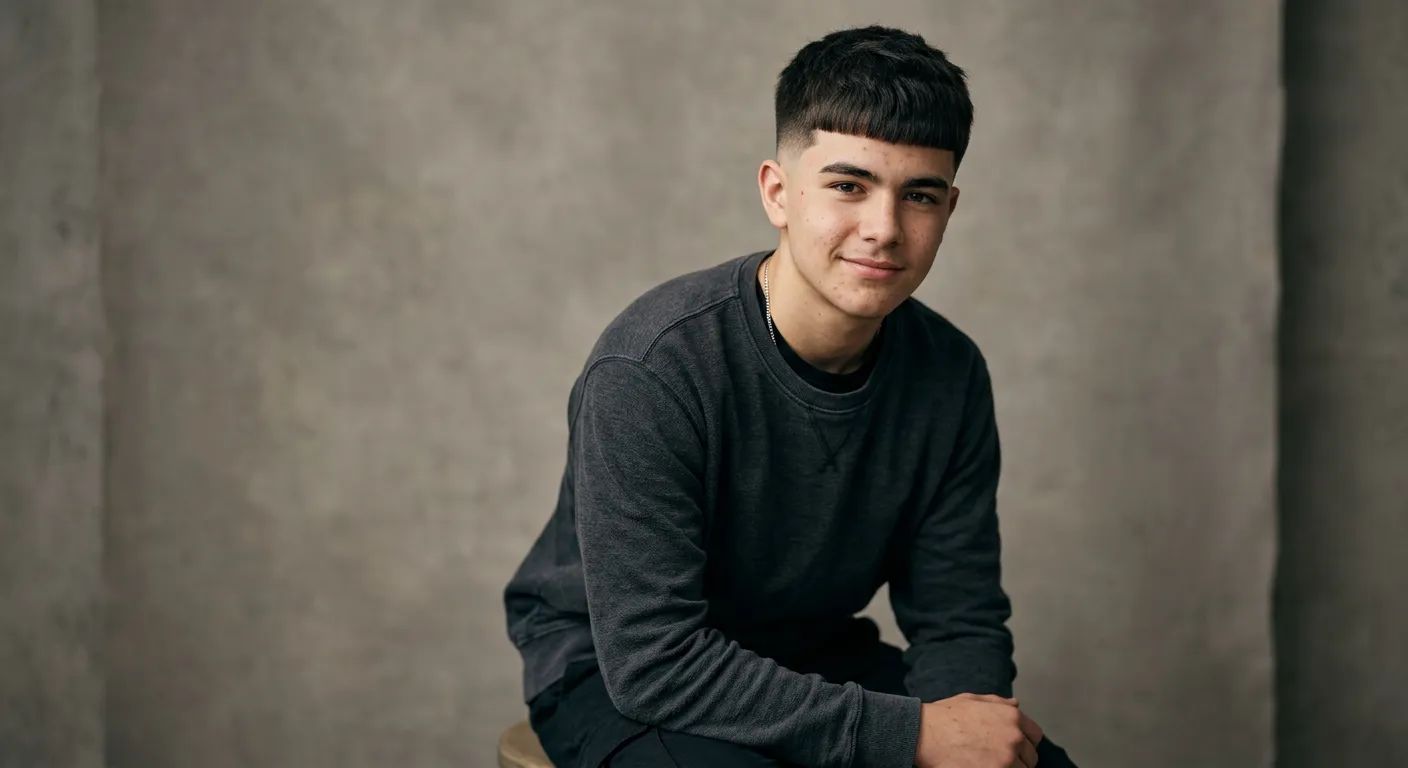
The takuache haircut is more than a hairstyle — it is a cultural marker tied to a specific identity within Mexican-American communities. Defined by its blunt, straight-across fringe that sits flat against the forehead and tapered or faded sides, the takuache cut is bold, instantly recognizable, and deeply connected to the takuache subculture of truck enthusiasts, regional Mexican music, and border-town style. If you know, you know — and if you don't, here is everything you need to understand about this statement cut.
What Is the Takuache Haircut
The takuache haircut is characterized by a heavy, forward-swept fringe that covers most of the forehead in a blunt, straight line. The sides are cut short — usually a low or mid fade — while the top is left long enough to fall forward and create that signature curtain effect. The fringe sits flat and dense, with no gaps or wispy pieces. Think of it as the Edgar haircut's close relative: both share the forward-fringe-with-faded-sides structure, but the takuache version often has a slightly longer, more textured top and a less geometric fringe line. The name comes from "takuache," slang for possum, used within Mexican-American youth culture to describe a specific lifestyle and aesthetic.
Who Does the Takuache Cut Suit
The takuache cut works best on straight to slightly wavy hair that can lie flat and forward without fighting gravity. Thick hair is ideal — it creates the dense, full fringe that defines the look. If your hair is fine or thin, the fringe may look sparse rather than bold. Face shape matters less than hair type here, though the heavy fringe does shorten the appearance of longer faces, which can be either a benefit or a drawback depending on your proportions. The style is overwhelmingly popular with young men, particularly teens and guys in their twenties, though it has no age restriction in practice. It pairs well with a clean-shaven face or light stubble.
The Takuache Culture
The haircut does not exist in a vacuum. Takuache culture is a Mexican-American subculture centered around lowered trucks (especially Chevrolet Silverados), regional Mexican music genres like corridos tumbados, specific fashion choices like western boots and flannel shirts, and a distinctive attitude. The haircut is one visible piece of this identity. Understanding this context matters if you are getting the cut — it carries cultural weight and meaning within the communities where it originated. Like any cultural style, wearing it with awareness and respect for its roots is part of getting it right.
How to Ask Your Barber for a Takuache Cut
Go to a barber familiar with the style — this is not a cut you want from someone who has never done one before. Latin barbershops and barbers in communities where the style is popular will know exactly what you mean when you say takuache. Ask for a low to mid fade on the sides, with the top left long enough to sweep forward into a full, blunt fringe. Specify how low you want the fringe to sit — some guys prefer it just above the eyebrows, others want it nearly touching them. Bring reference photos to show the exact fringe density and length you want. The fringe should be cut blunt, not textured or feathered.
Styling and Maintenance
Keeping the takuache cut looking sharp requires regular barber visits — every two to three weeks to keep the fade clean and the fringe at the right length. Daily styling is straightforward: after washing, blow dry the top forward and flat against the forehead. A light gel or pomade helps keep the fringe in place throughout the day without making it look stiff or shiny. Avoid heavy products that clump the hair together — the fringe should look dense but natural. Wash your hair regularly since the fringe sits against your skin all day. Between barber visits, you can trim stray pieces at the fringe line yourself, but leave the fade to the professionals.